- Yes
- No

History
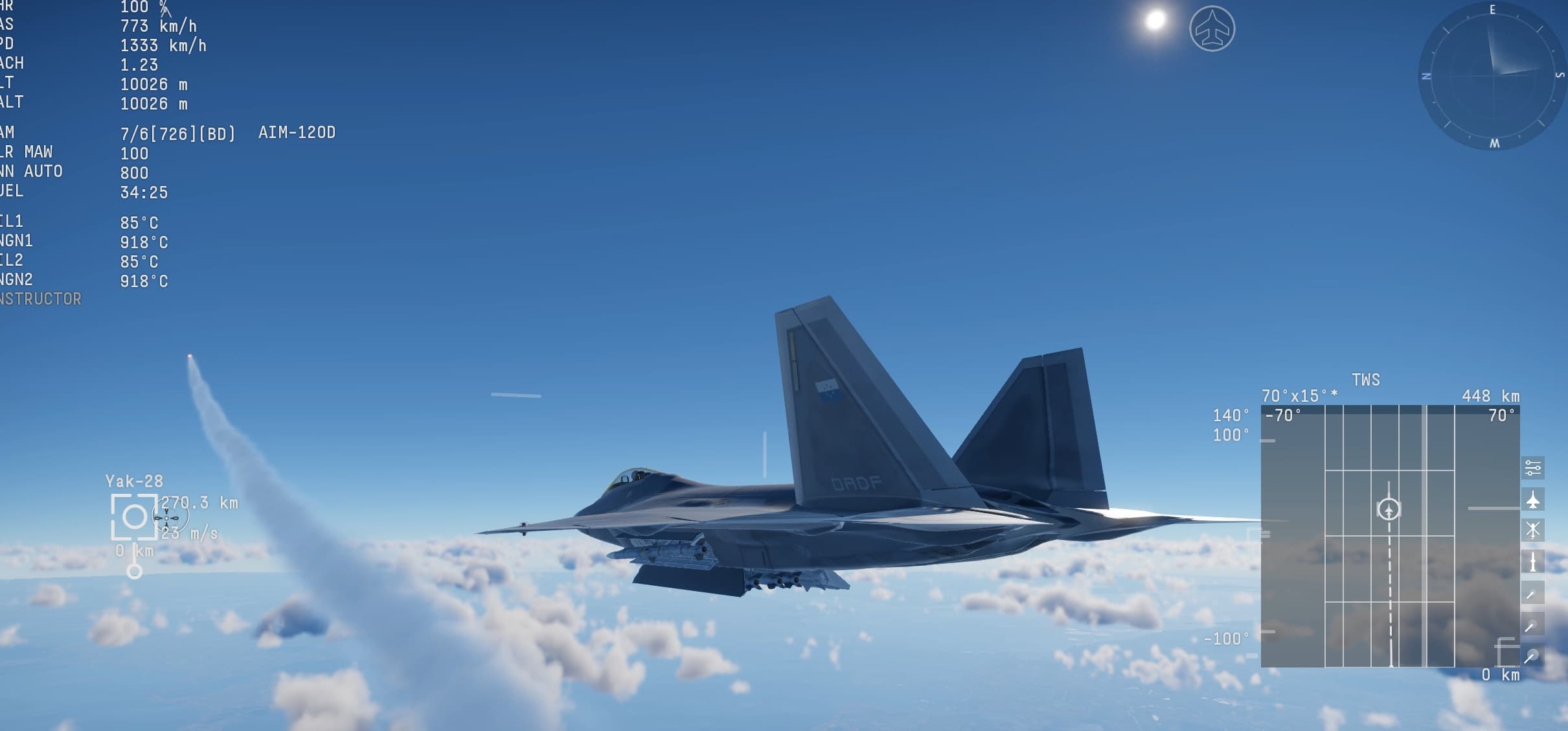
After the retirement of the AIM-54 Phoenix missile, the US Navy has been lacking a super long-range air-to-air missile, AMRAAM has been serving as a beyond-visual-range strike weapon for the US Navy and space for a long time. During this period, Russia and China successively put several very-long-range air-to-air missiles into service.
The development of the RIM-174 Standard ERAM (SM-6) laid the foundation for the AIM-174. The SM-6 is a long-range air-defense missile in the “Standard” family—originally developed by the U.S. Navy to replace older ship-based air-defense missiles—with development beginning in the early 2000s and service entry around 2013. As the demand for long-range air-to-air combat capabilities between the U.S. and China grew, the U.S. Navy determined that the SM-6—with its large airframe, high-energy propulsion system, and active radar guidance—was well-suited for adaptation into a long-range air-launched weapon; consequently, it initiated the SM-6 Air Launched Configuration (ALC) program.
This design eliminates the structures required for ship-based launching and adapts the missile for carriage by fighter aircraft and the aerial launch environment, transforming it from a ship-to-air missile into a long-range air-to-air missile.
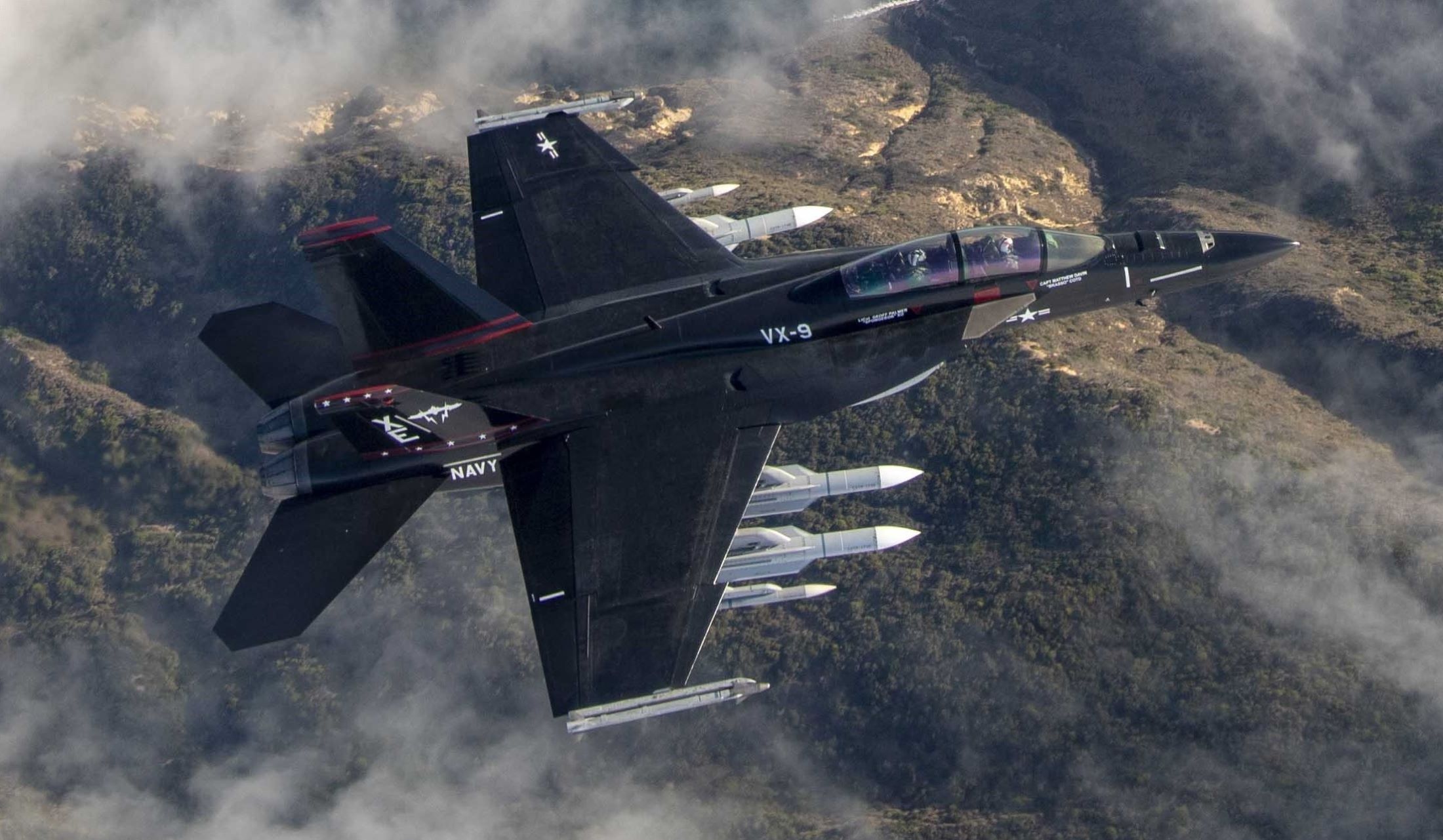
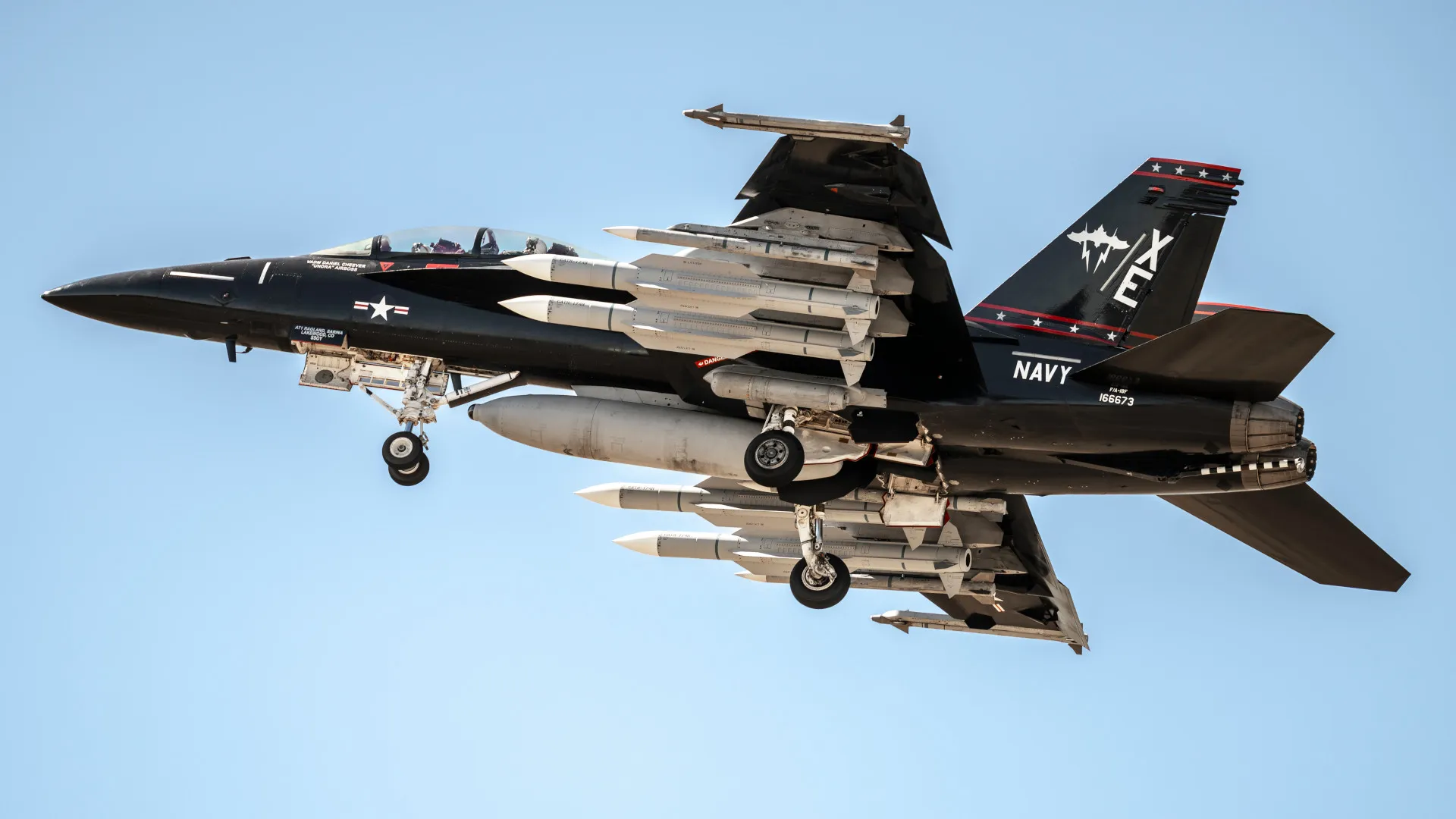
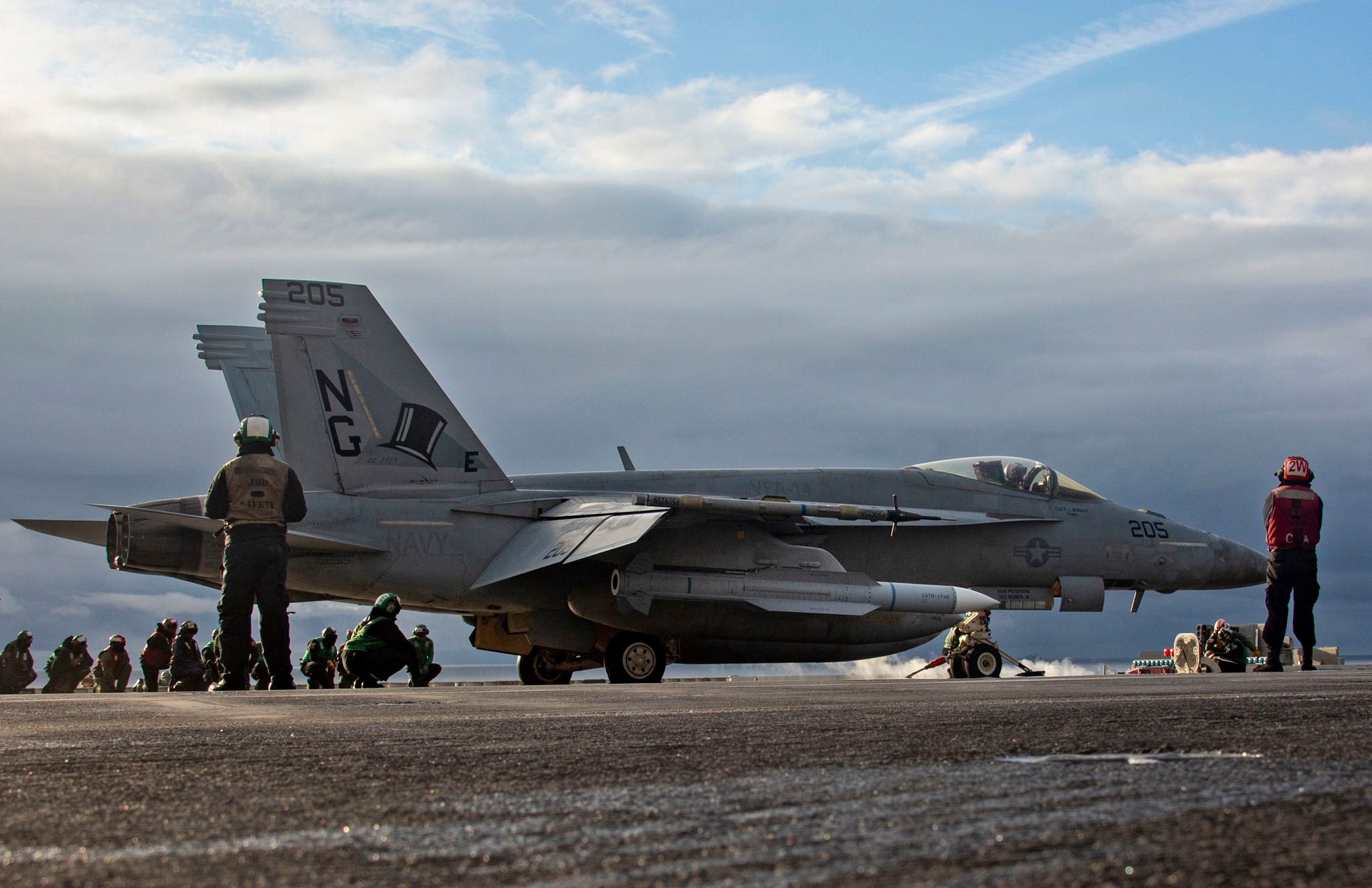
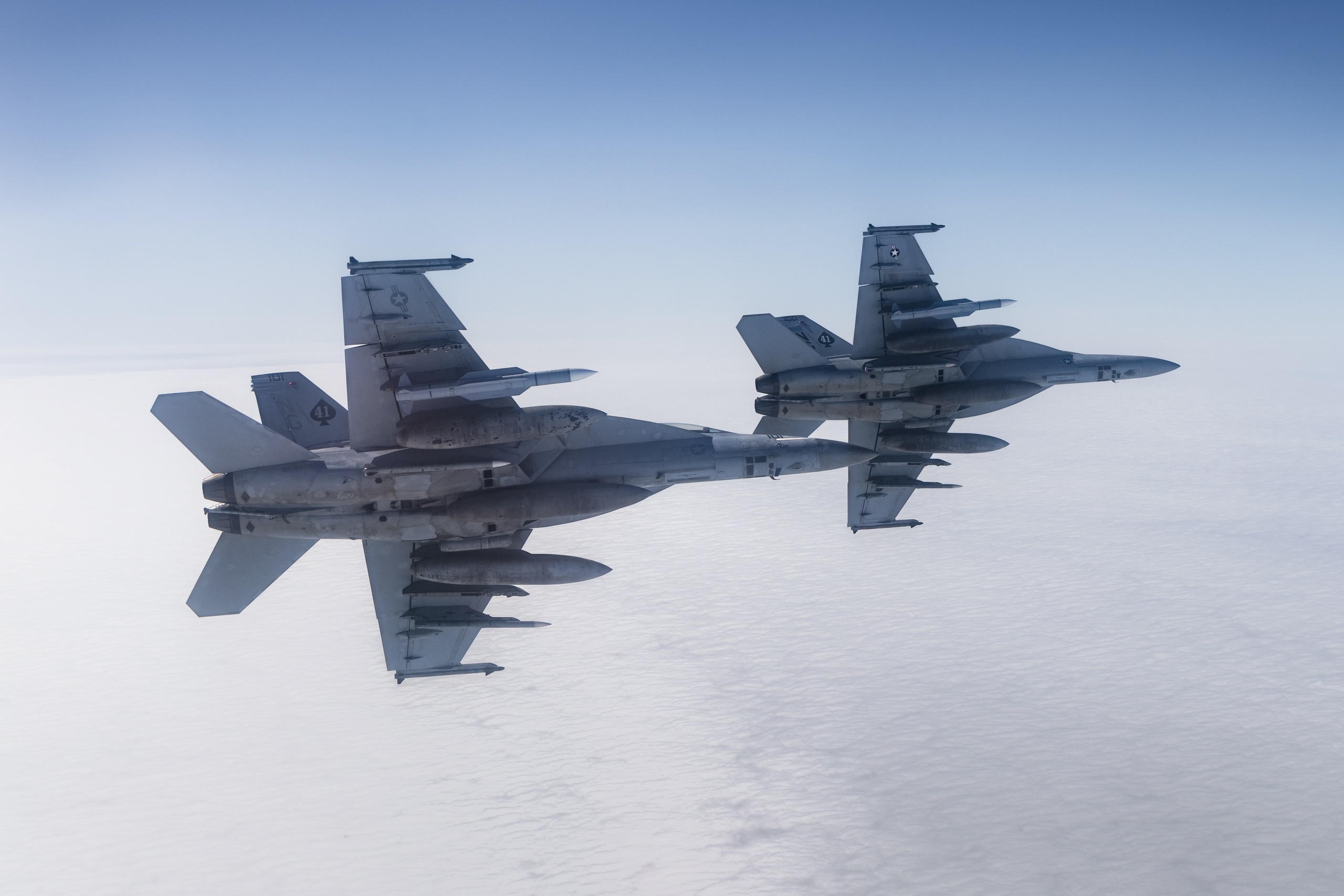
This project remained classified for a long time; photos of the weapon undergoing flight testing did not emerge until around 2021. In 2024, during the Rim of the Pacific (RIMPAC) exercise, the U.S. Navy officially unveiled the variant carried by the F/A-18E/F Super Hornet, designating it the AIM-174B air-to-air missile. By leveraging the existing SM-6 production infrastructure, the Navy rapidly acquired an ultra-long-range air combat weapon to fill the capability gap left by the retirement of the AIM-54 Phoenix. The missile is primarily intended to engage high-value targets at long range—such as airborne early warning aircraft, aerial refuelers, and long-range fighters—and to bolster the defensive capabilities of carrier strike groups in anti-access environments.
Design
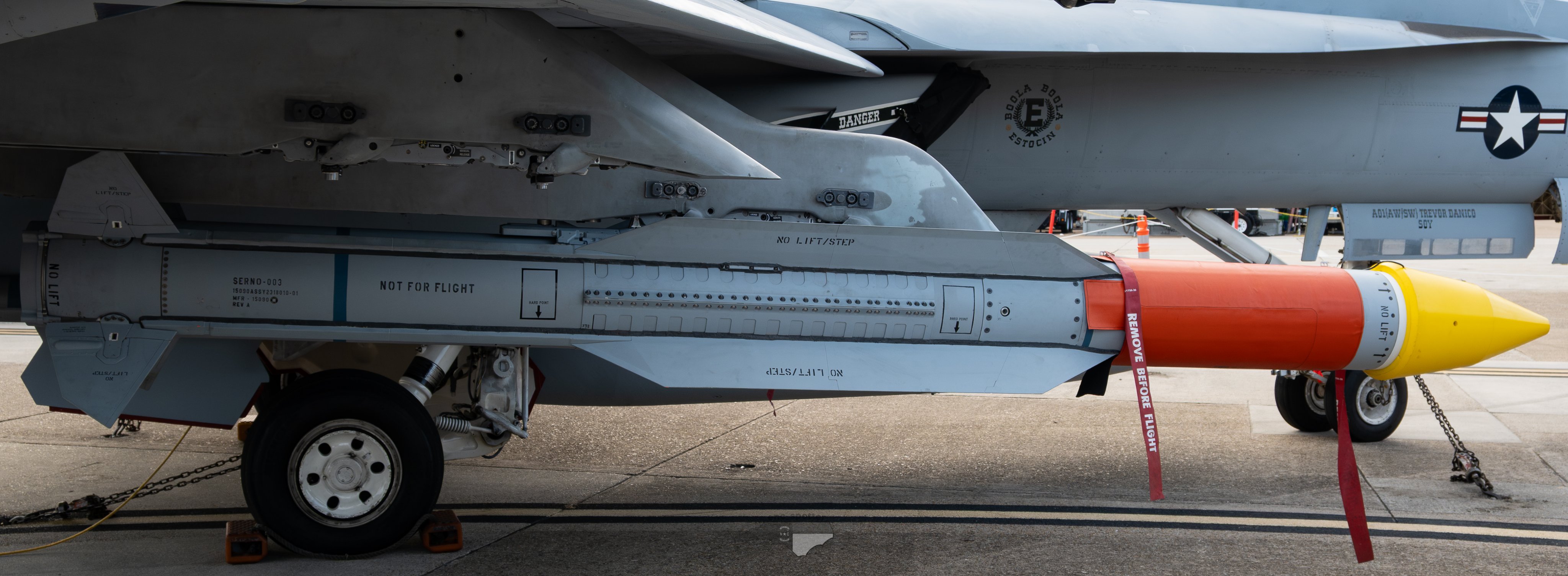
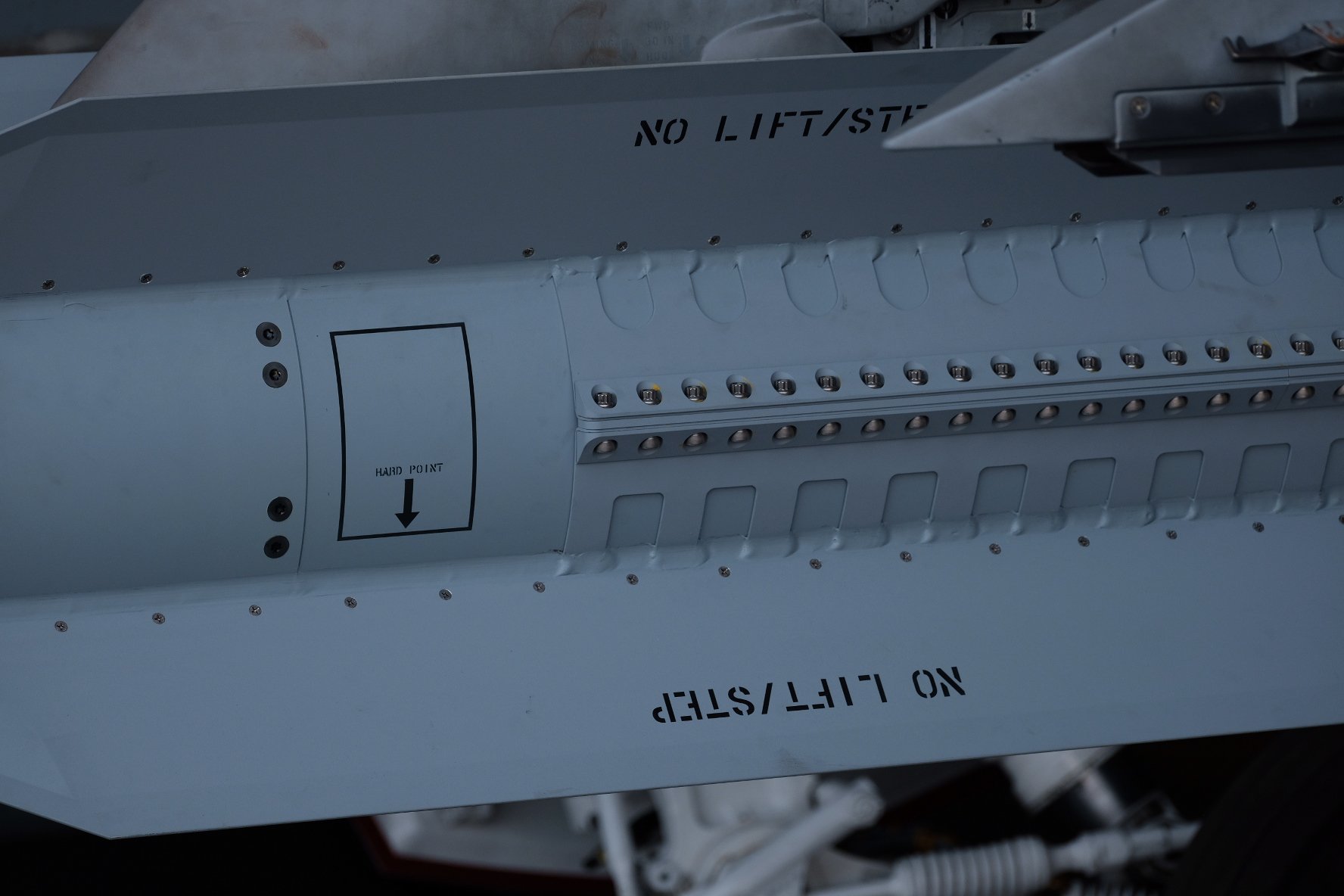
The RIM-174’s MK72 booster has been removed, and the missile has been appropriately modified to enable be carried by aircraft, For example, 20 radial screws are used to reinforcement structure the missile in the middle of the missile body, enabling the missile to withstand the vibrations and loads generated by the aircraft during takeoff/landing and maneuvering.
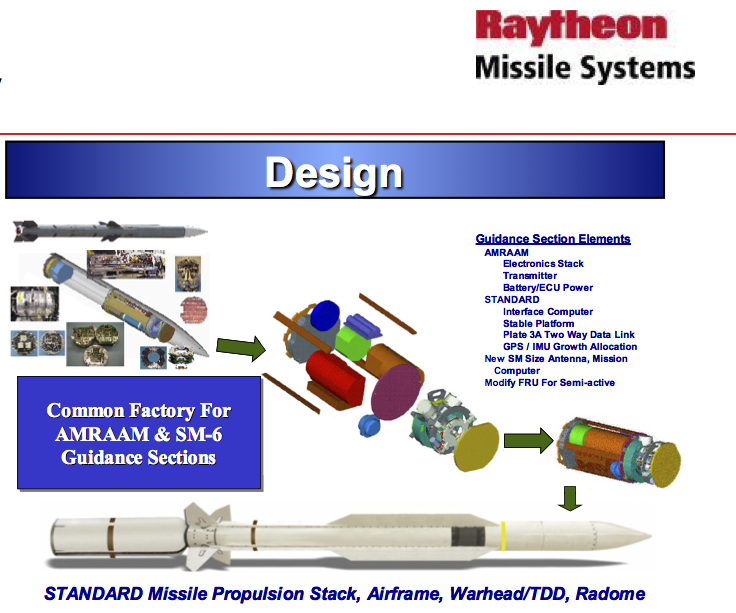
The missile utilizes the airframe of the earlier SM-2ER Block IV (RIM-156A) missile, and incorporates the active radar seeker from the AIM-120C missile, the missile use the electronics stack, radar transmitter, and ECU power supply from the AIM-120C. Retains the standard missile’s interface computer, radar antenna stabilized platform, 13.5-inch antenna, two-way data link, and GPS/IMU integration; and modified FRU to support semi-active guidance.has been improved, to replace the radar seeker of the SM-2ER which was limited to semi-active radar guidance.
The maximum range of this missile far exceeds the detection range of the ANAPG-79 radar on its carrier aircraft FA-18E. Therefore, it should be capable of multi-platform guidance, such as Aegis ships and E-2D early warning aircraft, etc.
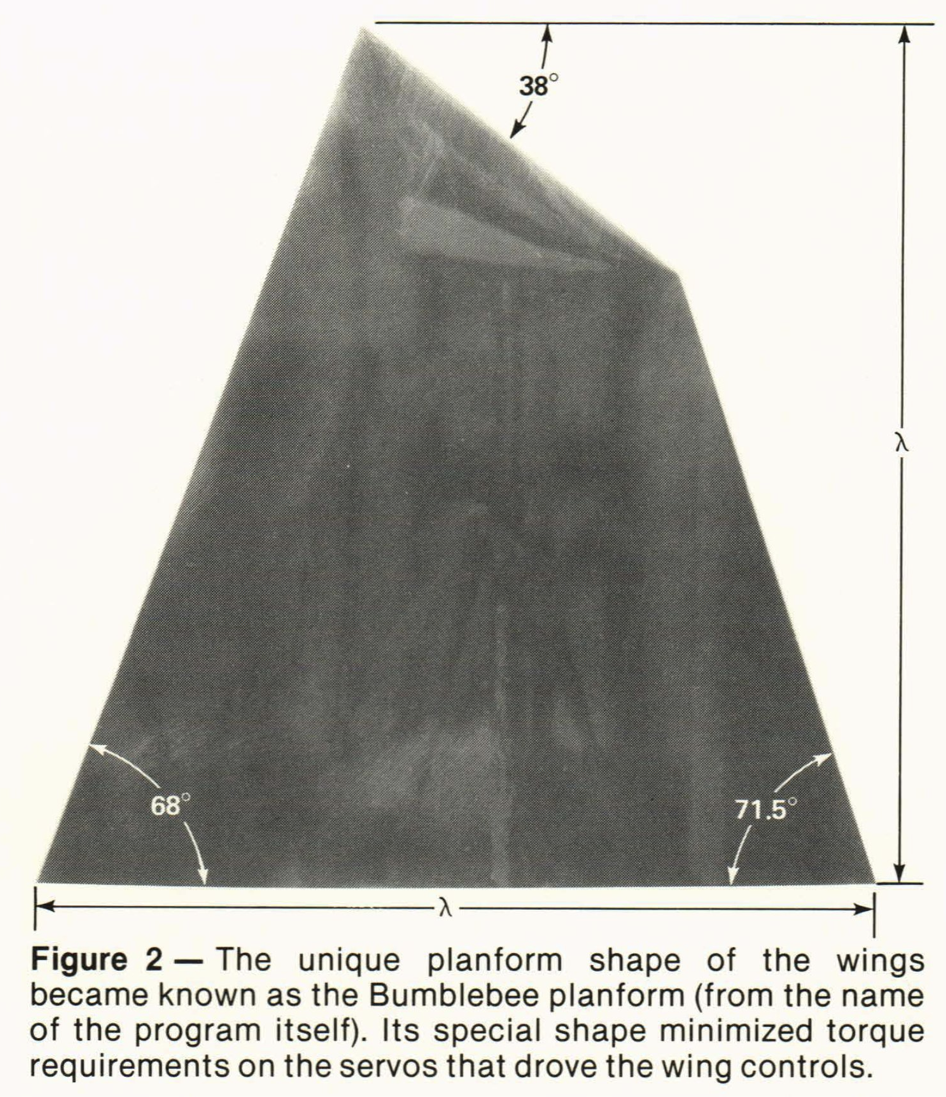
The missile employs a conventional “X-X” aerodynamic use Low-aspect-ratio strake wing with a Von Kármán nose profile that significantly reduces aerodynamic drag and aerodynamic loads.The design of the control surface shape using Bumblebee Planform, which originated from the Operation Bumblebee.
Specifications
Missile data
- Length: 15.5 ft (4.7 m)
- Diameter: 13.5 in (0.34 m)
- Wingspan: 42.0 in (1.07 m)
- Mass
Initial: 1,890 lb (857 kg)
Burnout: 1,069 lb (485 kg)
Flight performance
- Operational range: 150–250 mi+ (240–400 km+)
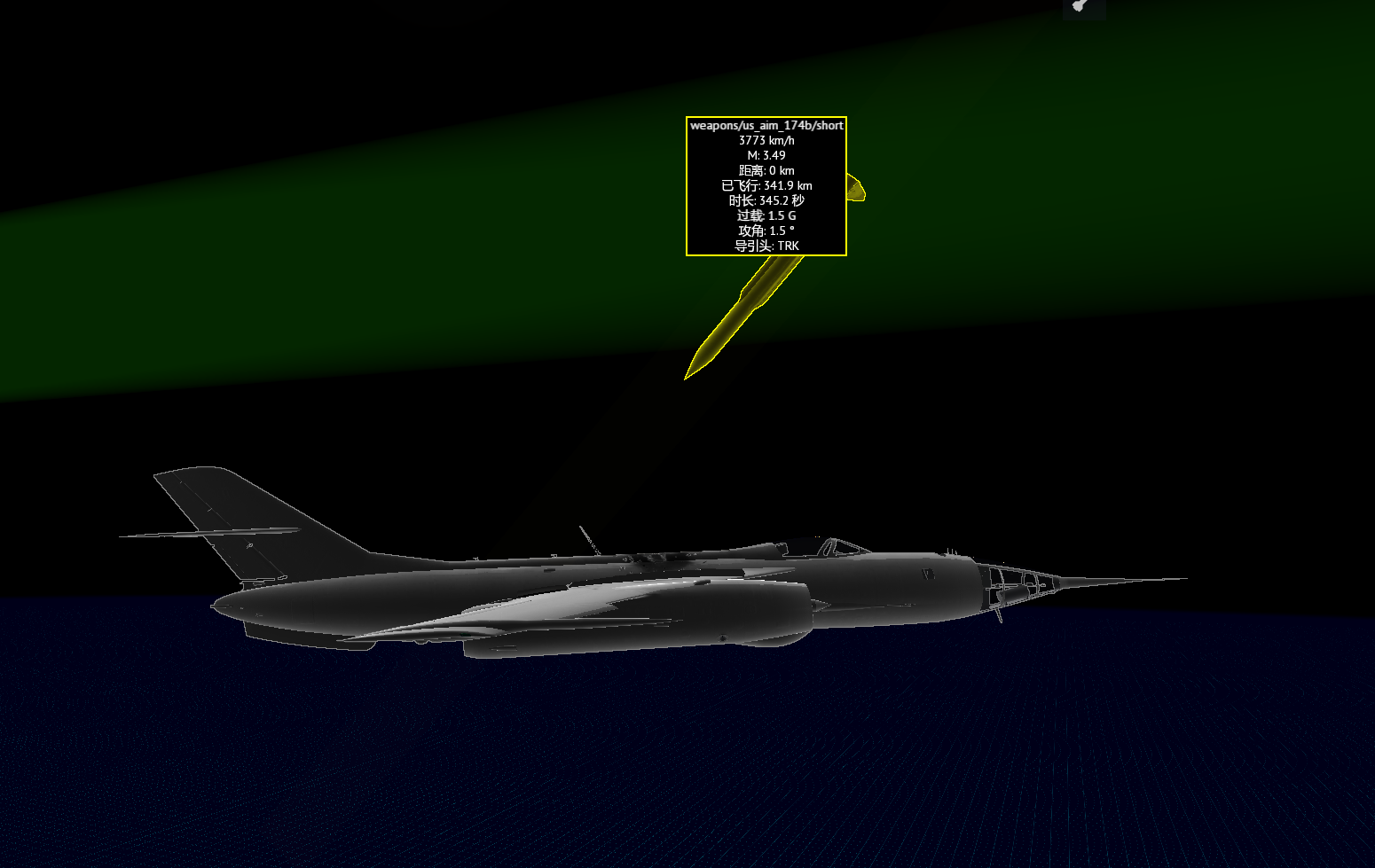
- Maximum speed: >Mach 3.5
- Maximum G-load: >38G (Simulation by the Luoyang Air-to-Air Missile Research Institute)
- Engine model: Atlantic Research Corp. Mk 104 dual-thrust rocket motor
- Missile total ΔV: 1364 m/s
Warhead:
- Warhead model: MK 125
- Warhead mass: 140 lb (64 kg)
- Warhead type: High-explosive blast-fragmentation
- Detonation mechanism: Radar proximity fuze and contact fuze
Guidance: ARH + IOG + GNSS + DL
Gallery


Sources
AIM/RIM-174 SM-6
RIM-174 SM-6 ERAM
RIM-156 SM-2ER Block IV
SM-6 missile(RIM-174 ERAM)
Performance Assessment and Operational Scenario Analysis of the AIM-174B Very-Long-Range Air-to-Air Missile – by Luoyang Air-to-Air Missile Research Institute
Mk 104
SM-2 Block IV