- Yes
- No

Good day all!^^
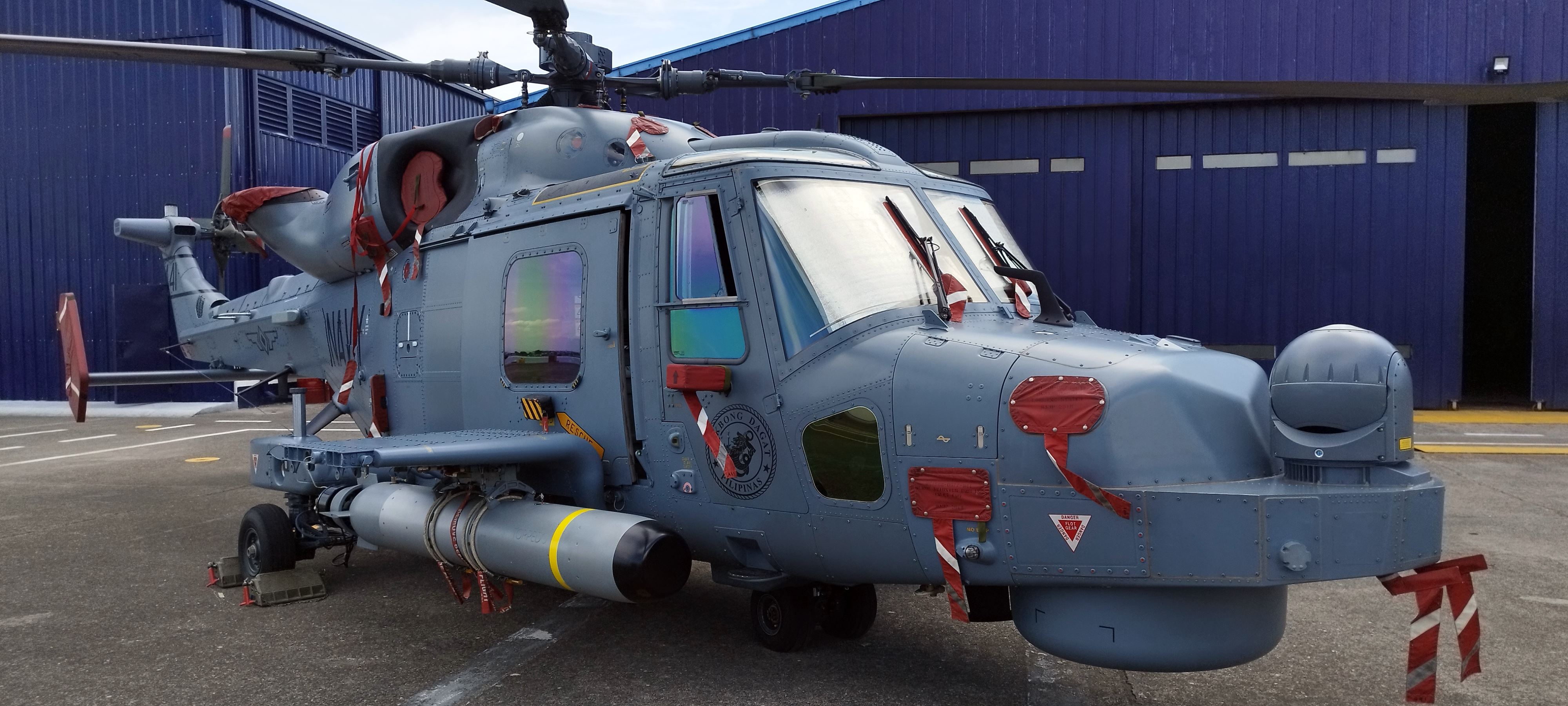
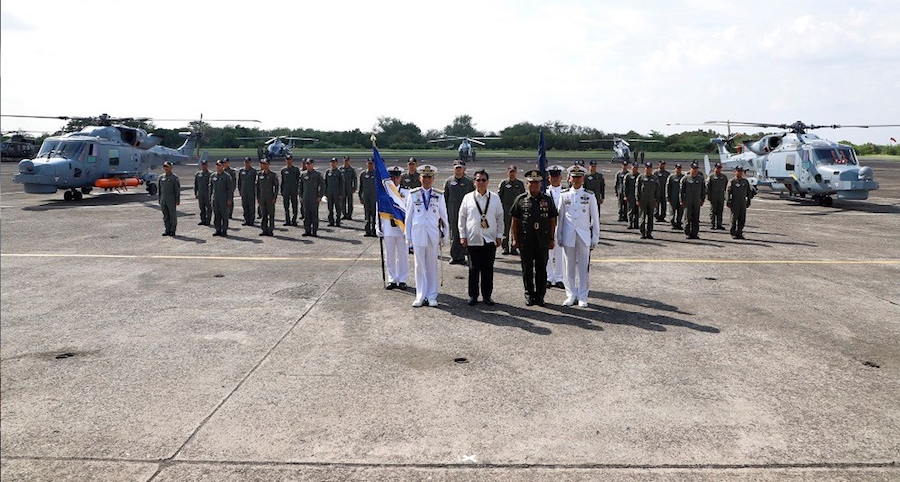
Today, I’d like to introduce another suggestion, the capable AW-159, as utilized by the Philippines. Partially represented in War Thunder as the AW159 HMA2, the variant purchased by the Philippine Navy differs in avionics and weapons compliment. This suggestion is not only for a hopeful representation in War Thunder, but also to inform of the great efforts in modernization made by the Philippines
Note:
- This is merely a suggestion for an aircraft who may be represented in the future, the specific timing is irrelevant
- Feel free to share any additional information you may have, as the AW159 under PN service always has the chance of changing, with interest in additional equipment.
- Feel free to inquire or correct me on anything that is incorrect or seems wrong
History & General Information
Infamously among Southeast Asia referred to as a laggard in military modernization, the Philippines initiated a revision of their stalled modernization program of 1995. In 2012, the Revised Armed Forces of the Philippines Modernization Act (RAFMP Act) programmed a funding scheme from 2013-2028 mandating an allocation of the national budget towards the acquisition of modern equipment, facilities, and training for the military.
Divided into three phases, the “Horizons” of the Modernization Program focused on major priorities allowing advancement of the armed forces’ capabilities. The foundational Horizon 1 focuses on upgrades to the military’s basic capabilities, disaster response, and filling critical equipment gaps. Horizon develops the nation’s credible external deterrence, upgrades the current arsenal, and aims for better air and sea surveillance capabilities. The ambitious Horizon 3 entails the acquisition of “big ticket items” for the security and defense of the Philippine’s sovereignty on land, air, and sea. Horizon 3’s primary goal is the procurement of advanced technology and systems to strengthen the AFP’s overall readiness. Horizon 3 was revised into Re-Horizon 3 after more “big ticket items” were deemed necessary to improve the infrastructure and defense capabilities of the AFP.
As part of RAFMP’s Horizon 1, the Anti-Submarine Helicopter Acquisition (ASHA) Project was undergone for the selection of a complimentary Naval Helicopter for the, at the time, concurrent Frigate Acquisition Project. The Department of National Defense (DND) approved priority acquisition for the Philippine Navy beginning in 2014. At least two bids were evaluated, the PT Dirgantara Indonesia-Airbus joint venture with Airbus’ AS565MBe panther, and AgustaWestland’s AW159 Lynx. AgustaWestland received a Notice of Award (NOA) in the first quarter of 2016, and a contract was formally signed by the DND on March 29, 2019. As part of the RAFMP’s Horizon 2 phase, 6 additional AW-159s were contracted to join the current service fleet of 2 after signing on December 29, 2025. Each helicopter is to serve in tandem with the growing fleet of Frigates in the Philippine Navy.

The AW159
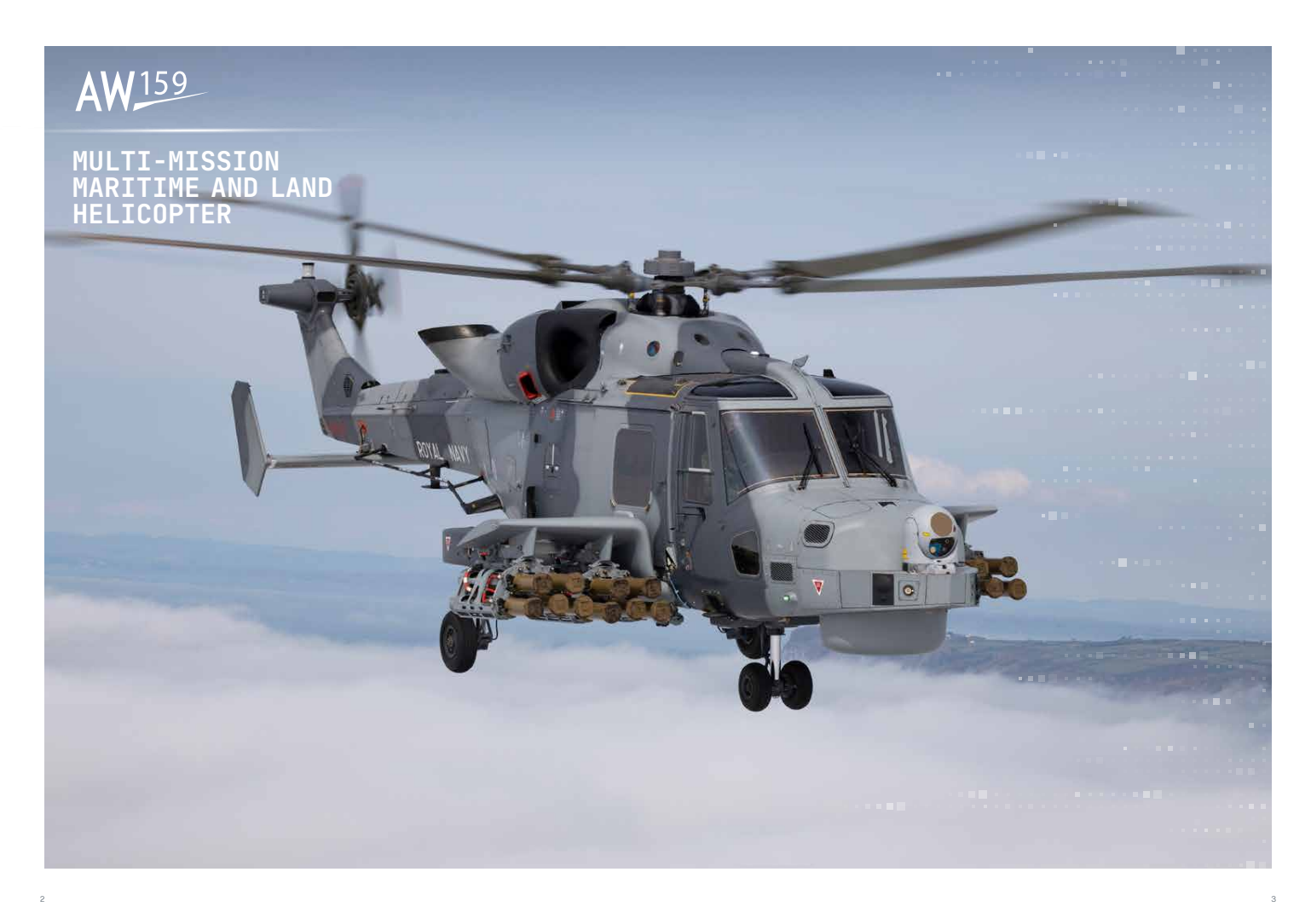
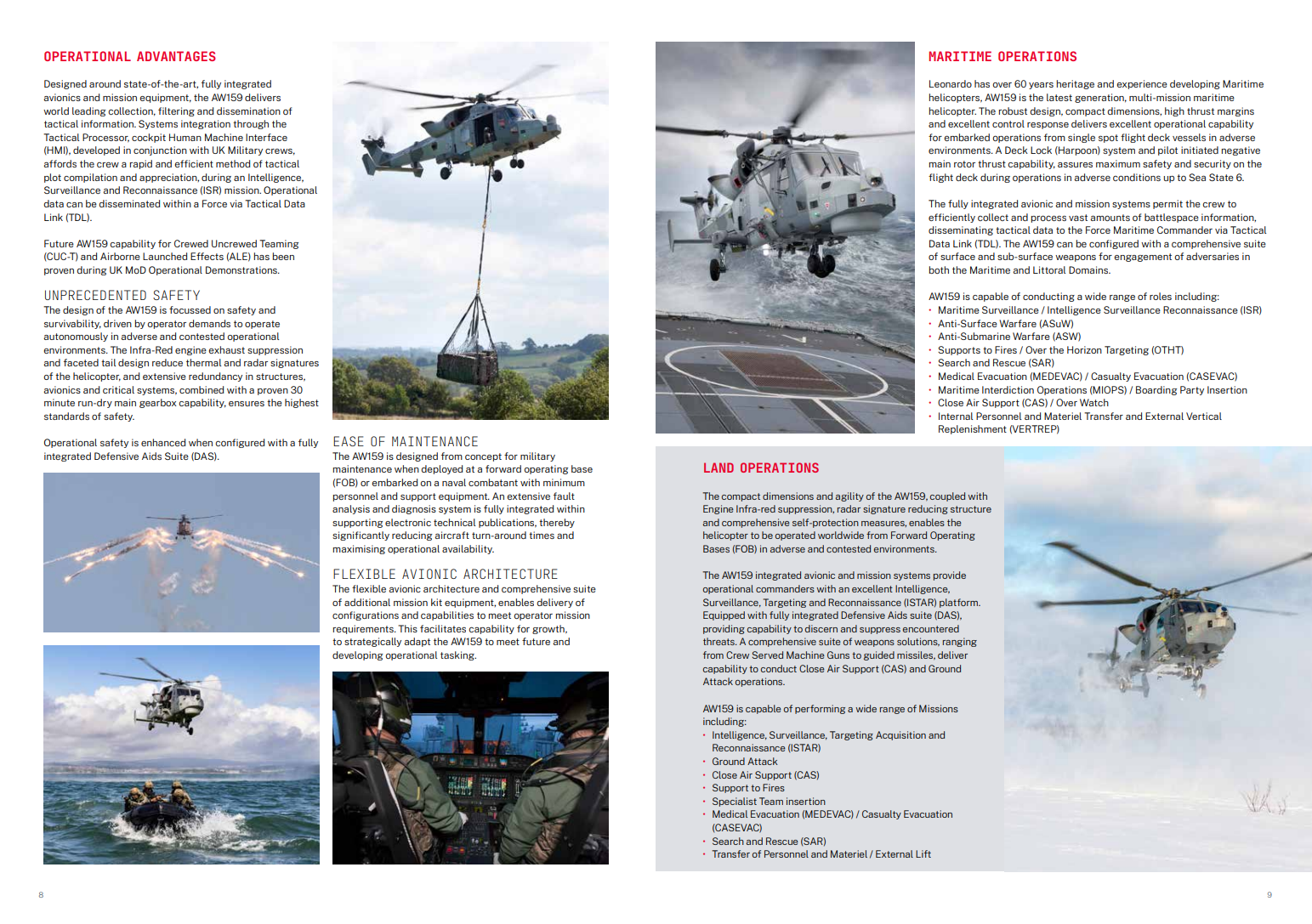
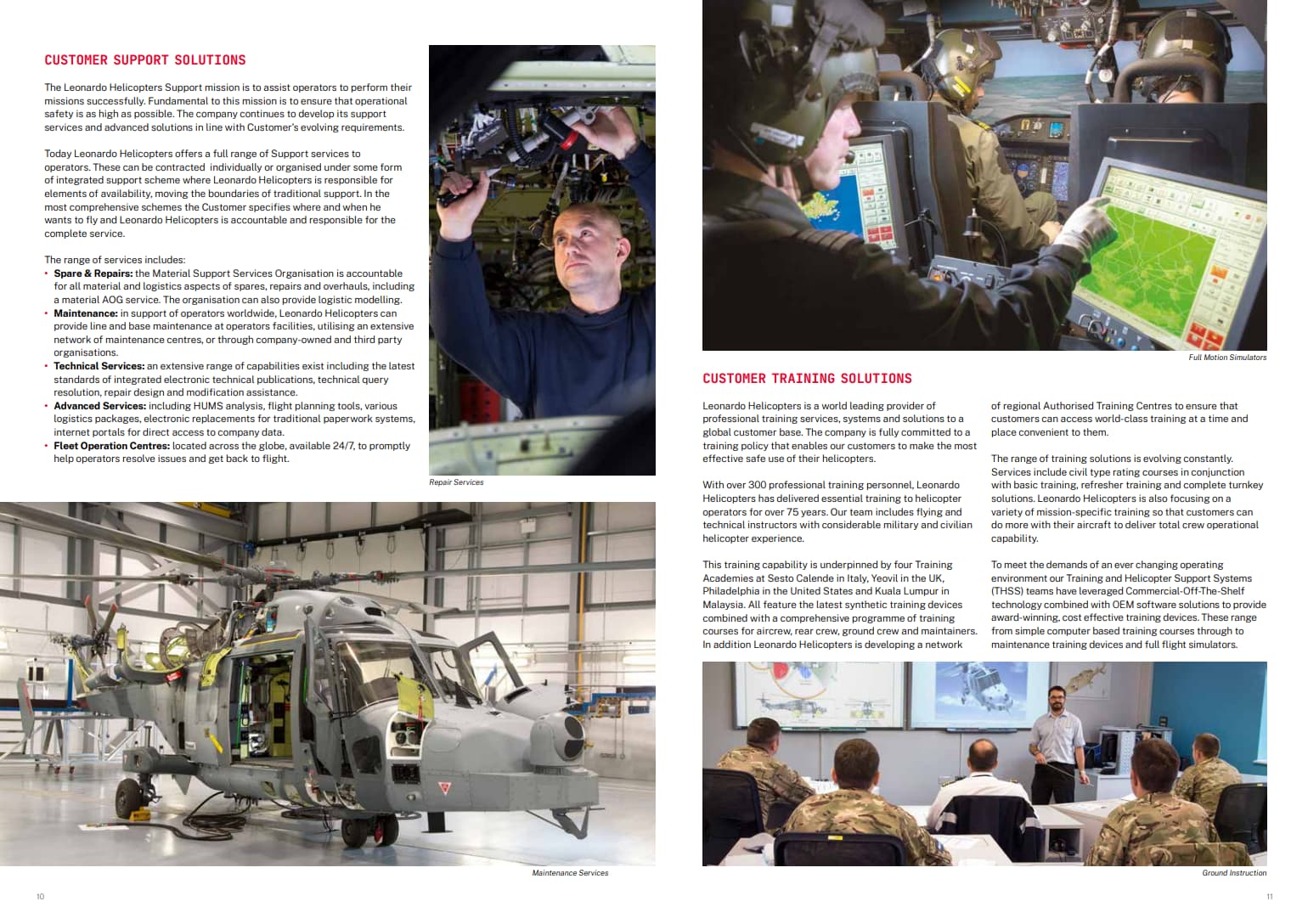
The Mk.220 acquired by the Philippine Navy aids in fulfilling the anti-submarine and anti-surface capabilities needed for a modern military. The AW159 is developed from the original Lynx, providing its users with a tested, compact aircraft integrated with the latest technologies for use in Maritime and Land-based operations.
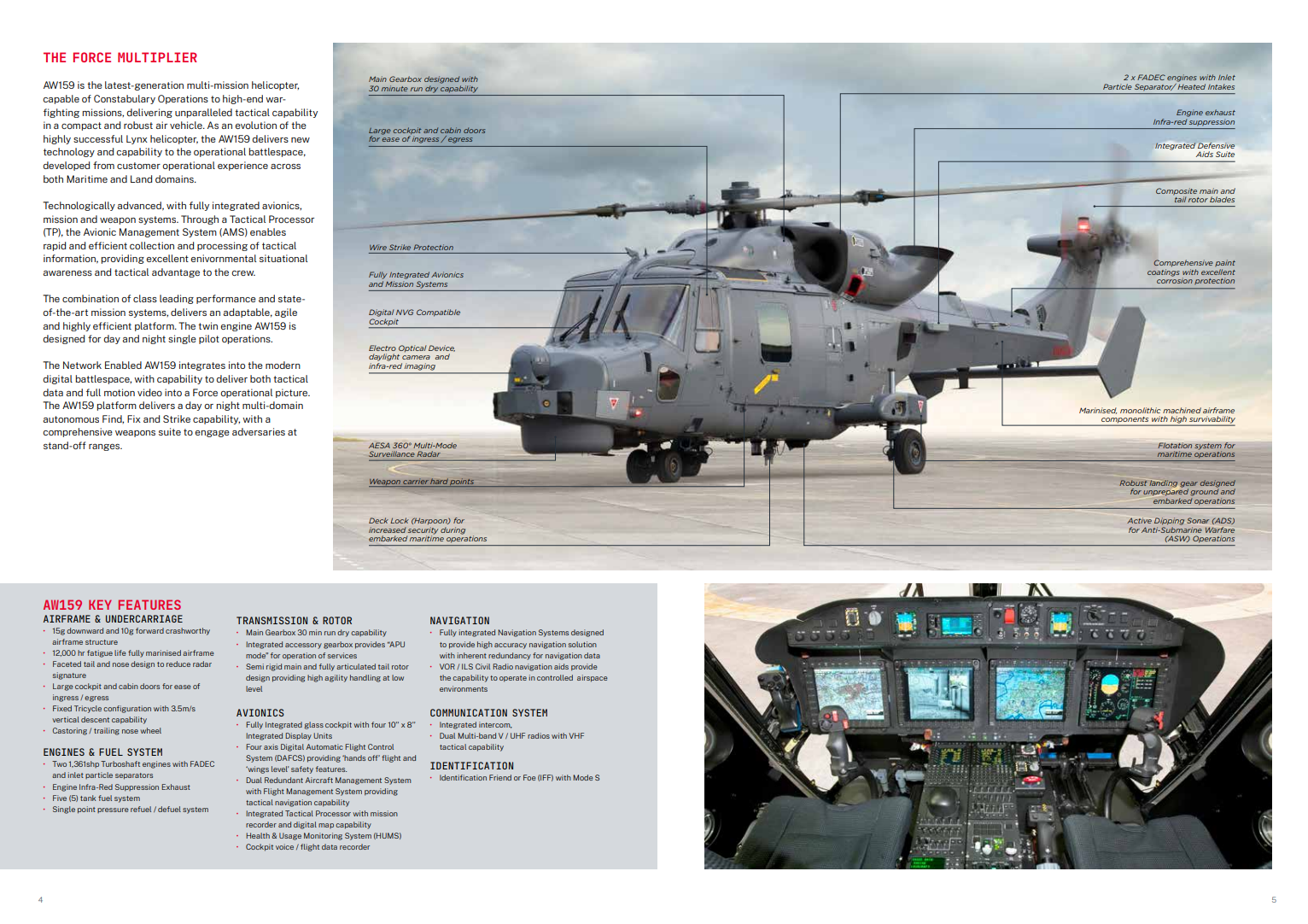
The standard AW-159 was designed around an advanced avionics and mission equipment suite, delivering world-class capabilities in dissemination of battlefield information and flexibility in configuration. The ability to adapt for an operator’s requirements with the capacity for growth solidifies the AW-159 ‘s role as the most advanced rotorcraft of the Philippine Navy.
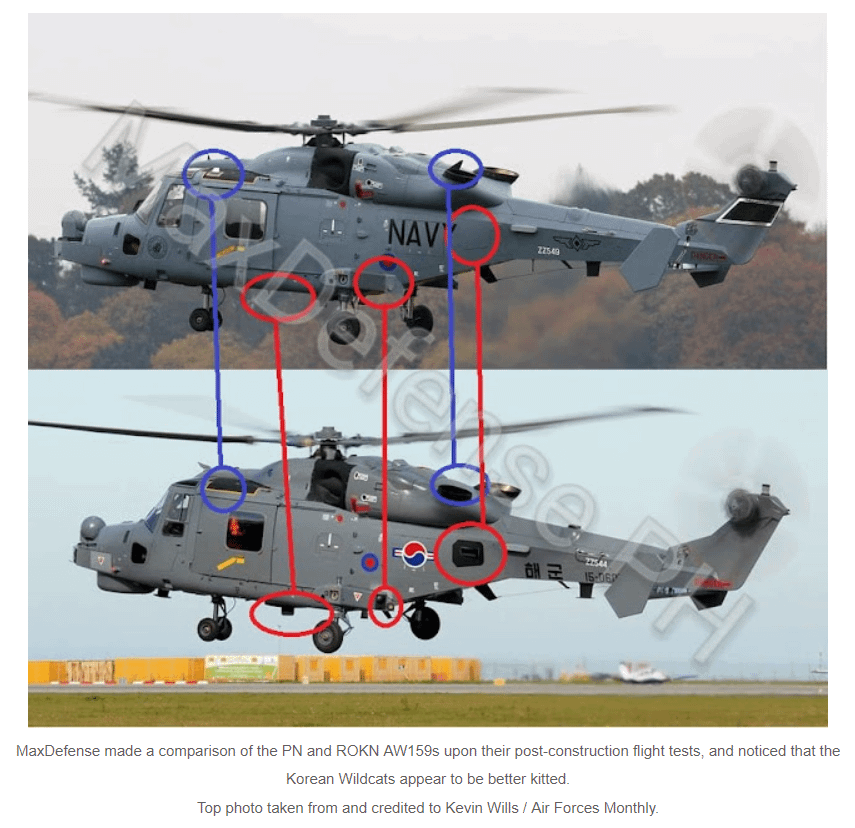
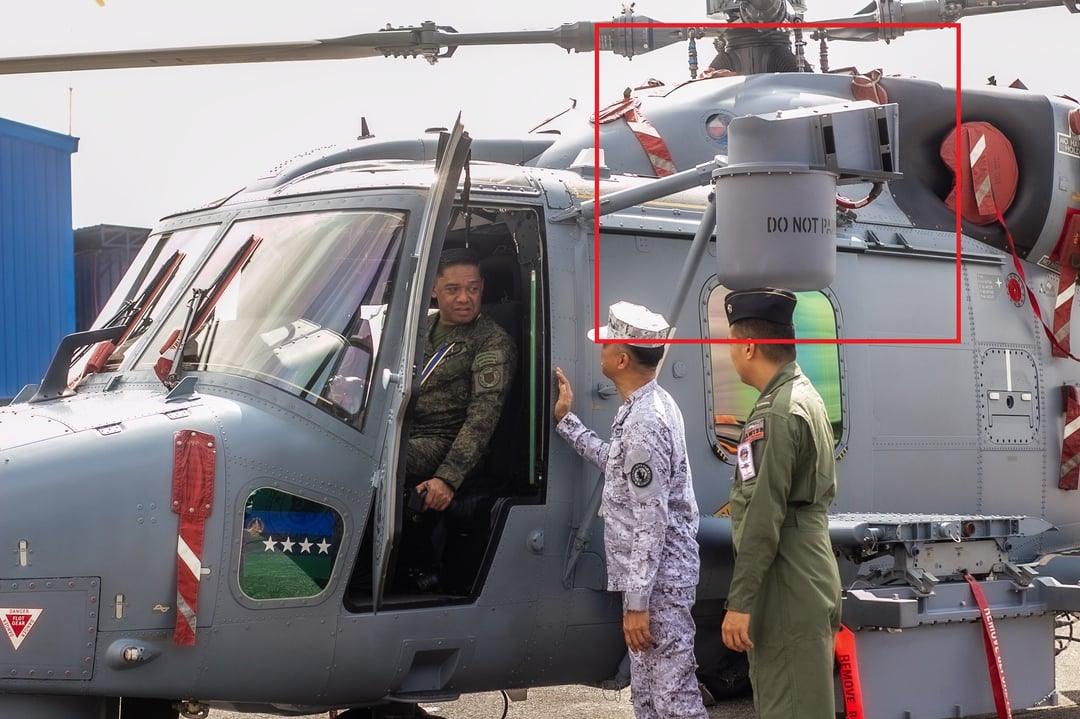
Interestingly, the armament configuration of the PN’s AW-159s resemble the equipment of South Korea’s AW-159s. To contrast, there’s a significant difference in avionics package, most notably, the HIDAS-15 Defensive Aids System is missing. Components such as countermeasure dispensers, a missile warning system, and a radar warning receiver are among the removed items from Philippine AW-159s. It’s reasoned certain components were removed to allow for initial purchases of base units to fulfill the objectives of Horizon 1 materiel in a timely and cost-effective manner. Due to the adaptability of the AW-159, and the trend of equipment acquired under the phases of the RAFMP, it is possible plans to purchase a more advanced configuration integrating DAS may arise in the future. A bulge is also missing from the helicopter’s belly, indicating a lack of dipping sonar. Extra Antennae appear to have been installed on Philippine Wildcats.

Armament of AW159 in Philippine Service
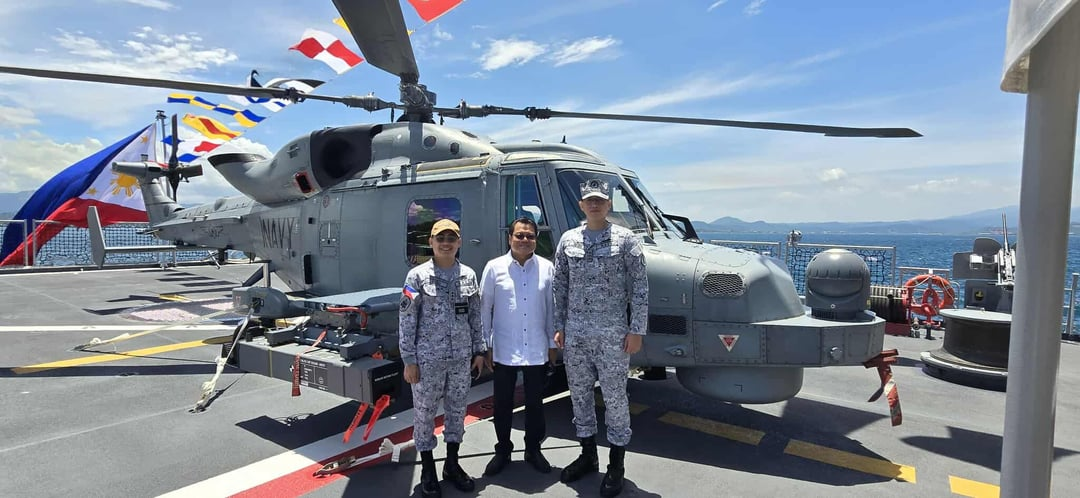
Air-to-Surface Missiles
4 x Spike NLOS
Anti-Submarine Warfare Munitions
2 x K745 Blue Shark Torpedoes
Specifications and Internal
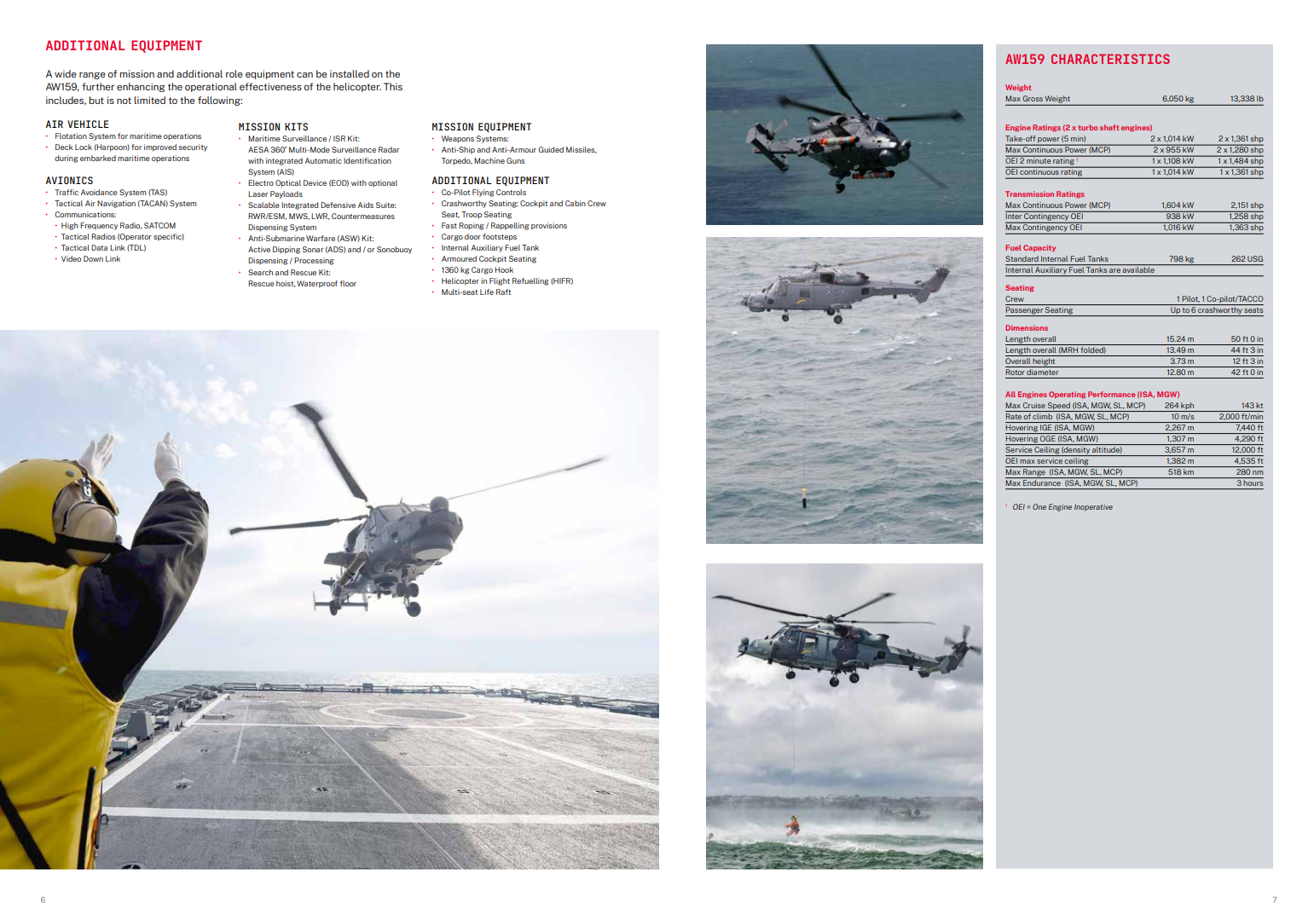
Crew: 2
Length: 15.24 meters
Overall Length (MRH folded): 13.49 meters
Overall Height: 3.73 meters
Main Rotor Diameter: 12.80 meters
Maximum Take-off Weight (MTOW): 6,050 kg
Powerplant: 2 x LHTEC CTS800-4N Turboshafts with FADEC Engines
Avionics: Wescam MX-15Di EOIR cameras, Seaspray 7400E AESA multifunction radar
Take-off Power: 2 x 1,014 kw
Maximum Cruise Speed: 264 km/h
Range: 518 km
Endurance: 3 hours
(HIGE) Ceiling: 2,267 meters
(HOGE) Ceiling: 1,307 meters
Rate of Climb: 10 m/sec
Service Ceiling: 3,657 km
Thanks for reading! More (important/declassified) information will be added when available.
Sources
Links:
Spoiler
Aviation Week
https://aviationweek.com/defense/aircraft-propulsion/philippines-acquires-six-asw-helicopters
Leonardo - Press Release
Leonardo - Products - AW159
MaxDefense Philippines
Leonardo AW159 Wildcat naval helicopter of the Philippine Navy ~ MaxDefense Philippines
PH Defense Resource - ASW Helicopters
PH Defense Resource - Torpedoes
Frigate Lot 3A - Torpedoes Acquisition Project of the Philippine Navy - Philippine Defense Resource
Republic of the Philippines Department of Public Works and Highways
US Pacific Fleet
Other: