9А332 Gibka-S: “Simple. Effective. What more do you need?”

(Polls are at the Bottom)
Overview
Hello Tankers!
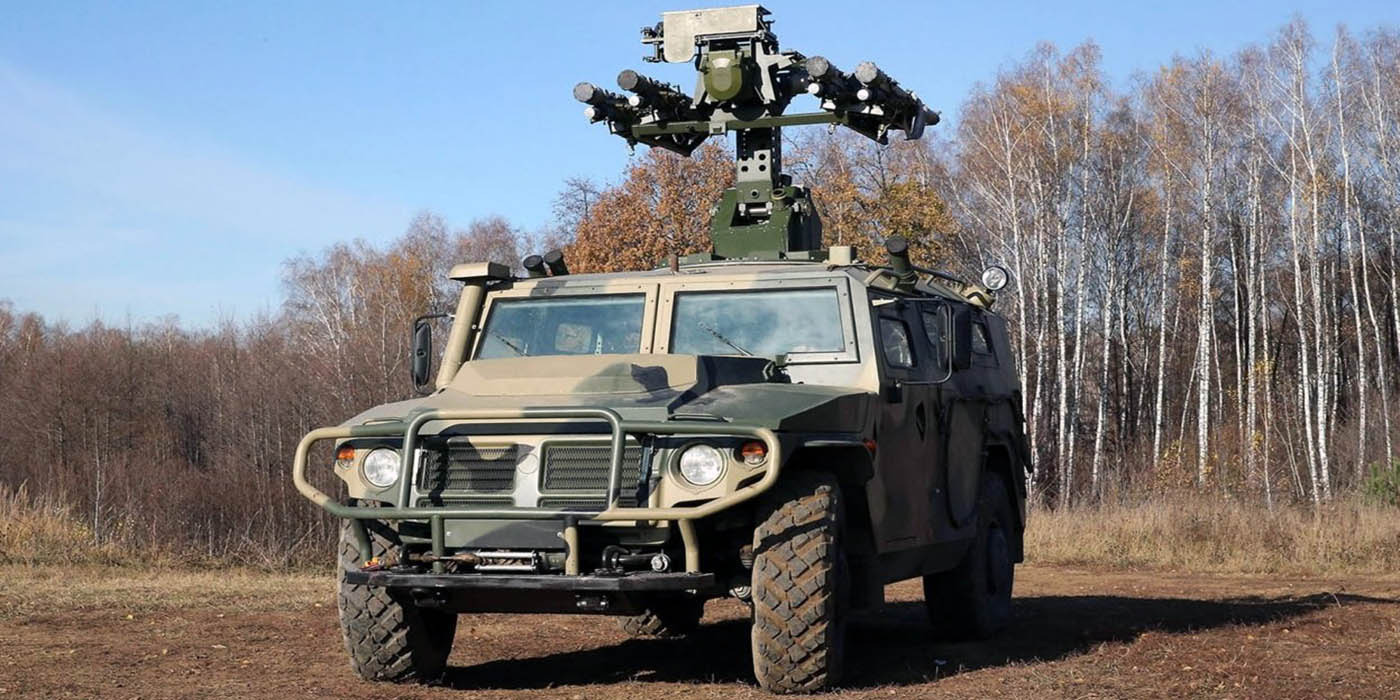
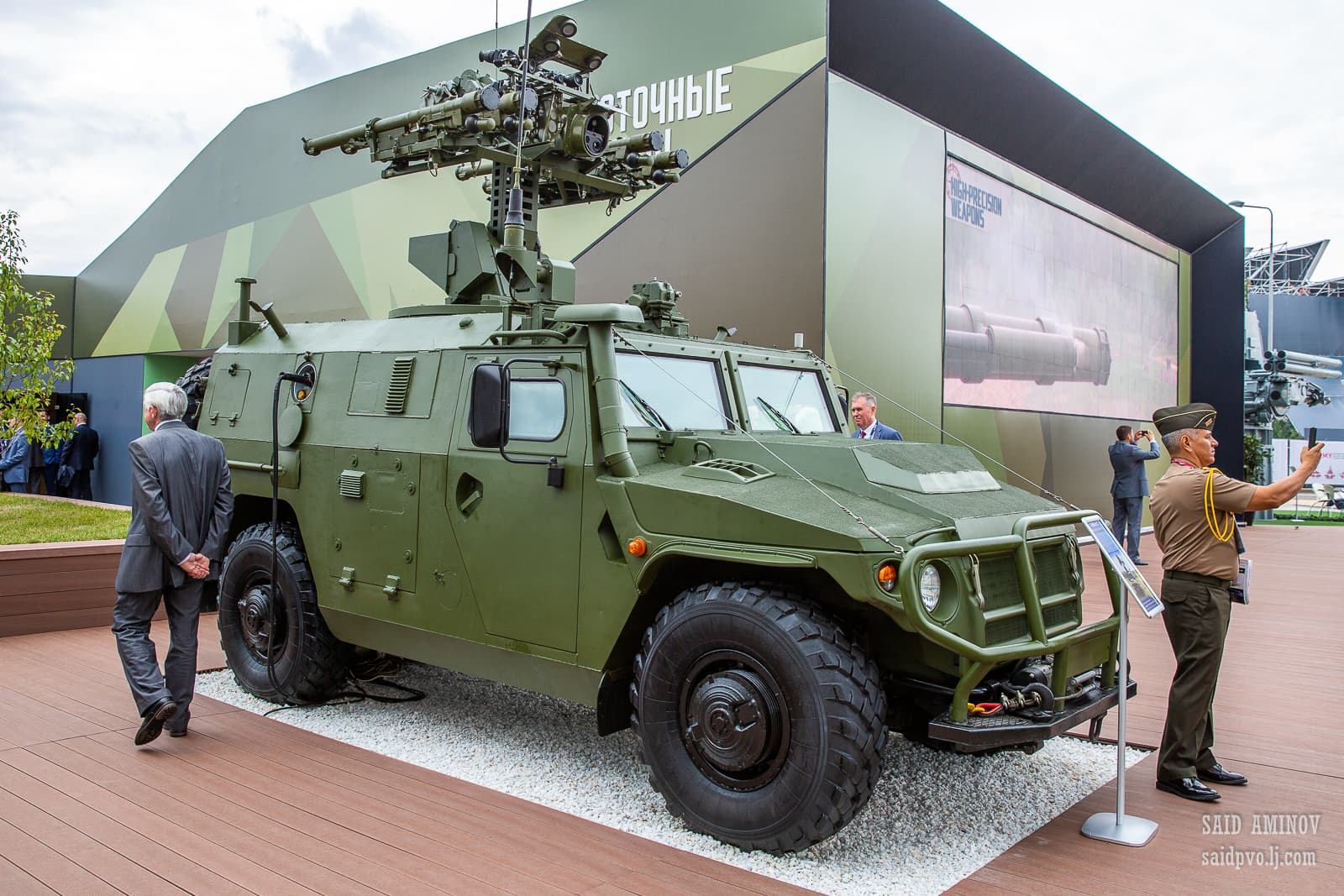
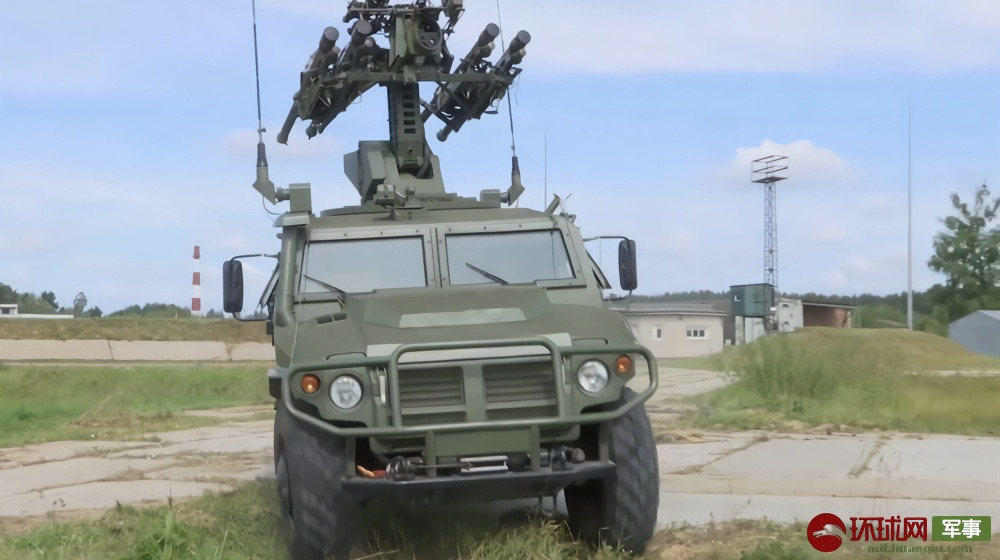
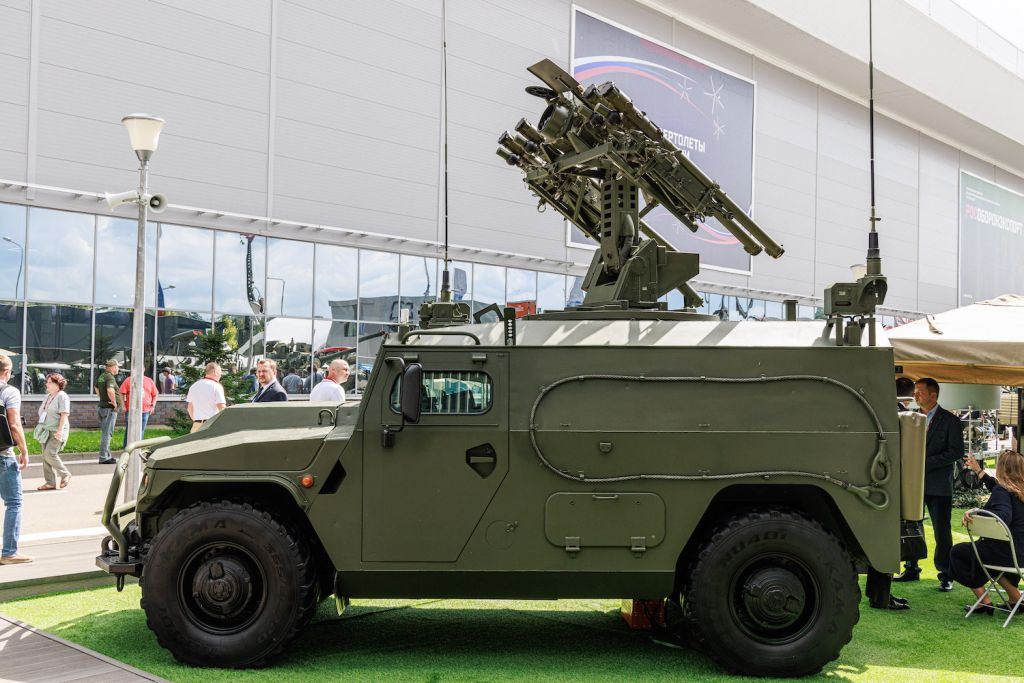
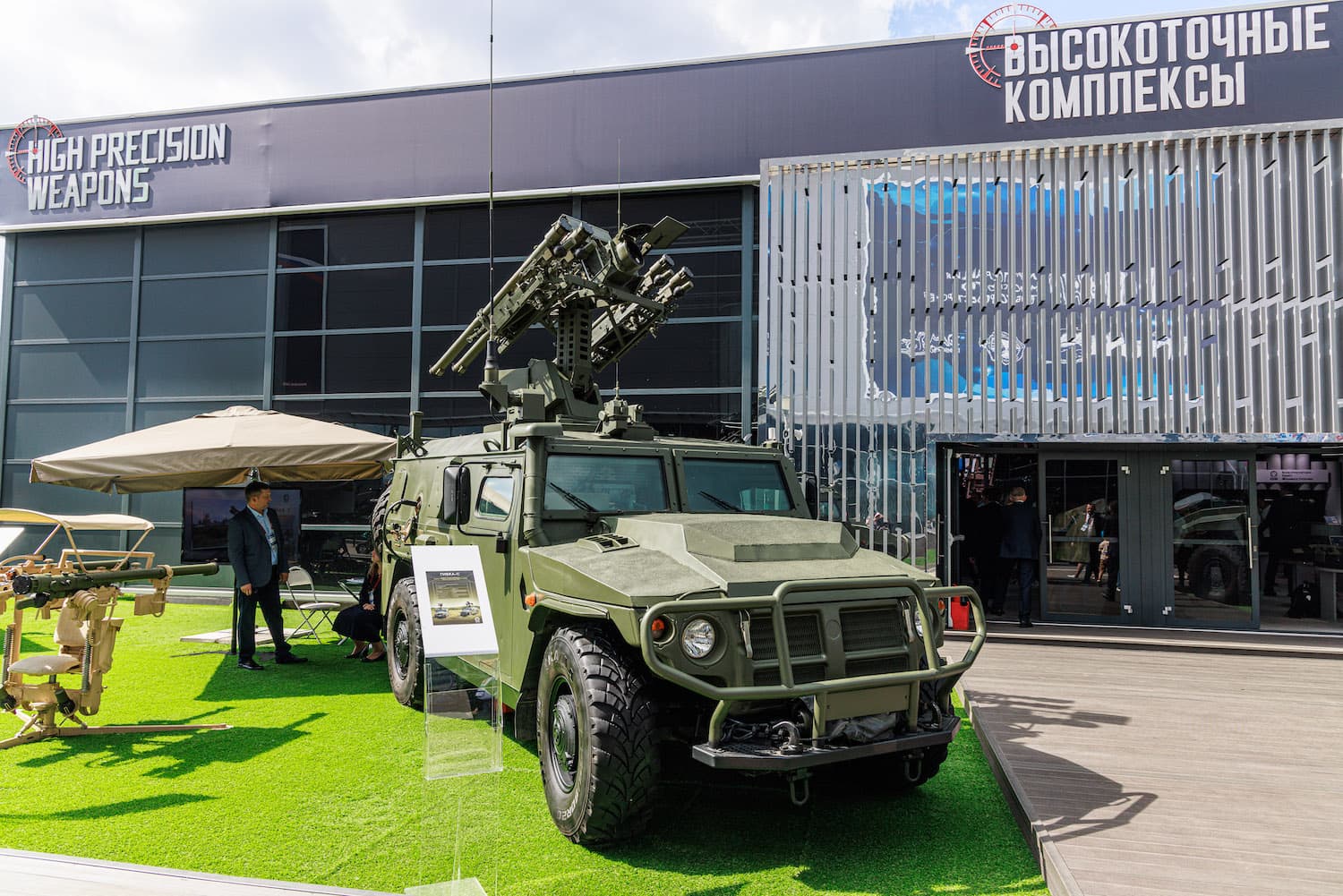
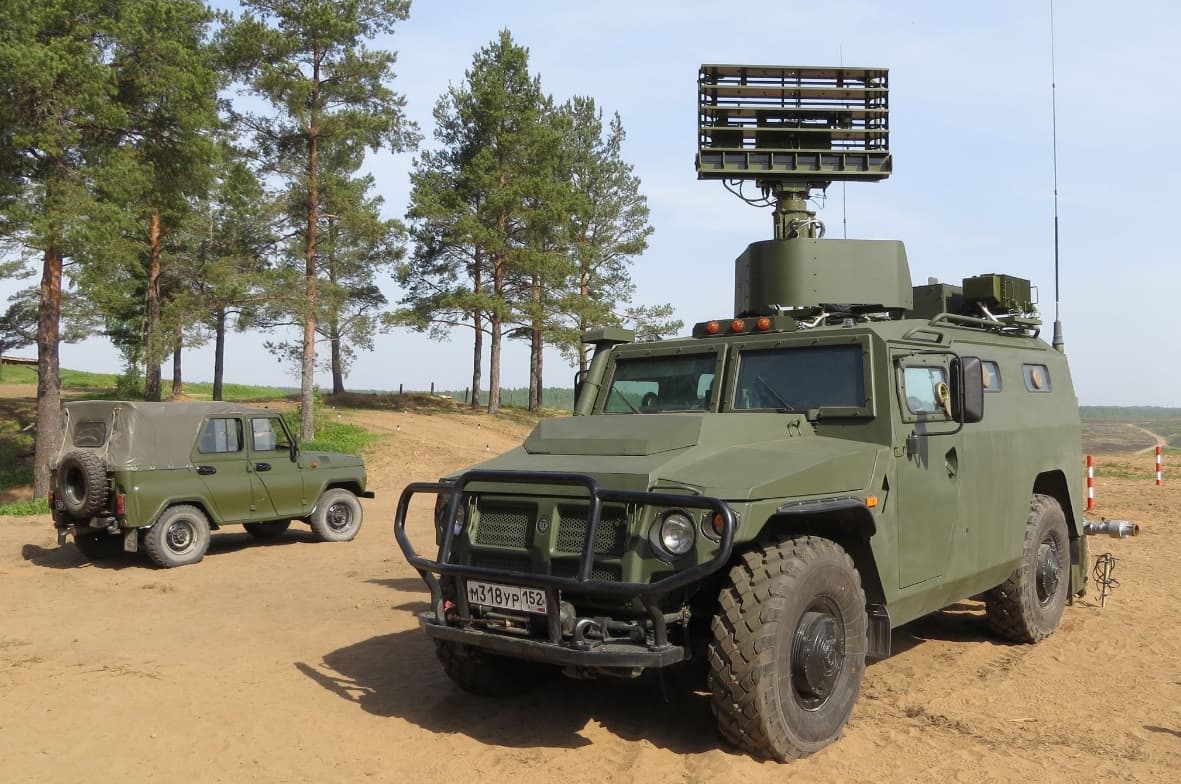
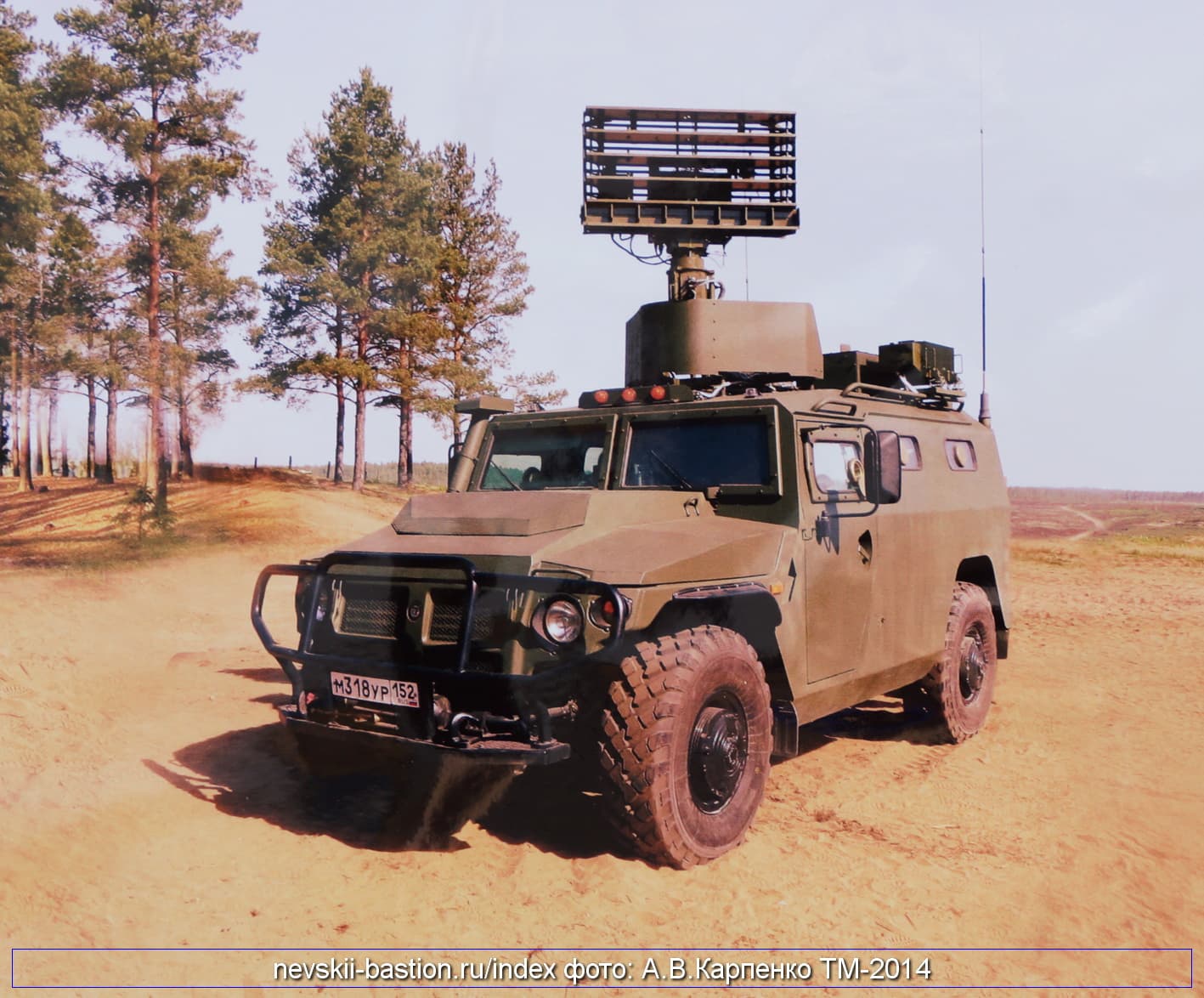
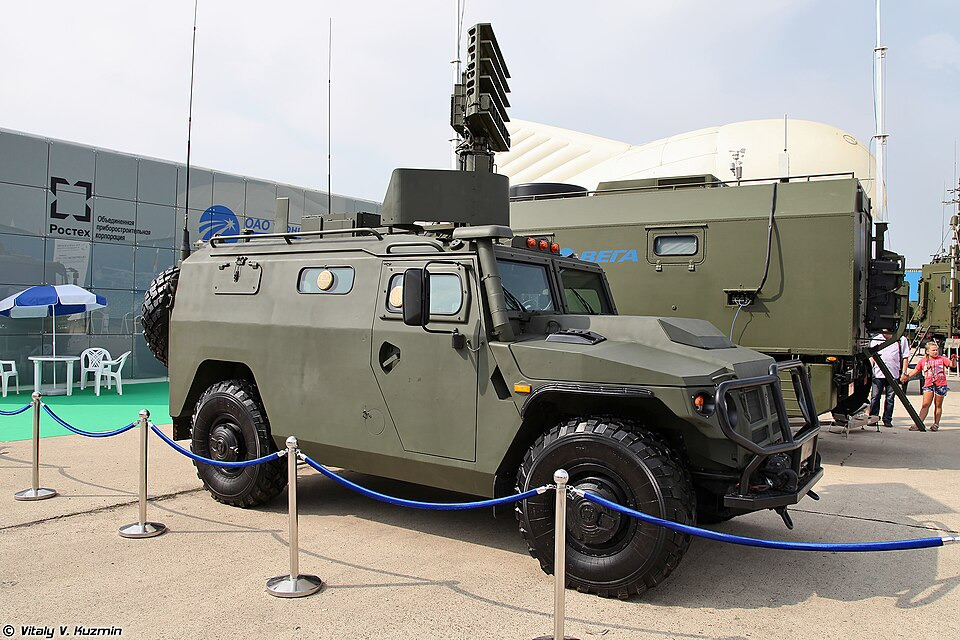
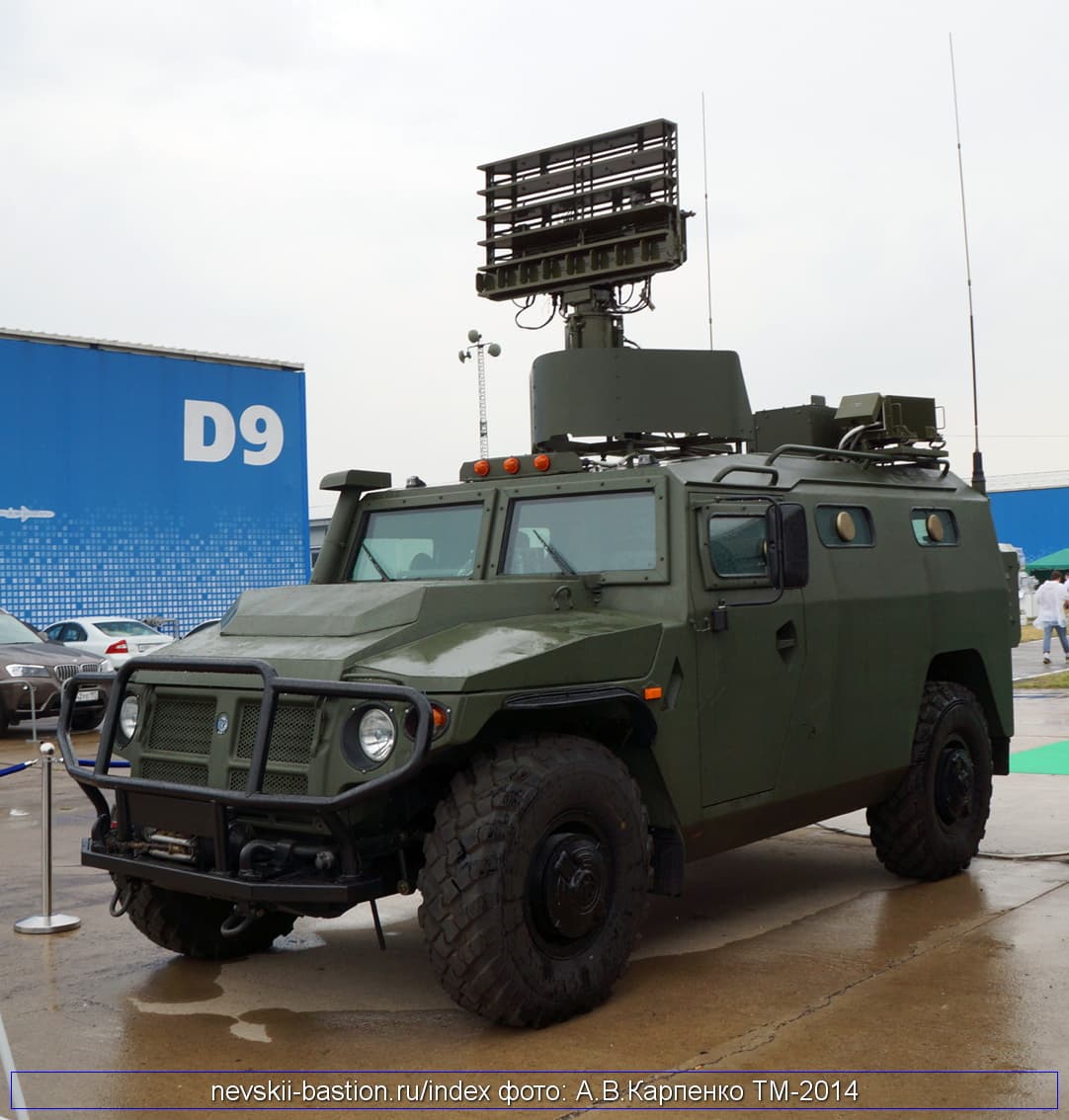
Today is an interesting suggestion! A newer VSHORAD system from the Russian Army, originally a Naval system brought to land! The Gibka-S is a Russian very short-range air defense system developed in the mid-2010s to mount existing MANPADS missiles on a mobile armored vehicle. It allows small air-defense units to detect, track, and engage low-flying threats like helicopters, drones, and cruise missiles while on the move or from short stops, improving reaction time and coordination compared to infantry-operated shoulder launchers.
Basic Information
Designation: Gibka-S
Role: Very Short-Range Air Defense (VSHORAD)
Crew:
-
Gibka-S TEL: 4 Crewmembers
-
Driver
-
Commander
-
2x MANPAD Gunners
-
-
Gibka-S CRCV TADS: 3 Crewmembers
-
Driver
-
Commander
-
Radar Operator
-
Designer: Machine-Building Design Bureau (KBM), NPP Rubin, FGUP NII prikladnoy akustiki, Gosudarstvenny ryazanskiy priborny zavod, Saratovskiy agregatny zavod, VNII Signal, and FGUP GosNIIAS
Manufacturer: Machine-Building Design Bureau (KBM)
Designed: ~2014
Number Built: 50+
Specifications
Dimensions:
-
Length: 5.6 m (18 ft 4.5 in)
-
Width: 2.4 m (7 ft 10.5 in)
-
Height: 2.4 m (7 ft 10.5 in)
Flying Performance:
-
Engine(s): 1x YaMZ 5347-10 / 5347-1 Diesel Engine
- 215 hp / 2600 rpm-1
-
Maximum Speed: 110 km/h (68 mph)
- Max Speed While Firing: 30 km/h (18 mph)
-
Maximum Range (Combat): 1,000 km (621 mi)
-
Gross Weight: 40,000 lbs (18,143 kg)
Armament:
-
Main Armament: 4x Ready-to-Launch MANPADS Missiles per vehicle (+ 8 missiles in storage)
-
9K333/9M336 Verba Missile
- Missile Mass: 11.7 kg (26 lbs)
- Warhead Mass: 1.5 kg (3.3 lbs)
- Warhead Type: HMX (Octogen)
- Max Speed: 1,400 km/h (870 mph)
- Max Range: 6.5 km (4.04 mi)
-
9K338/9M342 Igla-S Missile
- Missile Mass: 11.7 kg (26 lbs)
- Warhead Mass: 2.5 kg (5.5 lbs)
- Warhead Type: HMX (Octogen)
- Max Speed: 1,400 km/h (870 mph)
- Max Range: 6 km (3.73 mi)
-
Additional Information:
-
Radar System: 1x Garmon 1L122-2E small-size radar
- Frequency: L-Band
- Azimuth: +/- 360°
- Elevation: -5°/+45°
- Max Detection Range: 40 km (24.85 mi)
- Max Detection Altitude: 10 km (6.24 mi)
- Max Target Detection Velocity: 700 m/s (2520 km/h, 1565 mph)
Usage In Battles
The Gibka-S would be an interesting addition to WarThunder, being a much more close-range SAM system compared to contemporary multi-vehicle systems. Mobility would be its advantage, being able to rapidly deploy and relocate, as well as having a shoot-on-the-move capability. It would be hindered by its armament, which is rather small-caliber compared to other soviet missiles.
Pros:
-
Powerful Radar
-
Mobile Vehicle
Cons:
- Weak missiles
History
From the Sea to Land…
The Gibka VSHORAD System originally started out as a modular air defense system for the Russian Navy, taking existing MANPAD systems and mounting them to a stabilized and integrated platform for faster detection and response times.
Around 2010, the Russian Army began experimenting with creating a land-mobile VSHORAD system using the Gibka system, driven by the need for a new platform to counter the rise of low-flying helicopters, UAVs, and cruise missiles, as well as the need to modernize legacy MANPADS units, providing networked fire control and armored mobility.
By 2014, the project would fall under the development of what would become Gibka-S, being overseen by KBM (Machine-Building Design Bureau), part of Rostec’s high-precision weapons portfolio.
The Big Reveal…
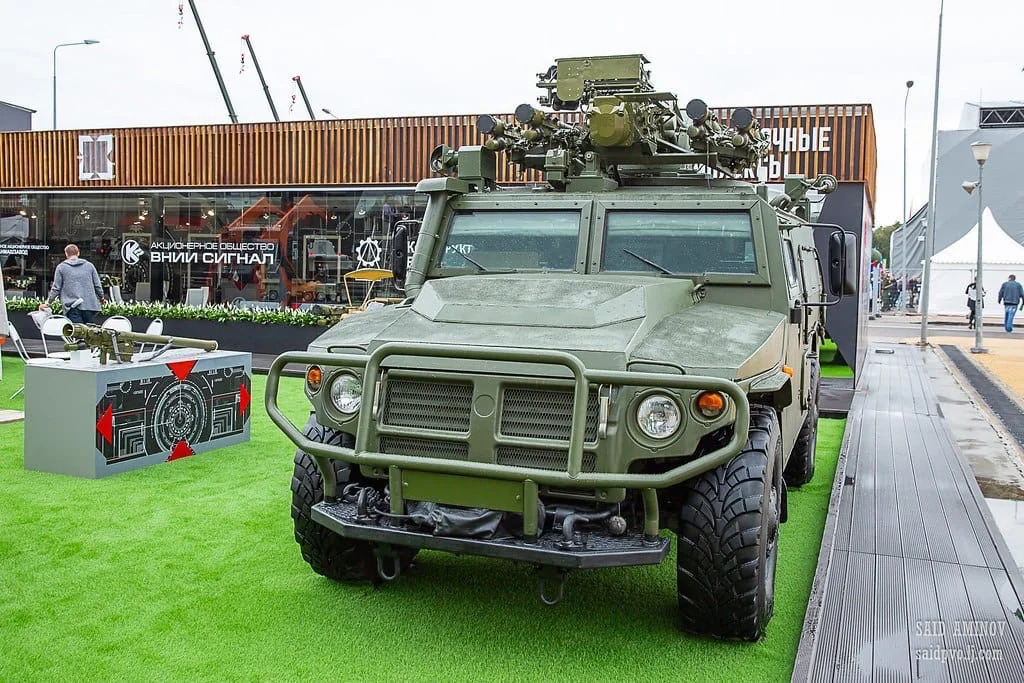
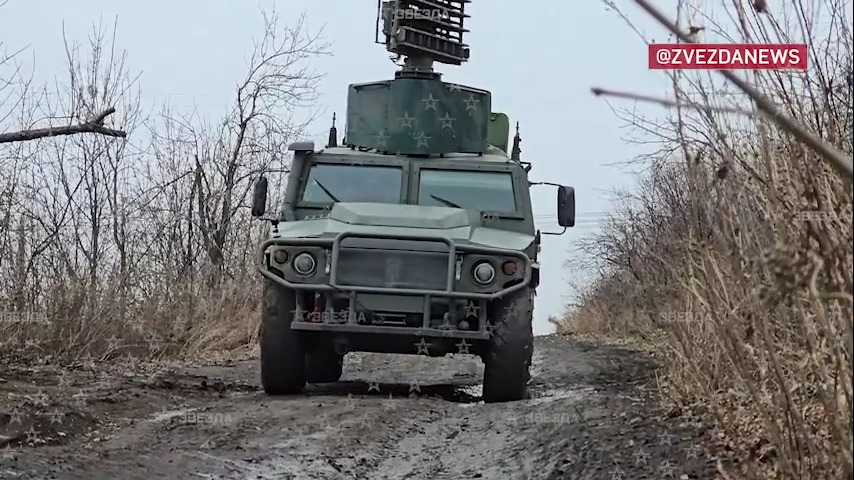
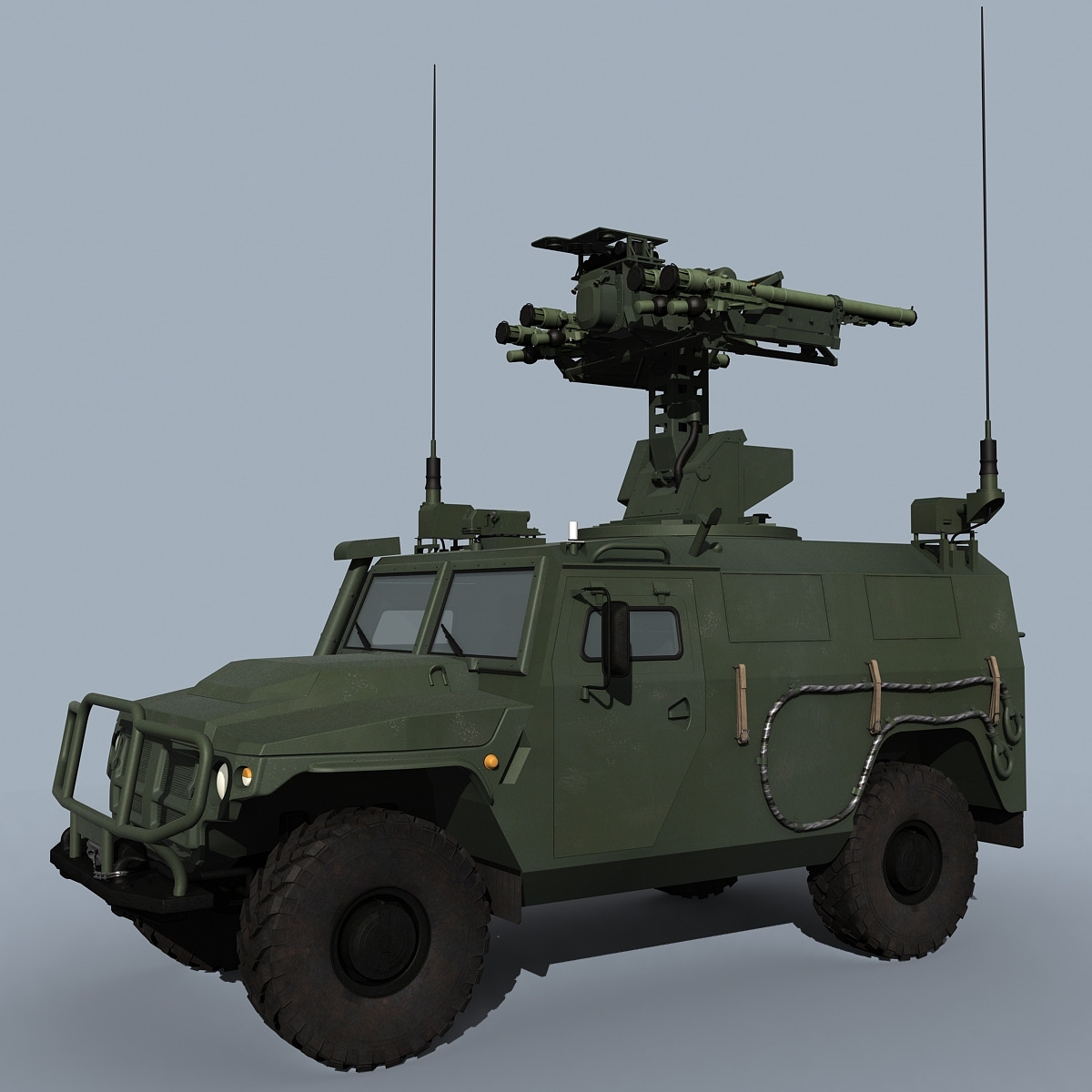
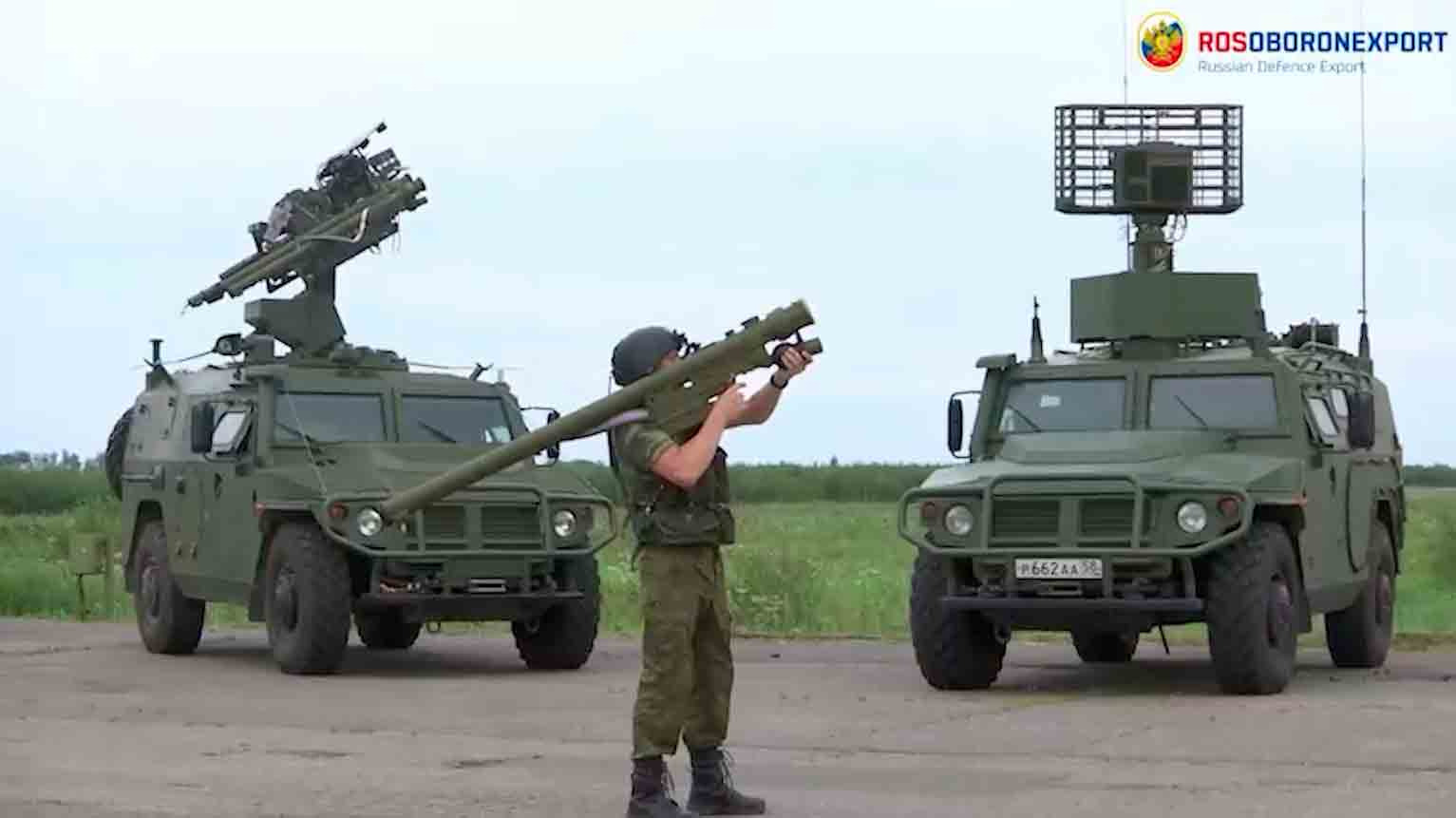
The Gibka-S system would be unveiled publicly in 2016, when KBM completed the first recognizable version of the Gibka-S land-based platform mounted on the Tigr-M chassis. Designated the 9A332, on the roof would be a modified variant of the naval Gibka system, a remote weapon station capable of carrying Igla-S or the newer Verba MANPADS.
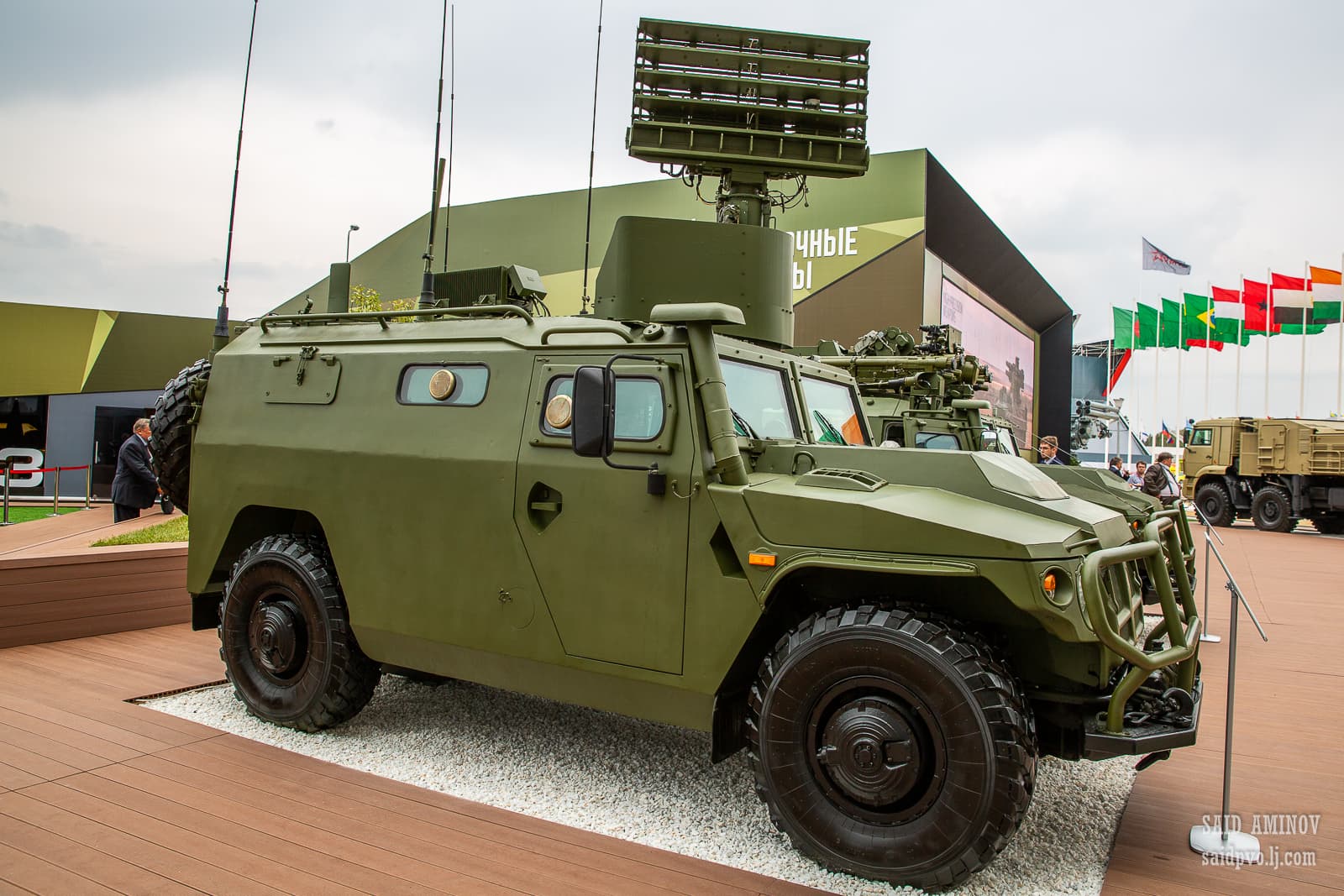
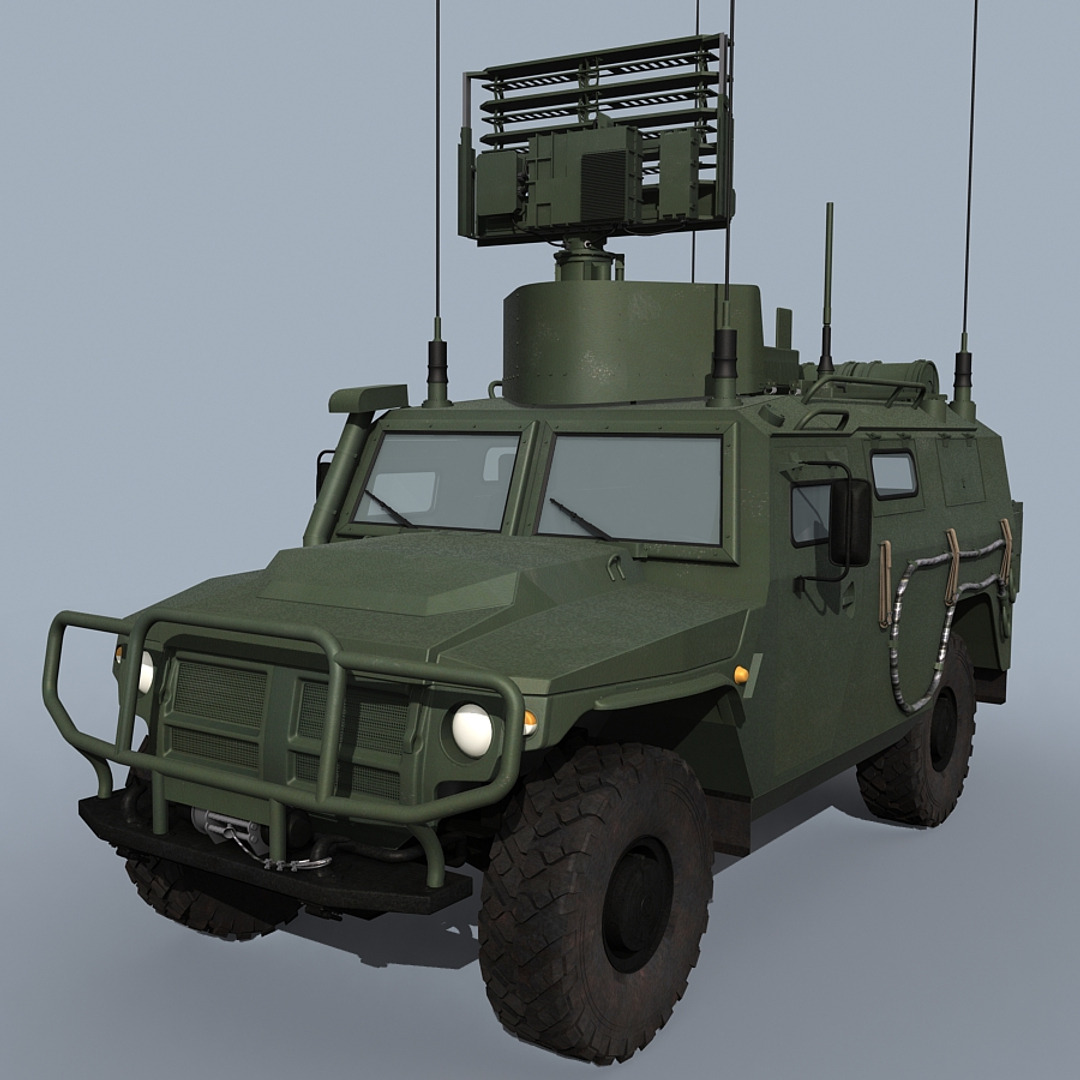
In addition to the launch vehicle, the System would have a radar vehicle designated the 9S937 Commander’s Reconnaissance and Combat Control vehicle (CRCV). Instead of the Gibka launcher, it carried a Garmon 1L122-2E small-size radar, capable of detecting targets up to 40km away and 10km in altitude, coordinating with up to 6 launcher vehicles in its battery.
By 2018, Gibka-S entered state testing, where it underwent structured military trials to evaluate its mobility, missile launch performance, and integration with reconnaissance and targeting systems. These trials were part of Russia’s broader push to upgrade short-range air defense following lessons from Syria, where drones and precision munitions became increasingly prominent threats.
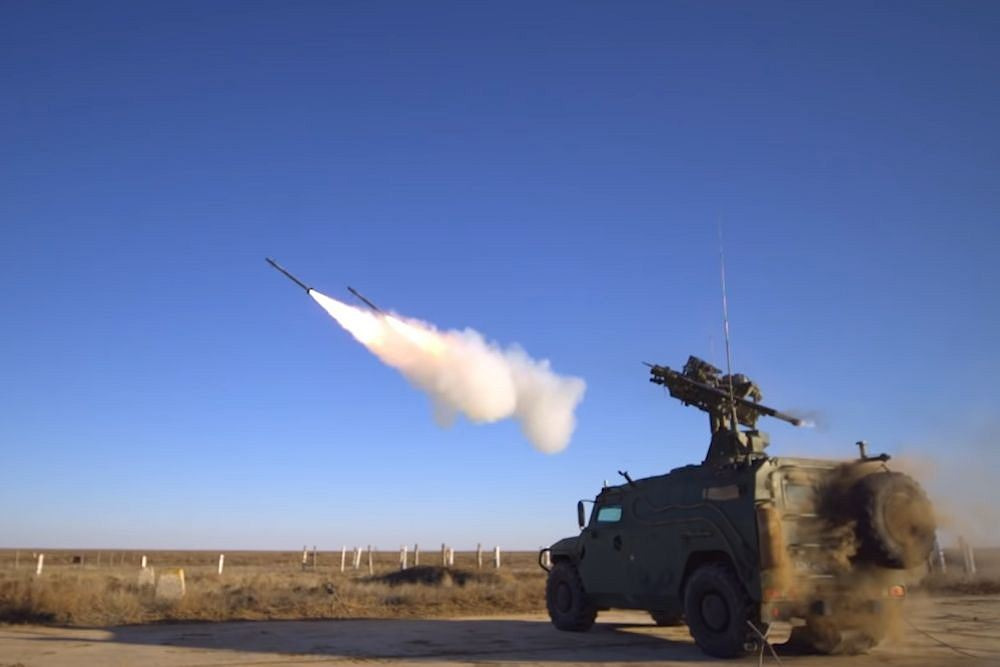
In 2019, the Gibka-S would complete its state acceptance trials at the Kapustin Yar test range. According to defense reporting, the system successfully demonstrated the ability to engage aerial targets while moving at speeds up to 30 km/h, validating its “shoot-on-the-move” capability, being approved for limited production and service.
Entering Service…
After the successful 2019 trials, the system entered a refinement and pre-production phase. Reports initially suggested that early deliveries would begin in 2020, but this was delayed due to final adjustments and integration work.
By December 2021, the Gibka-S officially entered serial production, with Rostec confirming that the system was ready for both domestic service and potential export variants. By this point, it was formally recognized as Russia’s first vehicle-mounted VSHORAD system produced at scale.
Although production began in 2021, actual troop deliveries did not proceed smoothly. Reports indicate that no operational units were widely fielded in 2022, despite initial expectations. It was not until late 2023 that the first meaningful deliveries began reaching Russian forces, and even then, the numbers appear limited. By 2024, open-source analysis suggests only a small number of batches had been delivered, with the system appearing only sporadically in combat zones.
This slow rollout has led analysts to describe Gibka-S not as a mass-deployed air defense system, but as a niche, limited-production platform, likely used to supplement systems like Tor-M2 or Pantsir-S1 rather than replace them.

Sources
Gibka-S Self-Propelled Very Short-Range Air Defence (VSHORAD) System
Tigr (military vehicle) - Wikipedia
SAM “Gibka-S” in production, in service and in Special Operations
deagel.com/Armies/Gibka-S/a003349
Image Sources:
Well, that’s all! Happy Flying!
- Yes
- No
- Tech Tree
- Premium
- Event
- Battle Pass
- Squadron
- I Said No
- 9.0
- 9.3
- 9.7
- 10.0
- 10.3
- 10.7
- 11.0
- Other (Explain in Comments)
- Again… No.