- Yes
- No

History
History
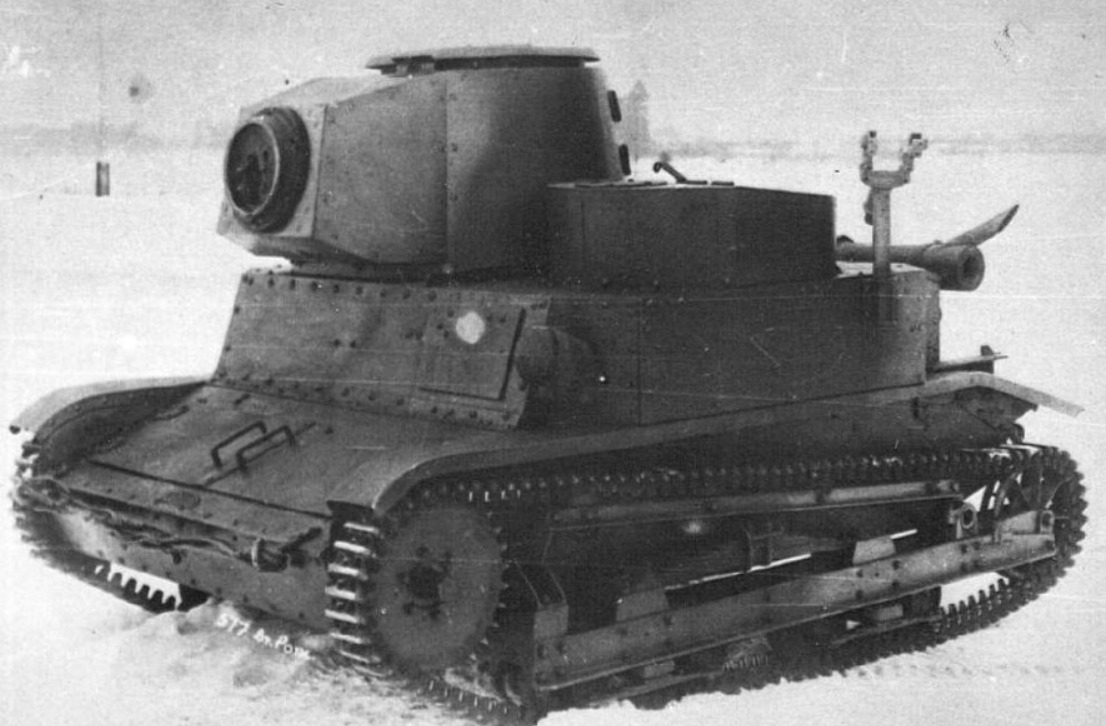
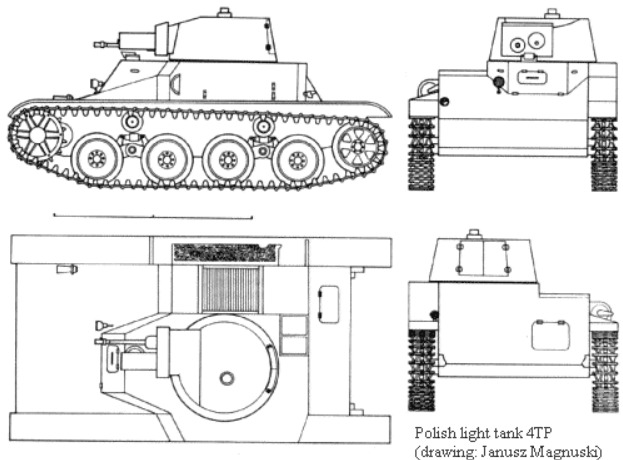
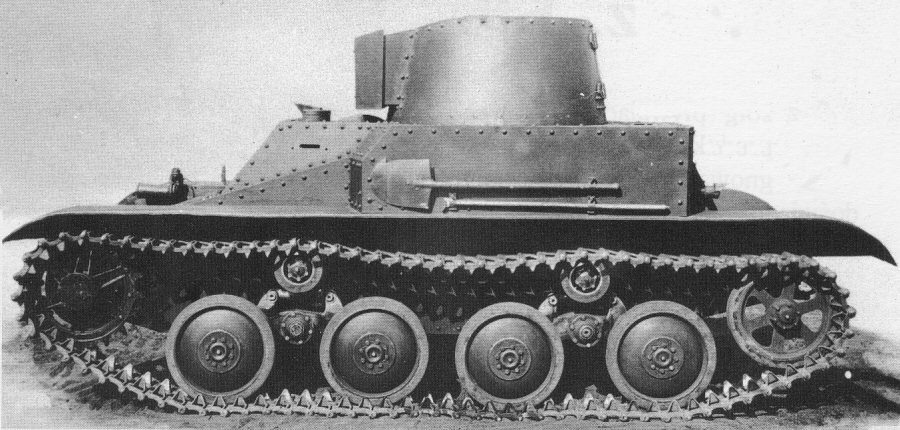
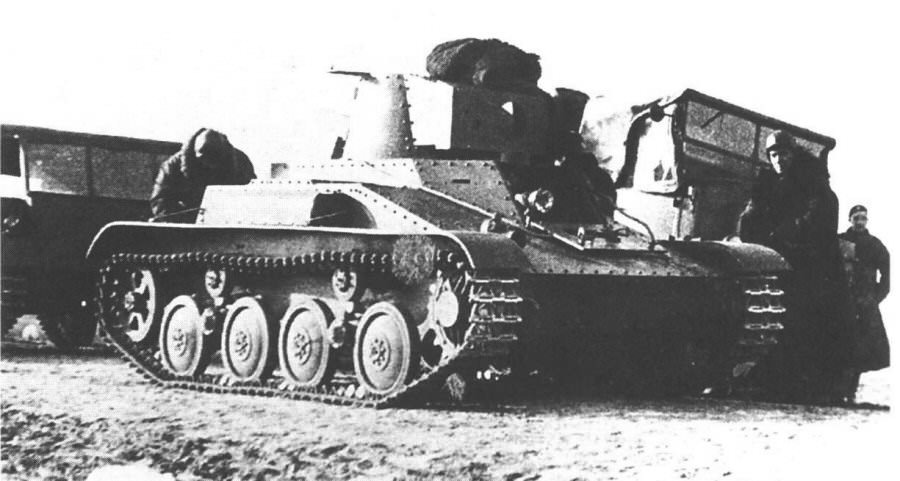
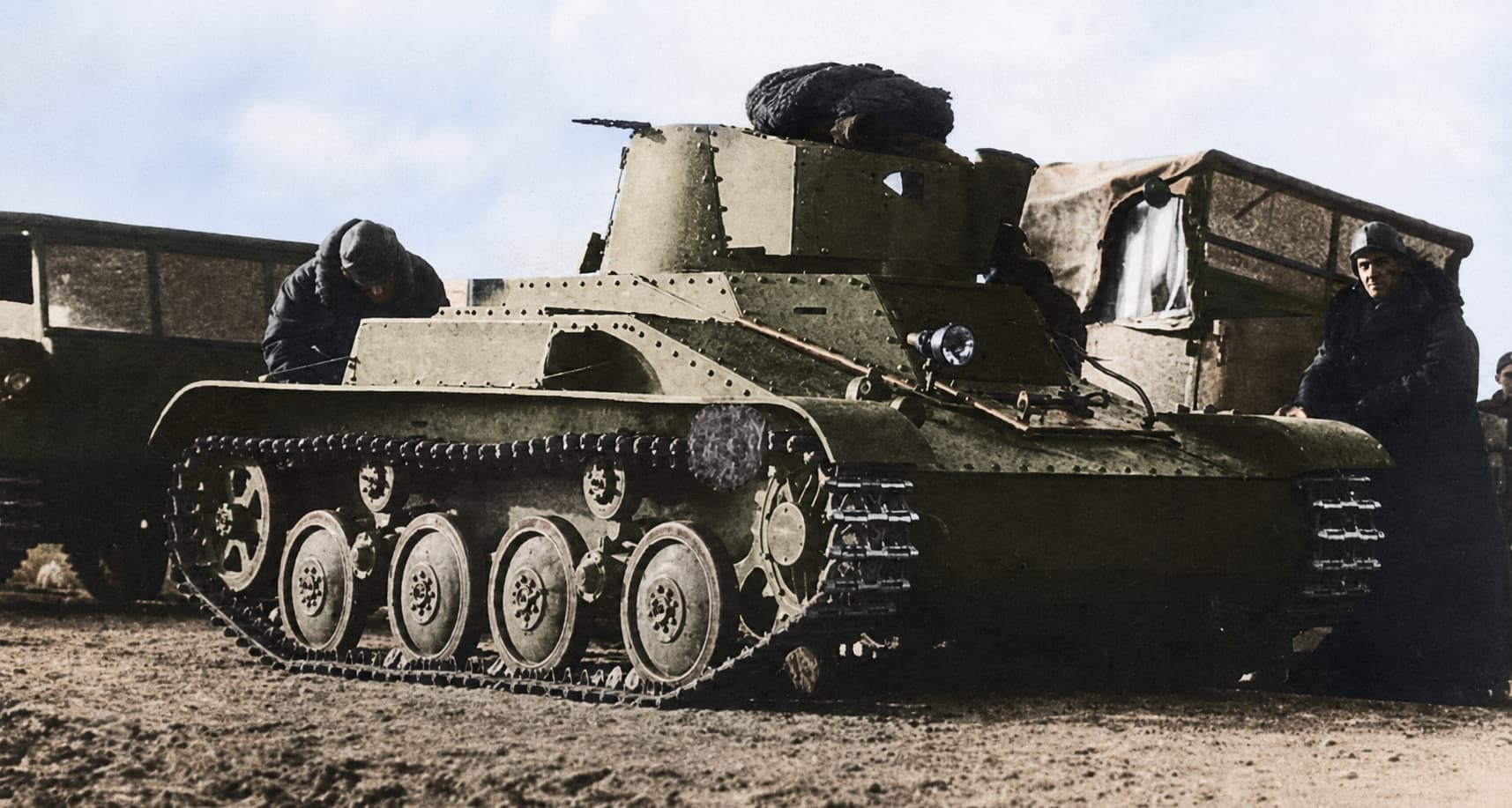
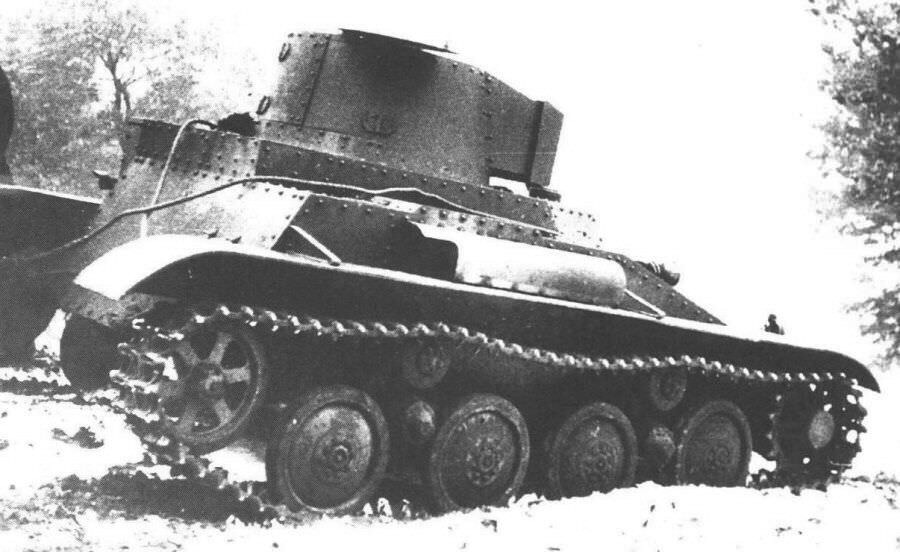
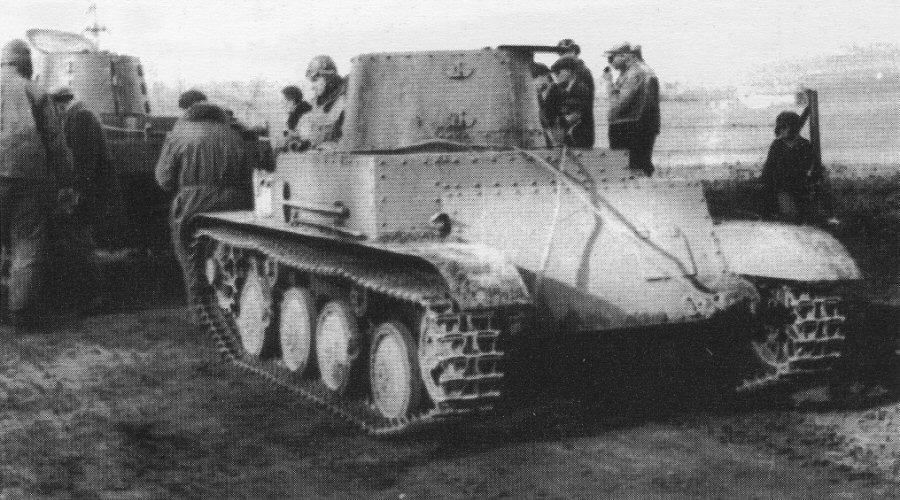
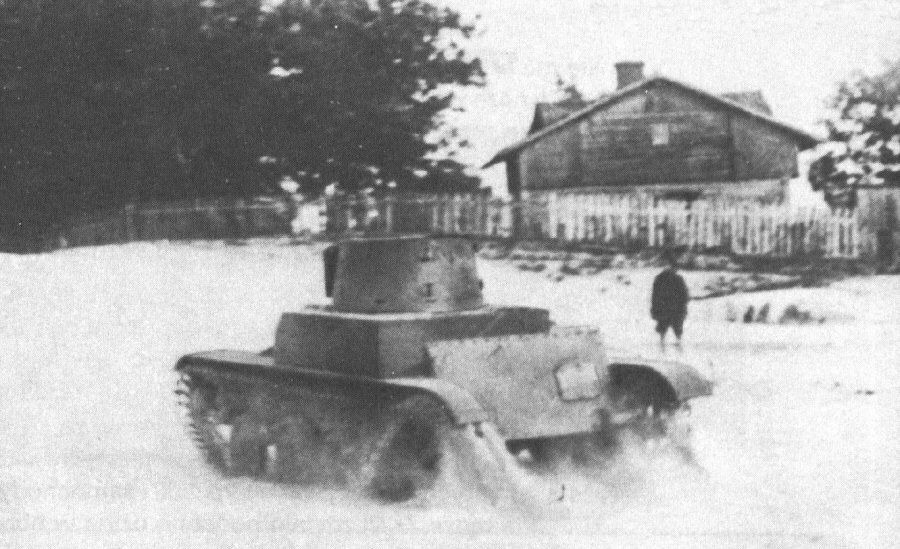
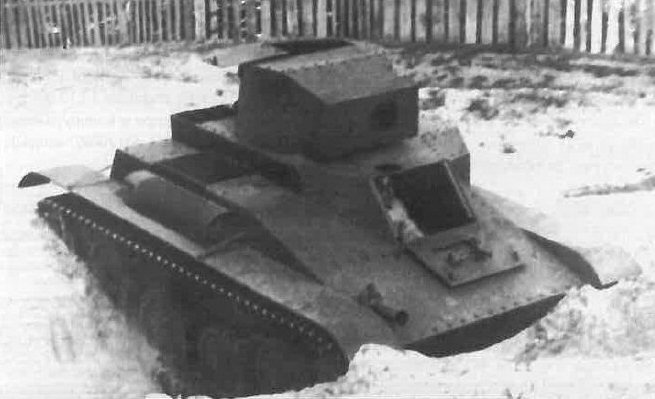
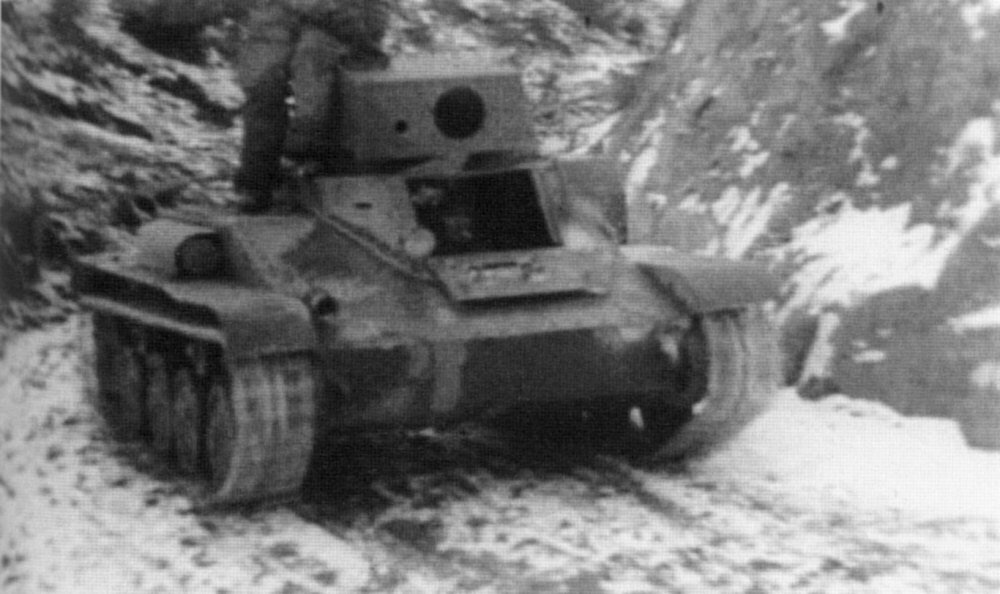
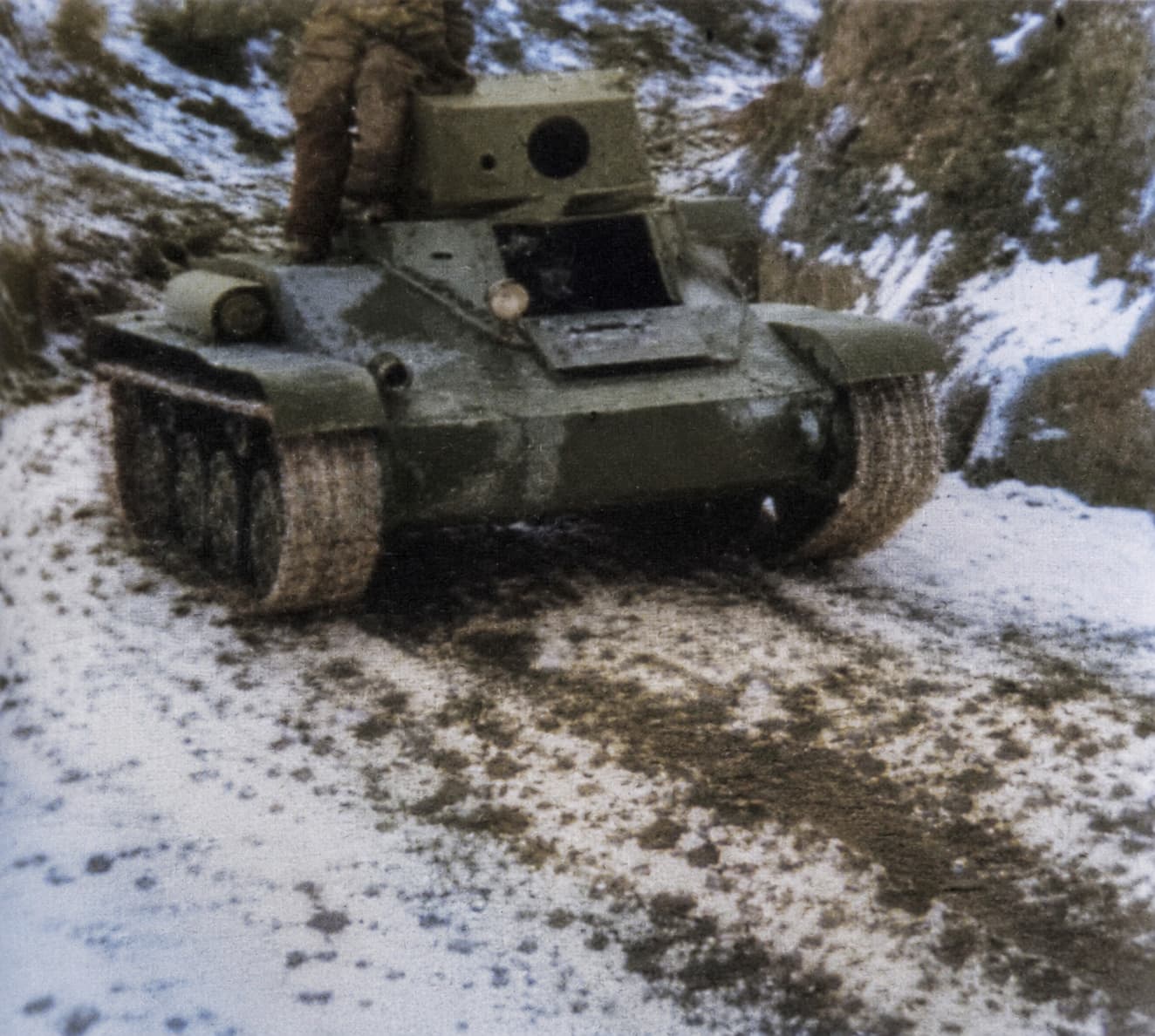
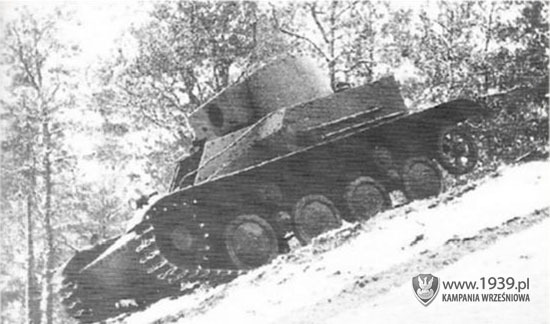
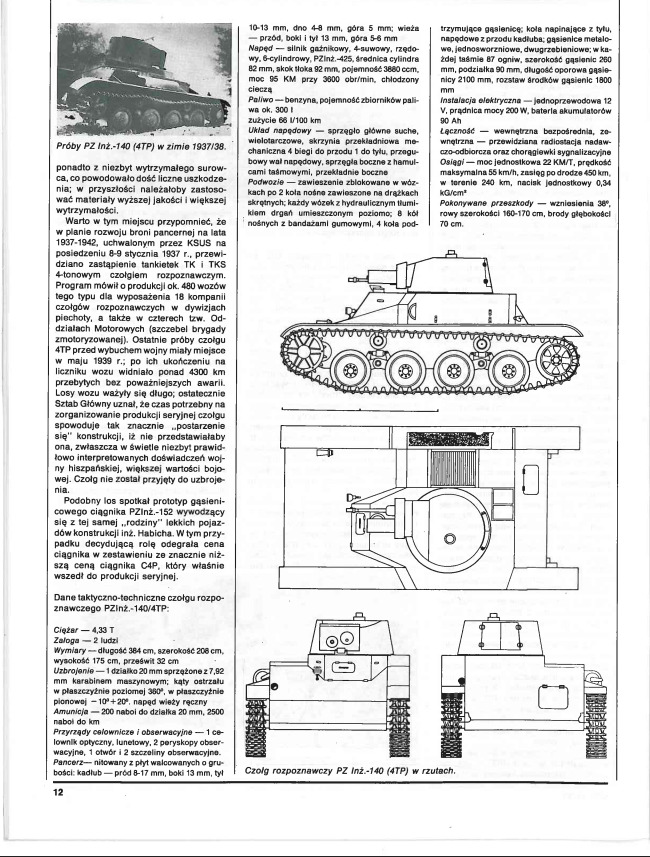
4TP or also known by its factory designation as “PZInż.140” was developed as a recoinassance tank inteded to replace the aging the TK/S series.
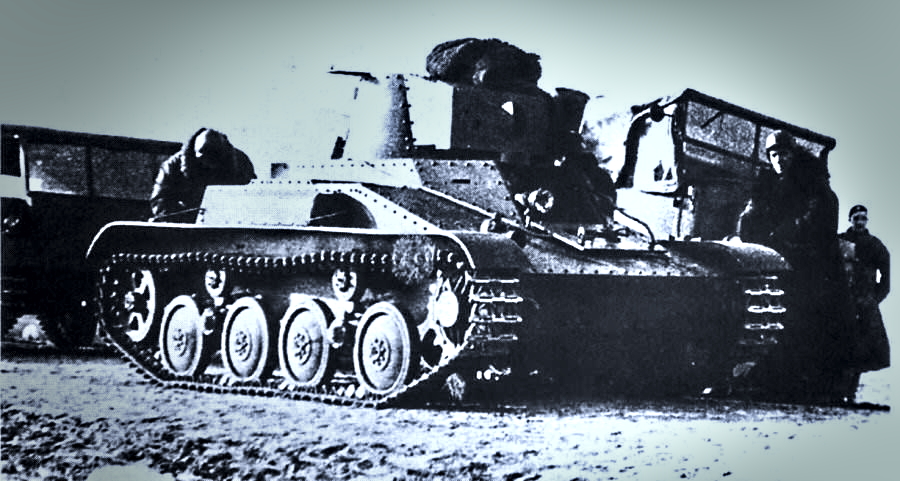
In Poland, by the early 1930s, mass production of TK/S series was already underway , but the armour development program also included the construction of a light reconnaissance tank with more a more powerful armamaent mounted in a rotating turret. It was planned that such a tank would eventually replace the tankettes. Eventually, in September 1932, demonstrattors of a 4-ton tank, an amphibious tank, and a tractor designed by Carden and Loyd were held in Poland. Following the demonstrations, the head of the Engineering Supply Department, Colonel proposed in May 1933 the purchase of five 4-ton Carden-Loyd reconnaissance tanks and one amphibious tank for further detailed testing. However, these purchases were not made due to lack of funding.
To further test this idea out, a TK-3 tankette was modified to house a turret. The chassis roof was lowered and a turret was mounted on the left. And the driver received a special armored cover. The tests resulted in failure as the vehicle was just too small. This lead to the beggining of the development of thePZInż 140(4TP) and PZInż 130 by State Engineering Works (PZInż) on 3 October 1936.
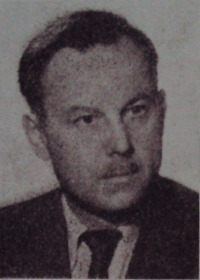
The chief designer of the tanks was also the head of PZInż Research Department, Engineer Edward Habich. The design and documentation for the tank was completed on December 16, 1936. Where the tank received the designation “Typ 140”. The design possesed the latest solutions in armoured warfare (at the time) while also having a lot of solutions of it’s own, Such as the suspension and the engine “PZInż 425” which was of Polish design.
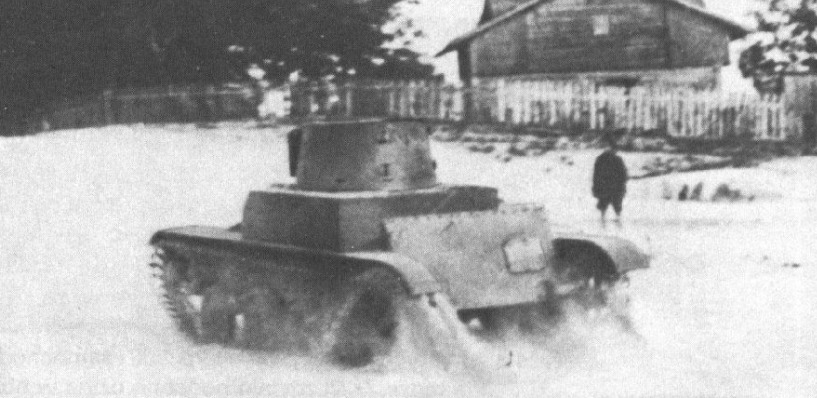
Edward HabichThe prototype of the tank was handed to the army on August 15 1937. Where it particpated in the “Autumn 1937” experimental rallly which span across a distance of 1,935 km from Warsaw to Lublin. The tank faced the challenges well and was returned to the factory for repairs and adjustments, where it went through further testing in 1938. In June/July of the same year the 20 mm FK wz. 38 model A prototype was mounted on the vehicle and tested. A group of military experts concluded that the project was successful with it’s modern design, and with a couple of tweaks was fit for mass production.
How ever after further tests with the final prototype in May 1939 where the tank travelled a distance of 4,300 km without any major breakdowns. It was conluded that the tank would not be put into production. This was due to the fact that it would take a long time to launch full scale production of the vehicle, where it was believed that it would be out dated by the time it was capable to be produced in full numbers (this assessment was also apparentally influenced by things such as the Spanish civil war and the performance of armoured vehicles in it).
It was decided to instead produce more tanks of the 7TP class instead for battlefield reconnaissance in the future. As it was a more future proofed platform.
Characterisics
Summarised Characterisics
Details
- Crew (2)
- Driver, commander/gunner
- 20 mm FK wz. 38 model D
- Ammo:
- wz. 38 PZS (API-T)
- wz. 38 PWS (APHE-T)
- Elevation: -10/+20°
- Fire rate: 10rds/min
Hull Front Hulll Side Hulll Back Turret front Turret Side Turret Rear 8–17mm 13mm 10-13mm 13mm 13mm 13mm
- Combat weight: 3.84 t
- Engine: PZInż 425 carbureted engine (95 HP)
- Max speed: 54 km/h
Armament
Details
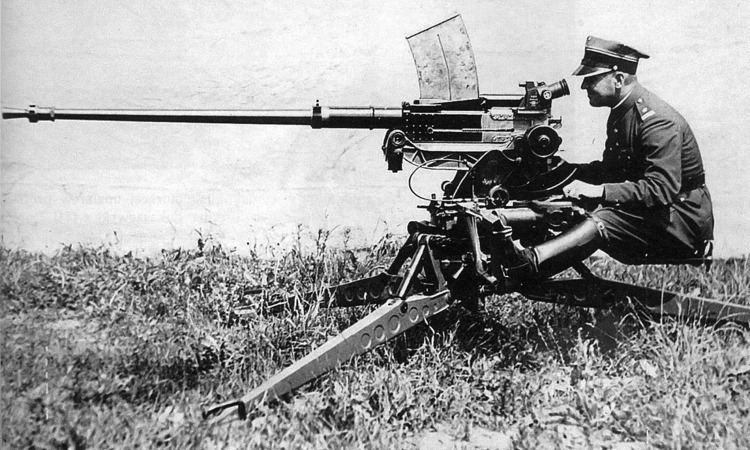
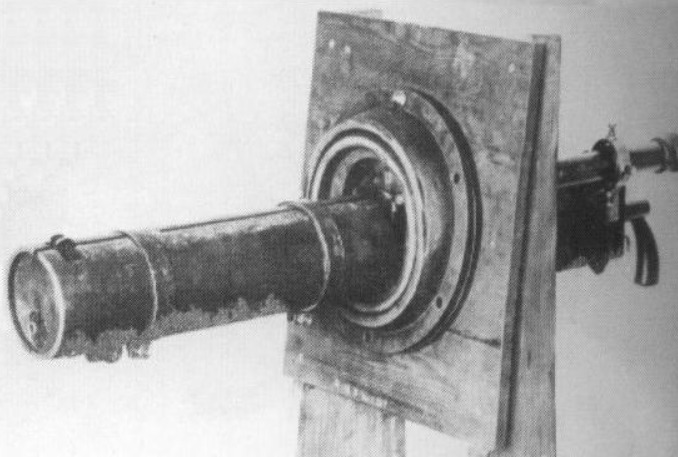
Even though the tank wasn’t equipped with it at all times, during June/July in 1938 the 4TP was tested with a prototype 20 mm automatic gun, which was the 20 mm FK wz. 38 model D.
20 mm FK wz. 38 model D (sources aren’t reliable on this matter, as some state that it was tested with the mdoel A)
- Elevation: -10° to +20°
- Fire rate: 320 rds/m
- Traverse: 23° (manual)
- Total ammunition capacity: 200 rounds
Name Type Muzzle velocity Mass Fuze Explosive mass Explosive type wz. 38 PZS (🇵🇱) API-T 835 m/s 150.5 g None None None wz. 38 PWS (🇵🇱) APHE-T 843 m/s ~148 g Base (0.05 s delay) 1.6 g PETN
- 7.92 mm wz. 30 ( 2500 rounds) Was inteded to be mounted, but never was.
Mobility
Details
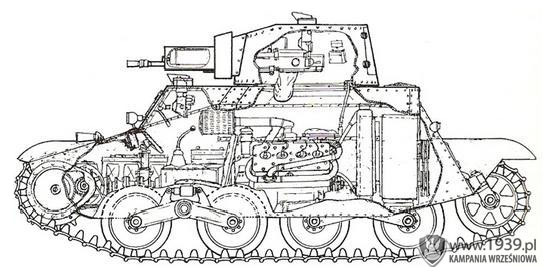
- Engine: PZInż 425 carbureted engine (95 HP)
- Transmission: multi-disc dry main clutch, mechanical gearbox
- Gears: 4 forward, 1 reverse
- Top Speed: 55 km/h
- Weight: 3840kg
- Supension: Torsion bar, leaf sprung bogies
- Max Speed: 54 km/h
Armour
Details
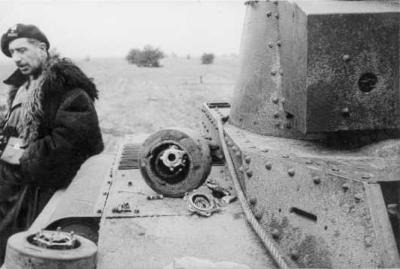
The tanks armour is bolted togather (not riveted prior to misconception). The hull was built from steel plates, while the turret was made out of rolled sheet steel.
Hull Front Hulll Side Hulll Back Turret front Turret Side Turret Rear 8–17mm 13mm 10-13mm 13mm 13mm 13mm
Other
Details
- Crew (2) : Driver, Commander/Gunner,
- Commander sight: Gundlach’s reversible periscope
- Drivers sight: Gundlach’s reversible periscope
- Gunners sight: ??? (Could possibly use the "scope for 20 mm nkm wz. 38 FK model A” developed by PZO, based on the wz. 37 C.A37 tank scope, which would have a 1.9x-3.5x zoom.)
- Length: 384 cm
- Width: 208 cm
- Height: 175 cm

Sources
4TP - Polish light tank prototype
PZInż. 140 (4TP) - Tank Encyclopedia
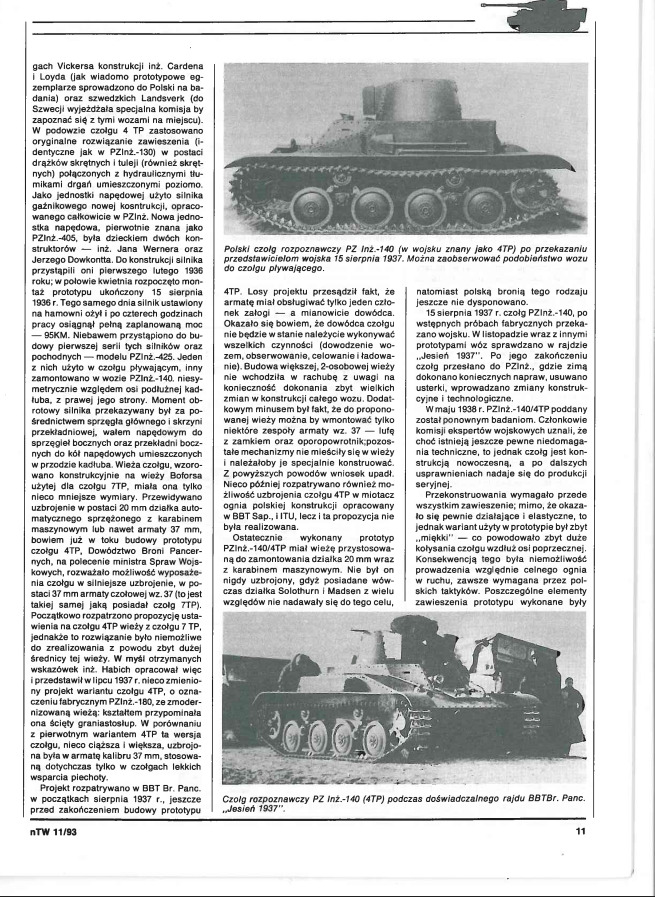
Pages from Nowa Technika Wojskowa 1993-11
PZlnż 130 PZlnż 140/4TP Tank Power vol. CXCII 457 by Janusz Ledwoch