- Yes
- No
Hello everyone, and welcome to this new suggestion.
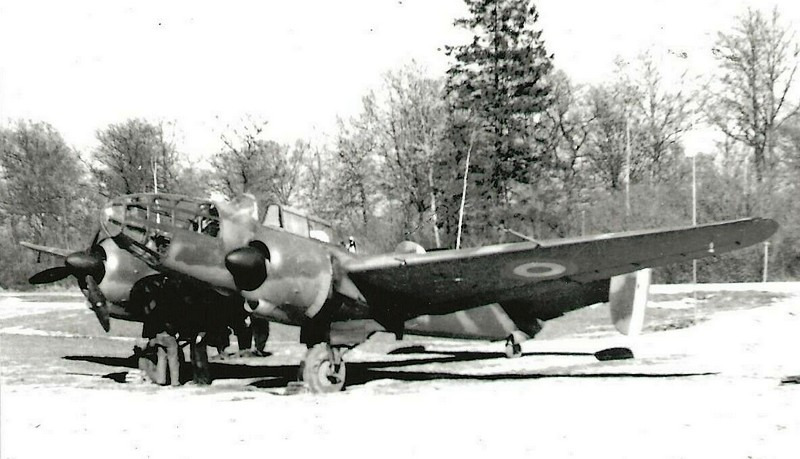
Today, I am once again presenting a French aircraft from the late interwar period: the Bloch M.B.174.
In 1936, as Germany’s military expansion became increasingly threatening, the French Air Force issued a requirement for a new reconnaissance and combat aircraft that could be brought into service quickly. Marcel Bloch responded with the M.B.170, an aircraft designed to combine reconnaissance capabilities with a degree of offensive power.
Although the M.B.170 showed promising performance, it suffered from several shortcomings. Its ventral gun turret proved impractical, while the limited glazing around the nose restricted the observer’s field of view and made reconnaissance missions more difficult. Several improved versions were subsequently developed, eventually leading to the M.B.174, a dedicated reconnaissance variant.
The M.B.174 made its maiden flight in 1939 and quickly demonstrated excellent flight characteristics. Some initial overheating problems were encountered during testing, but these were soon resolved, allowing the aircraft to enter service in early 1940. Despite the relatively small production run, just over fifty aircraft, the M.B.174 quickly became highly regarded by its crews thanks to its excellent handling and performance.
When the German invasion began, the M.B.174 was used extensively for reconnaissance missions over the front. Its speed and maneuverability made it difficult for German fighters to intercept, giving it a remarkably high survival rate. However, its defensive armament was relatively weak, meaning that the aircraft had little ability to fight back when intercepted. As a result, although M.B.174 crews were often able to complete their reconnaissance missions, they had very limited capability to engage and destroy enemy targets.
Following the French defeat in June 1940, many surviving M.B.174s were evacuated to North Africa. Some continued to serve under the Vichy regime, while others escaped to Allied-controlled territory and continued the fight alongside the British. The most famous example was GR II/33, which joined the Free French forces and continued operating the type.
The M.B.174 remained in service with French forces throughout the early years of the war, with the Free French Air Force ultimately becoming its last operator. The remaining aircraft continued to fly reconnaissance missions until 1943.
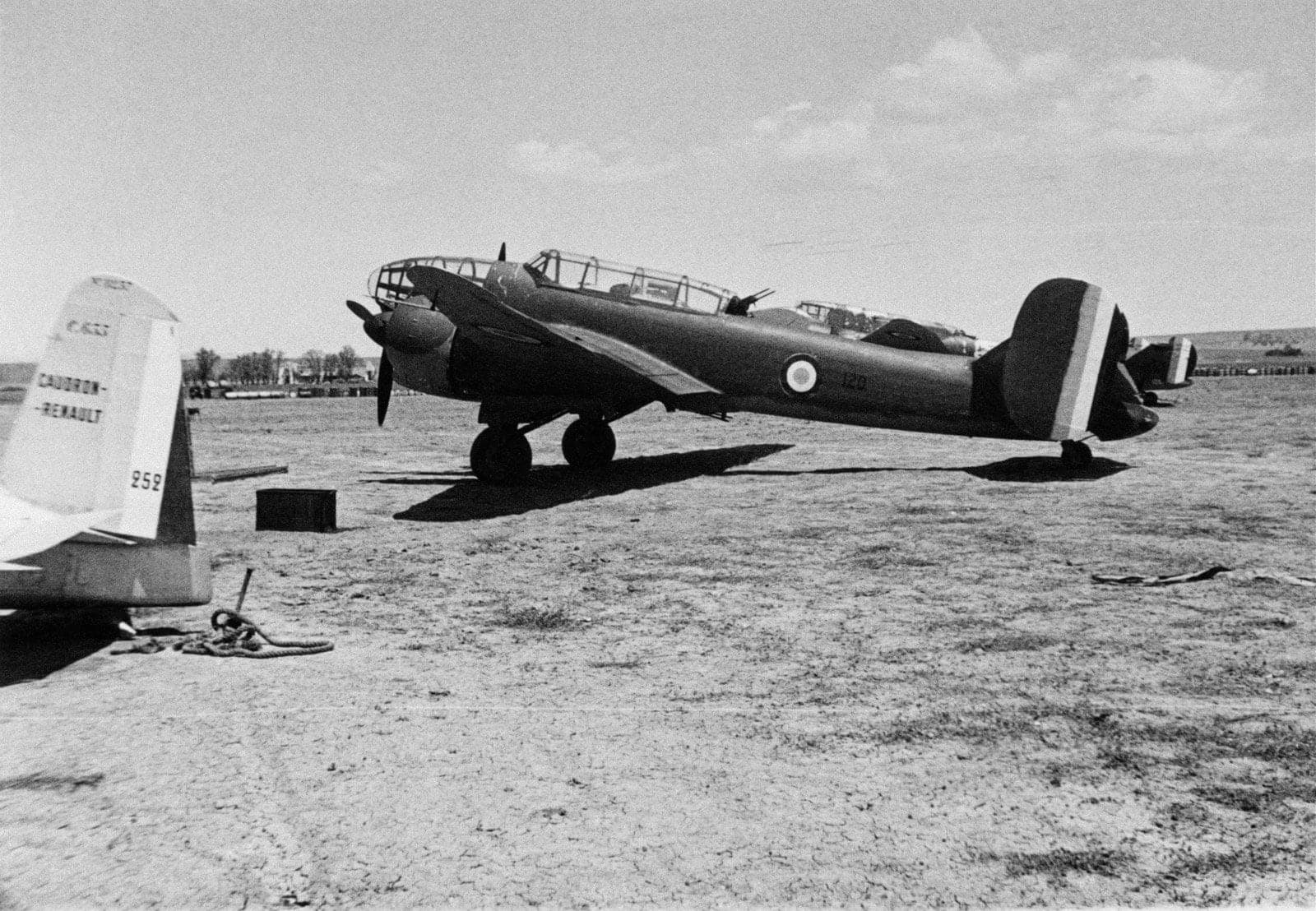
Characteristics
Length : 12.15 m
Width : 17.80 m
Height : 3.55 m
Mass :
- Empty : 5,600 kg
- Full : 7,160 kg
The aircraft is powered by two Gnome-Rhône 14N engines, each producing 1,015 hp, allowing it to reach a top speed of 529 km/h and a service ceiling of 11,000 m. Its range at a cruising speed of 400 km/h is 1,290 km.
The crew consists of three people: a pilot, a rear gunner, and a forward observer.
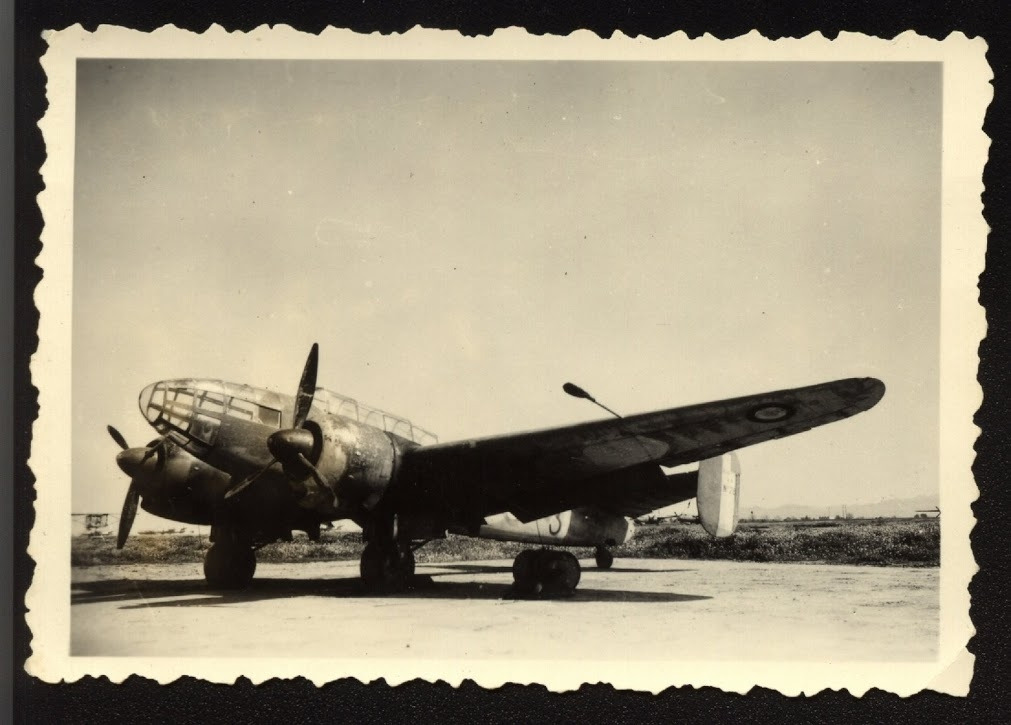
Weapons
The aircraft’s armament is its main weakness; while it may look substantial, it is unfortunately insufficient to effectively engage all types of targets, especially ground targets.
Defensive armament:
- 1 x twin 7.5mm MAC 1934 machine gun (rear gunner)
Offensive armament:
- 2 x 7.5mm MAC 1934 machine guns (wing-mounted)
- 3 x 7.5mm MAC 1934 machine guns (nose-mounted)
- 400kg bombs
- 8 x 40kg bombs
In-game, this aircraft would be a great addition to the tech tree, offering excellent flight characteristics but limited damage output due to its armament, making it an interesting and unique low-BR aircraft.
Pictures