- Yes
- No
Hello everyone, and welcome to this new suggestion.
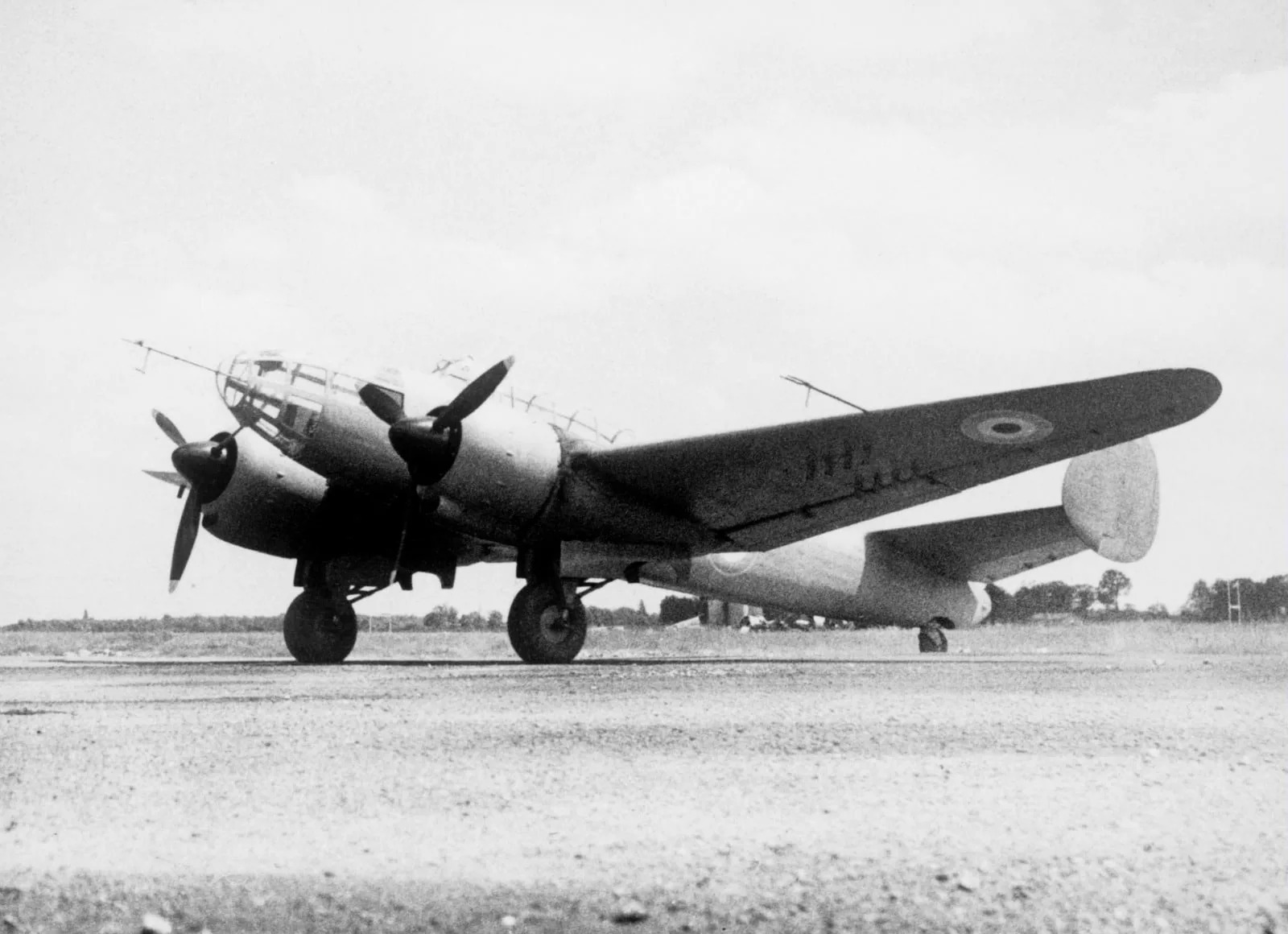
Today, I am presenting a new aircraft produced by Bloch: the M.B.175.
In the late 1930s, the French aviation industry was developing new aircraft at an increasingly rapid pace, as the growing threat of war created an urgent need for modern combat machines. In 1936, Bloch responded to an Air Force requirement for a new reconnaissance and combat aircraft with the M.B.170. Although the initial design was rejected, continued development eventually led to the M.B.174 in 1938.
The M.B.174 quickly earned a good reputation among French crews. It combined excellent speed and maneuverability, making it difficult for enemy fighters to intercept. However, its relatively small bomb load limited its effectiveness when used for ground-attack and bombing missions.
Bloch therefore began developing a new version specifically optimized for bombing. Designated the M.B.175, this aircraft retained much of the M.B.174’s design but featured a redesigned internal layout and, most importantly, a larger bomb bay capable of carrying heavier bombs. This gave the aircraft significantly greater offensive potential while retaining the excellent flight characteristics of its predecessor.
The M.B.175 entered production in early 1940, but its career was immediately disrupted by the German invasion. As French forces were pushed back, production facilities fell into German hands, and a number of aircraft were captured before they could be delivered to French units. Meanwhile, M.B.175s already in service were evacuated to North Africa alongside other French aircraft in an attempt to prevent them from being captured.
Following the French capitulation, the remaining aircraft were operated under increasingly difficult conditions. Some were retained by French forces in North Africa, while others were eventually taken over by the Germans. With spare parts and fuel becoming increasingly difficult to obtain, the M.B.175 gradually disappeared from service, while newer and more capable aircraft took over its missions.
The story of the M.B.175 did not end there, however. After the war, Bloch, by then part of the newly reorganized French aviation industry, developed a naval version of the aircraft, designated the M.B.175T. This version was extensively modified for use by the French Navy, receiving more powerful engines and improved armament.
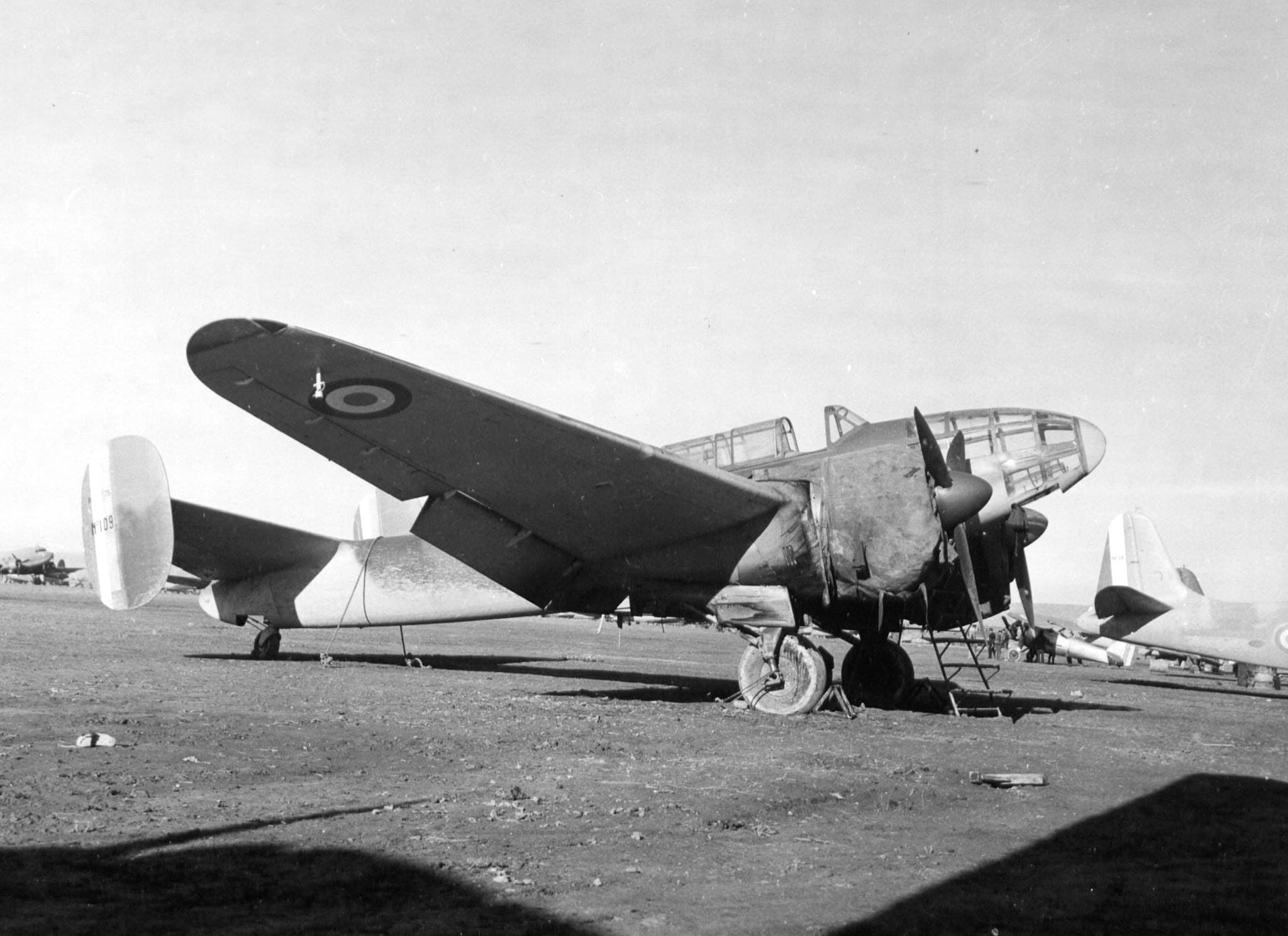
Characteristics
Length : 12.25 m
Width : 17.96 m
Height : 4.06 m
Mass :
- Empty : 4,465 kg
- Full : 7,160 kg
The aircraft is powered by two Gnome-Rhône 14N engines, each producing 1,015 hp, allowing it to reach a top speed of 530 km/h and a service ceiling of 11,000 m. Its range is 1,590 km.
The crew consists of three people: a pilot, a rear gunner, and a forward observer.
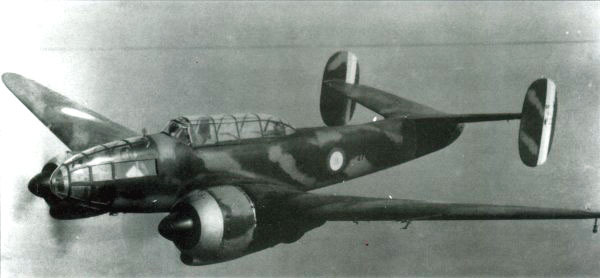
Weapons
This aircraft features a heavier air-to-ground armament than the previous version (M.B.174), making it a compelling ground-attack aircraft.
The aircraft’s armament is its main weakness; while it may look substantial, it is unfortunately insufficient to effectively engage all types of targets.
Defensive armament:
- 1 x twin 7.5mm MAC 1934 machine gun (rear gunner)
Offensive armament:
- 2 x 7.5mm MAC 1934 machine guns (wing-mounted)
- 3 x 7.5mm MAC 1934 machine guns (nose-mounted)
- 600 kg of bombs
- 6 x 100kg bombs
- 2 x 200kg bombs
In the game, this aircraft would be a light ground-attack plane featuring interesting secondary armament alongside slightly weaker primary armament, making it a unique addition to the French tree.