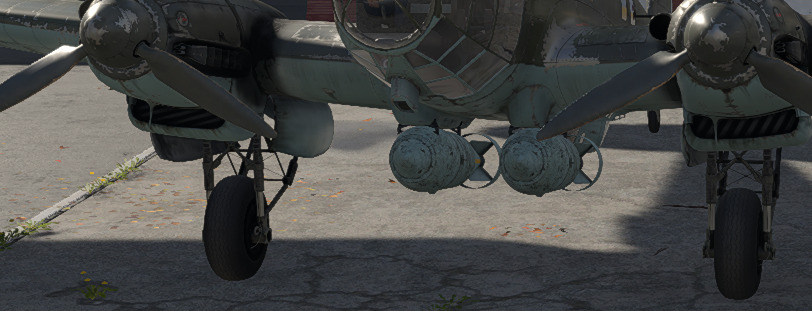
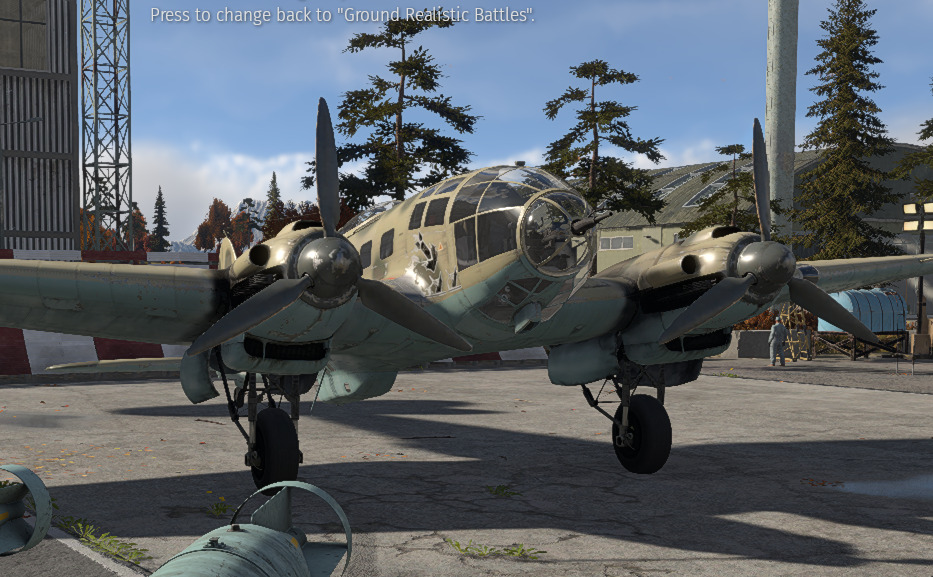
- Yes
- No
History and development :
Spoiler
The He 111Z was born out of necessity during Germany’s push for airborne operations. The Luftwaffe had invested heavily in the Messerschmitt Me 321 Gigant, a massive glider designed to carry tanks, artillery, and troops. However, the Gigant proved almost impossible to operate effectively because no single aircraft had the power to tow it safely. Early attempts using three Bf 110s in formation were dangerous and often ended in disaster. This crisis led Ernst Heinkel to propose the radical twin‑fuselage solution, which was approved quickly due to wartime urgency.
The prototype flew in 1941 and demonstrated that the concept was viable. The He 111Z could tow the Me 321 at operational speeds and altitudes, something no other aircraft could achieve at the time. Production was limited, with only about ten aircraft built, but they were immediately pressed into service. The He 111Z was deployed during Operation Barbarossa to support the invasion of the Soviet Union, towing Gigants loaded with supplies and equipment. Later, during the Battle of Stalingrad, the aircraft played a role in attempts to resupply the encircled German Sixth Army, though the missions were extremely hazardous due to Soviet fighters and anti‑aircraft fire.
The aircraft’s operational history was marked by both ingenuity and limitation. While it solved the towing problem, it was slow, vulnerable, and fuel‑hungry. The Luftwaffe considered bomber and reconnaissance variants, designated He 111Z‑2 and He 111Z‑3, but these never progressed beyond planning stages. By 1944, the worsening war situation and the decline of large‑scale glider operations meant the He 111Z was no longer needed, and surviving aircraft were withdrawn or destroyed.
The He 111Z remains a symbol of German improvisation during the war. It was not a mass‑produced weapon but rather a specialized solution to a unique logistical challenge. Its twin‑fuselage design stands out as one of the most unusual aircraft configurations of the Second World War, remembered today for its daring engineering and limited but dramatic role in Luftwaffe operations.
More History :
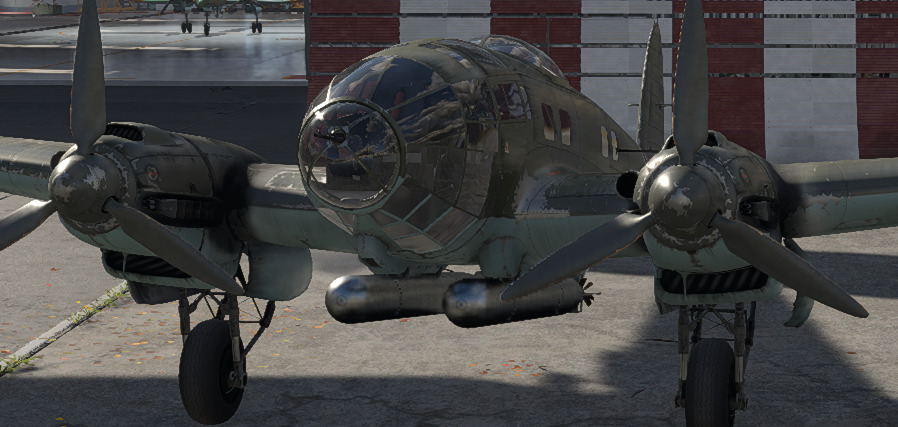
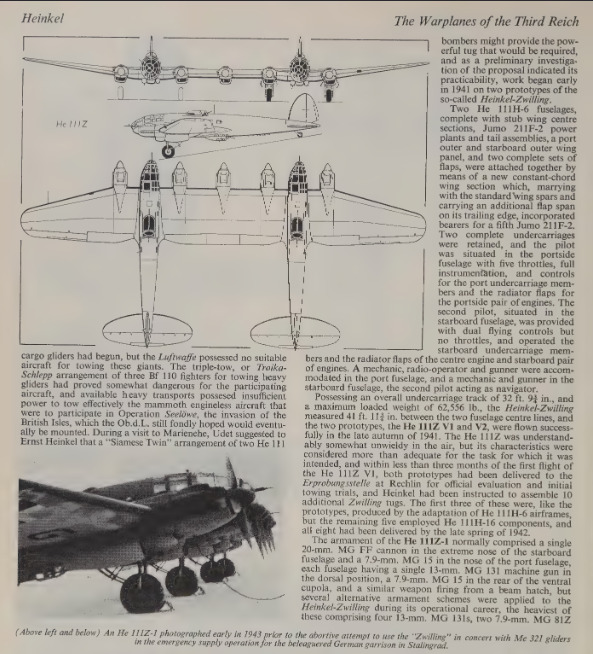
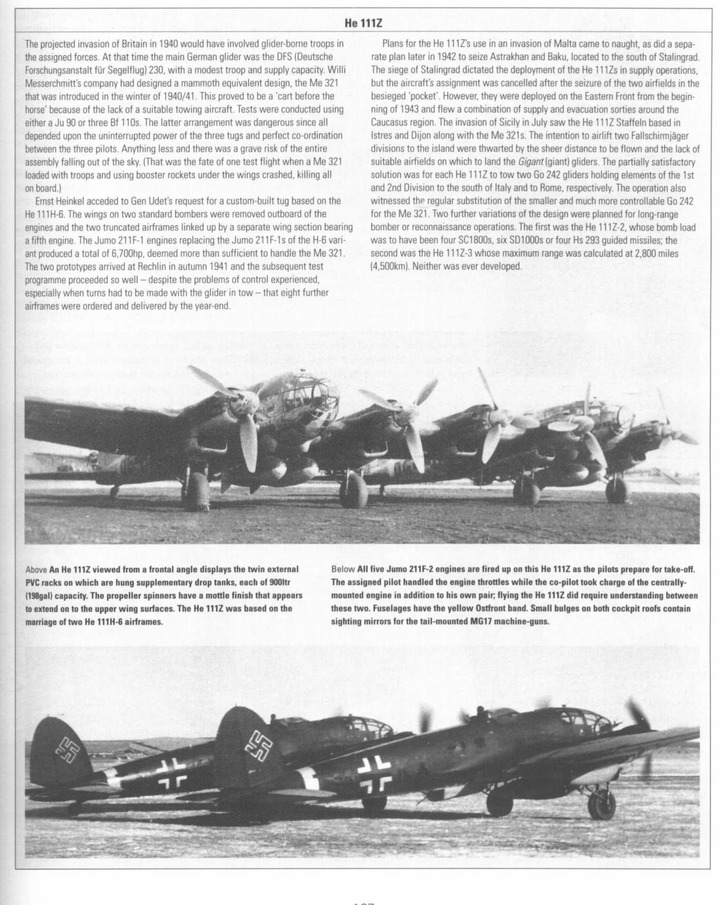
The Heinkel He 111Z Zwilling was conceived in 1940 when the Luftwaffe needed a powerful tug aircraft for heavy gliders such as the Messerschmitt Me 321 Gigant. Standard tow planes were inadequate, and the triple‑tow method using three Bf 110s was dangerous and inefficient. Ernst Heinkel proposed joining two He 111H‑6 bombers with a new center wing section that carried a fifth Jumo 211F‑2 engine. This created a twin‑fuselage aircraft with five engines, known as the He 111Z Zwilling, designed primarily as a heavy glider tug and secondarily as a long‑range bomber.
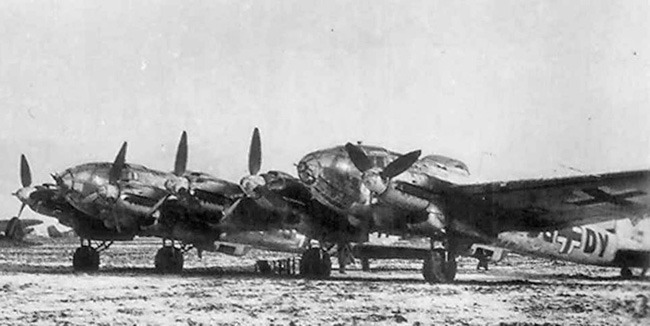
The prototype He 111Z‑V1 was completed in 1941 and tested at Rechlin. Two prototypes were built, followed by about ten production aircraft delivered through 1942. Each fuselage retained its own landing gear and engines, while the center wing carried additional fuel and structural reinforcement. The port fuselage housed the pilot and flight engineer, while the starboard fuselage contained the co‑pilot, navigator, and radio operator. Armament included a 20 mm MG FF cannon, several 7.9 mm MG 15s, and later MG 131s for improved defense.
The He 111Z‑1 was used to tow Me 321 and Go 242 gliders, sometimes two at once. It saw limited service during Operation Barbarossa and later in the Stalingrad supply missions in the winter of 1942–43. Despite its power, the aircraft was cumbersome and vulnerable, and towing operations were often curtailed due to fuel shortages and Allied air superiority. Plans for a He 111Z‑2 bomber variant and a He 111Z‑3 reconnaissance model were drawn up but never built.
The He 111Z Zwilling remains one of the most unusual twin‑fuselage aircraft ever flown. It demonstrated Germany’s ingenuity in adapting existing airframes for specialized roles but was ultimately produced in small numbers and phased out by 1944.
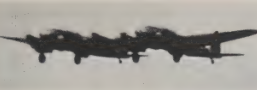
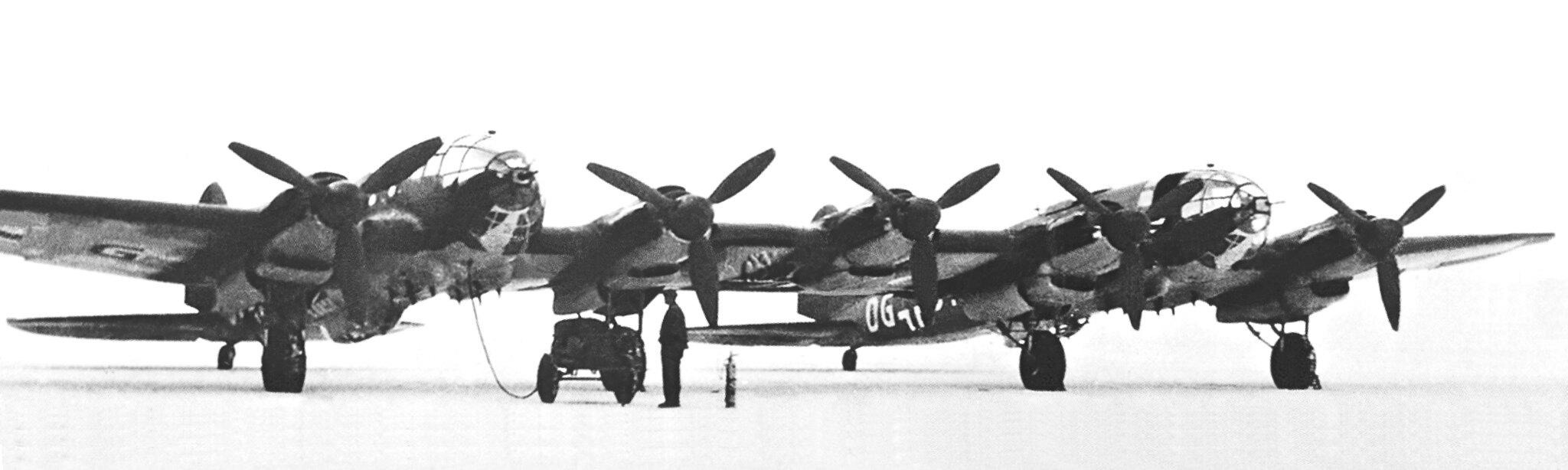
IRL images / book images :
Spoiler
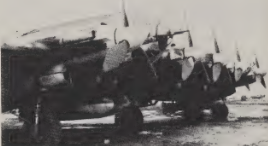
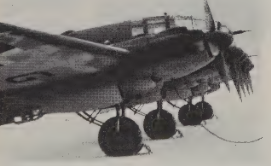
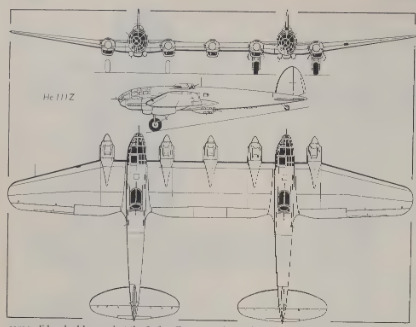
SPECIFICATIONS
General characteristics :
Spoiler
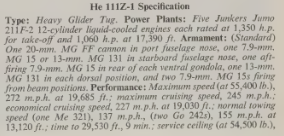
- Crew: 7 (pilot, co‑pilot, flight engineer, navigator, radio operator, gunners)
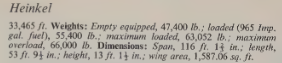
- Length: 53 ft 9¼ in (16.4 m)
- Wingspan: 116 ft 1¼ in (35.4 m)
- Height: 13 ft 1¾ in (4 m)
- Wing Area: 1,587 sq ft (147.4 m²)
- Empty Weight: 47,400 lb (21,500 kg)
- Loaded Weight: 55,400 lb (25,150 kg)
- Maximum Loaded Weight: 63,052 lb (28,600 kg)
- Maximum Overload Weight: 66,000 lb (29,940 kg)
Powerplant :
- Engines: 5 × Junkers Jumo 211F‑2 V‑12 liquid‑cooled piston engines
- Power Output: 1,350 hp (1,007 kW) each
Performance :
- Maximum Speed: 270 mph (435 km/h) at 16,600 ft (5,060 m)
- Cruising Speed: 230 mph (370 km/h)
- Range: 1,240 mi (2,000 km)
- Service Ceiling: 22,965 ft (7,000 m)
- Towing Speed (Me 321): 137 mph (220 km/h)
Armament :
- 1 × 20 mm MG FF cannon (starboard nose)
- 2 × 13 mm MG 131 machine guns (dorsal and rear positions, later upgrades)
- 2 × 7.9 mm MG 15 machine guns (additional defensive positions)
Sources:
Spoiler
1-Heinkel He 111
2-Third reich
3-
4-Wiki : Heinkel He 111 - Wikipedia
Thanks for reading 💗