+1 as a Cold War brother for the M4A3E8 (76) and the M51 (IDK about any other nation’s equivalents)
8 Likes
KPz T-34-85M from East Germany: KPz T-34-85M (East Germany)

This German T-34-85M is similar, however is not a T-34-85 Model 1969.
6 Likes
+1
3 Likes
+1 would be great to see this and other tanks of the early Cold War period, as well as transitional technologies such as early NVD and ATGMs.
5 Likes
+1 for the best T-34-85 in USSR, br at 6.0/3 since it has post war heat.
2 Likes
T-34-85 Service with the other Warsaw Pact nations
Bulgaria
Spoiler
The Bulgarians sourced some of their T-34-85s from Czechoslovakia and some from the USSR, but unlike many of their Warsaw Pact allies, including Czechoslovakia, they operated some modernized variants that most closely resembled the Soviet 1960s models in configuration.
These Bulgarian photographs are the only known image I’ve come across that show the smoke canisters actively mounted and in use, providing rare visual confirmation of this system in practice.


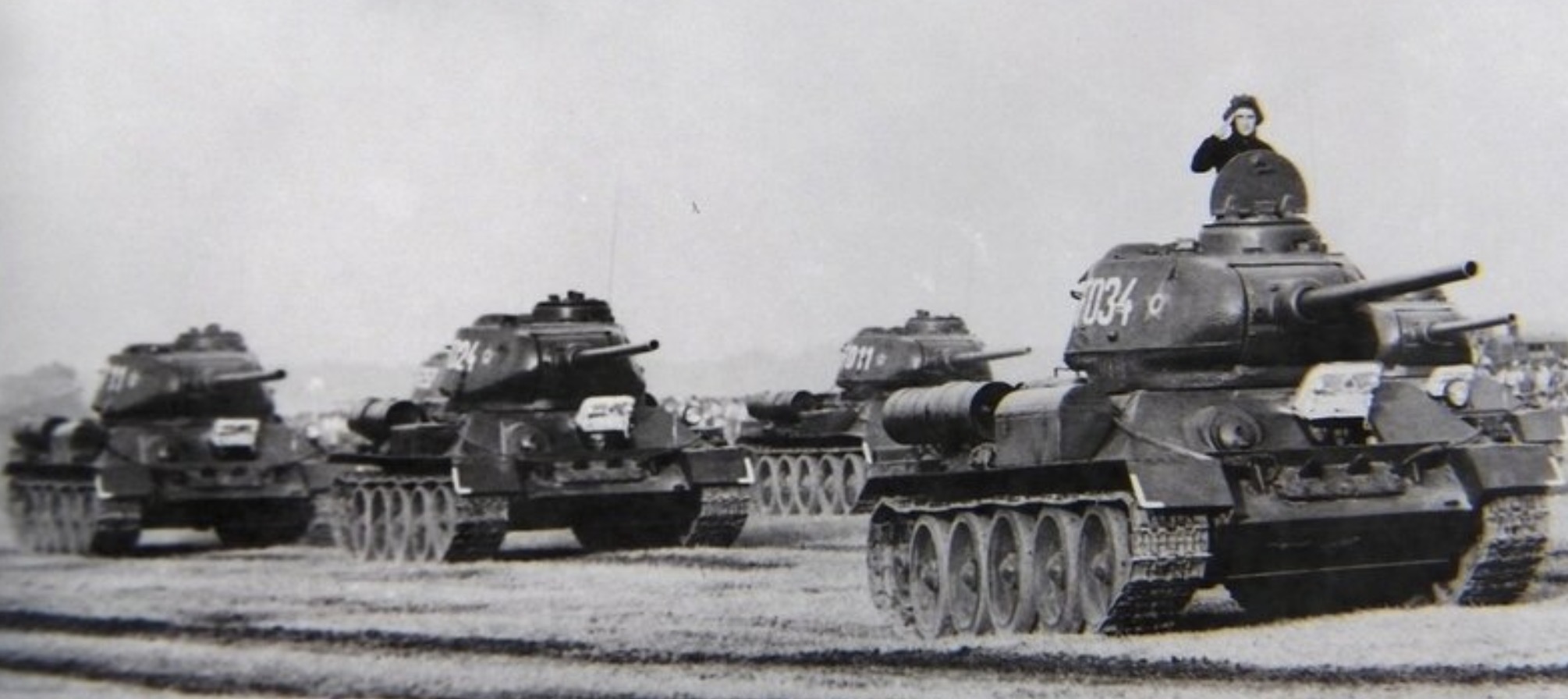
The Bulgarian T-34-85s also featured a large storage box on the right slope.
Romania
Spoiler
Romania also operated T-34-85 tanks, with some of their vehicles sourced from Czechoslovakia. Some Romanian T-34-85s reportedly incorporated select 1960s modernization features, although there is no photographic evidence of the full suite of upgrades typically seen on Soviet models.


Hungary
Spoiler
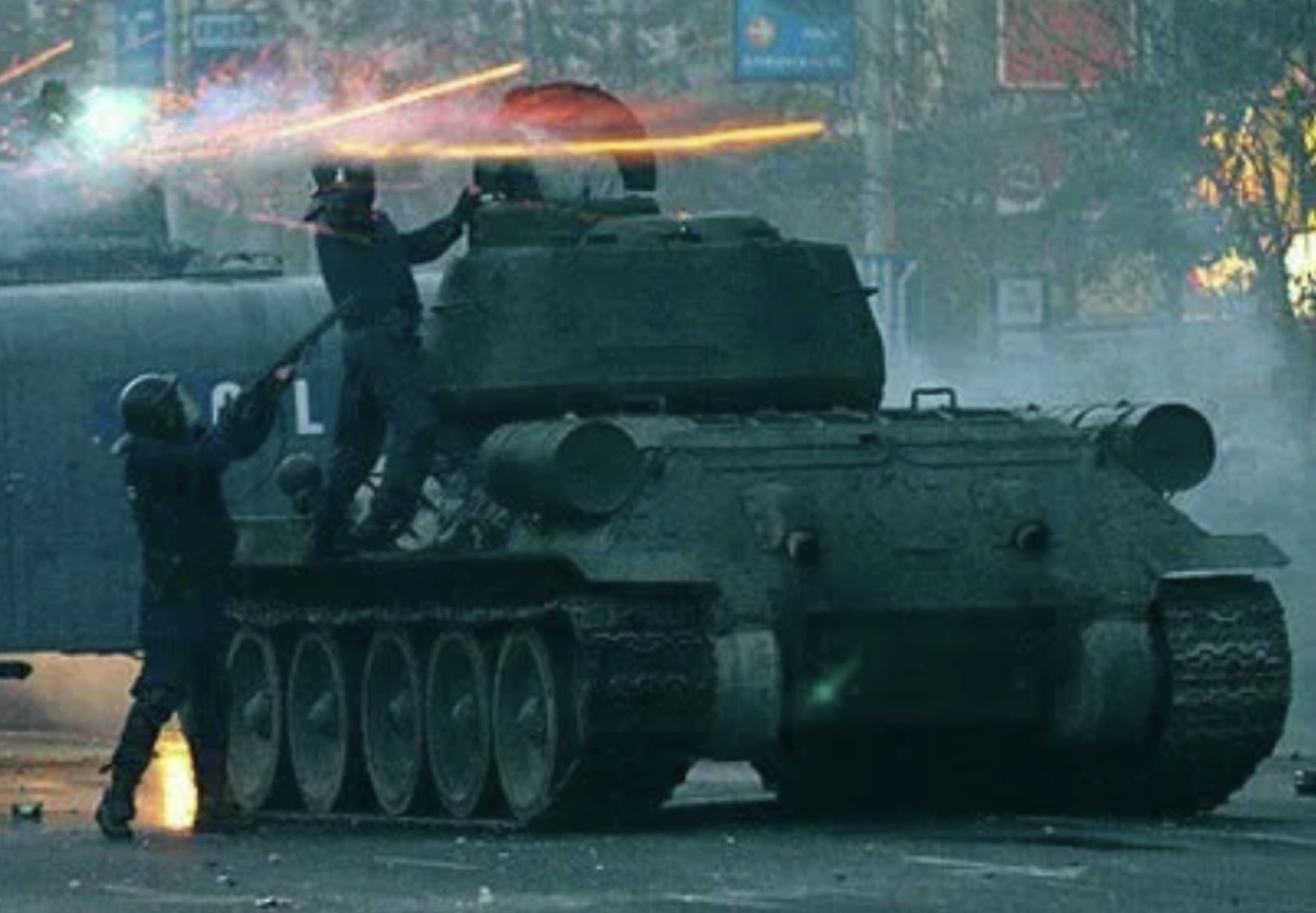
The Hungarian Army also operated a mixed fleet of Czechoslovak- and Soviet-built T-34-85s. One particularly notable example is the famous tank taken from a museum and used during the 2006 protests in Budapest, which featured side-mounted smoke canister brackets and blackout headlights. This is the most extensively modified Hungarian T-34-85 I have been able to identify. However, the vast majority of Hungarian T-34-85s appear to have retained a much more standard configuration and did not receive such extensive postwar upgrades.

Czechoslovakia
Spoiler
Czechoslovakia produced thousands of T-34-85s, many of which were destined for export. However, their tanks differed noticeably from their Soviet counterparts, featuring a number of distinct characteristics that we have already discussed.
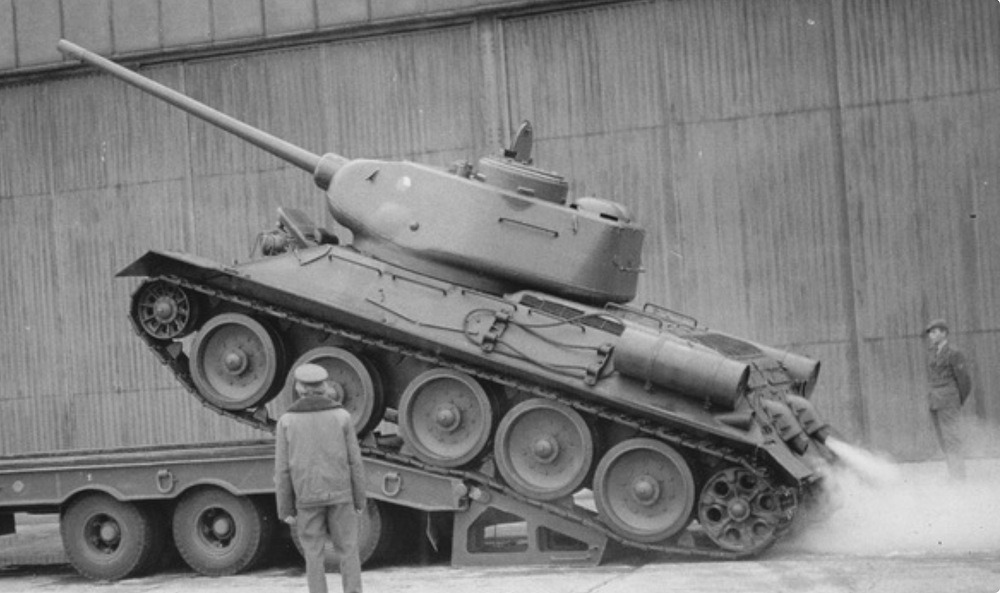
Most Czech tanks were not upgraded as extensively as their Soviet counterparts, even when they did have their own 1960s refurbishment programs. However, some exported Czech-built tanks have been documented with T-55-style starfish wheels, suggesting that select modernization elements, at least visually, were included in certain batches intended for foreign clients.

This Czechoslovak T-34-85 features an unusually mounted set of rear fuel drums. However, this photograph originates from a movie, suggesting it was a cinematic modification made for visual effect (I may be wrong). I found no alternative visual evidence of this arrangement.
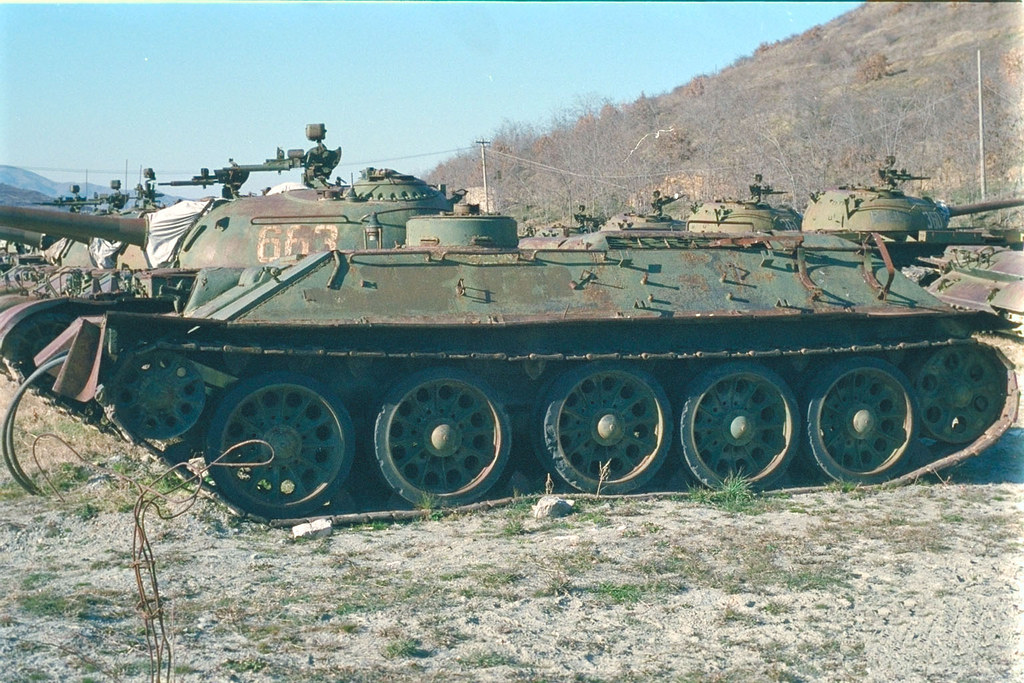
Albania
2 Likes
Easy yes. Folder it at 6.0.
What are we looking at in terms of HEAT-FS penetration? Similar to 3BK7 or a bit lower?
2 Likes
I honestly have no clue, I linked a WT discussion regarding this ammunition.
1 Like
So same as the 3BK7 then (for 3BK2M) as the projectiles as are the same, at least according to that post
I wonder if maybe that’s a bit strong, and it should get the 3BK2 or BK-367M as the top shell
~230mm pen for either shell would still be quite good, but it wouldn’t UFP Tiger IIs like the BK2M.
2 Likes
Some ammunition might not be interchangeable. It is up to Gaijin to research deeper and decide. As far as I am aware, there is not a single T-34-85 + T-44 equipped with HEAT ammunition in the game at the time of writing.
If it will have no HEAT, then it should at least be introduced with the best possible 85mm shells. Although I am confident they will find HEAT for it.
1 Like
It should be noted that this tank served with the USSR in Afghanistan. That is 1980s. So it should get the best possible HEAT ammunition that could be used with the ZiS-S-53.
Some of these tanks made it into the 21st century, although not with the USSR. While Russia only uses them for parades.
1 Like
The Ultimate T-34-85?
One of the best T-34-85 ever produced comes from Poland with its T-34-85M2 variant. On paper, this version not only incorporates all the key upgrades associated with post-war modernization, but also boasts a river fording capability, setting it apart from its contemporaries. The tank also exhibited superior manufacturing quality compared to its Soviet-built counterparts, a difference that becomes apparent upon closer inspection of certain components.


3 Likes
Combat Service in the 21st Century
Even in the 21st century, the T-34-85 continues to serve in various roles around the world. North Korea, Cuba, Vietnam, and Russia still maintain T-34-85s in their inventories, primarily for ceremonial, training, or reserve purposes. However, the tank has also seen actual combat use in recent decades.

See more
In Yemen, T-34-85s have been used as makeshift artillery during the ongoing civil war. Libya saw their return to the battlefield during the Second Libyan Civil War, while Syria reportedly also employed them in localized fighting during its own conflict. These appearances underscore the tank’s remarkable longevity and adaptability in modern asymmetric warfare.
Yemen

Libya

Syria

3 Likes
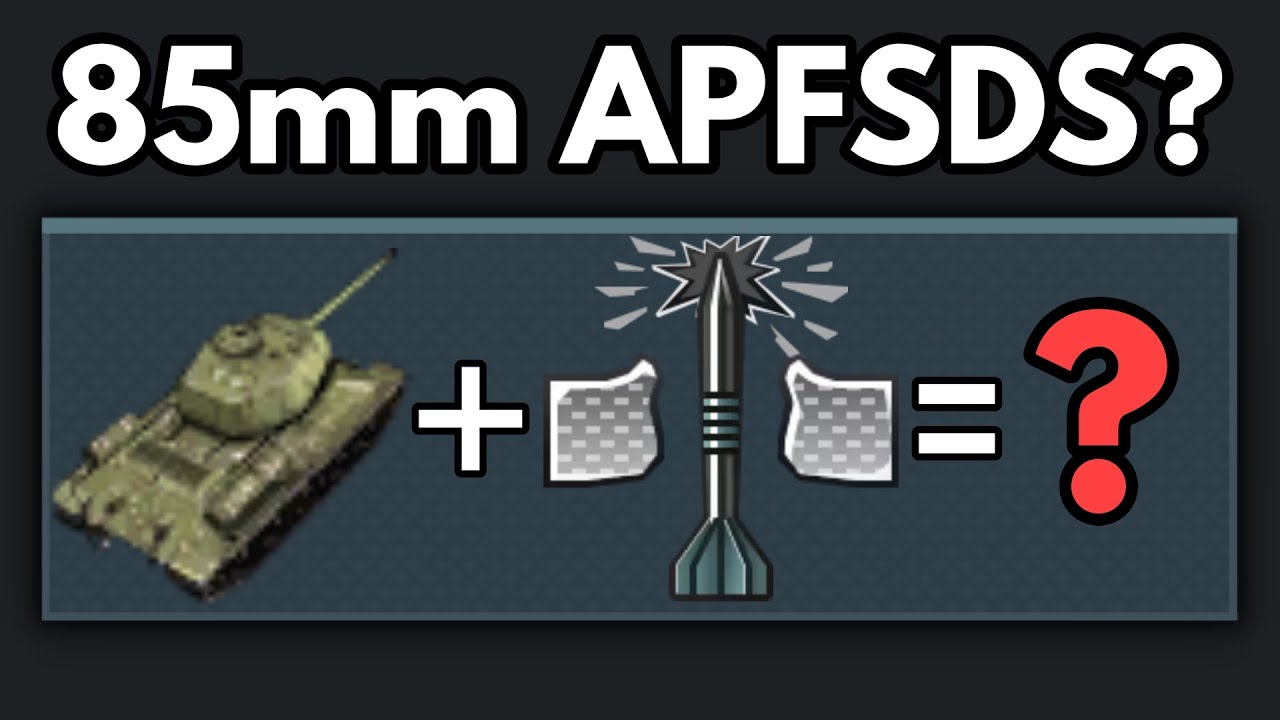
Just going to drop this here
3 Likes
Well ain’t this just a pleasant surprise.
Although it may specifically be Chinese and not Soviet. But, I’ll do some digging.
Edit: Yes, this shell was exclusively Chinese.
5 Likes
Big +1 from me! This and the 1943 model of the T-34/76 would be great to see added to the Soviet tech tree!
2 Likes
I should also note that the Yugoslavs operated T-34-85s featuring 1960s-era modifications: T-34B
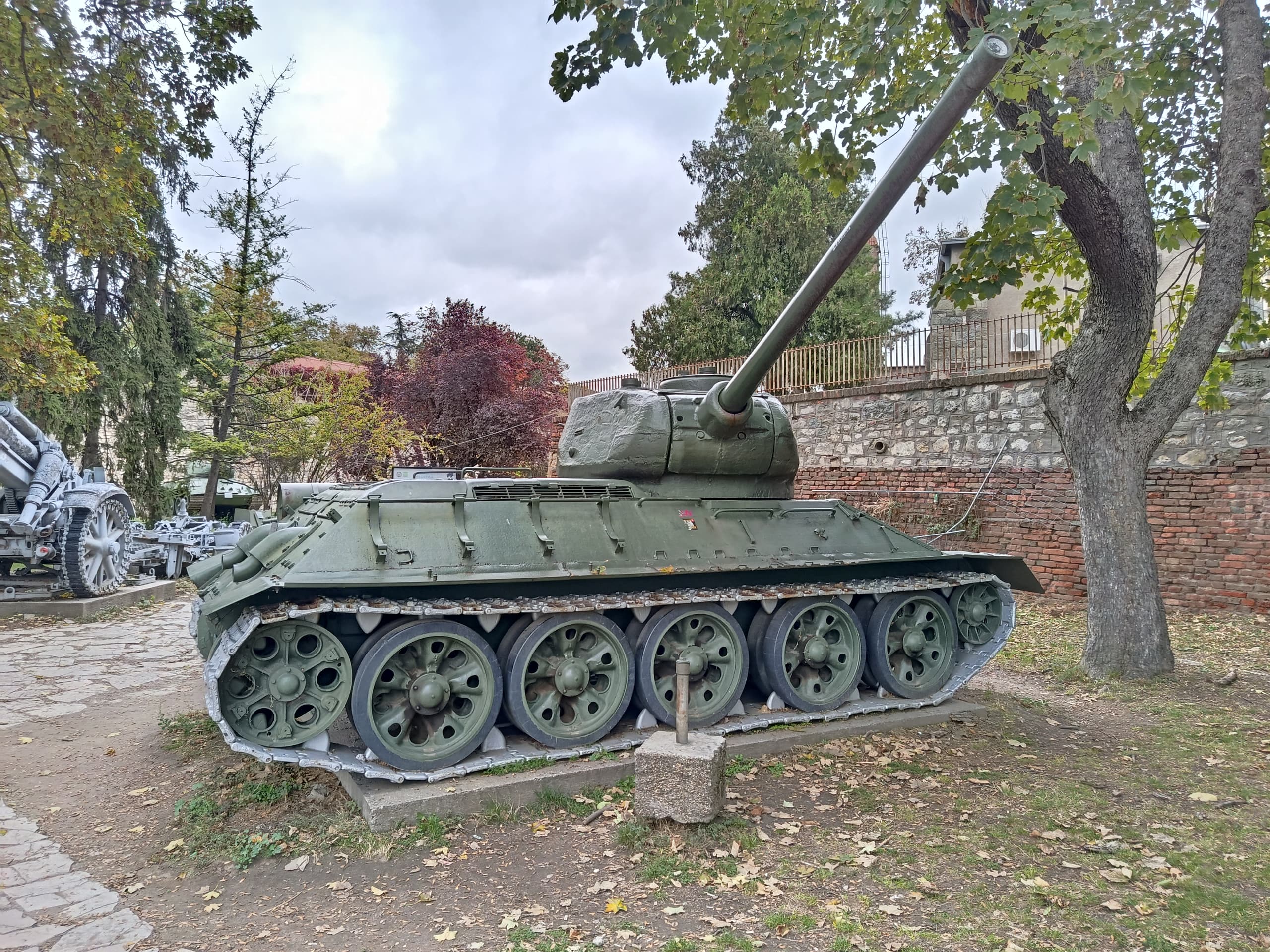
Here’s a photo I took of a Yugoslav T-34B.
Much like other operators, their fleet suffered from significant uniformity issues. Given the overlap in features, it’s quite plausible that some of these Yugoslav-modified tanks were among those shipped to Cyprus.
3 Likes
This model of T 34/85 should have been in the game for a long time, we have several models of T-54/55, T-62, T-72, but no other model of T34/85 in the Russian tree, apart from the T34/85 GAI in the Chinese tree
4 Likes
The T-34-85 Model 1969’s HEAT-FS Round.
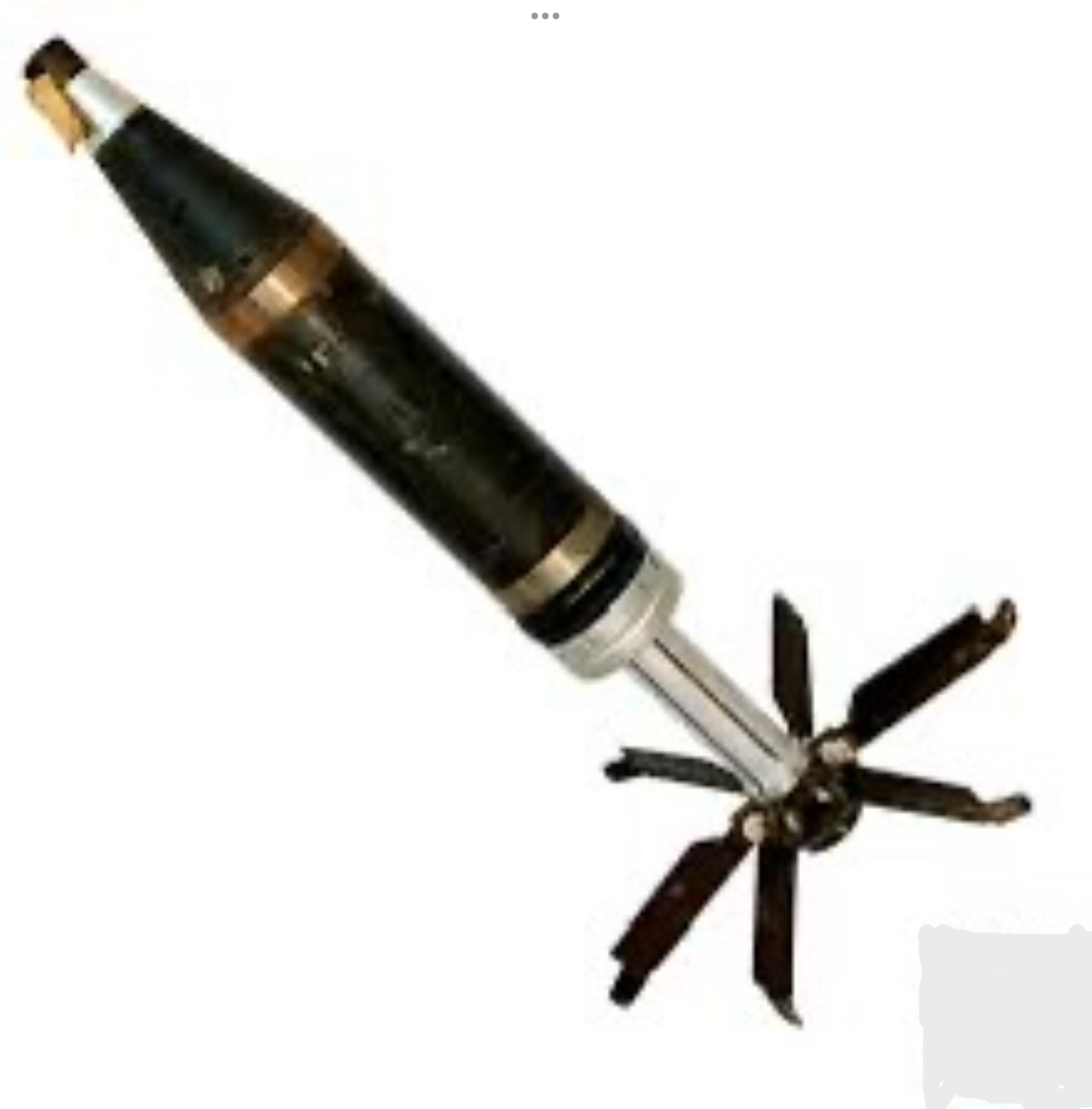
The image above shows a HEAT round compatible with the T-34-85’s main gun, specifically the 3BK-2 and 3BK-2M HEAT-FS rounds. The 3BK-2 uses a steel-lined shaped charge, while the 3BK-2M features an improved copper liner for greater penetration.
These rounds will work in any Cold War-era T-34-85, as long as they were purchased by the operator in the first place. This includes the East German, Polish, Yugoslav and Czechoslovak T-34-85 tanks.
Thank you @SoyBeanInhaler
8 Likes
+1 t-34 and not copy paste
1 Like