Yes, and that’s why I only said “if possible.” Finding direct photographic evidence of ARH missiles mounted on those stations is becoming increasingly unlikely. Nowadays, the PLAAF seems more inclined to showcase fleet scale rather than specific weapon loadouts.
So if we want more photographic evidence, we might have to wait until some future conflict breaks out someday XD. Of course, I was only joking. No one truly wants to see more conflicts break out in reality. After all, conflict always means the loss of lives and many other negative consequences. I sincerely apologize if I caused any offense.
I’m very glad to see so much interest in this topic, and I sincerely appreciate everyone’s discussion and support. In any case, I will continue searching for more evidence by examining additional images from publicly available sources. Wish me luck.
These are of course not sufficient, because the issue section requires at least two independent sources to cross-verify each other. (Although the issue section seems to be somewhat out of control nowadays, especially regarding Chinese vehicles and their weapon systems.)
herefore, I also hope that if anyone finds more evidence that could support the 10+2 air-to-air missile loadout capability for the J-16 and other new-generation Chinese Flankers, based strictly on publicly available and non-classified sources, you could share and supplement it here. I really do not want to see any leaks again…
no way we get chinese leaks lol
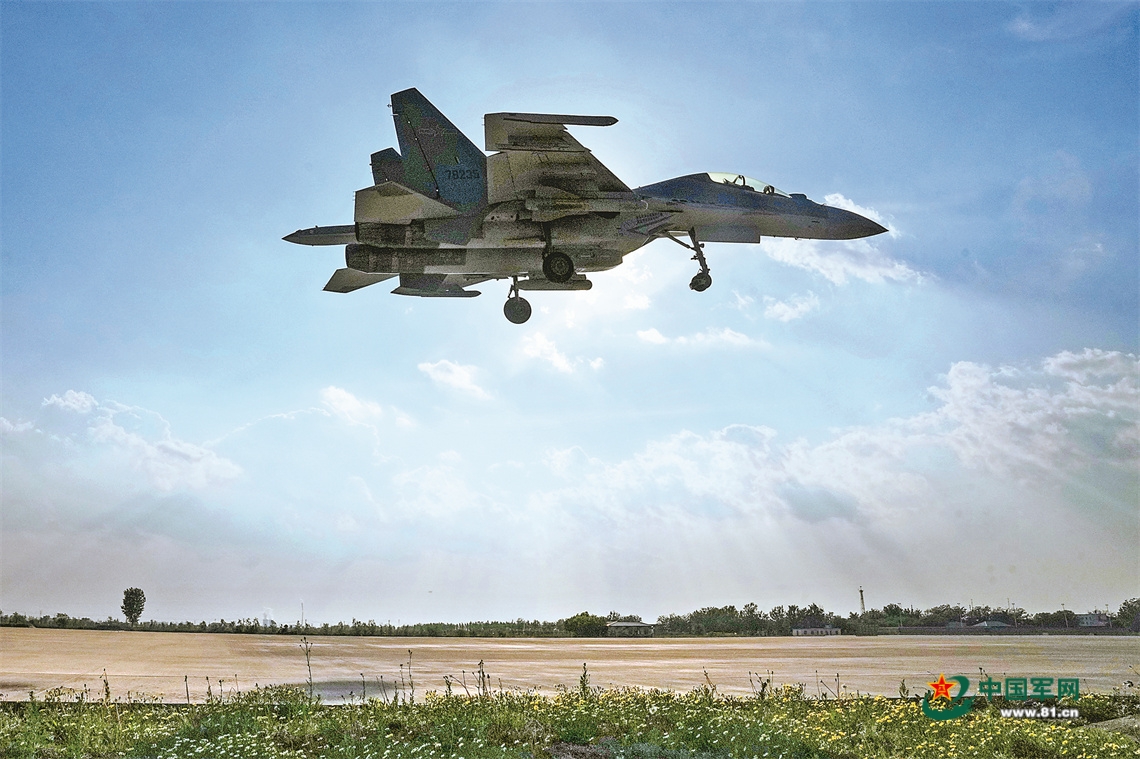
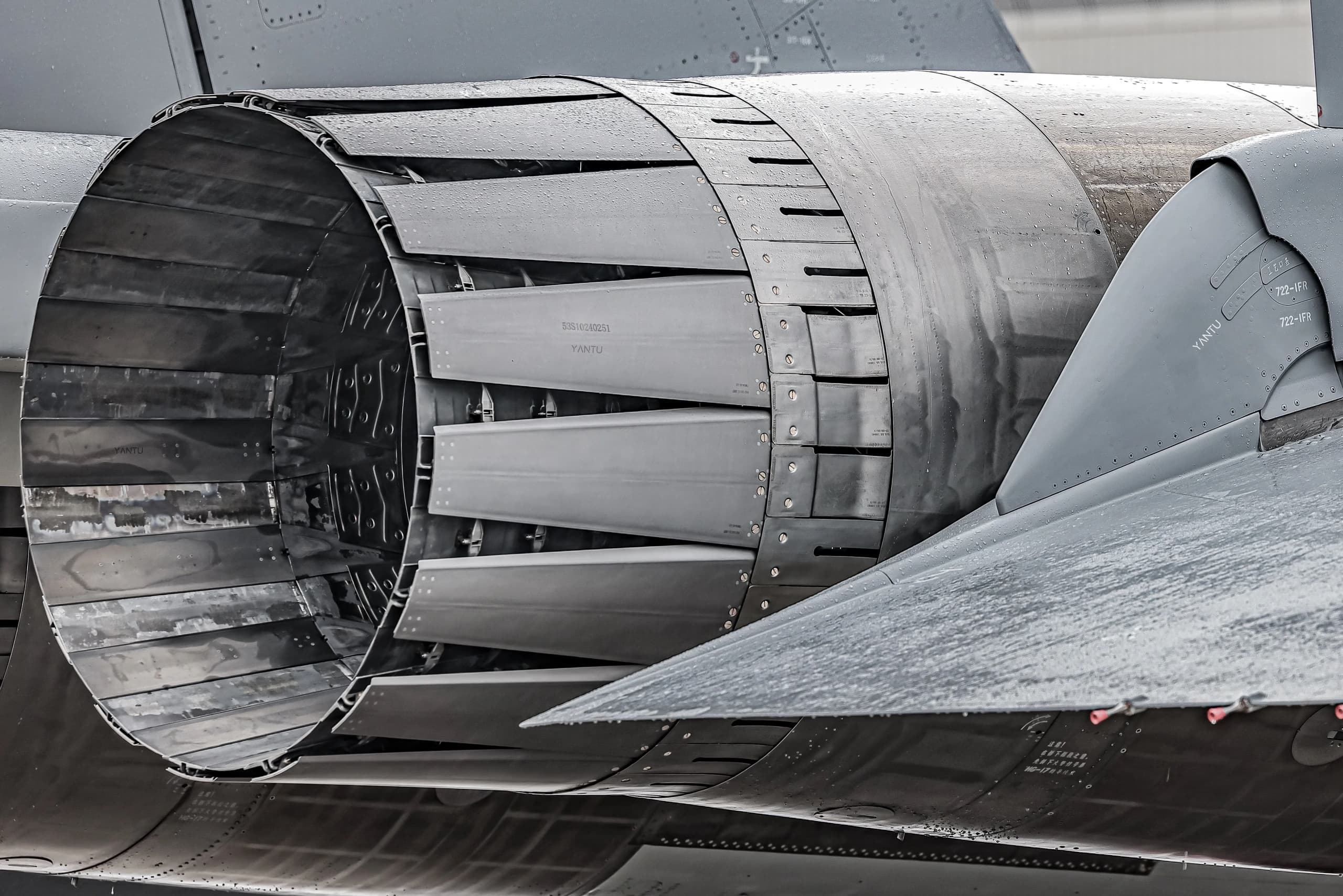
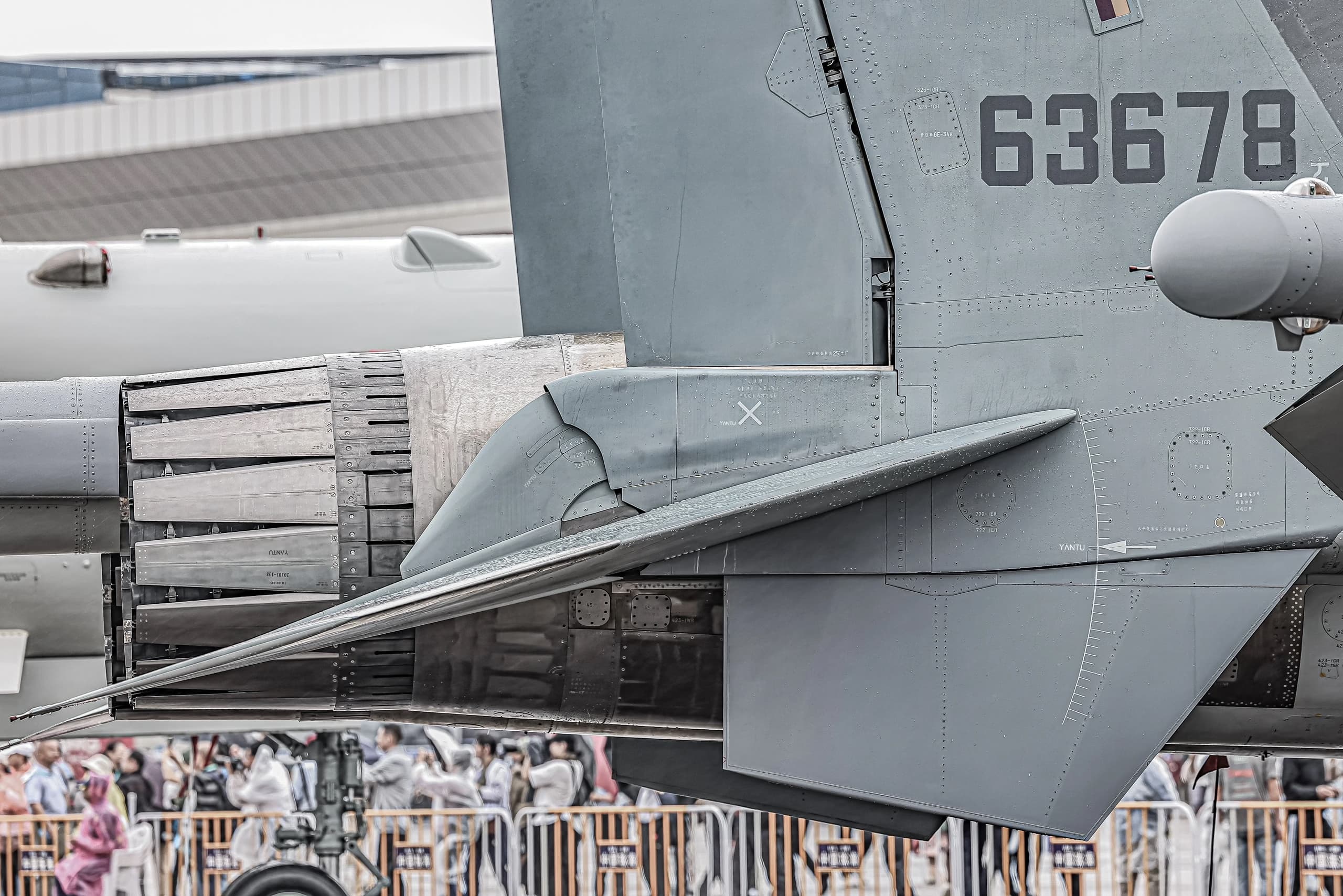
J-16s equipped with different engines (Please ignore the J-16 with the serial number 66666—it is the photographer’s joke photoshop).
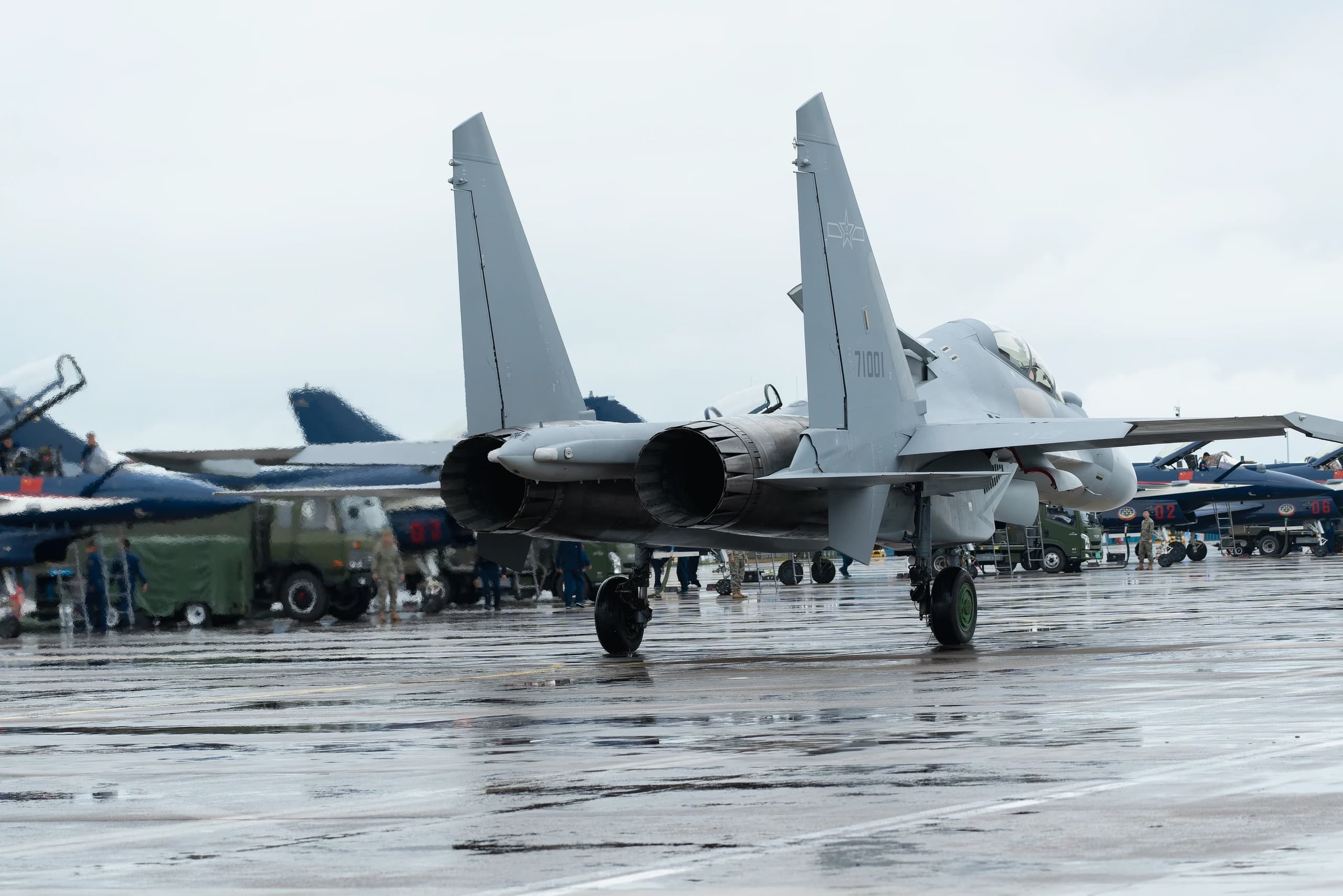
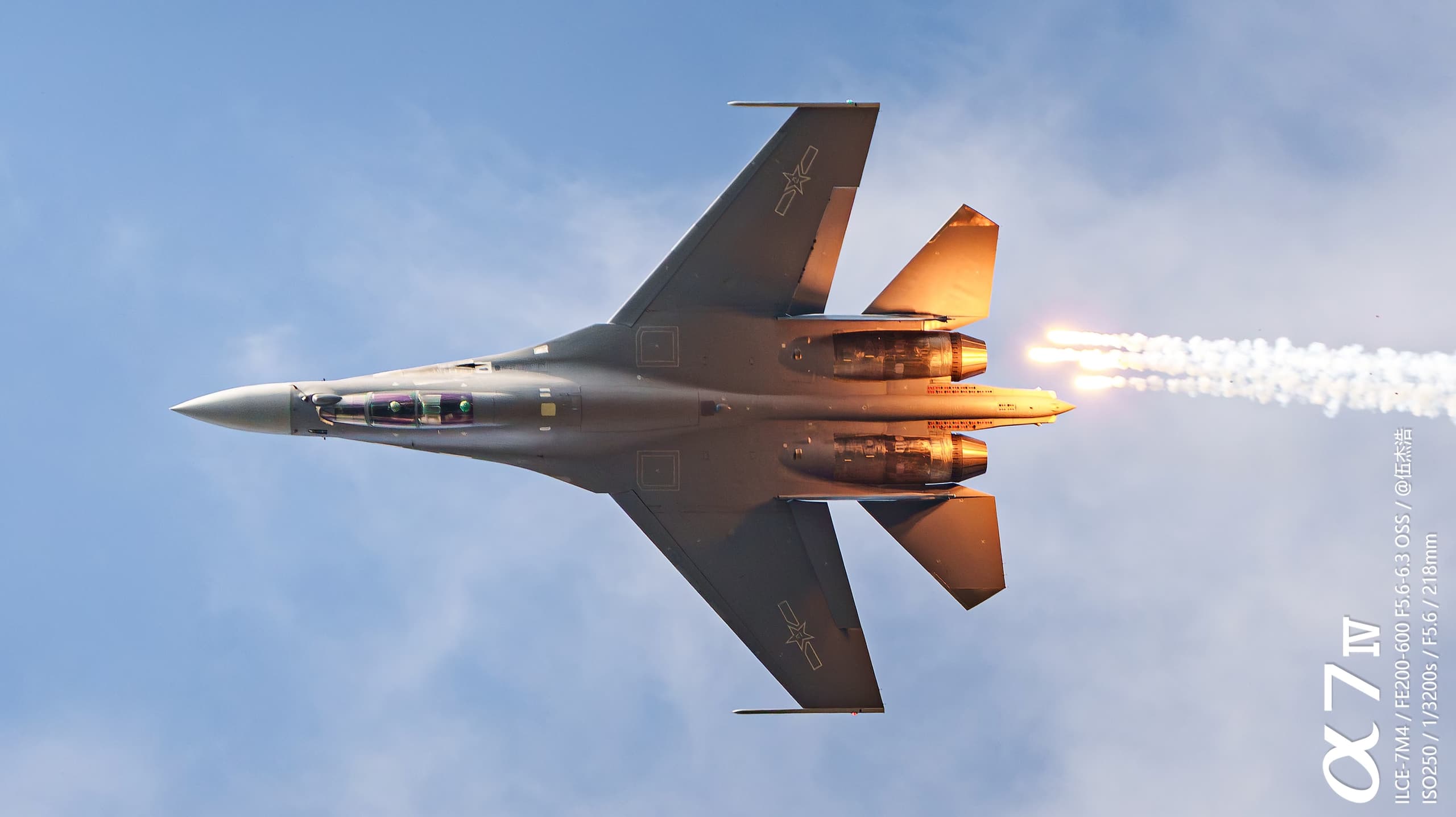
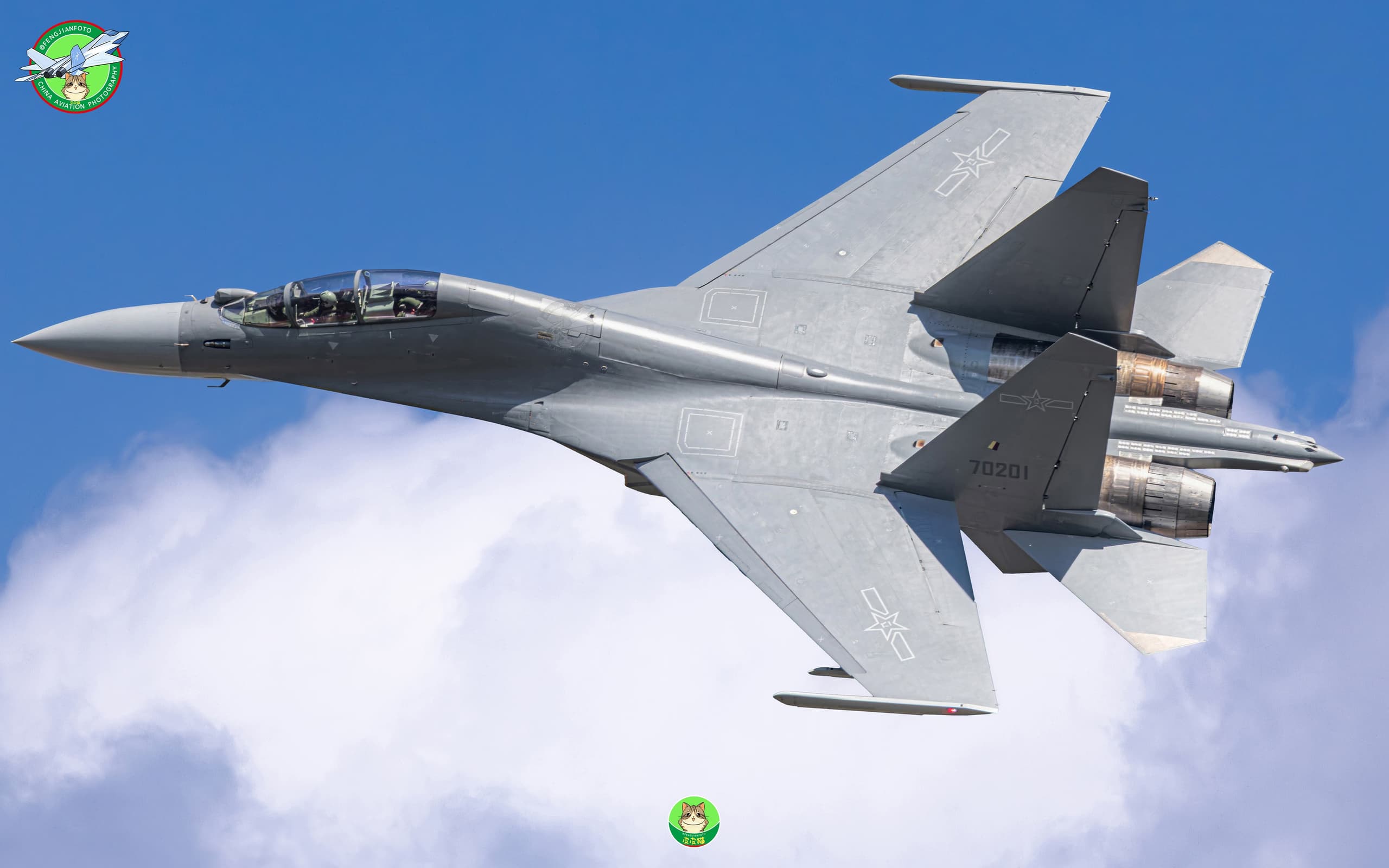
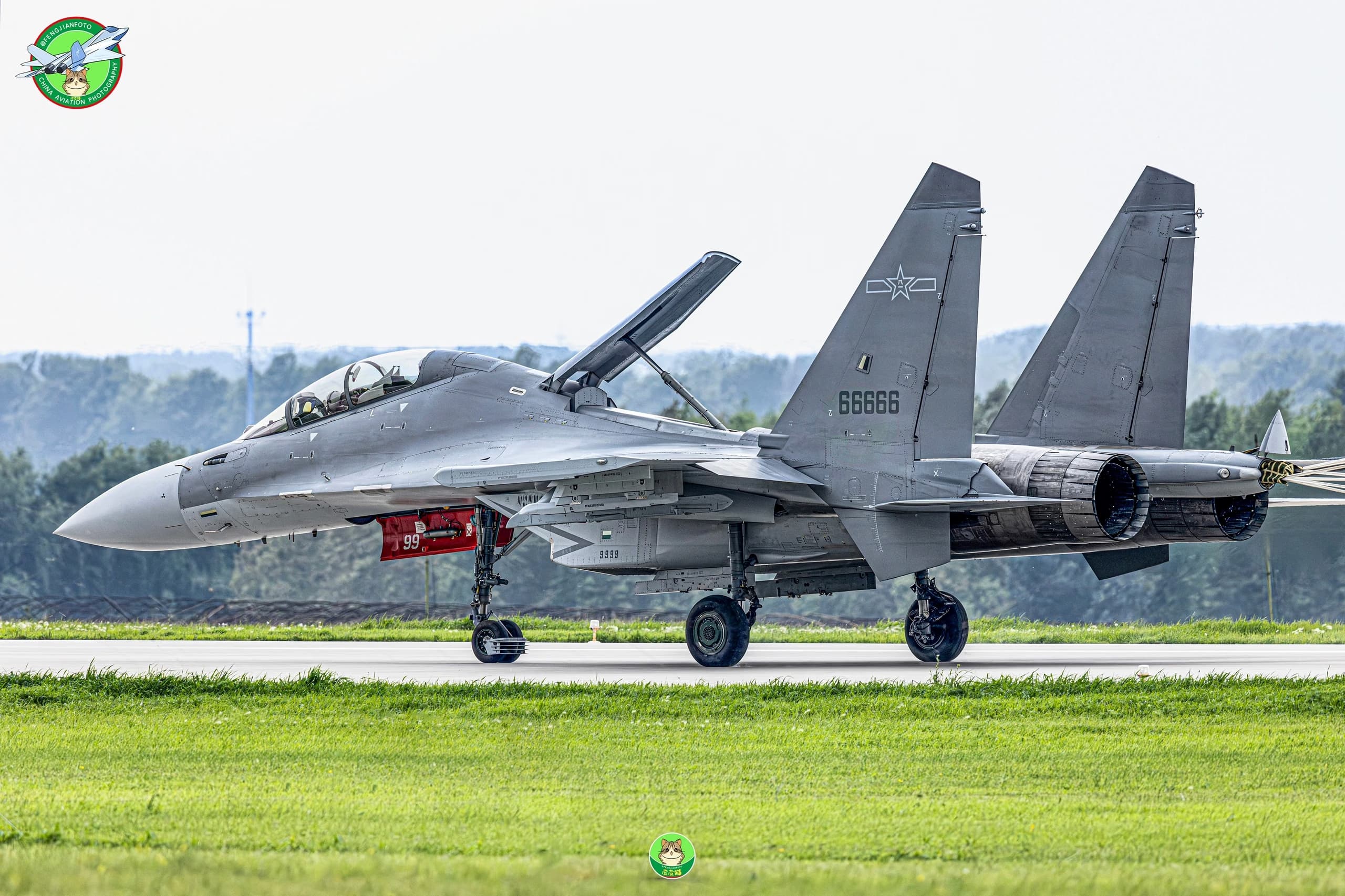
Both are powered by the WS-10B. The former should be the newer WS-10B3 (also designated WS-10D), while the latter is an earlier variant of the WS-10B (used in early-batch J-16s and later improved J-11B/BS models).
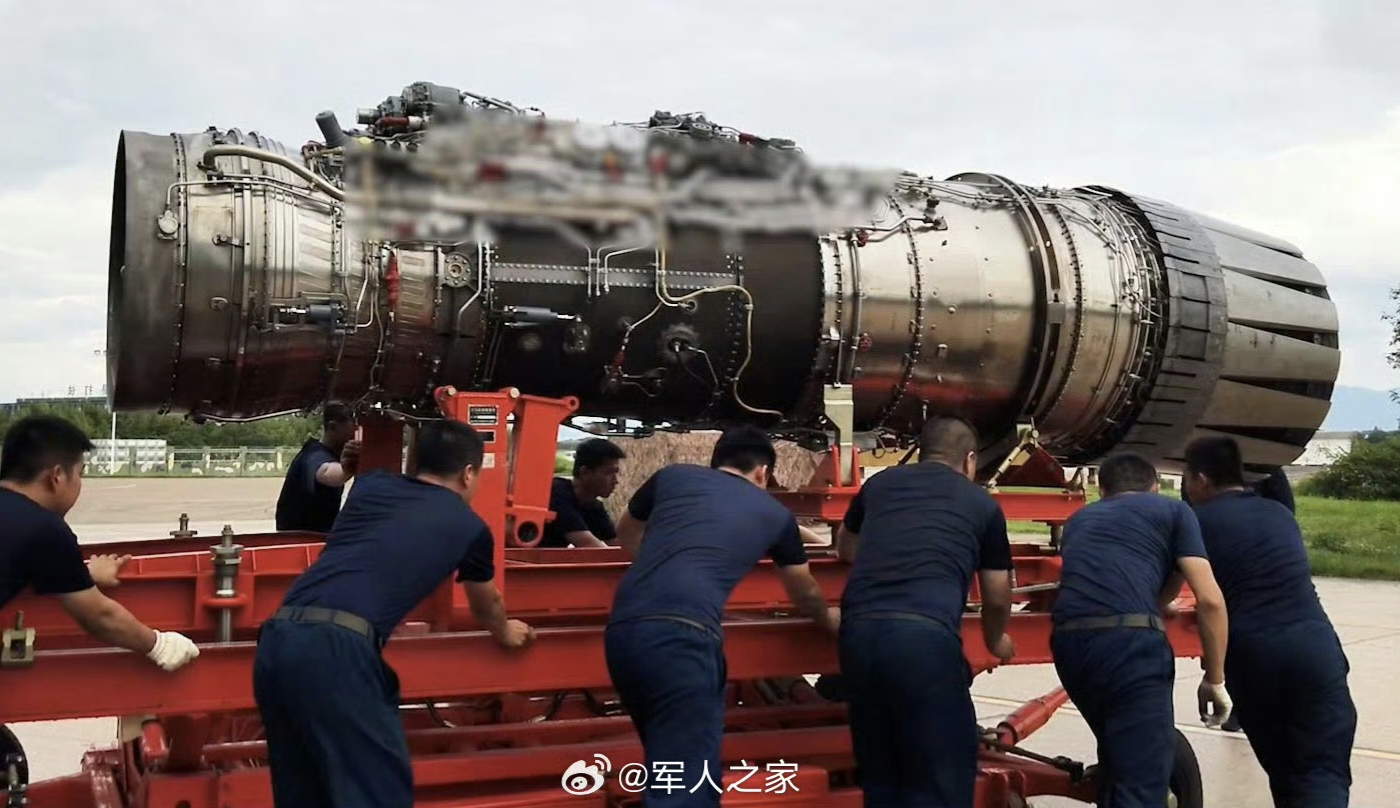
ws10b3
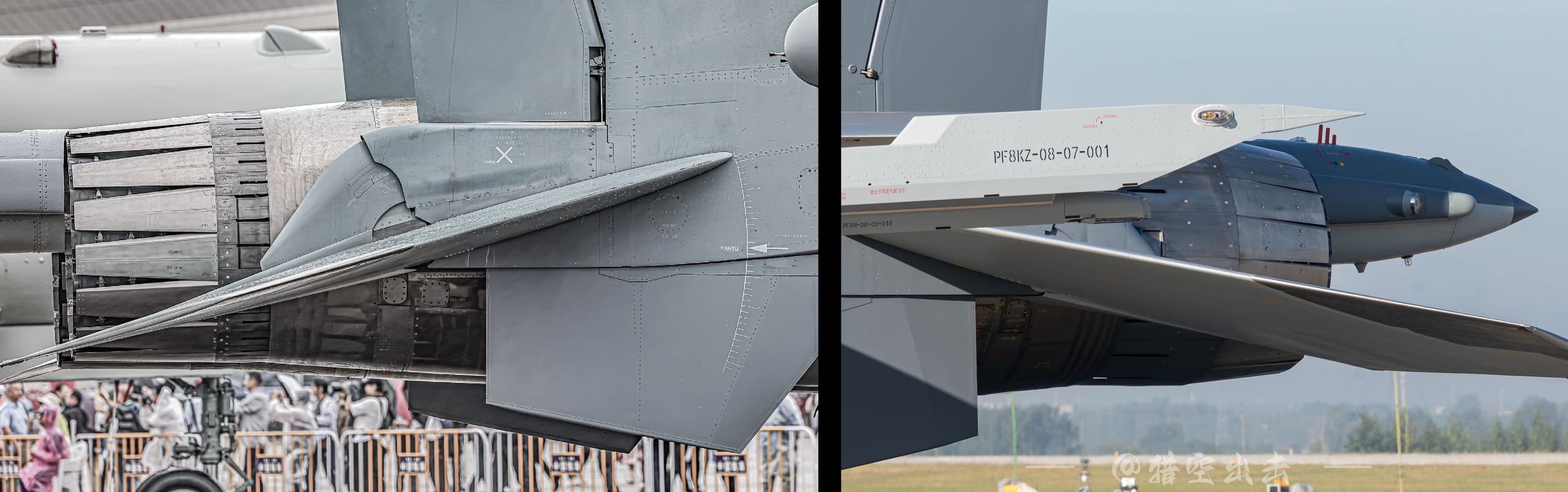
The WS-10B3 is characterized by noticeably longer convergent flaps (with a more pronounced angle between them), vertical stripe patterns in the central area of each flap, and a smaller area of darker-colored heat-dissipating skin.
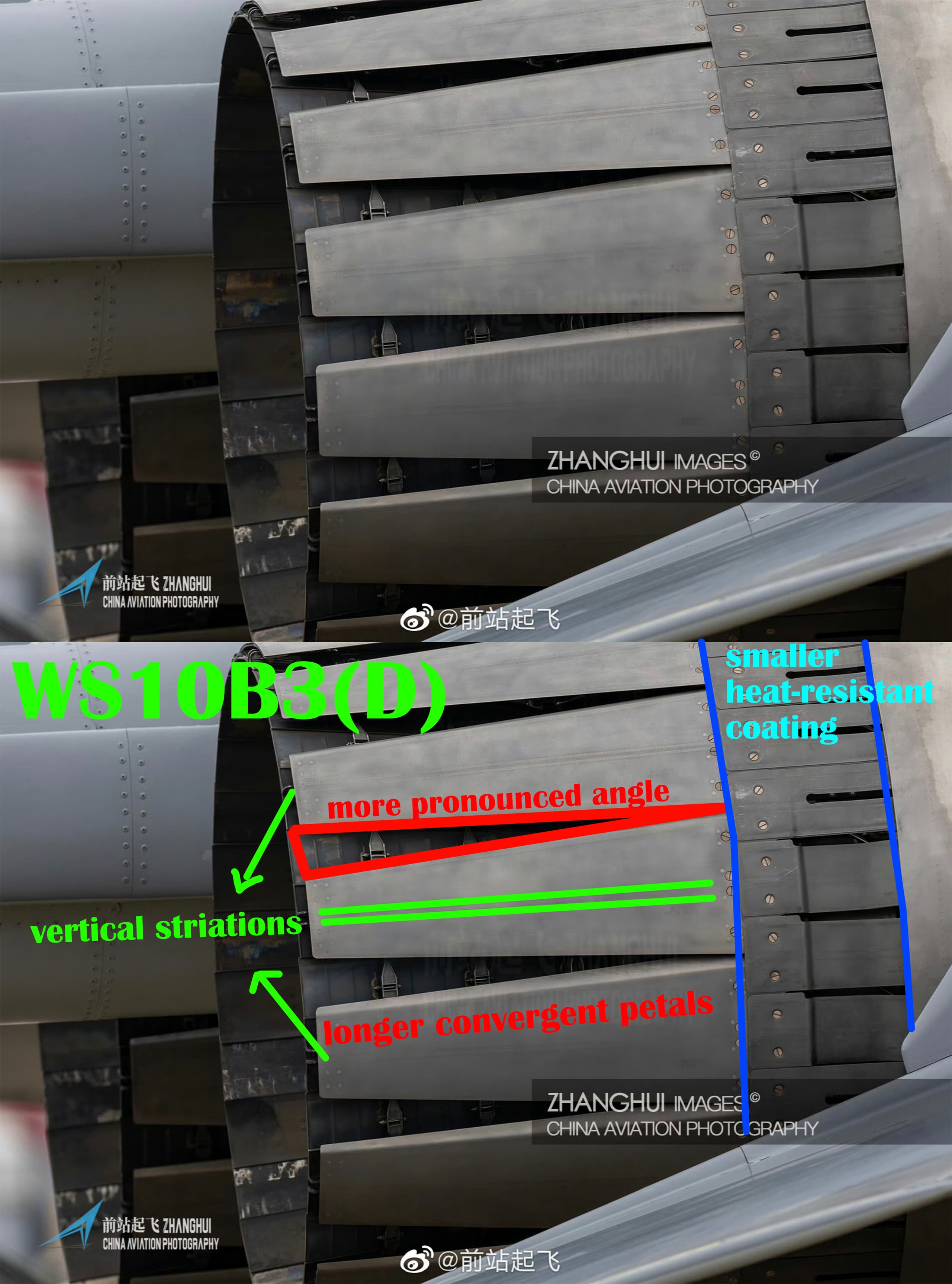
The unknown twin rack under the J-16’s air intake。If it truly is a missile composite pylon, that would be very interesting.
@MightyBaozi As I am researching for later batches, I came across some posts and pictures; apperantly the radome color wasn’t changed until Batch 05, I’ve also found Batch 02 and 03 J-16s with black radome, unless I missed something.
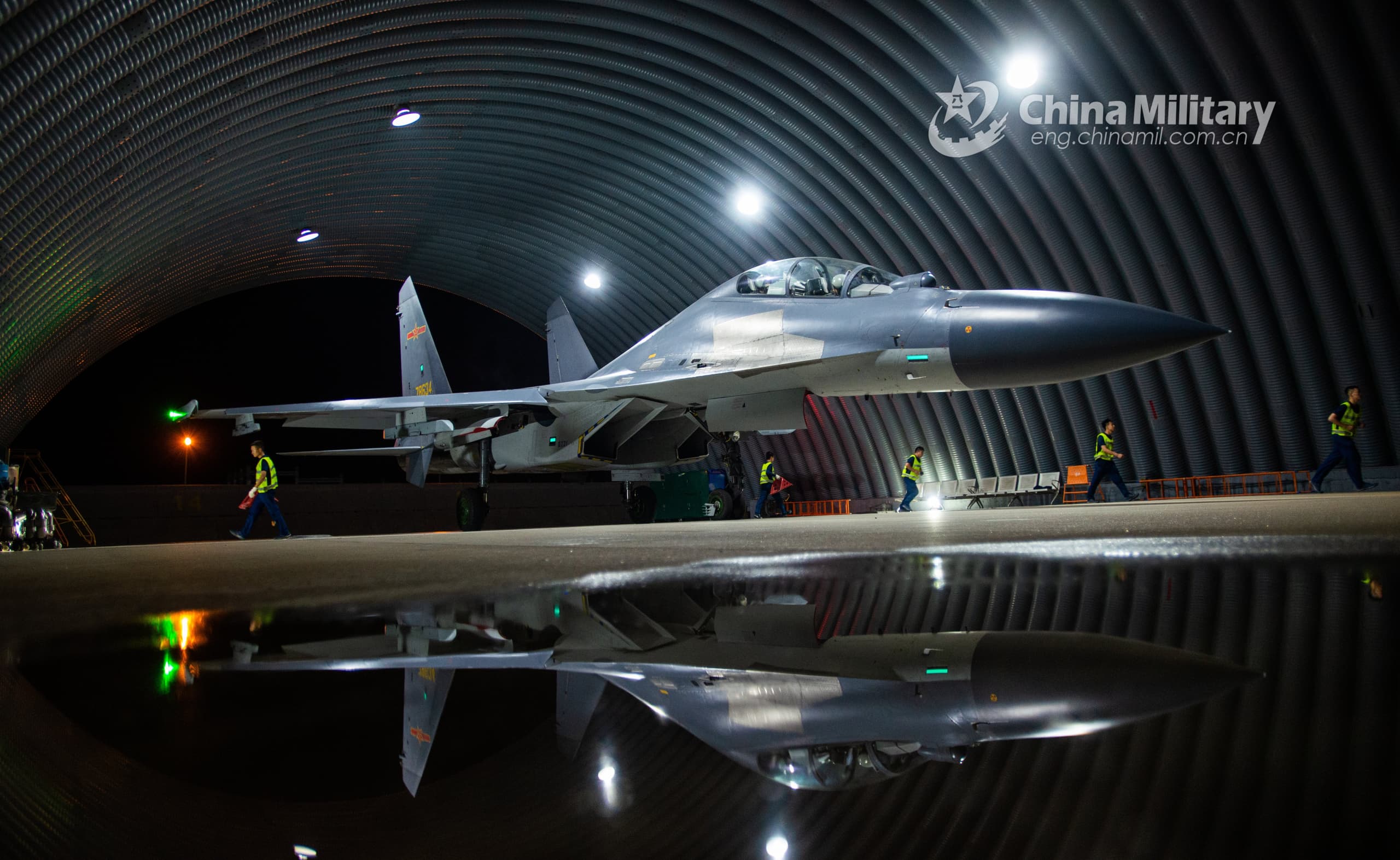

You would have to change your suggested vehicle or adjust the Information. ^^°
Have you ever found a batch 04 J-16 with balck radome?
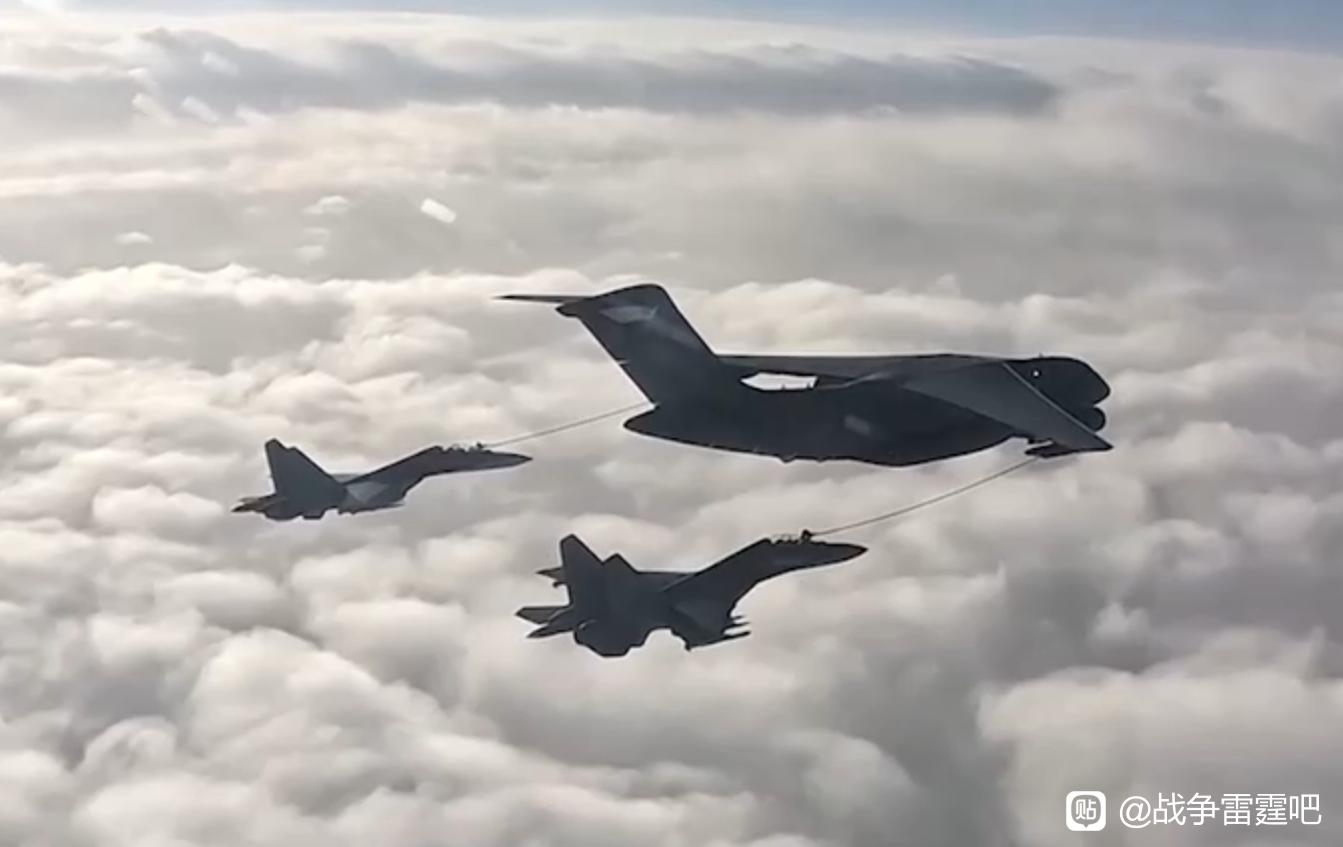
I’m not sure if Chinese engineers reverse engineering Kh-29 missiles.
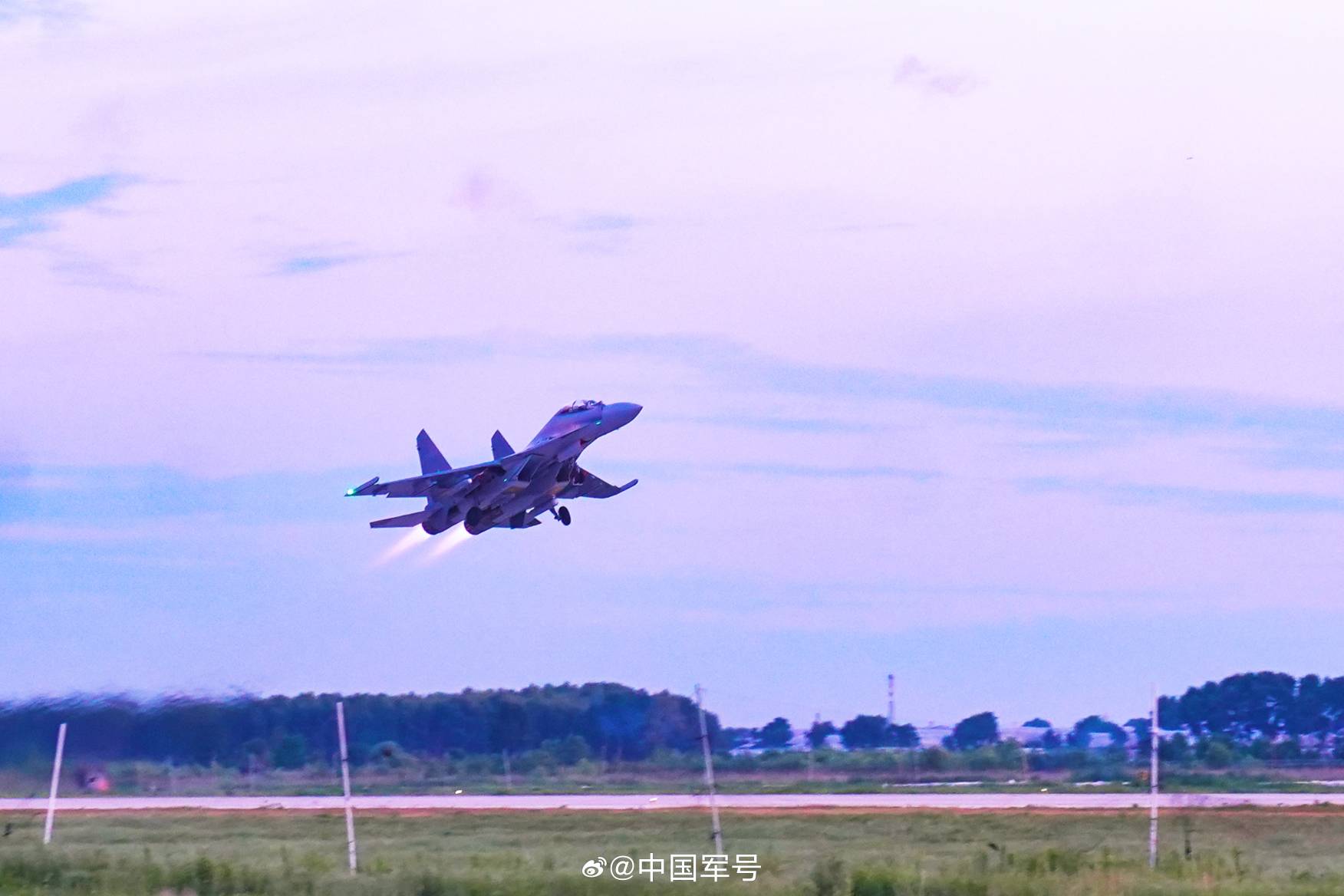
But this picture post by China Military Online shows J-16 carring a white head Kh-29. Might be an IR seeker model?
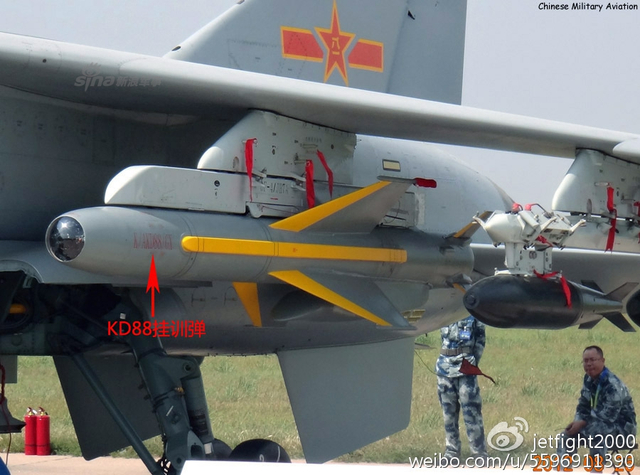
looks like the kd88?
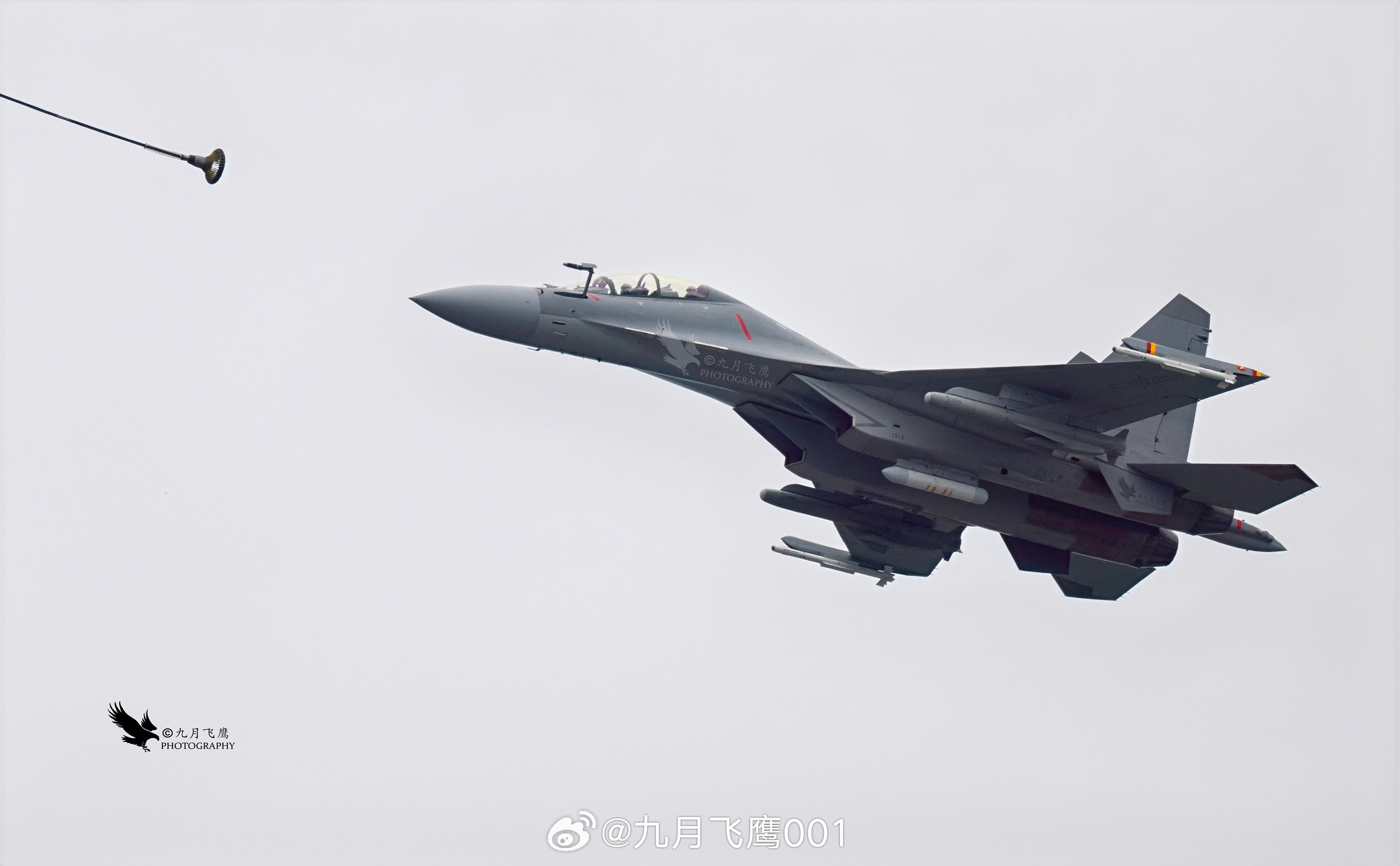
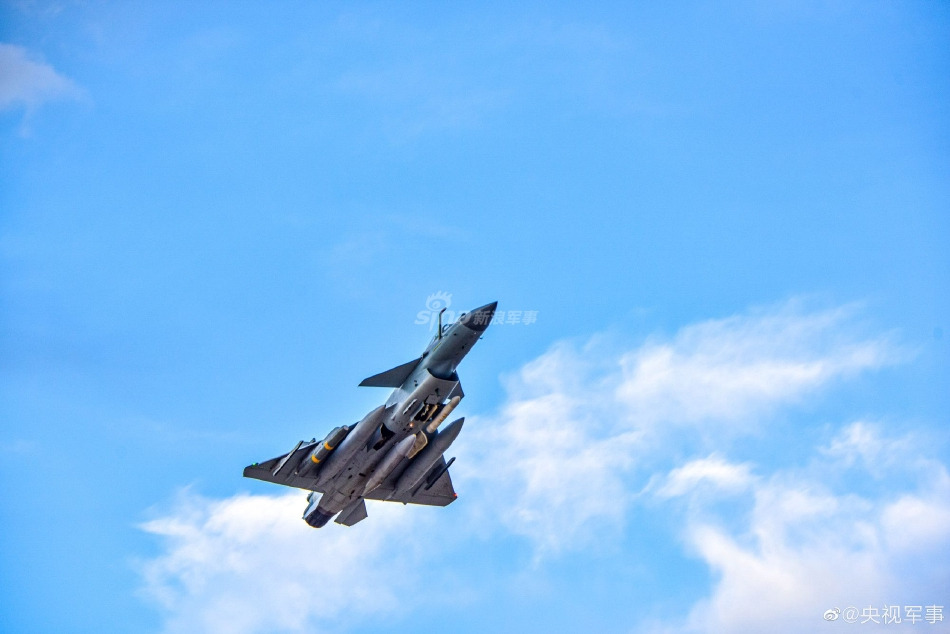
If it has no wings, does it guide itself with tvc or something?
And how does it glide?
it’s actually a training pod. like KAB500KR-U
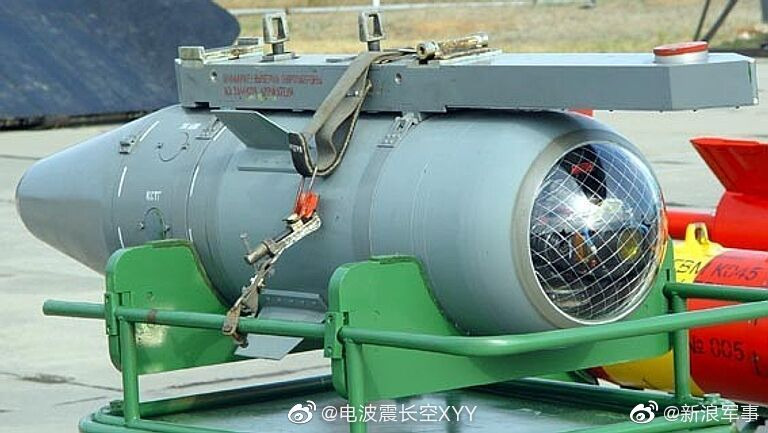
KD-88 needs datalink pod, but this J-16 is carring a targeting pod rather than a datalink pod
nope
KD-88 have to carry a datalink pod with a sharp head. but this J-16 is carring a targeting pod with a round head.
KD-88’s head is exceeded the rack’s head . but kh-29 's head is nearly flush with the rack.

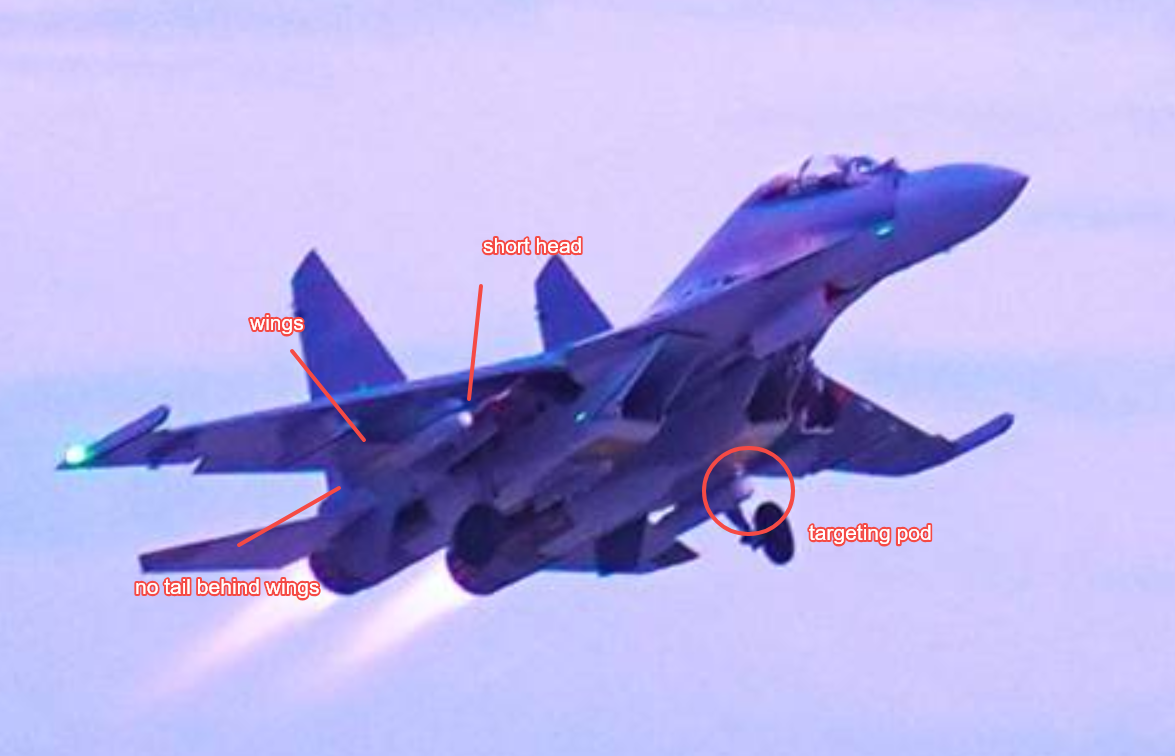
not so necessary, as long as you give up the man in the loop ability.
it’s some kind of new undersized training pod, smaller because it don’t have warhead and engine
Spoiler
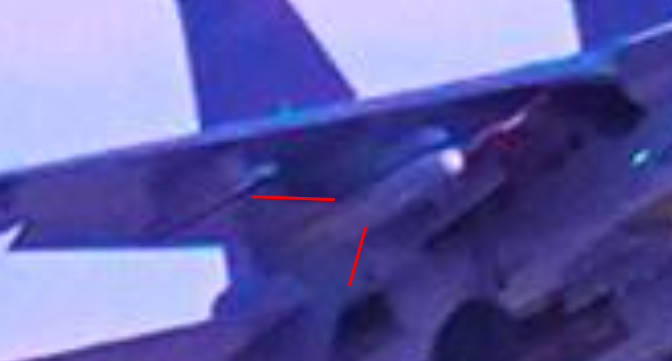
The pixels clearly show that it’s somewhat different from the KD-88, but it’s hard to tell exactly what it is from a photo like this. And the lack of a datalink can always be justified by the fact that these missiles could have simply been transported by plane.
I’ve never seen any photo or video when chinese jet carring kd-88 but without a datalink pod.
apart from game no one will use a kd-88 missile as a kh-29/agm-65 .