- Yes
- No
If you voted no, please feel free to say why in the comments, thank you.
Sources
TM 9-2300-257-10
APC M113
M-113 - K Troop - 11th Armored Cavalry Regiment - Hosted By Bob Hersey
M113 Armored Personal Carrier (1954)
VERSION 2
History
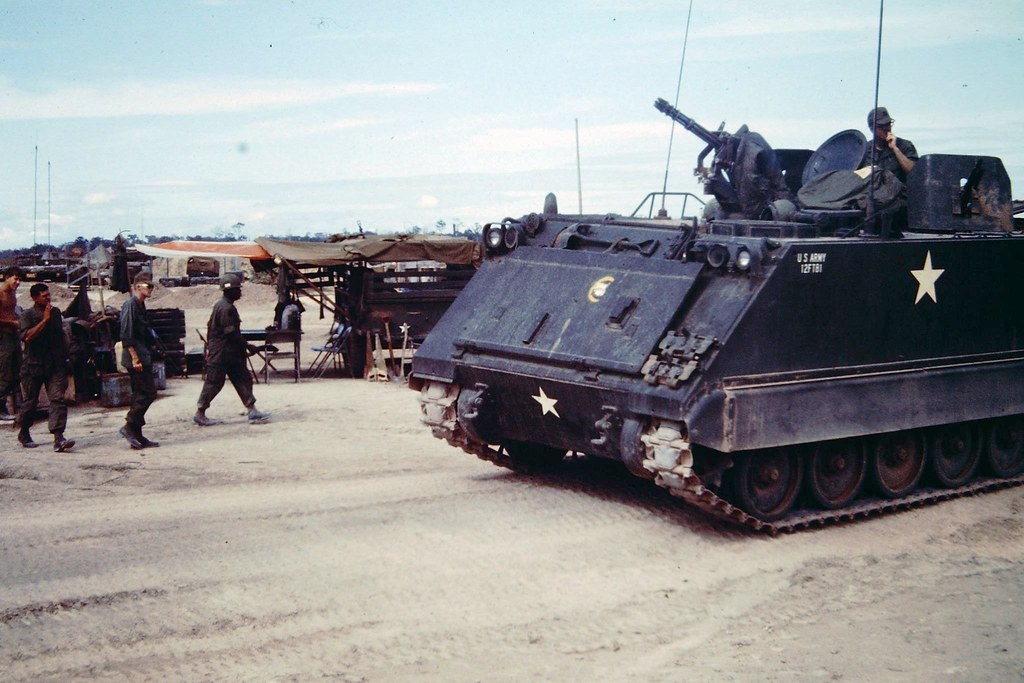
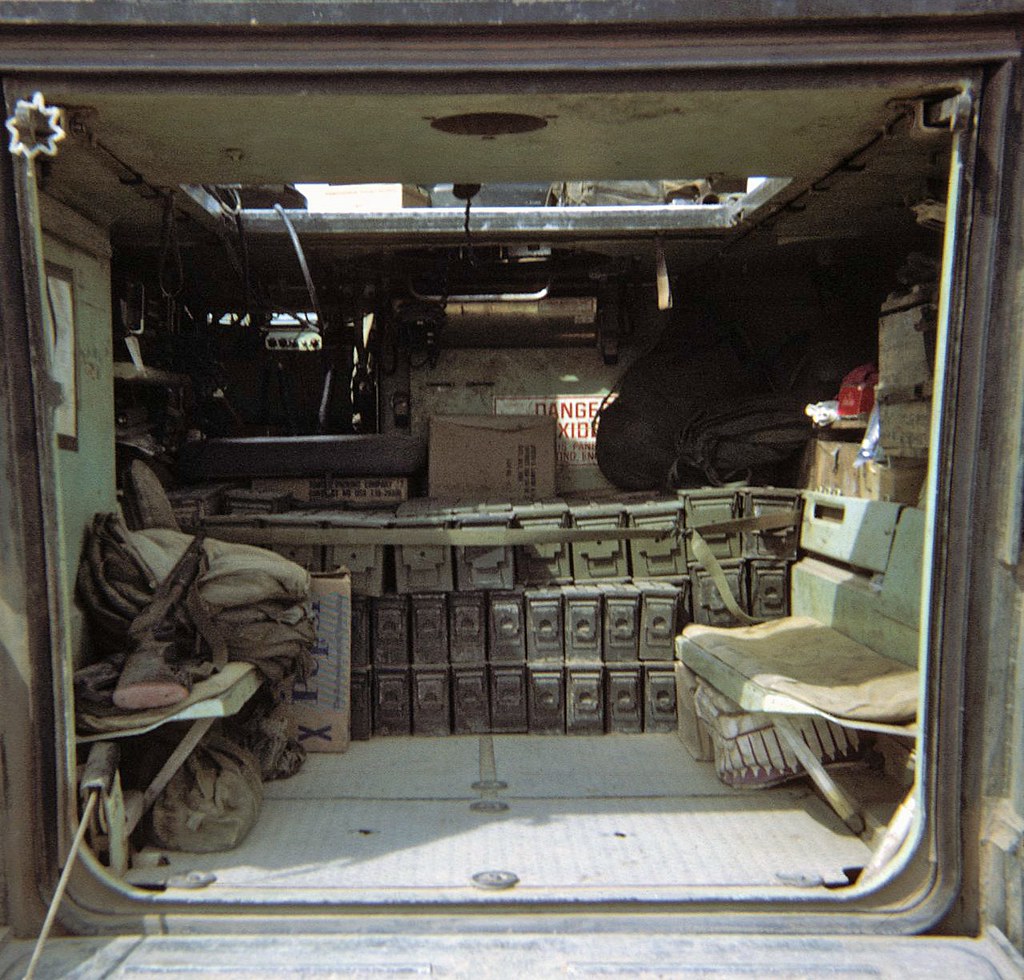
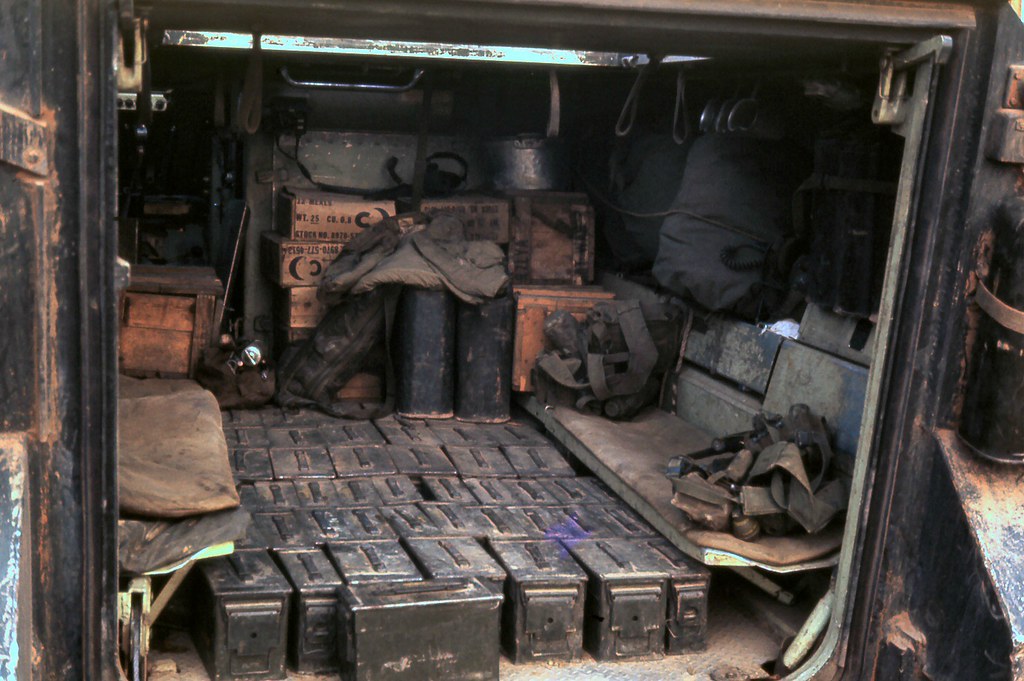
During the Vietnam War, the M113 was used extensively by both the United States and the ARVN. The development of the M113 armored personnel carrier (APC) began in the mid-1950s to address a critical tactical dilemma for the U.S. Army: how to safely transport mechanized infantry squads across highly dangerous, fluid battlefields while keeping pace with the rapid development of main battle tanks. Prior American attempts at armored transports, specifically the steel-hulled M75 and M59, were burdened by crippling drawbacks. They were excessively heavy, complex to maintain, expensive to mass-produce, and severely lacked the native amphibious capabilities needed to cross water barriers without preparation. Seeking a highly versatile vehicle that could be easily airlifted by cargo aircraft, swim across rivers, and remain logistically straightforward to field, the Army Ordnance Tank-Automotive Command issued a strict directive for an entirely new generation of lightweight battlefield transports.
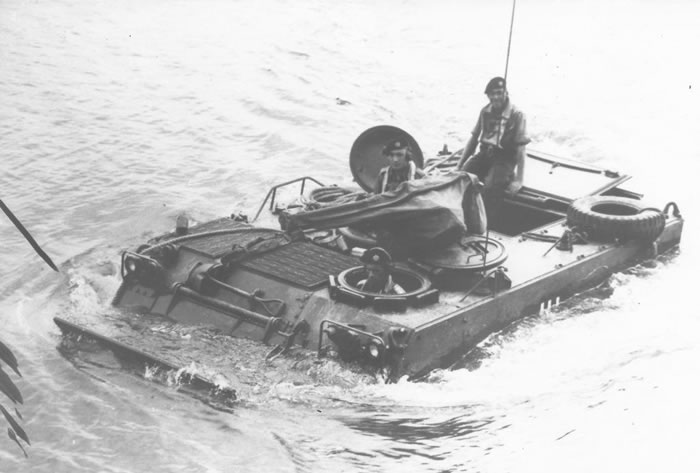
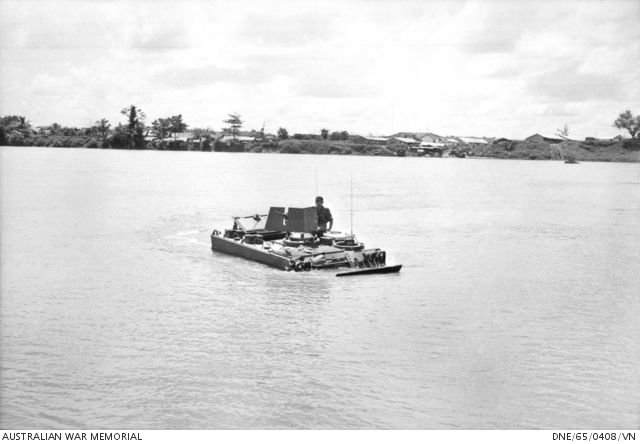
The development contract was awarded to the Food Machinery and Chemical Corporation (FMC), whose design team pioneered a radical approach to weight reduction. FMC manufactured two competitive prototypes side-by-side: the steel-hulled T117 and the T113, which daringly utilized a hull constructed from high-strength, aircraft-grade 5083 aluminum alloy armor. This unique aluminum composition provided ballistic protection equivalent to traditional steel against small-arms fire and artillery shrapnel, at a fraction of the structural weight. Because of this drastically reduced mass, the T113 boasted vastly superior cross-country mobility, fuel efficiency, and a naturally buoyant chassis that could swim through calm waters using only its tracks for propulsion. It won the design competition outright and was officially standardized as the M113 in 1960.
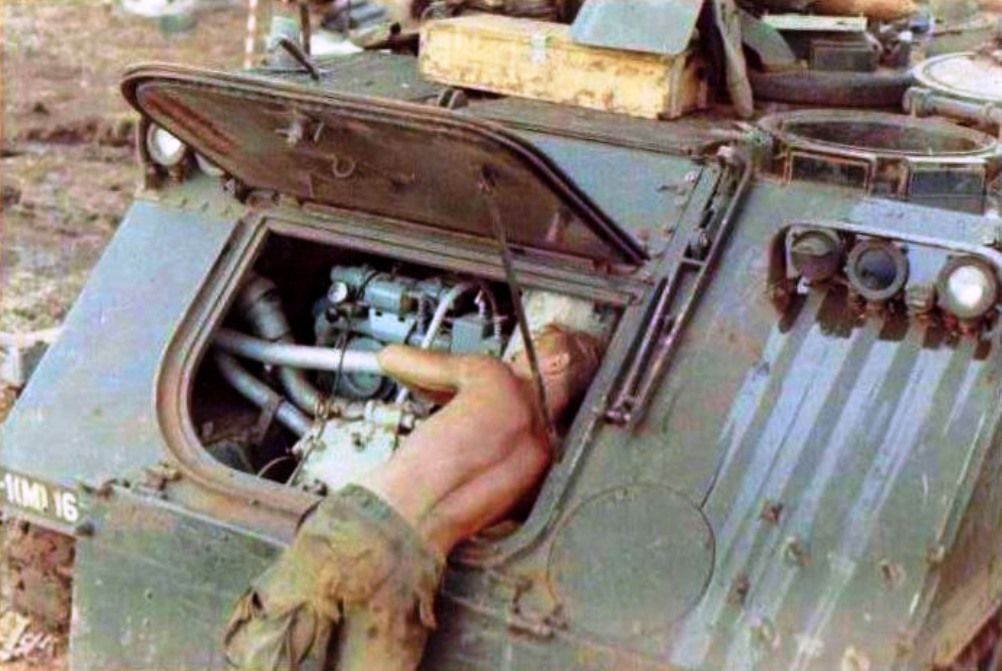
This initial production variant was defined by its highly recognizable, boxy profile, featuring a large hydraulic rear ramp for rapid squad deployment, a spacious interior configured for an 11-man infantry team, and an open commander’s cupola armed with a single .50 caliber M2 Browning machine gun. Early units were propelled by a 209-horsepower Chrysler 75M V8 gasoline engine. While the vehicle performed exceptionally well logistically, its combat debut—beginning in April 1962, when it was deployed with the Army of the Republic of Vietnam (ARVN)—uncovered a deadly vulnerability. The volatile gasoline fuel lines and tanks posed a severe secondary fire hazard; when hit by a landmine or an enemy rocket, the fuel would instantly ignite, engulfing the crew compartment in a catastrophic fireball. FMC urgently initiated a modernization program in 1963, swapping out the hazardous gasoline powertrain for a 215-horsepower Detroit Diesel 6V53 two-stroke engine. This modification, designated the M113A1, entered mass production in 1964 and became the definitive standard just as U.S. combat troops flooded into Southeast Asia in 1965.
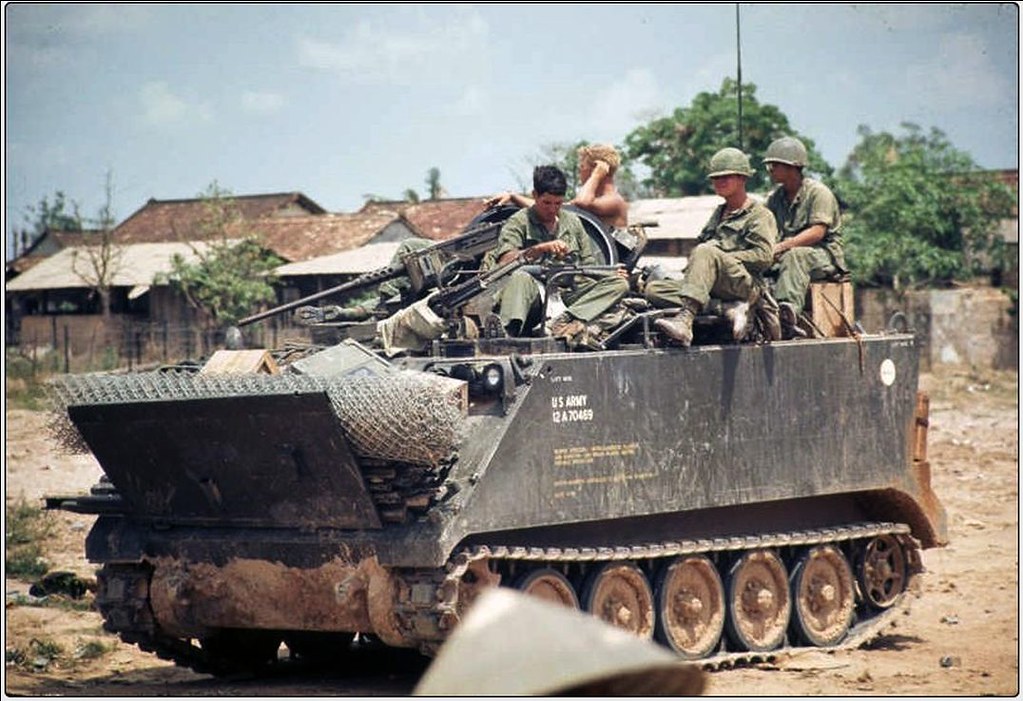
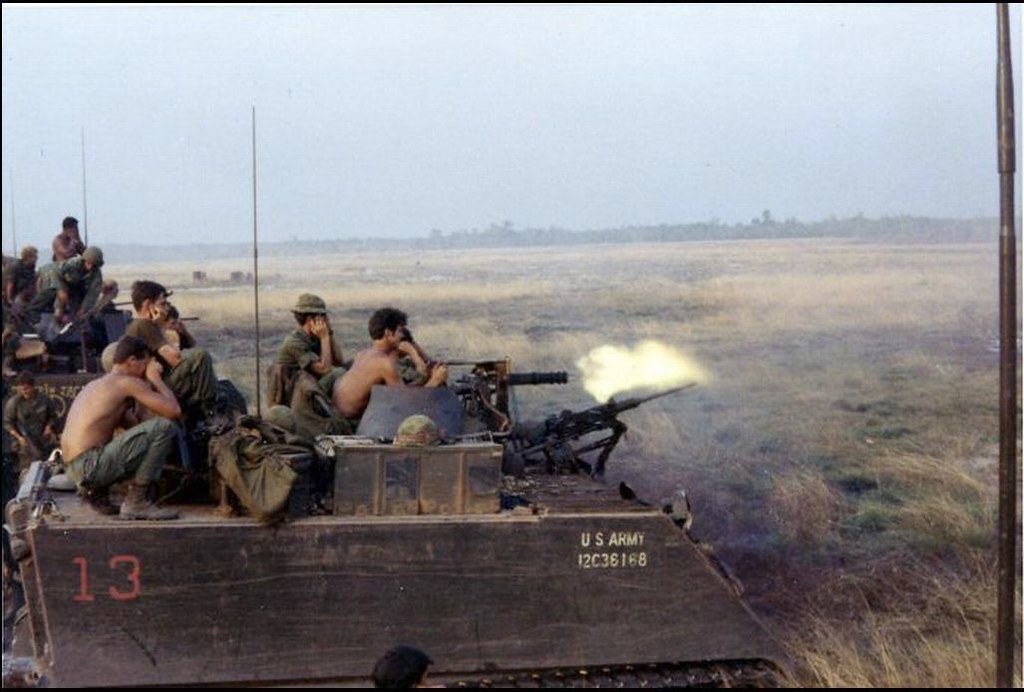
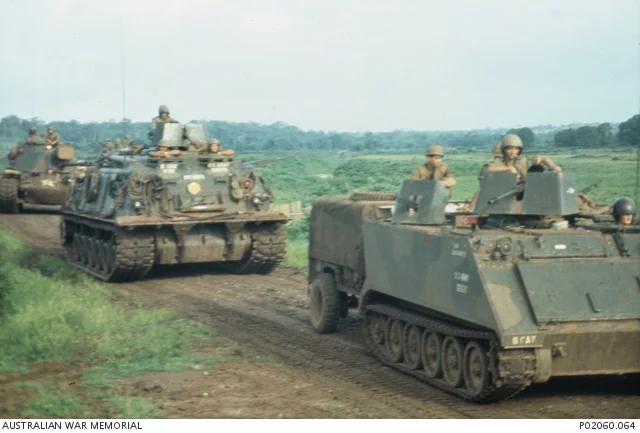
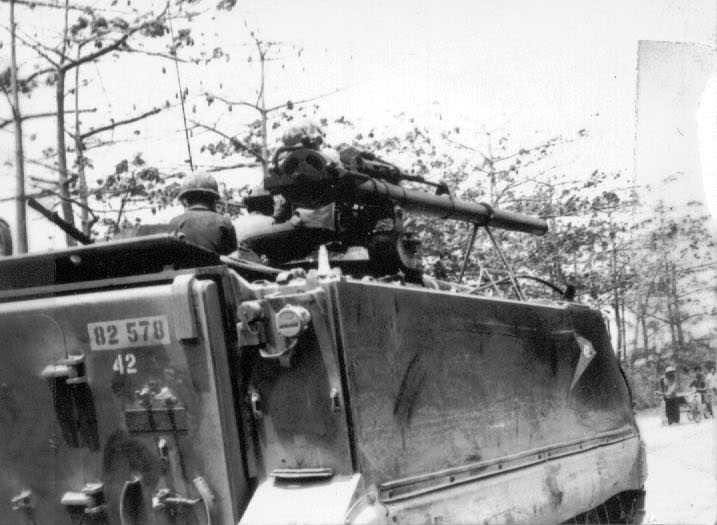
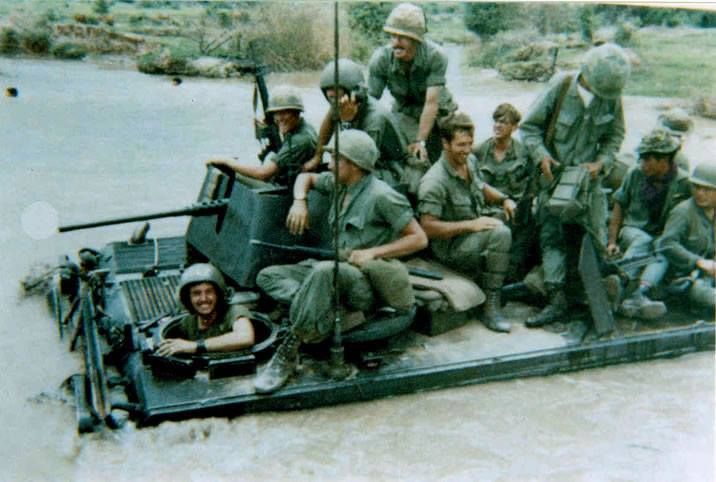
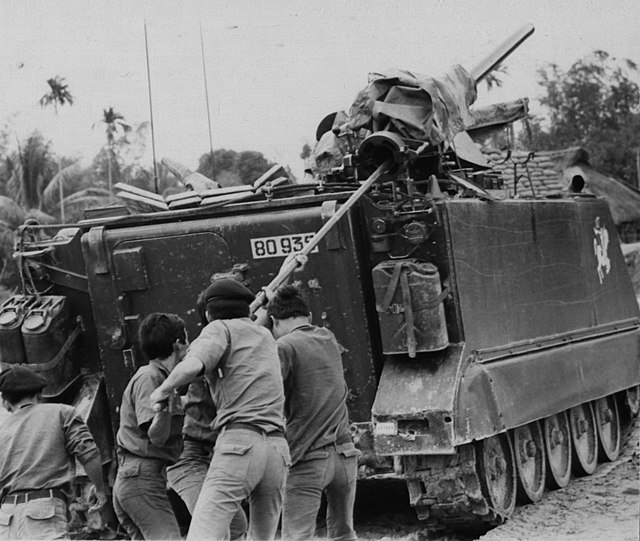
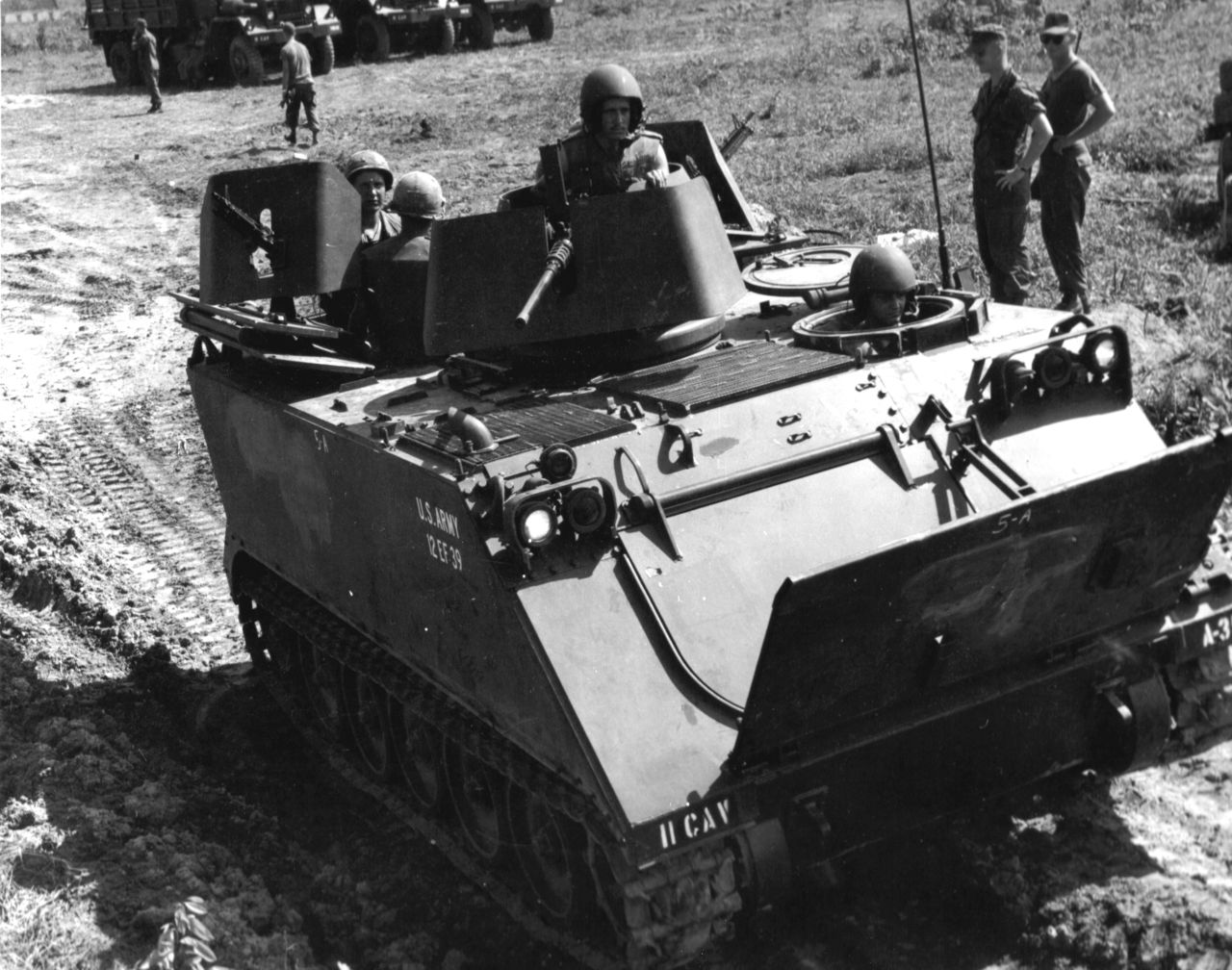
In the dense, trackless jungles and flooded rice paddies of Vietnam, the M113 proved to be an indispensable asset for reconnaissance, “search and destroy” missions, and deep incursions. However, the conflict quickly highlighted the limits of its lightweight design when facing heavy anti-tank mines and Rocket-Propelled Grenades (RPGs). Because the thin aluminum floor and side plates could not withstand shaped-charge weapons or heavy blast mines, troops routinely abandoned the interior, choosing to ride directly on top of the roof. This adaptation enabled maximum situational awareness and immediate escape from an ambush, rather than risking entrapment in a burning vehicle. Field units also aggressively modified their tracks by scrounging armor and weapons. This localized ingenuity directly inspired the official, yet field-retrofitted, M113 Armored Cavalry Assault Vehicle (ACAV) variant, which added circular protective gun shields around the commander’s machine gun and two side-facing M60 machine guns to significantly boost localized firepower.
The lessons of Vietnam and the escalating tensions of the Cold War in Europe forced the M113 platform to undergo a continuous mechanical evolution. In 1979, the U.S. Army introduced the M113A2 upgrade, which focused entirely on improving automotive reliability and cooling. This variant introduced high-strength torsion bars to beef up the suspension, upgraded shock absorbers to handle rough terrain, and a heavily redesigned radiator system to prevent engine overheating in tropical or desert climates. Crucially, the internal fuel tanks were relocated outside the vehicle into armored pods flanking the rear ramp, vastly improving infantry survival rates during a hull penetration.
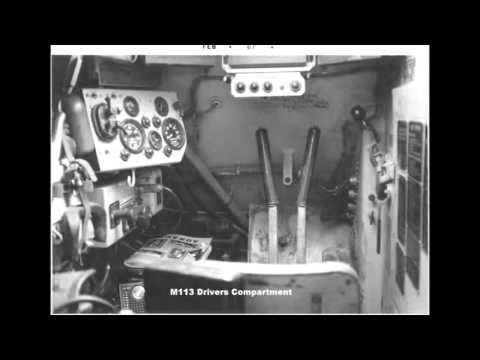
The vehicle faced its next major hurdle in the 1980s with the arrival of the high-speed M1 Abrams tank and the M2 Bradley Infantry Fighting Vehicle. The aging M113A2 simply lacked the horsepower to keep up with the rapid operational tempo of these new frontline armor spearheads. To bridge this critical mobility gap, the military rolled out the comprehensive M113A3 modernization package in 1987 under the RISE (Reliability Improvement for Selected Equipment) program. The A3 model introduced a powerful 275-horsepower turbocharged Detroit Diesel engine mated to an advanced, electronically controlled automatic cross-drive transmission, allowing steering via a steering wheel-style yoke, rather than traditional lateral levers. Furthermore, the interior was lined with Kevlar spall liners to catch metal fragments, and the exterior hull was pre-drilled to rapidly accept modular, bolt-on applique armor plates. These massive performance overhauls enabled the venerable “battle taxi” to remain operationally relevant throughout the Gulf War and the invasion of Iraq.
With over 80,000 units manufactured across dozens of specialized configurations, the M113 has secured a legacy as one of the most successful and mass-produced armored vehicles in military history. Though phased out of frontline infantry assault roles by advanced militaries, its simple, robust aluminum hull has made it an incredibly versatile “battlefield canvas” utilized by over 50 nations globally. In modern operations, the M113 continues to serve diligently in critical, second-line combat support roles—operating as armored combat ambulances, mobile command posts, mortar carriers, and engineering vehicles. Simultaneously, many international armies are currently giving older M113 hulls a second lease on life by retrofitting them with modern unmanned remote weapon stations, heavy auto-cannons, and digital command-and-control networks. This ongoing adaptability ensures that FMC’s lightweight design from the 1950s remains an active, surviving workhorse on the battlefields of the 21st century.
Field mods
During the Vietnam War, the ARVN crews discovered quickly that the commander’s position was extremely dangerous. In response, the crews created makeshift armor from whatever soft metal they could find. Shortly after this, the US Army adopted its own version of the gun shield that offered the commander protection against gunfire from all sides.
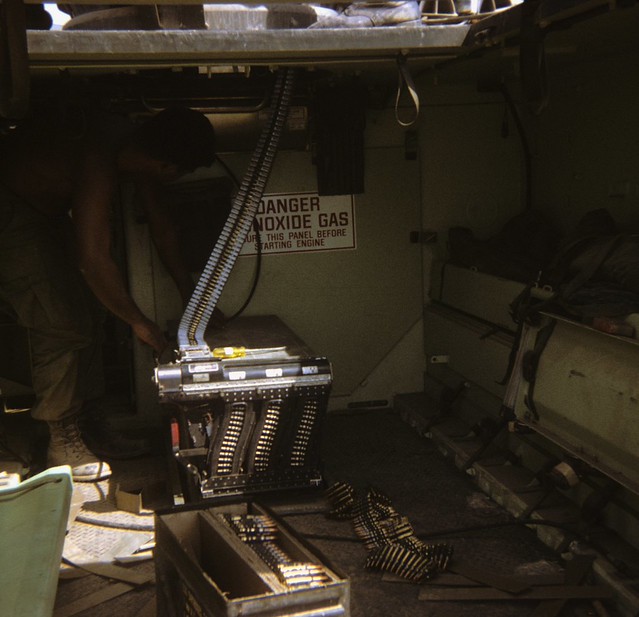
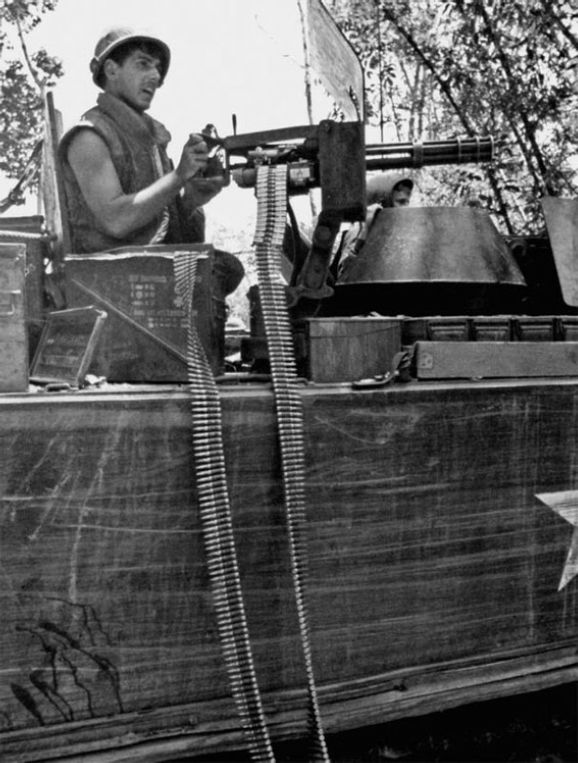
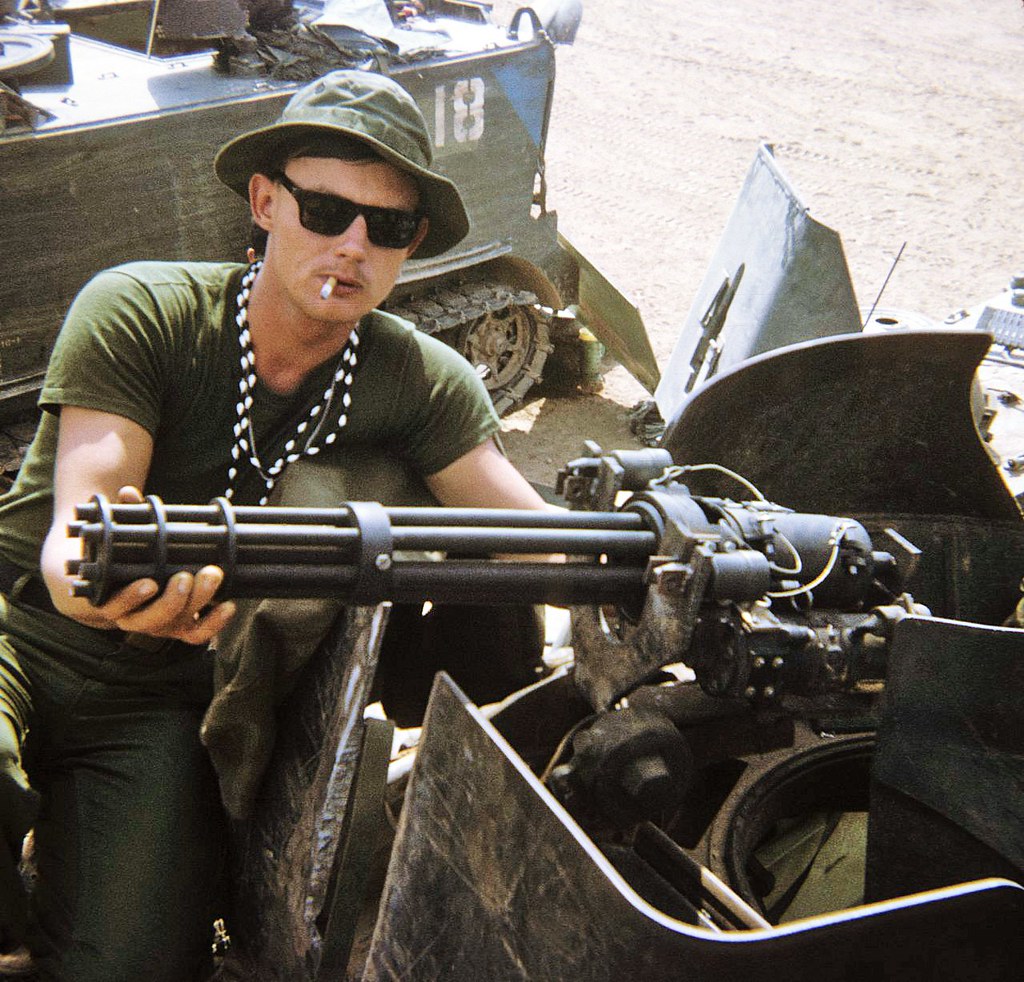
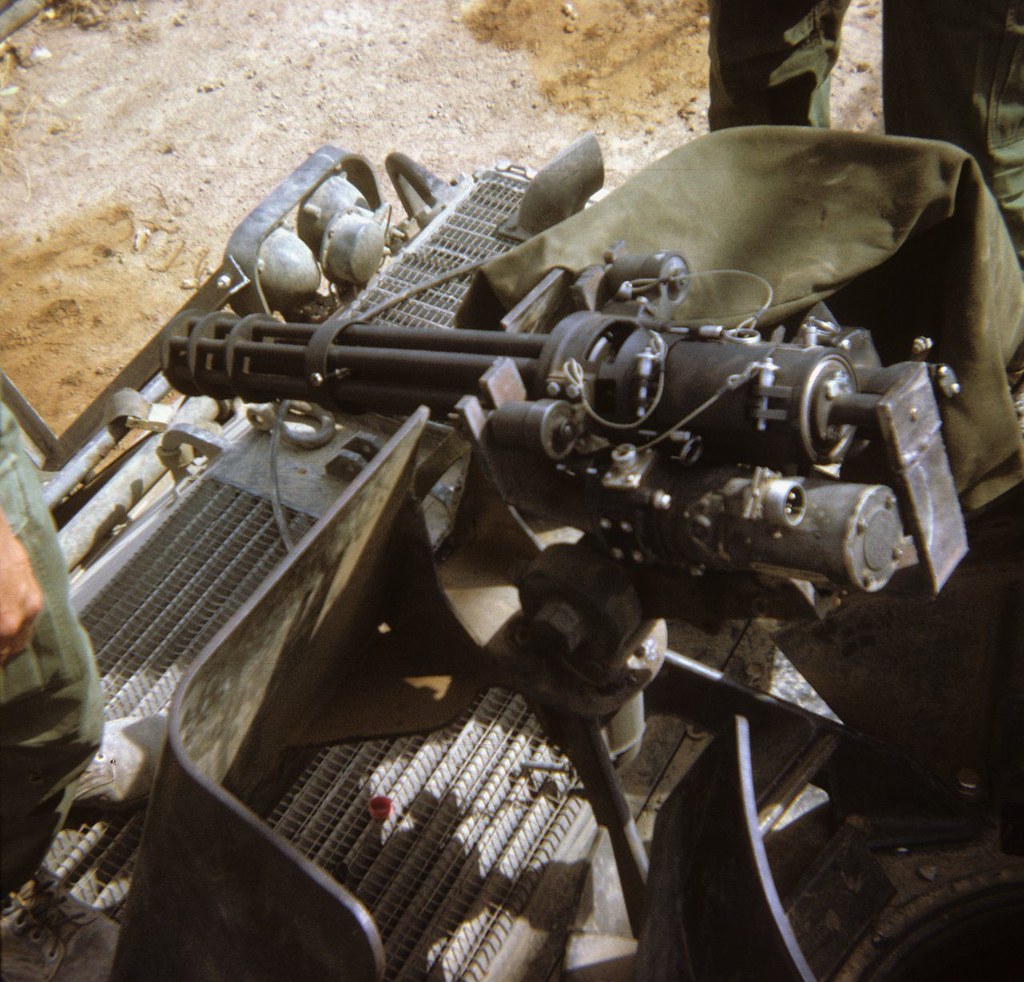
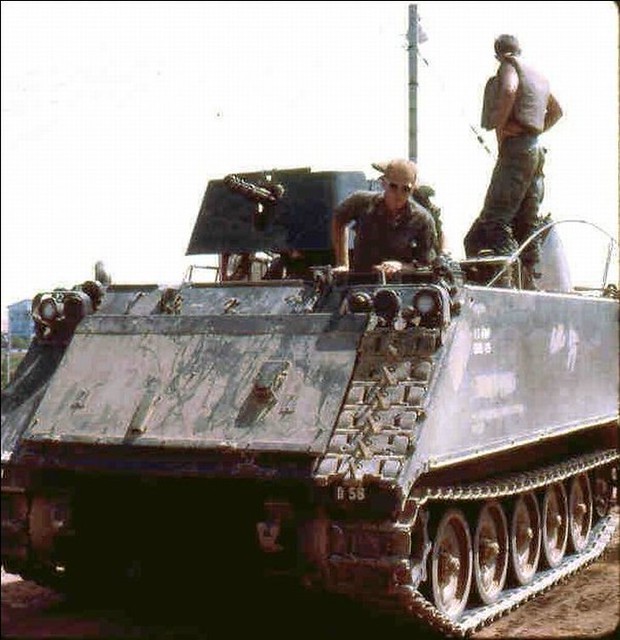
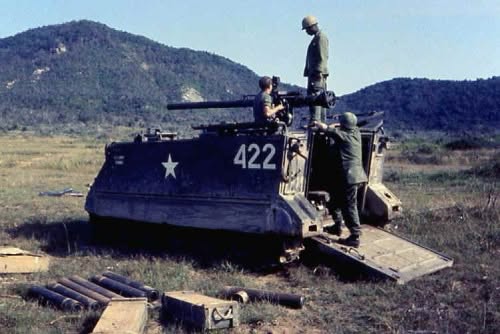
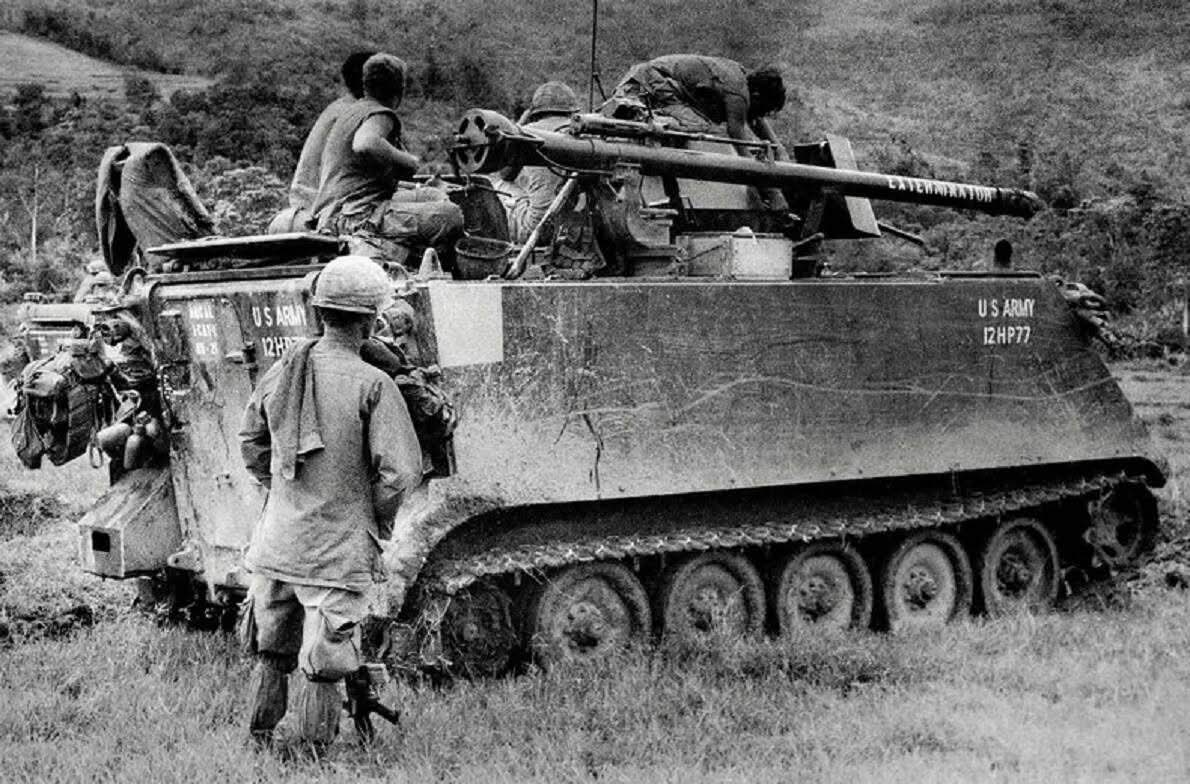
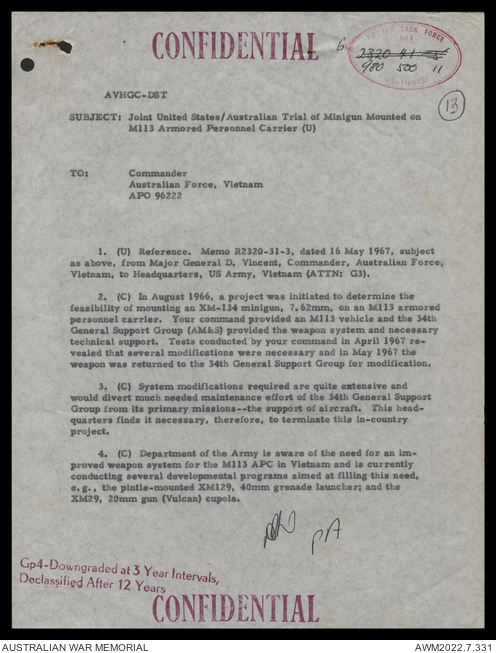
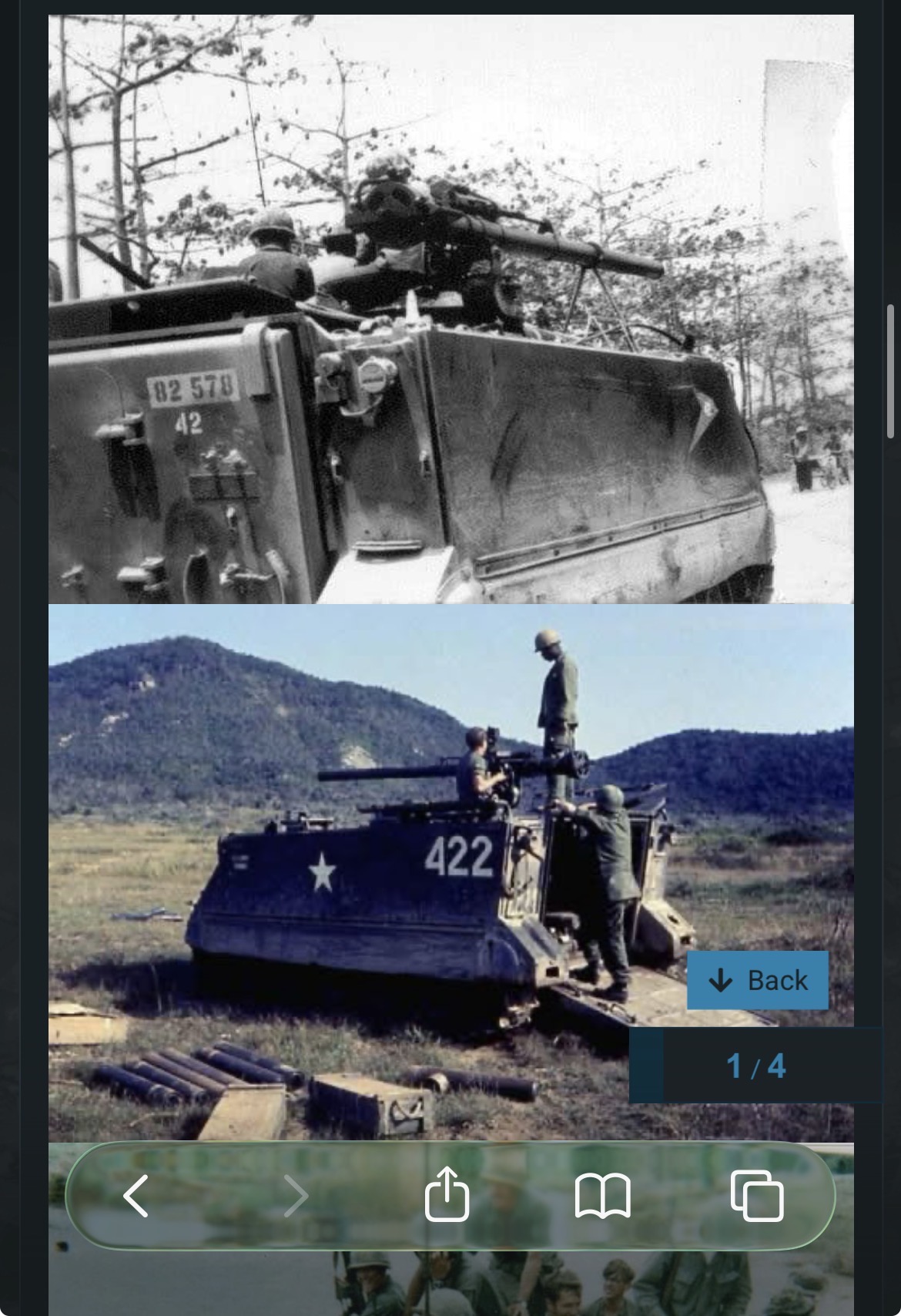
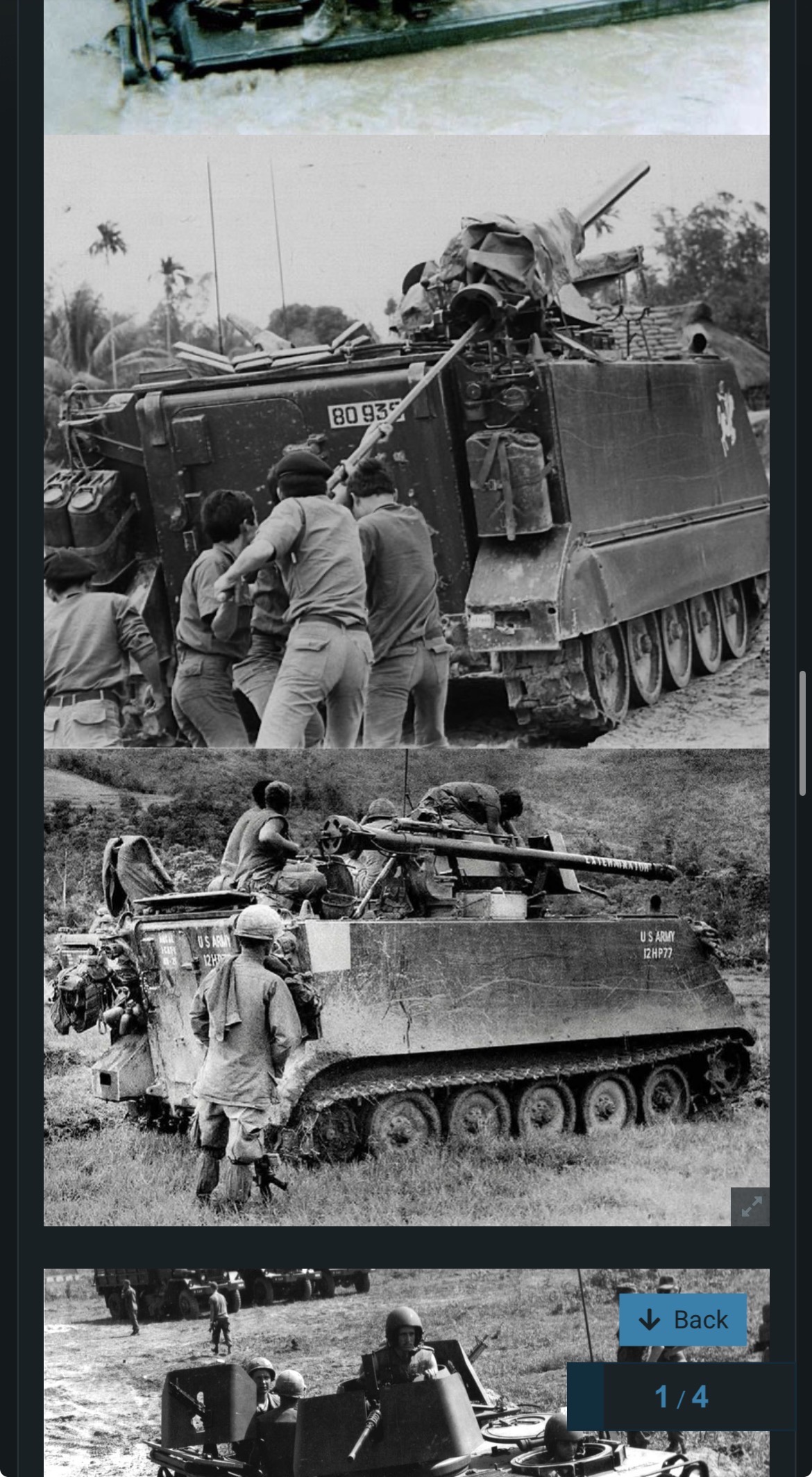
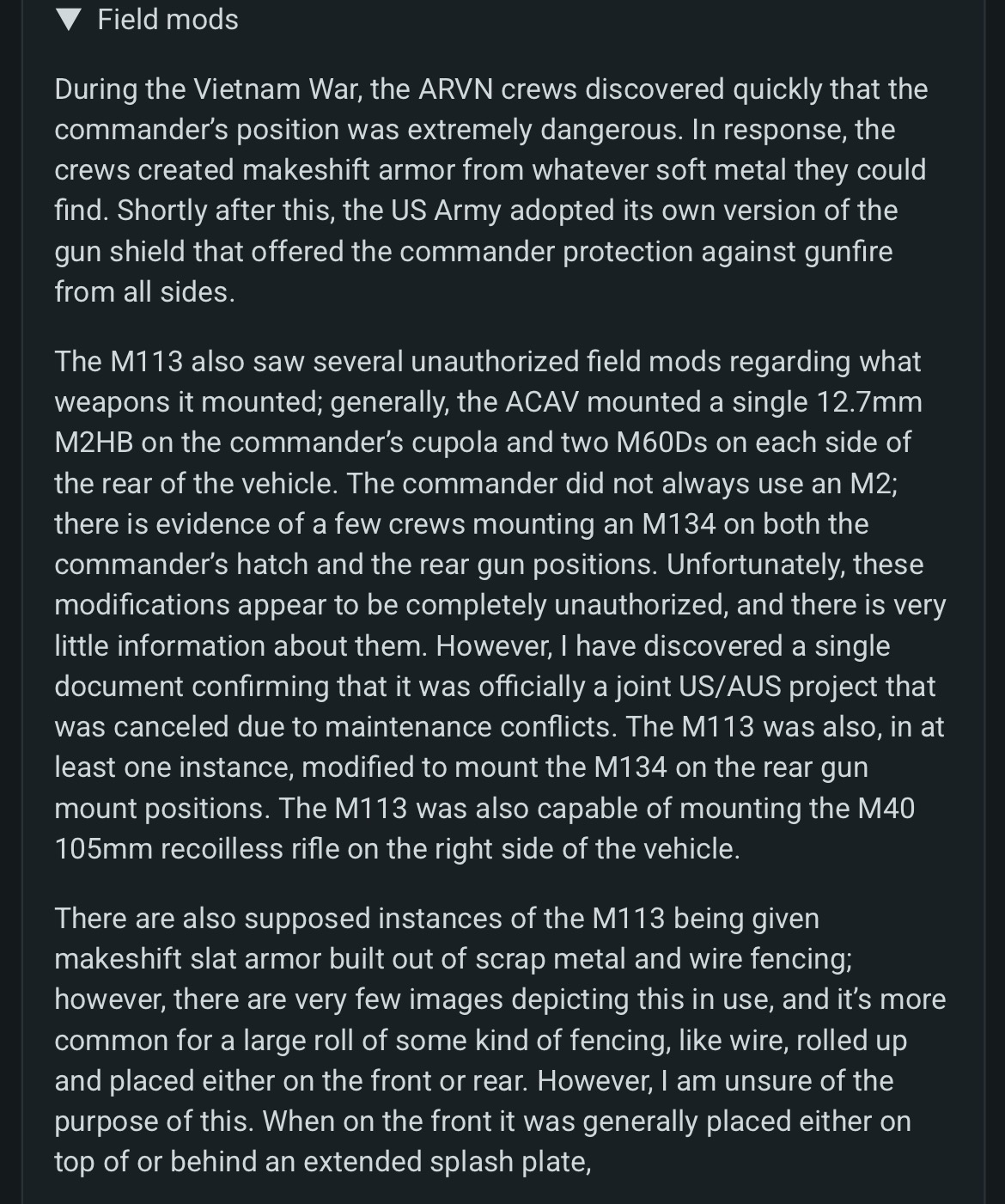
The M113 also saw several unauthorized field mods regarding what weapons it mounted; generally, the ACAV mounted a single 12.7mm M2HB on the commander’s cupola and two M60Ds on each side of the rear of the vehicle. The commander did not always use an M2; there is evidence of a few crews mounting an M134 on both the commander’s hatch and the rear gun positions. Unfortunately, these modifications appear to be completely unauthorized, and there is very little information about them. However, I have discovered a single document confirming that it was officially a joint US/AUS project that was canceled due to maintenance conflicts. The M113 was also, in at least one instance, modified to mount the M134 on the rear gun mount positions. The M113 was also capable of mounting the M40 105mm recoilless rifle on the right side of the vehicle.
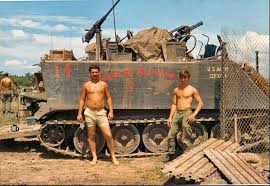
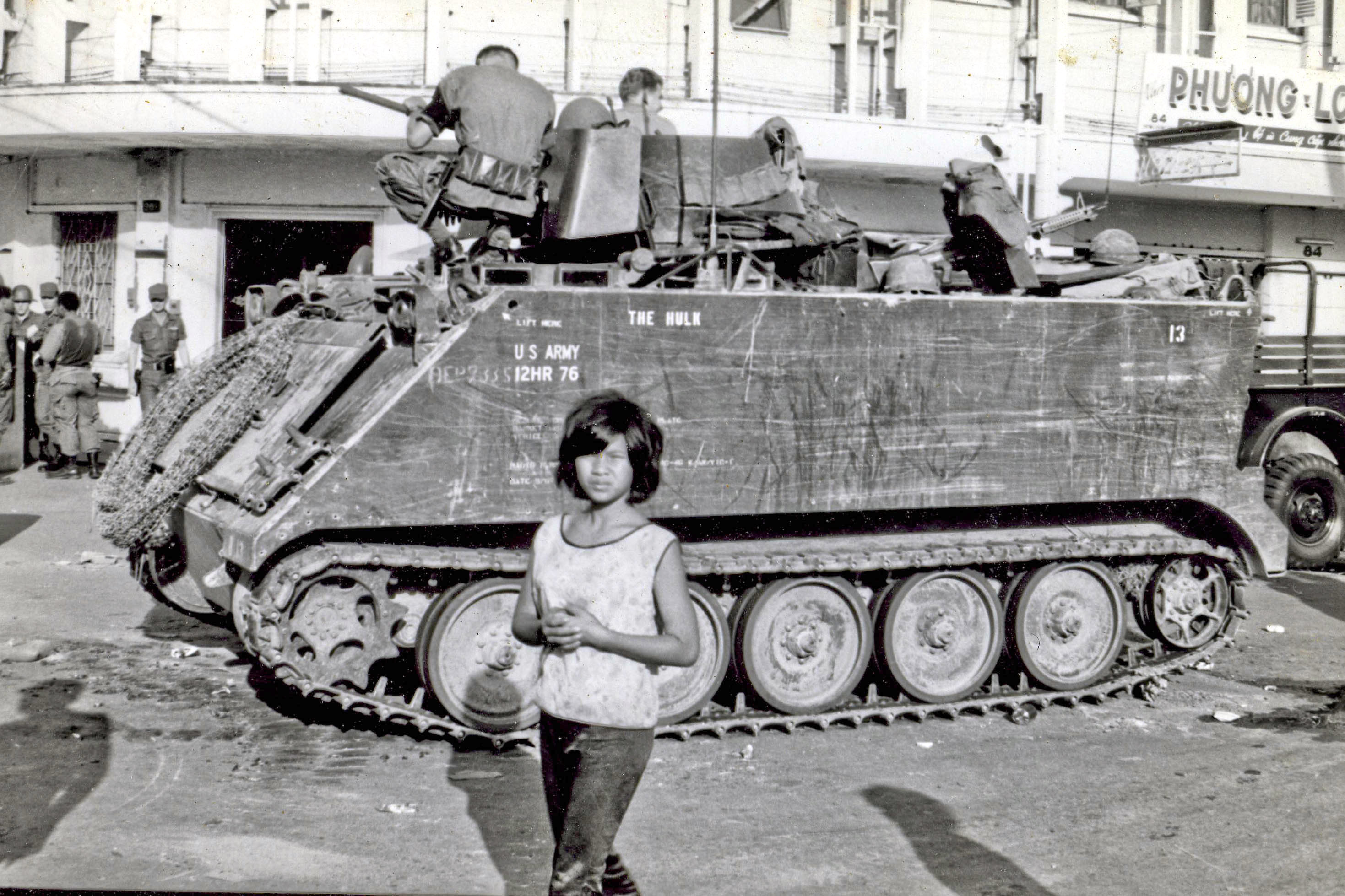
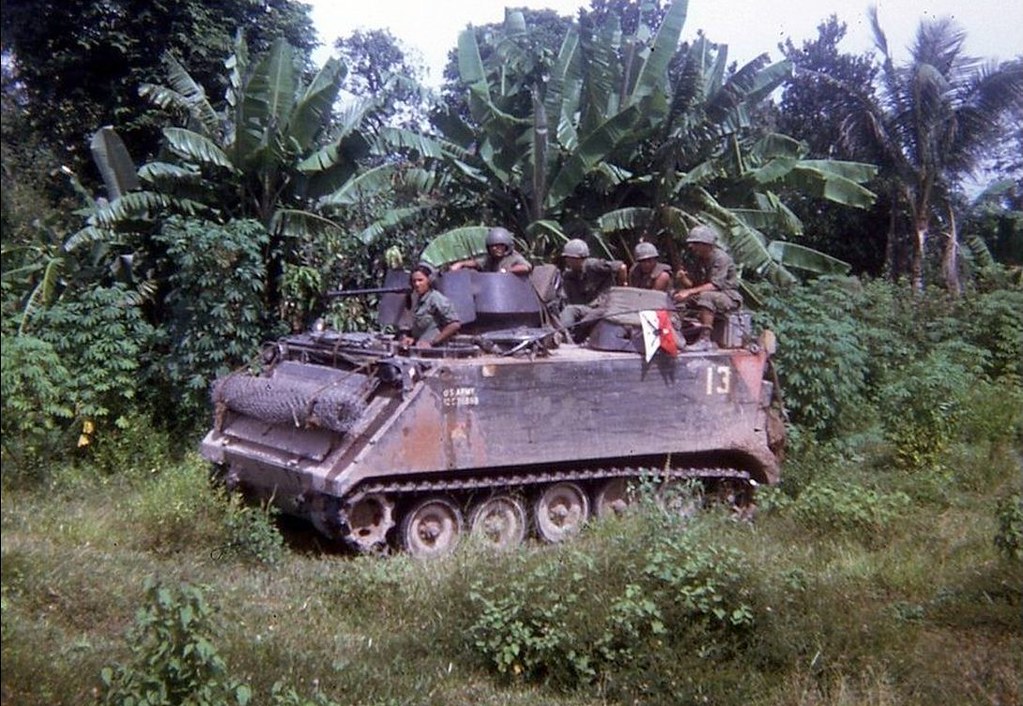
There are also supposed instances of the M113 being given makeshift slat armor built out of scrap metal and wire fencing; however, there are very few images depicting this in use, and it’s more common for a large roll of some kind of fencing, like wire, rolled up and placed either on the front or rear. However, I am unsure of the purpose of this. When on the front it was generally placed either on top of or behind an extended splash plate,
Info/weaponry
WEAPONS:
(Total ammo counts are unknown)
The M113 was capable of the following known setups:
Commander: M2HB, M134
Rear right: M2HB, M60D, M134, M40 (105mm)
Rear Left: M2HB, M60D, M134
MOBILITY:
Top speed: 45 mph
Engine: 215 hp (160 kW) 6V-53 Detroit Diesel engine
Transmission: Allison TX-100-1 three-speed automatic transmission.
Top Speed in water: aprox 4 mph
Crew: 5 (gunner, gunner, driver, commander, loader/radio operator)
Amount produced: unknown total m113a1 conversions to ACAV
Produced: 1963-1979
Armor:
(Rolled 5083/5086 H32 aircraft-grade aluminum armor)
Front: 38mm
Sides: 44-38mm
Rear: 38mm
Top: 38mm
Bottom: 28mm
Gun shields: 12.7mm Hardened steel
Amphibious: Yes (without the recoilless rifle)
Smoke grenades: No
Night vision: Yes
Thermals: No
ESS: No
Rangefinder: No