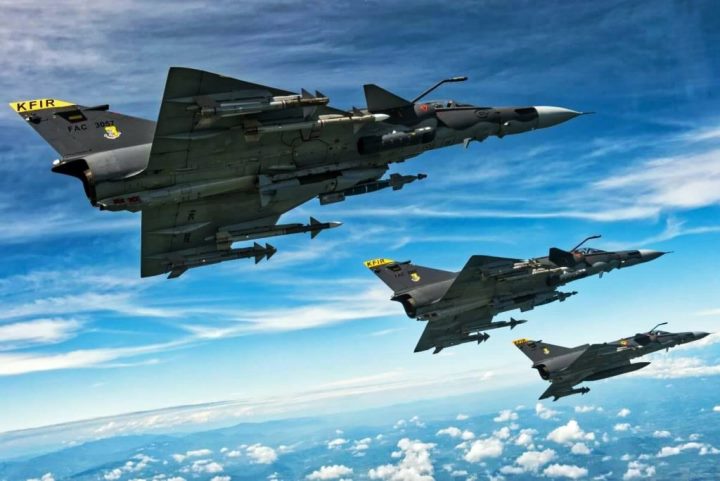
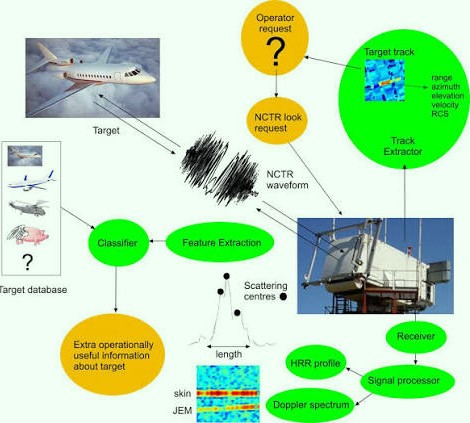
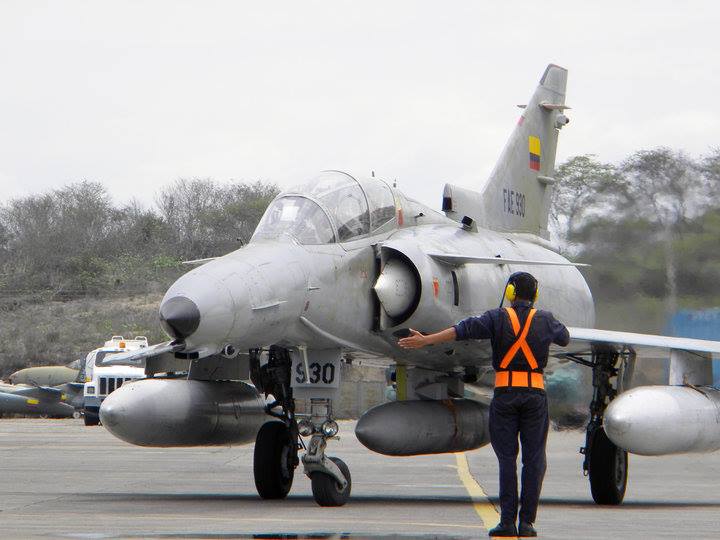
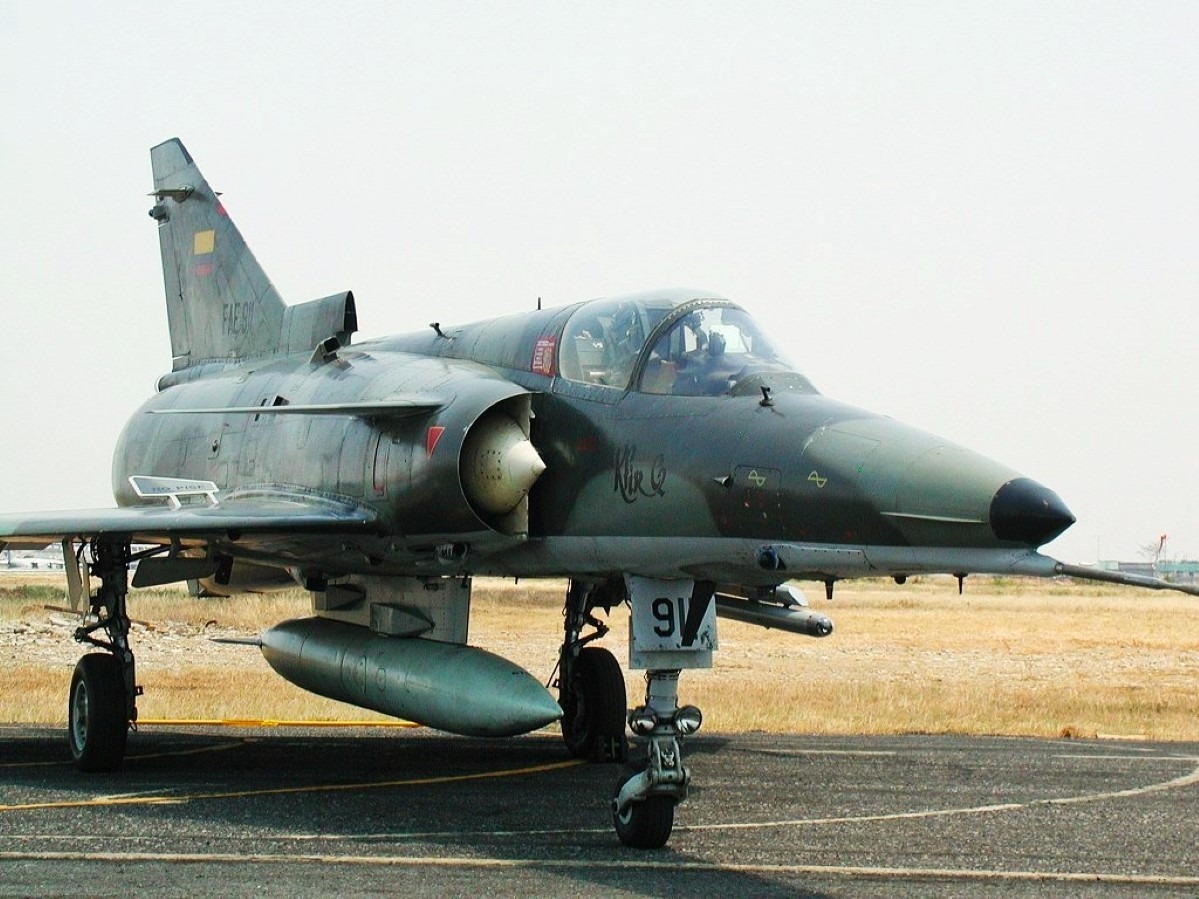
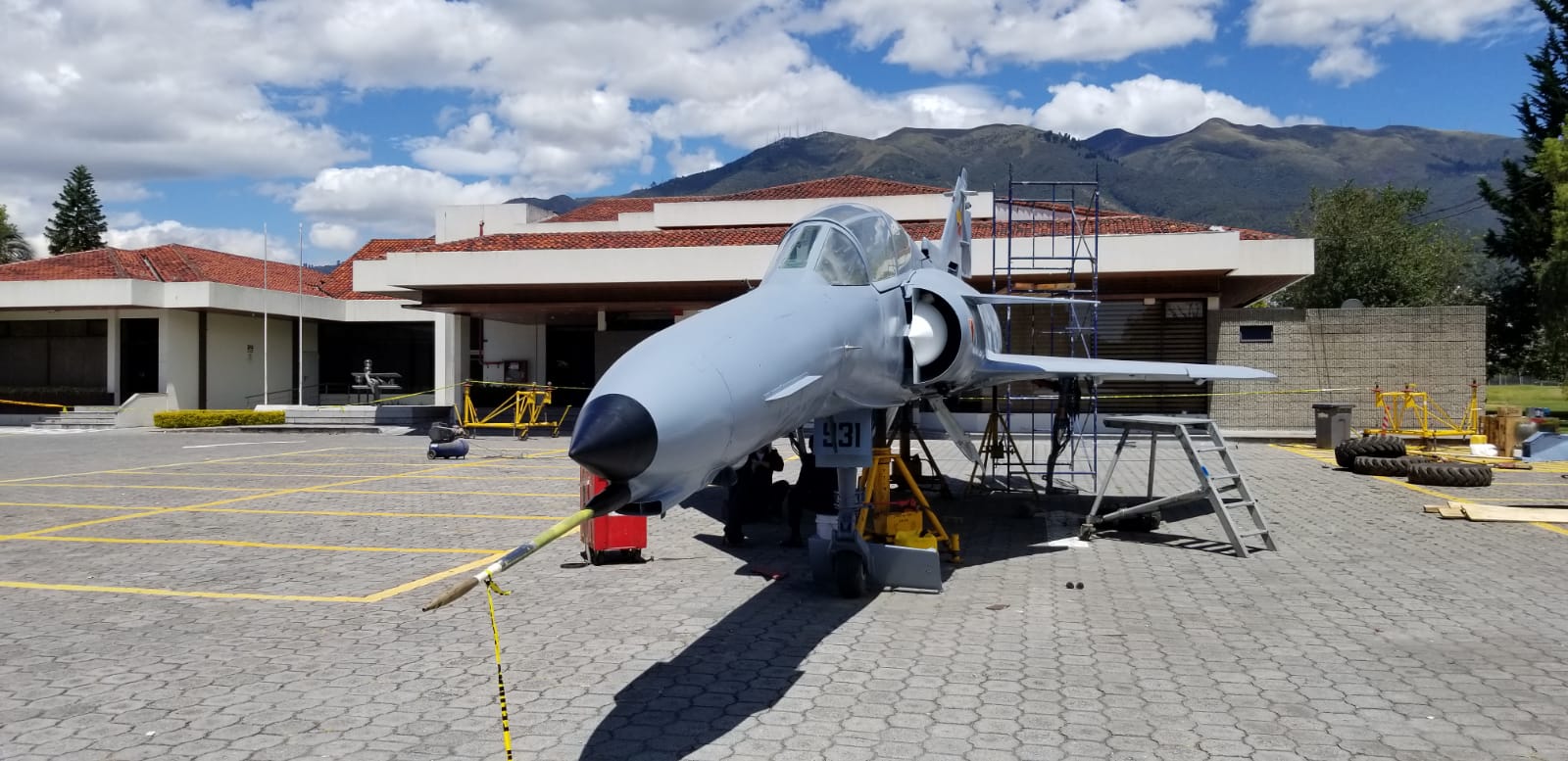
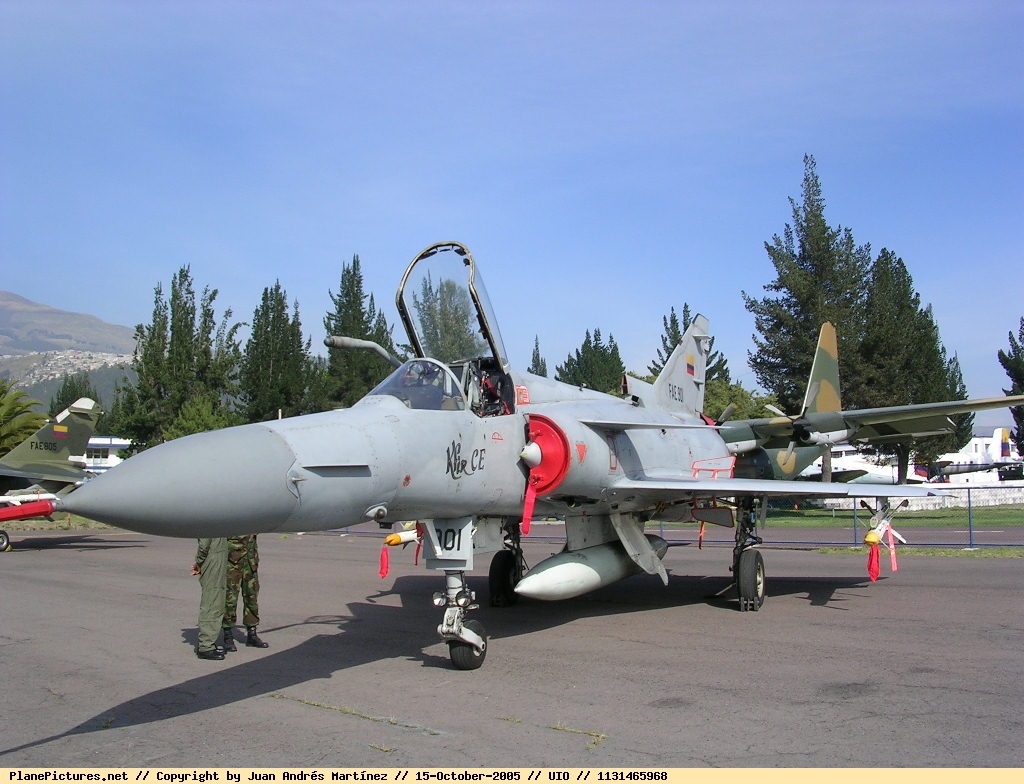
On this point we can disagree, my friend, because it is well known that most (all) radars of these generations already have an integrated list of radar signal silhouettes that enable Non-Cooperative Targets Recognition functions (NCTR); the EL/M 2052 radar of the Kfir Block 60 obviously does have a list of radar signals that allows the identification of most jets.
The fact that its photographic reference has not (yet) been found is not an argument to claim that the EL/M 2052 radar does not have this capability; in fact, the very fact that it is AESA allows it to perform that function.
In conclusion, my friend, it’s more about radar signal physics; it should have its place in the radar’s MFD.
NCTR function
I’m pretty aware of the target databases, however I find it too convenient for the simulators, brochures and official presentations to not mention this or make a single portrayal / depiction of this capability.
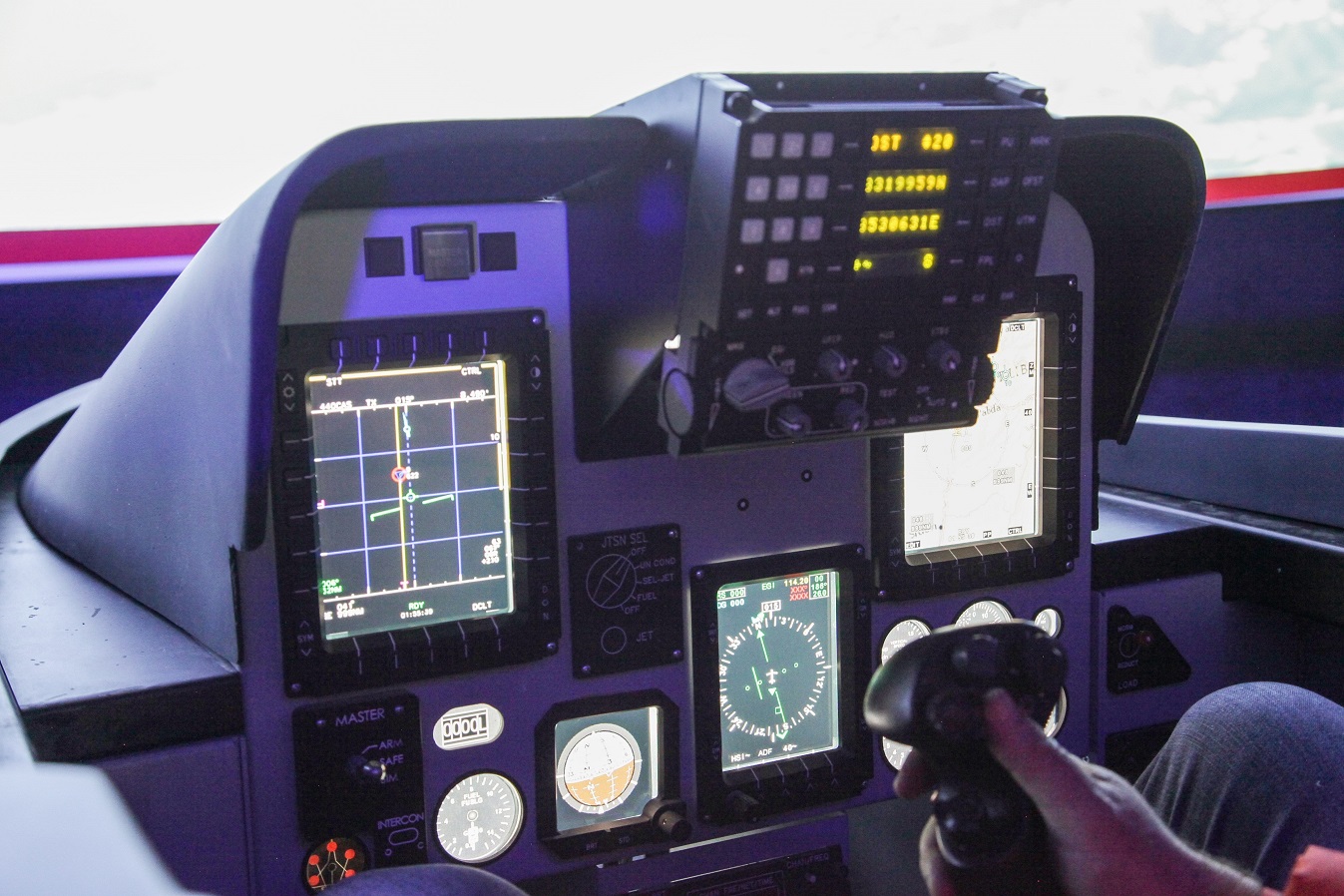
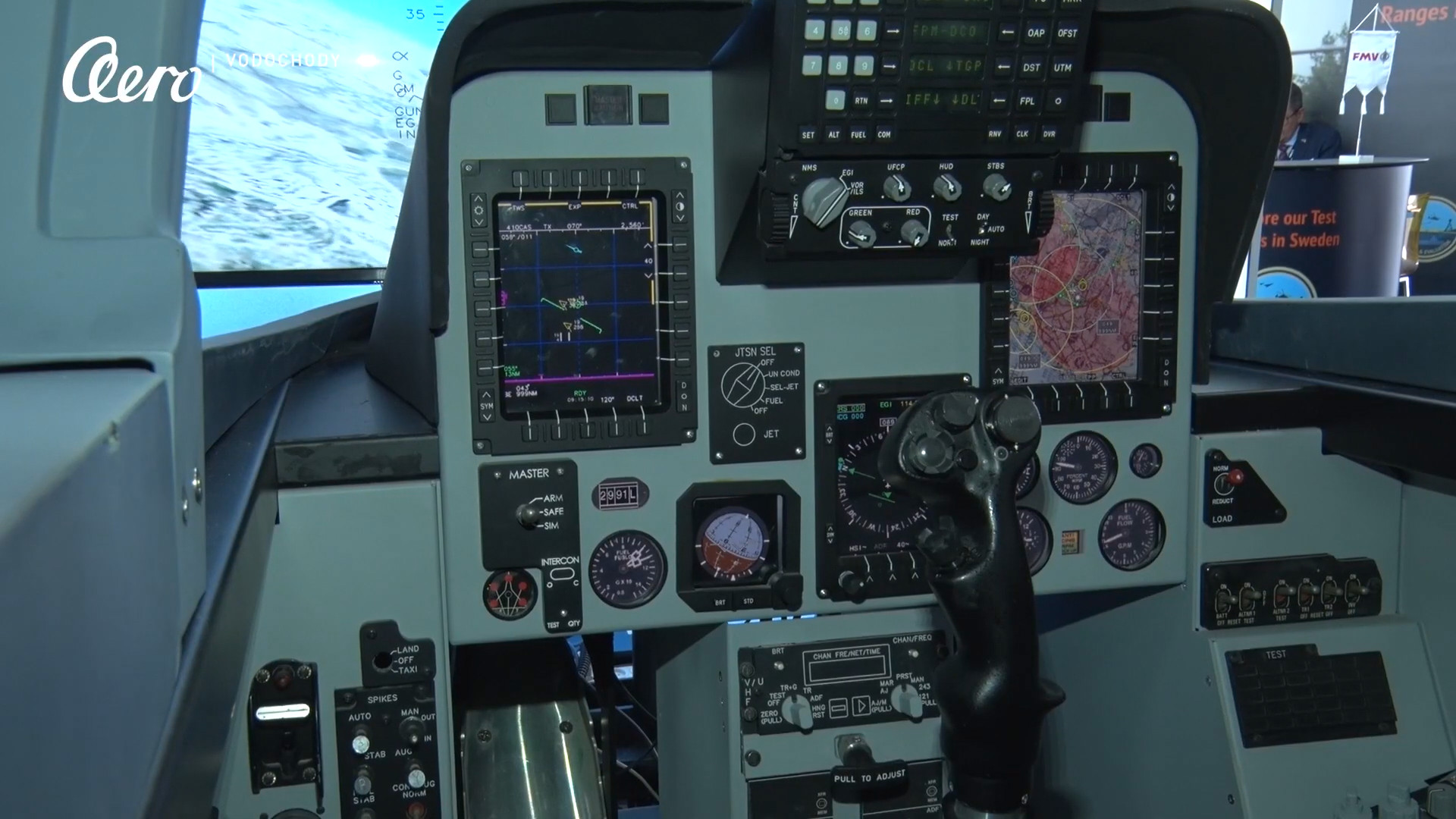
Specially regarding STT as it is the mode often used to issue the NCTR requests for judging contacts, I find it surprising as even the STT range is set on 10 NM, which is a more than usable range to obtain NCTR ID.
Also, even the cockpit footage (for as low quality as it is) hasn’t really deviated from the standard set by the brochure / simulator images which evidently lack this very capability.
I wouldn’t be so fast to chuck out my conclusion, it is mostly likely that the Kfir C.10 Block 60 and F/A-259’s EL/M-2052 weren’t fitted with the proper NCTR libraries.
I suppose it’s classified information, but as a concept, the NCTR is integrated into the EL/M 2052 radars and the database (equally secret, as with all radars) comes precisely from a company with all these information. The problem here is why that information isn’t displayed on the MFD so that can be used in simulator battles; it’s very useful and provides better situational awareness in that mode.
2 Likes
Yeah, the problem is that we really don’t know how it looks like when said information is displayed in the FCR page.
Think about it for a second, where would this be displayed at? We could guess it could go in the anywhere because there’s some missing space potential to accommodate NCTR ID, however we can’t really be sure. Same goes for the TSD, we could assume it goes there, however symbology mostly indicates that the contacts shown and handed over from RWR + ESM/ELINT and Data Link rather than radar.
FAC footage doesn’t really show anything aside the usual parameters of speed, bearing, range, scan mode, angular sweep and altitude, and neither does the VTS for any platform.
I wouldn’t have discarded NCTR as a capability had we found at least a single picture or hint of it, like for example simulators of the Gripen E, HAL Tejas, or F-35 which have shown room for NCTR ID.
What I infer the Kfir actually uses instead of fully-fledged NCTR is likely the Sensor Fusion that is missing today, since according to brochures the AES-212 should provide more than enough information when it comes to contact positions and identification in tandem with the SPS-45(V)6.
My point isn’t really that we shouldn’t get it, more so that the evidence for NCTR is limited and leads to a conclusion that likely goes against it, and I wouldn’t really consider it right to appeal for its inclusion if we can’t really conclude that there is proven way it does appear in the MFD pages.
Anyways, I’ll see if I can find more information regarding the NCTR, though I am almost spent when it comes to sources.
Might actually make the kfir worth using again.
As is 13.3 is a terrible BR as most jets it faces also have aesa and/ or lots more missiles.
Shame the game has zero balance. Kfir and others with recent nerfs are just mid AF now
Hello everyone,
Continuing with the news related to the Colombian Kfir C.10, I’m glad to know that its ground combat performance has finally been fixed (12.3/12). This was necessary due to its limited armament for this role.
However, a few details are still missing:
The ability to carry another GBU-45 bomb on the pylon where the designator pod would normally go, since this bomb has GNSS satellite guidance capabilities.
The ability to carry Griffin guided bombs (which are not yet in the game) and Lizard bombs.
The 70mm SNEB rockets are missing.
In addition, domestically produced XUE bombs are also missing.
4 Likes
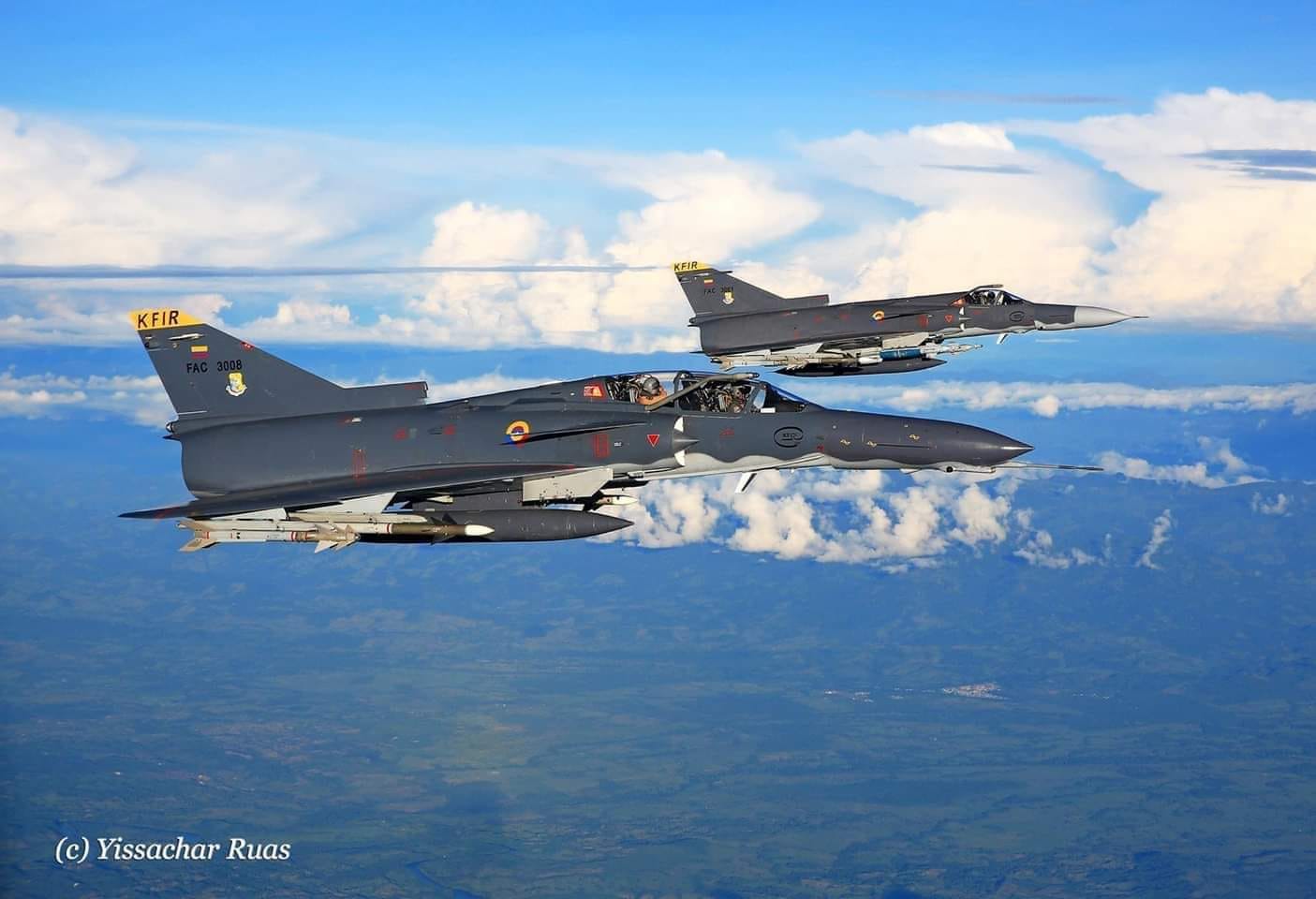
Here is further photographic evidence regarding the CM AN/ALE 40 dispenser for the Kfir; I hope that one day it will be integrated into the Kfir C.10 (Blk 60) in-game.
The image (taken by Yissachar Ruas) shows the dispenser on a Kfir TC-10 (two-seat training variant) during exercises in the country.
2 Likes
Are you sure those are the AN/ALE-40 dispensers on the centerline pylon? It appears to be closer to one of the air intakes than rather the dispenser itself.
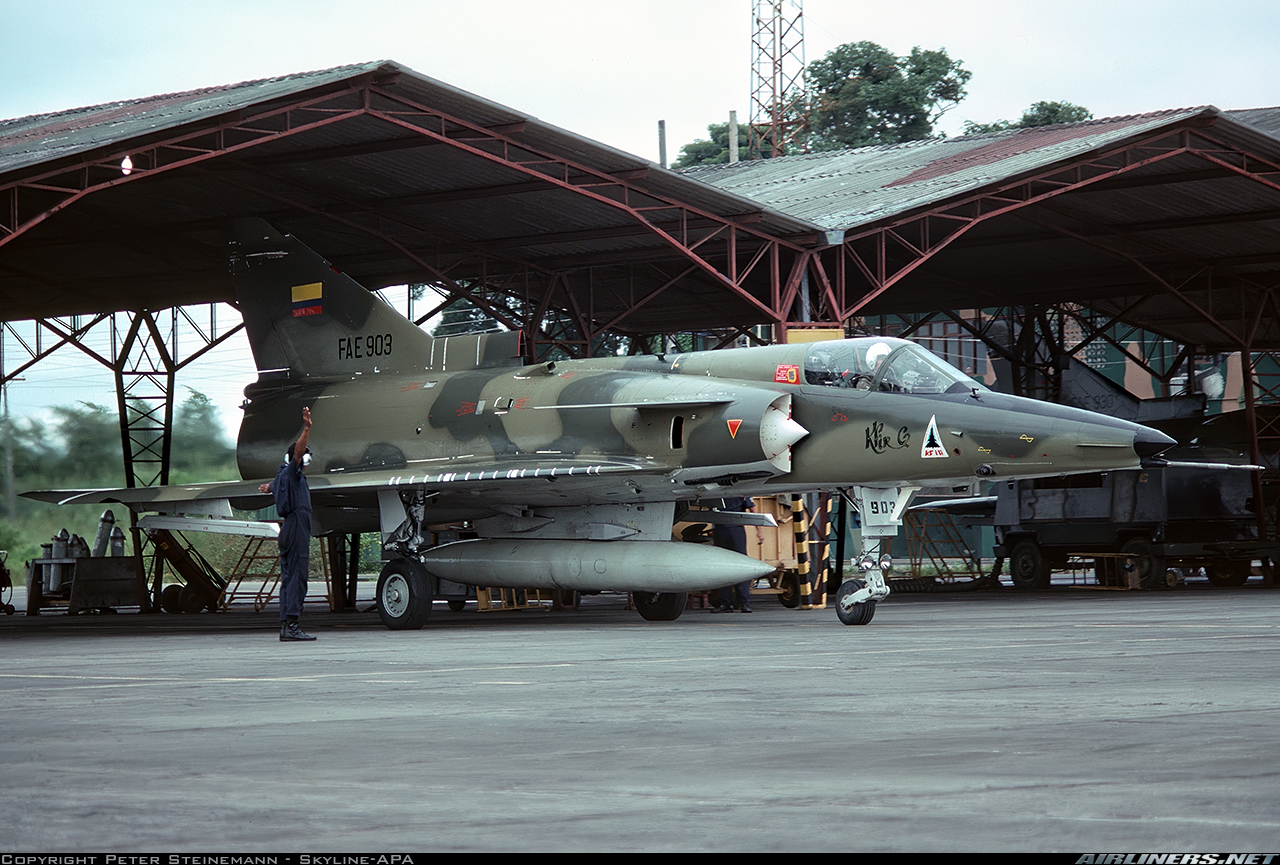
Usually the dispensers are a lot bigger when they are installed on the center station, here’s FAE-903 sporting the twin dispensers for example:
2 Likes
On a more serious note, let’s actually compare to TC.2/TC.10 units that have fit the ALE-40 dispensers on the central pylon.
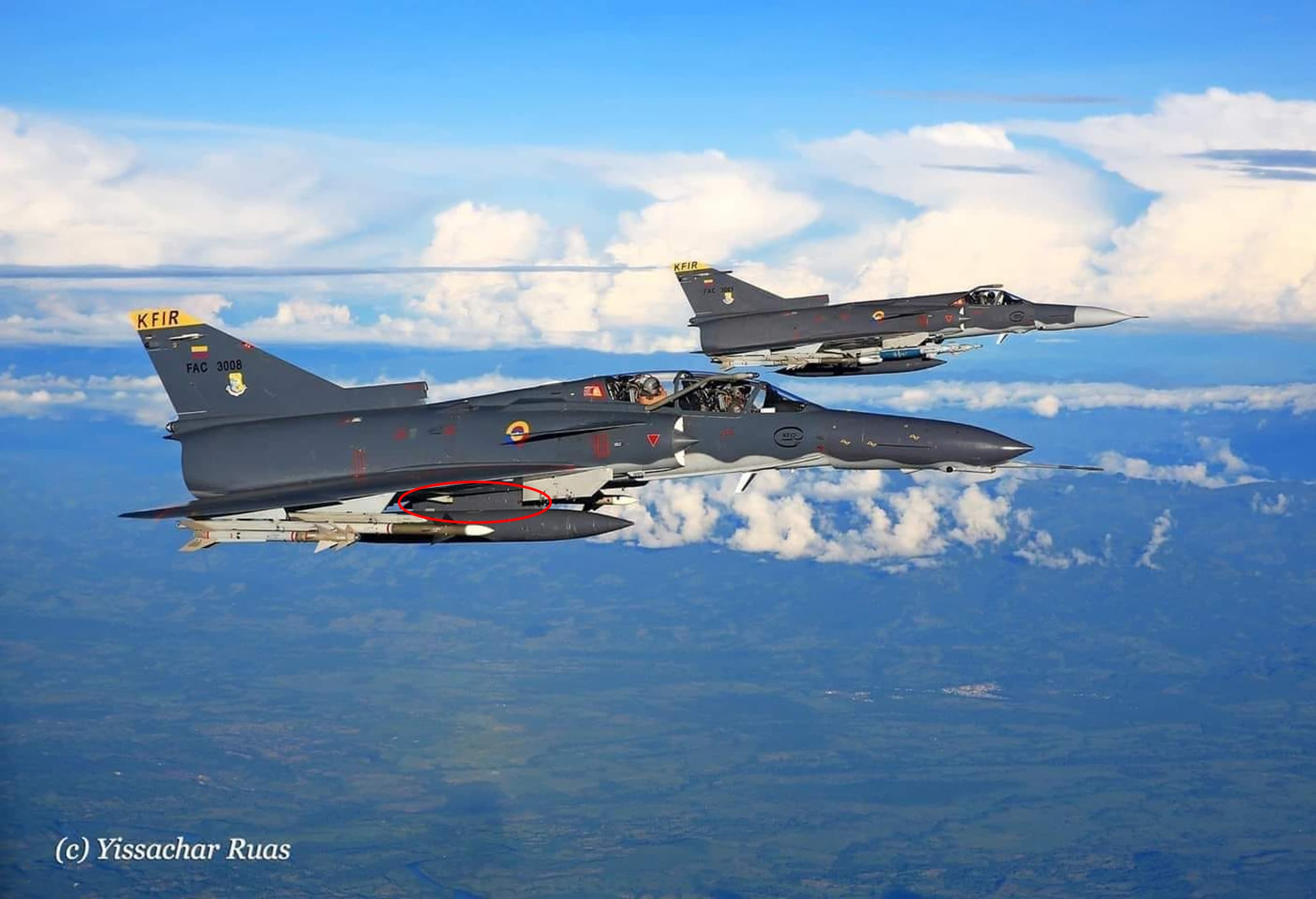
Let’s start with the image, while the quality of the image isn’t as high as one would desire, we can still make out the “white” square thingy near the central pylon.
I consider this not to be a dispenser, identifying instead as an air intake from the Kfir airframe, this is mostly due to the size and position disparity between how the dispenser is attached to the pylon.
In the original TC.10 picture, you can notice the “box” has its thinner side pointing towards the tail of the aircraft, while the “wider” side points towards the front, this is of course unlike any of the pictures we’ve seen of the ALE-40 dispensers, which have the opposite shape, the thin part to the nose and the wide to the back.
Here are a few key pictures where both the intake and the dispensers are seen at the same time:
Here are some more pictures of the intakes, CM dispensers from both Ecuadorian and Kfir units that support my claims:
Ecuadorian Kfir units:
Colombian Kfir units:
2 Likes
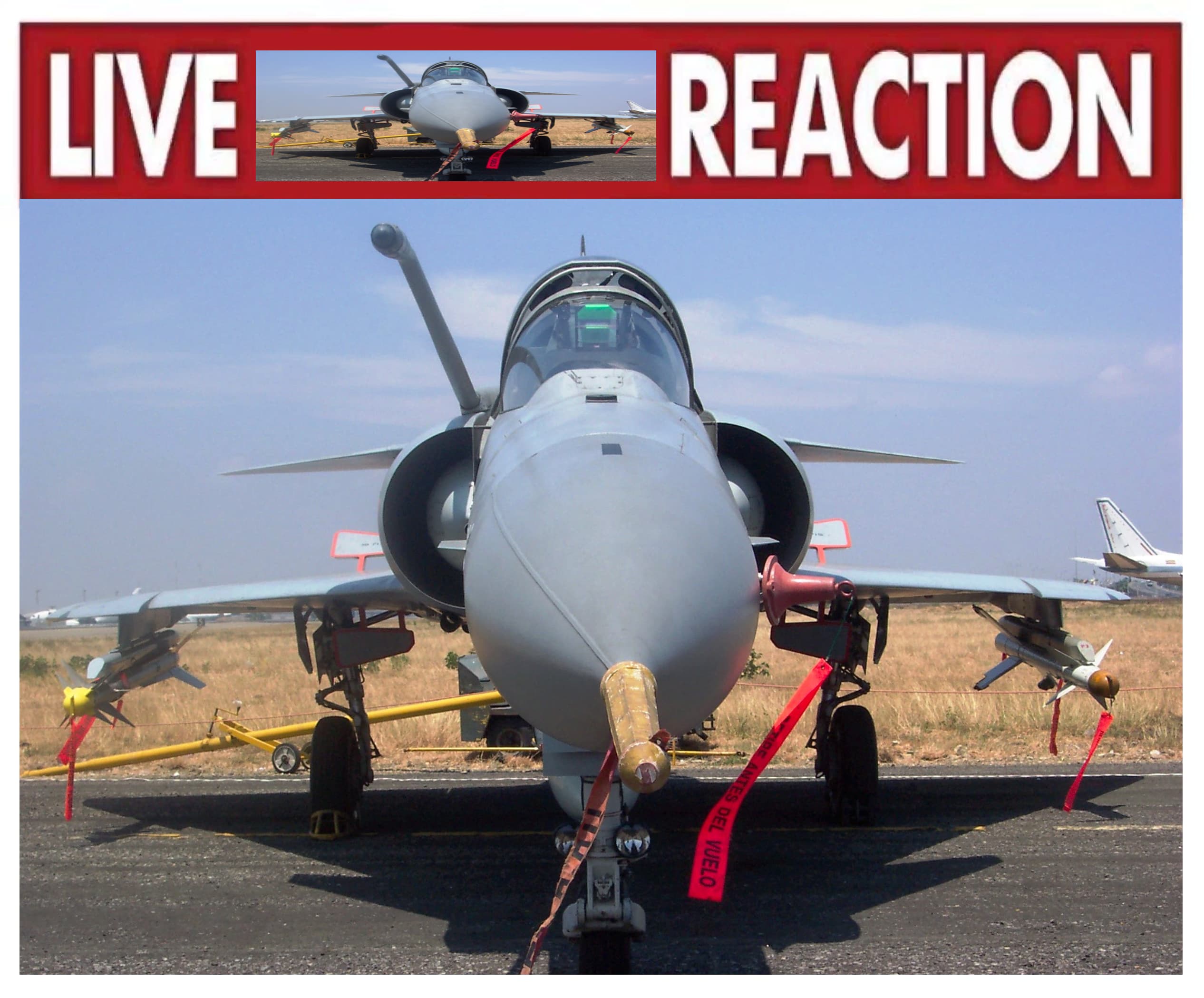
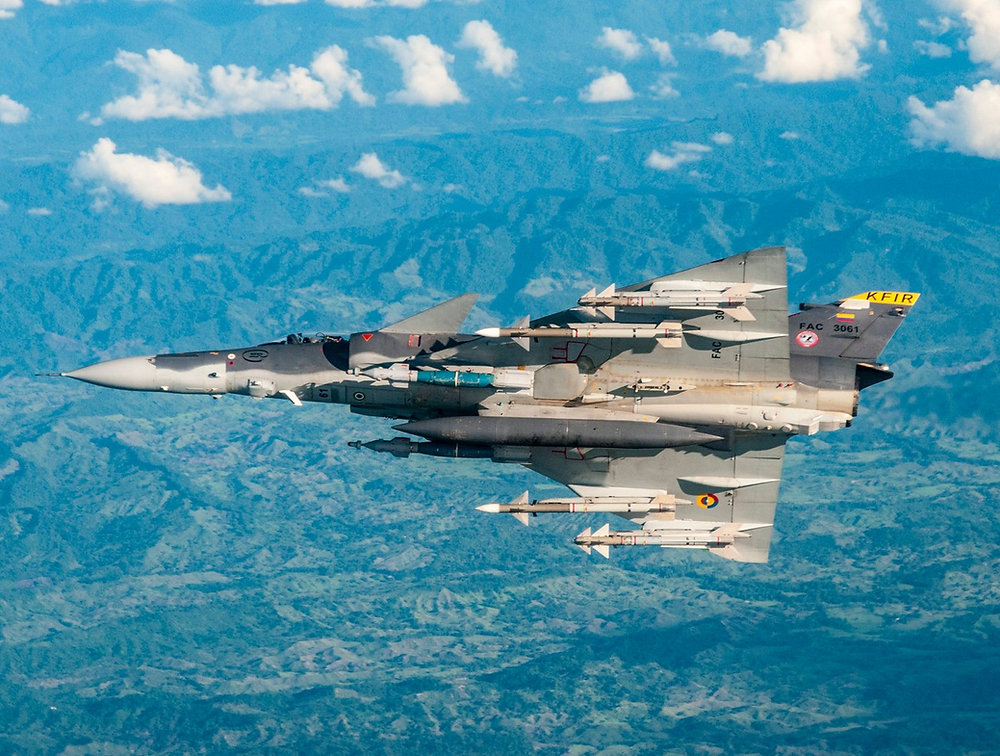
Take a look at this interesting image.
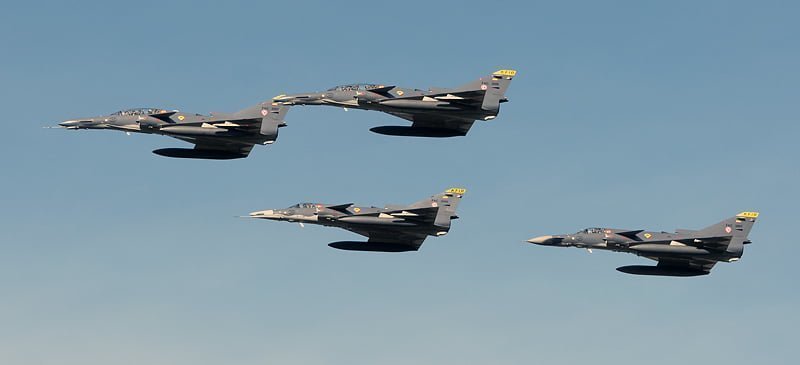
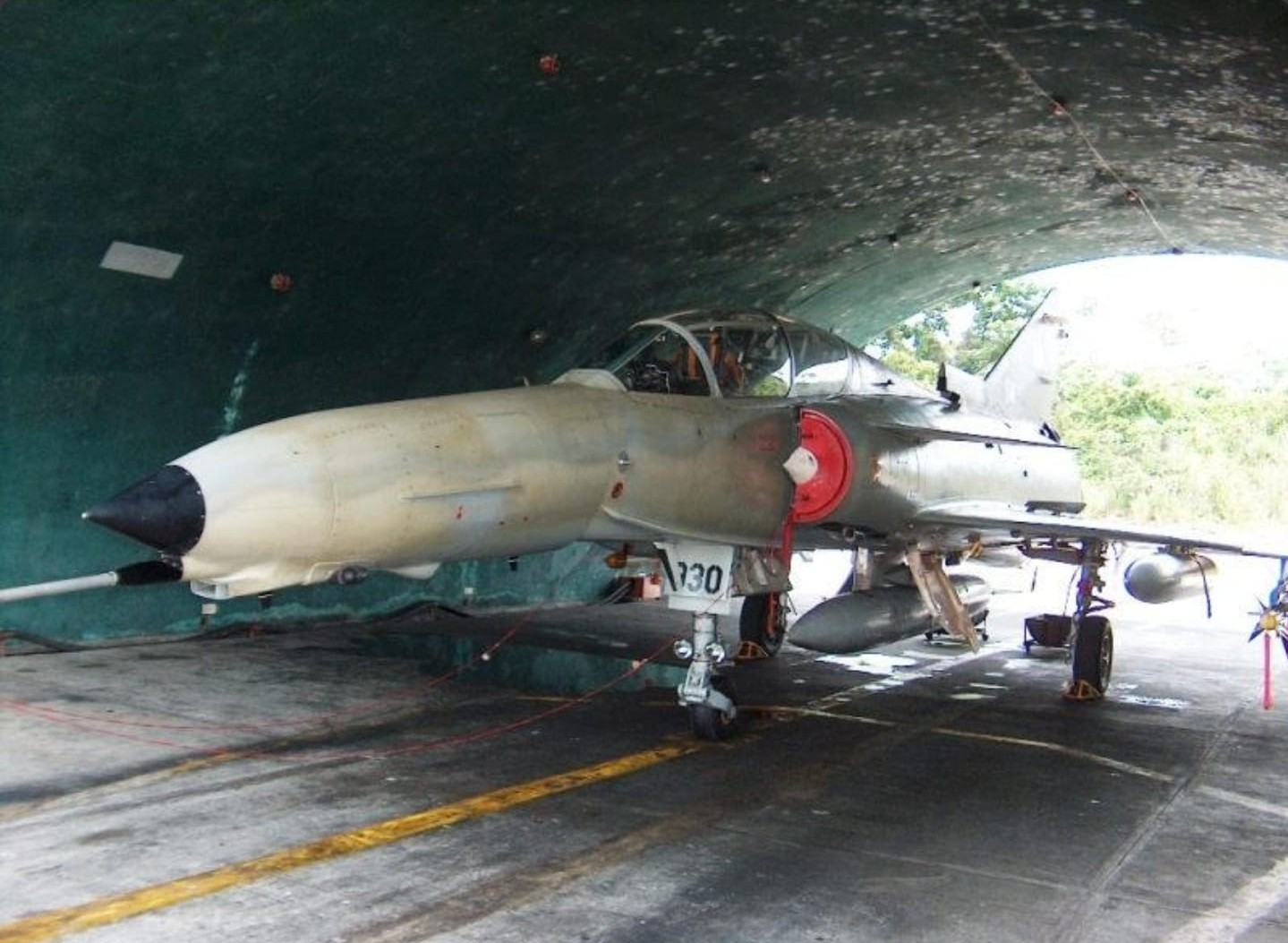
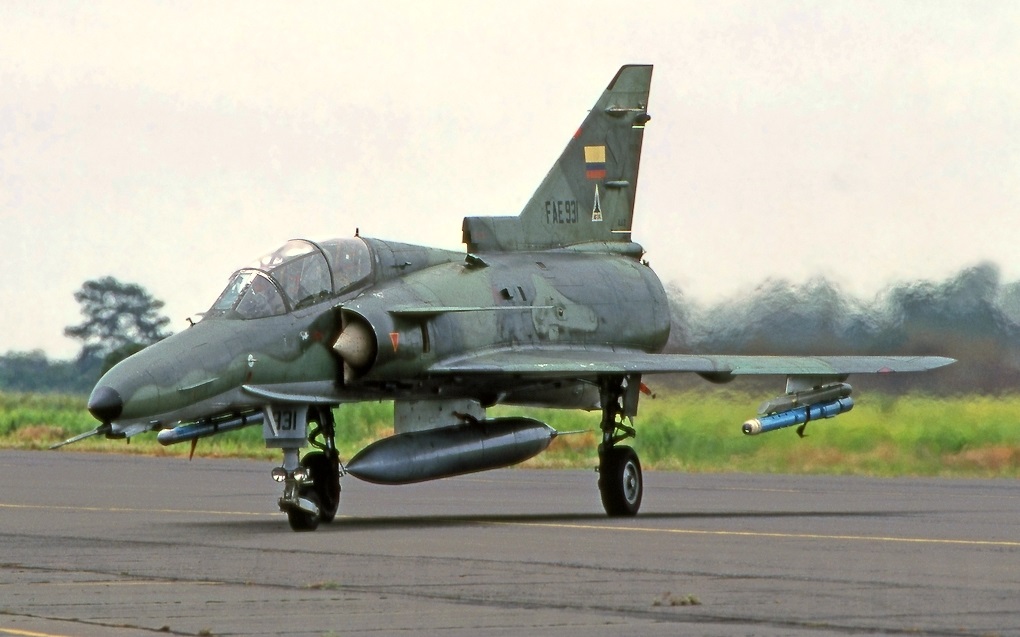
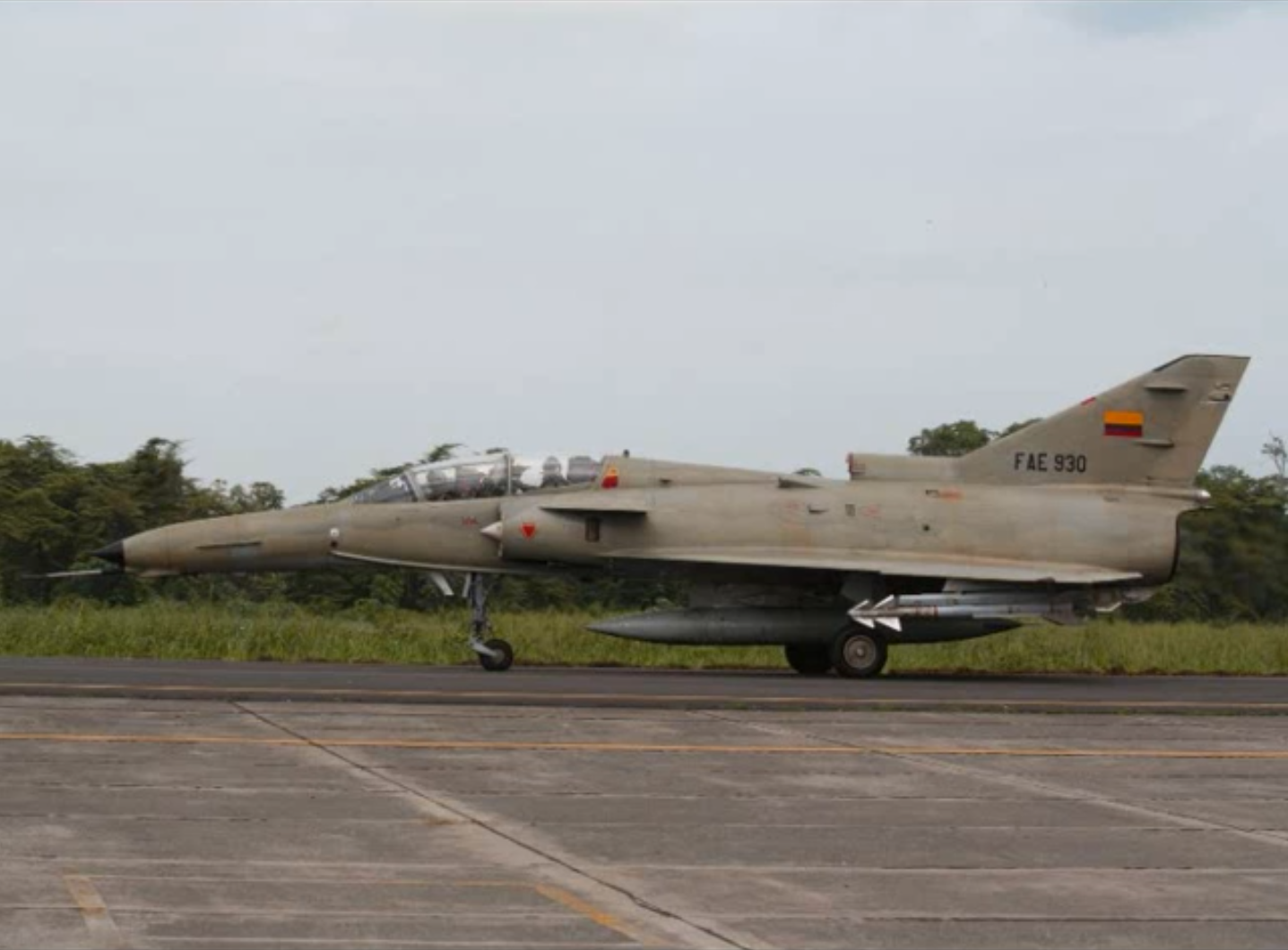
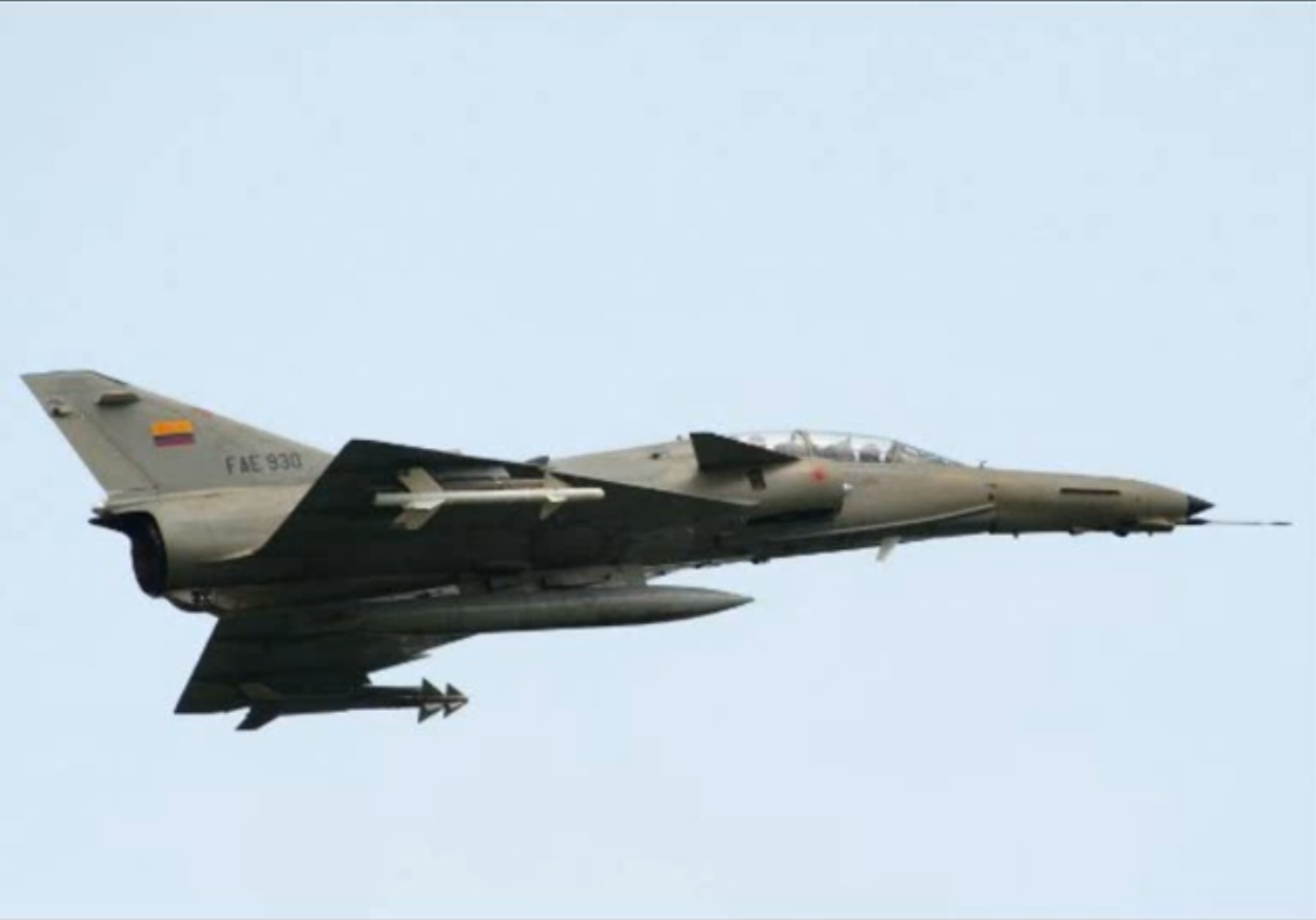
It shows all the existing variants of the Colombian Kfir:
- Kfir C.10
- Kfir C.12
- Kfir TC.10
- Kfir TC.12
This image predates the Block 60 upgrade, but the differences are clearly visible in the aircraft noses; the C.10 and TC.10 variants use the ELTA EL/M-2032 radar, whereas the C.12 and TC.12 variants do not, relying instead on a datalink system that interconnects the fleet and enables the use of I-Derby ER radar-guided missiles.
1 Like
Greetings. Following the new “Sky Odyssey” update and the subsequent improvements, the Kfir C.10 finds itself in a difficult position that still does not justify the increase in BR, the possible solution is to add the fixes for the report requests made for:
- Correct cannon variant: DEFA 553 30mm (accepted)
- EEGS systems (accepted)
- CMSD: AN/ALE-40
- Helmet-integrated DataLink (Link-16) system. (accepted)
- Updated MFDs
- And finally, and importantly: modern avionics suite (RWR SPS-45 (V) 6)
These small details would give the Kfir C.10 (Blk 60) the historical realism and the competitiveness it lacked for its current BR. Furthermore, the integration of the Python 4 and I-Derby-ER missiles—which are also urgently needed—is still pending.