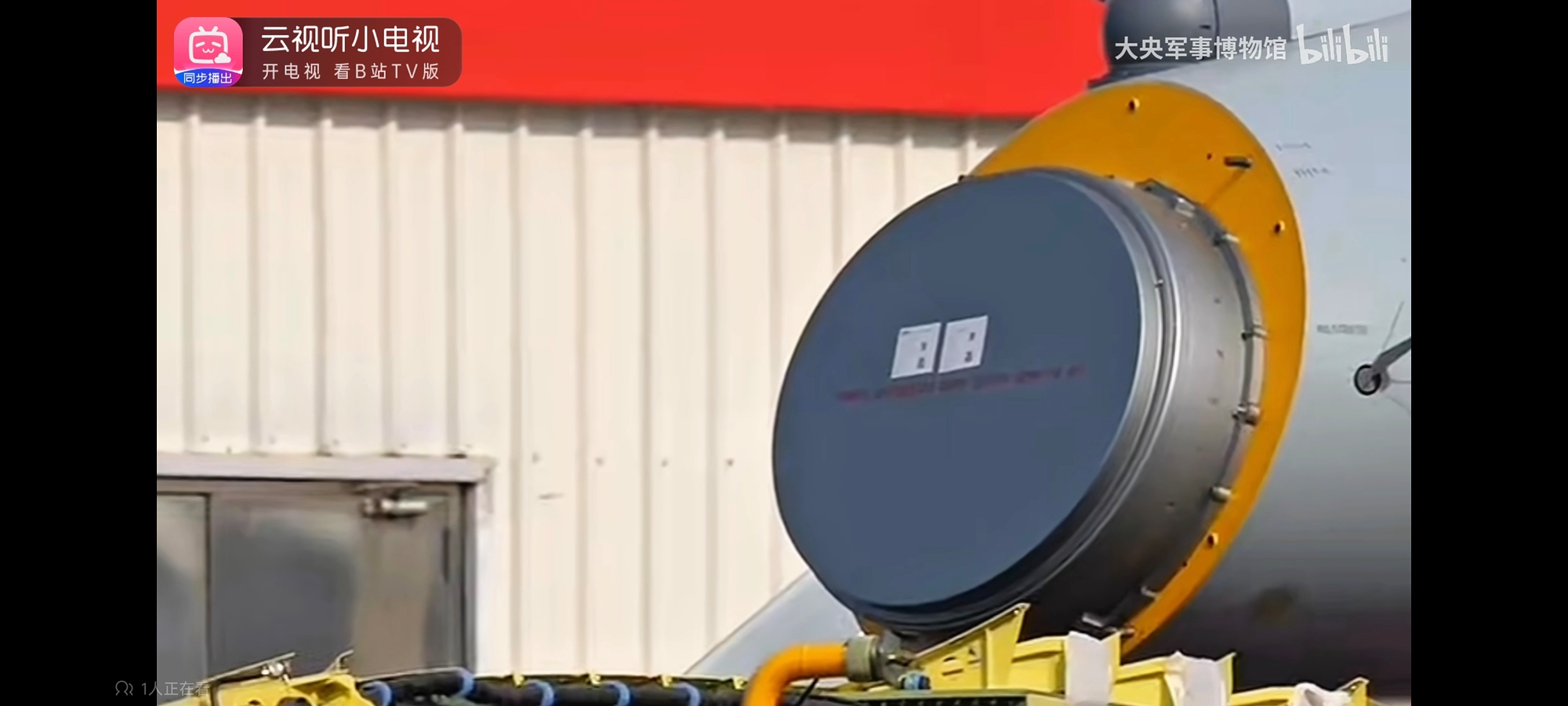
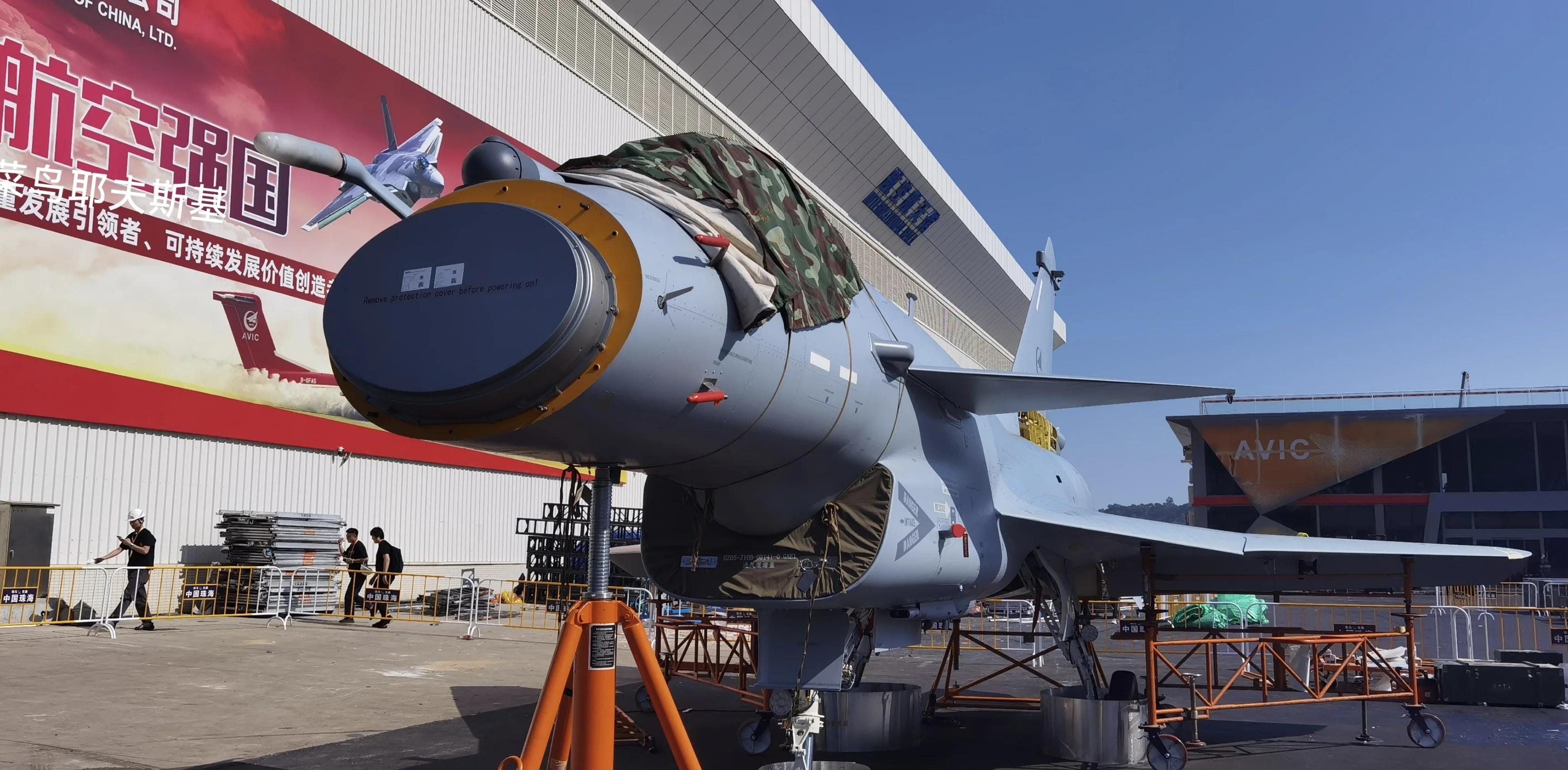
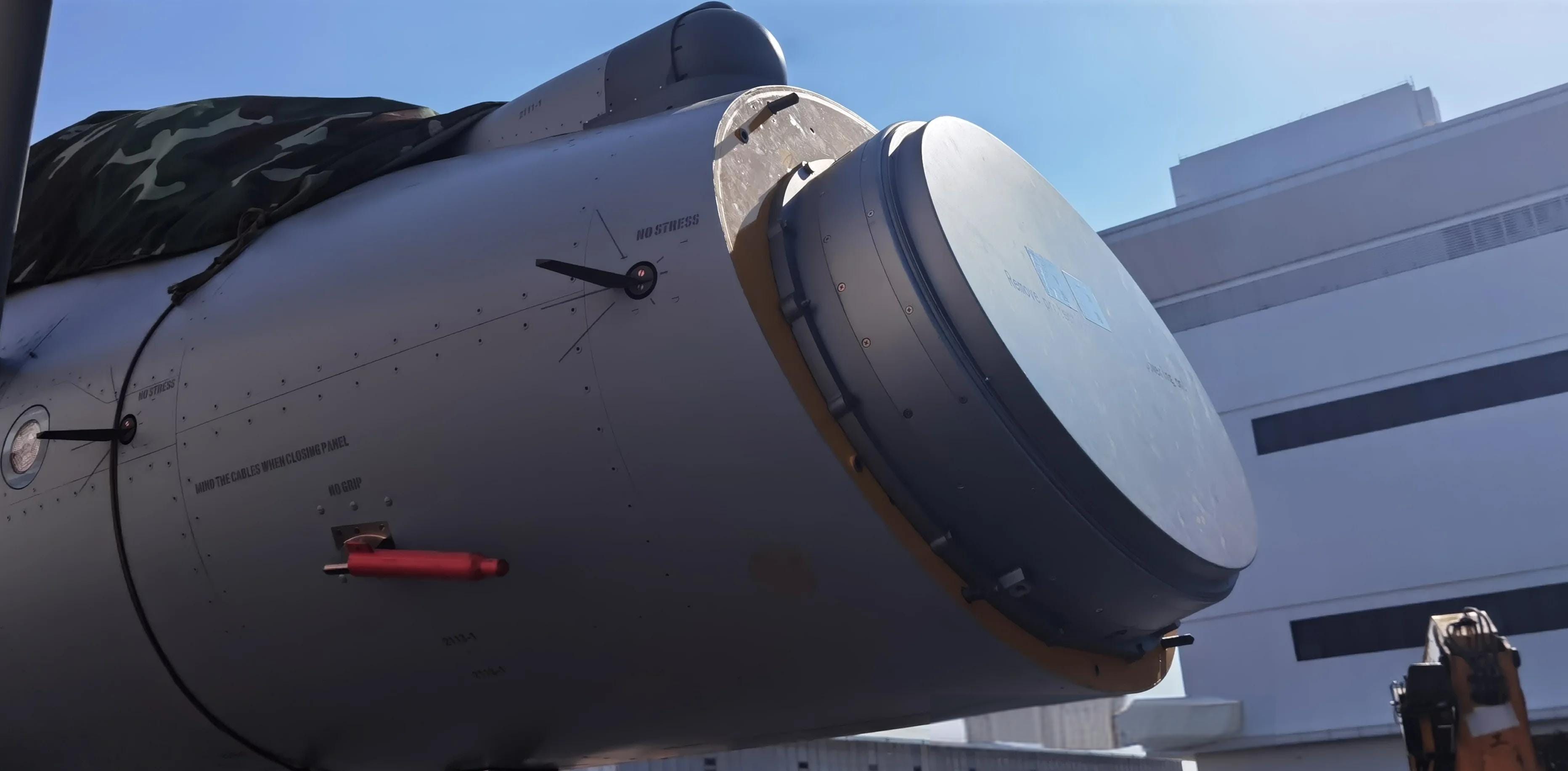
but do we know which version is mounted?
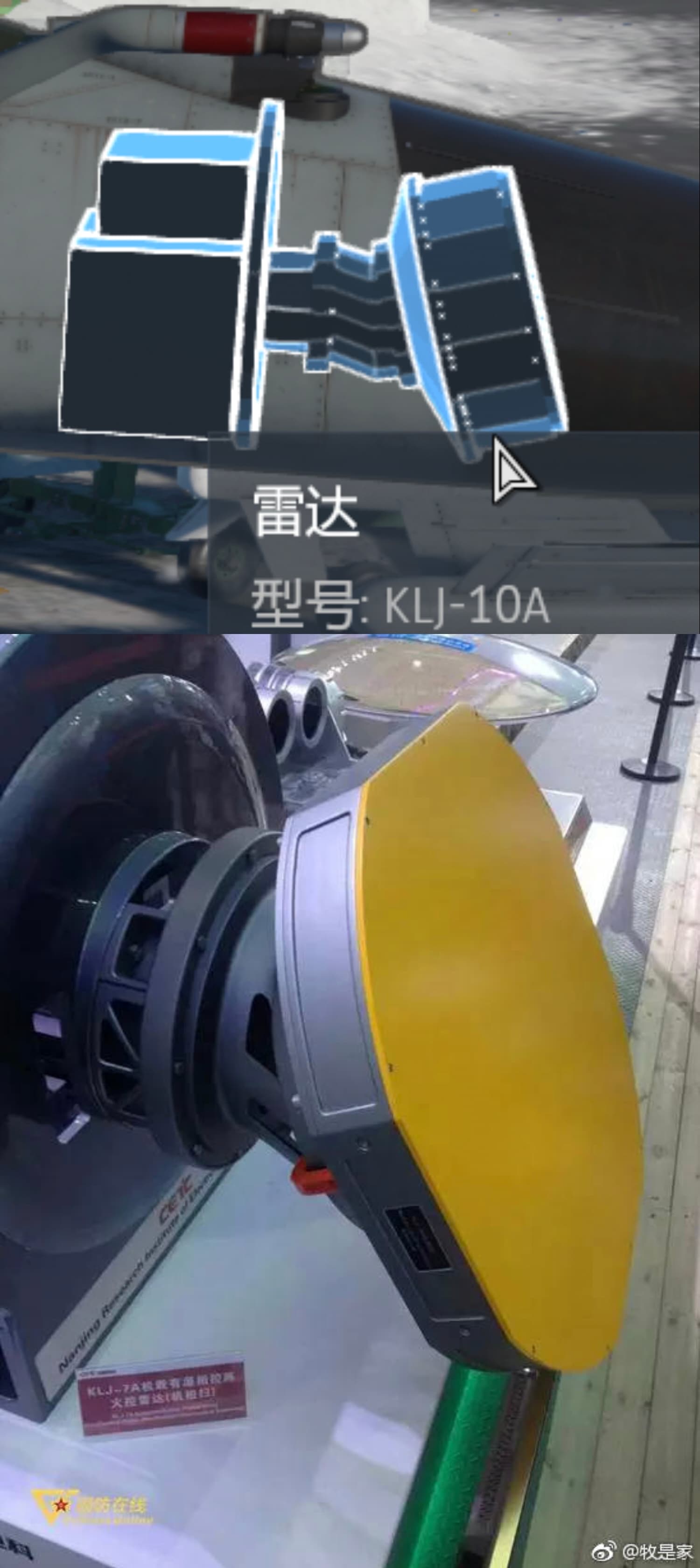
by the way you attached pictures of the KLJ-7A instead of the KLJ-10A
but do we know which version is mounted?
by the way you attached pictures of the KLJ-7A instead of the KLJ-10A
3 sided?
True
The KLJ-10A radar supposedly does not exist. The J-10C should have KLJ-7A anyways.
The j10ce has the klj 10a and the picture sakiko posted is how it looks like
It seems theres much varieties on both radar and plane.
The KLJ-7A have 2 different types: mechanical-AESA mixed early version, and solid 3-face AESA.These are shown in pics above.
The plane was equipped with different types of radars, too. Probably the early J-10C was with KLJ-7A(which varieties unknown). And late J-10C and J-10CE was with KLJ-10A. But lacking of files and evidence since these are kept military or commercial secret.
Repair J10C radar!!!
su30sm2’s radar have been available to lock targets in 4 to 8 o’clock. j10c also need a good radar to deal with Rafale and su30sm
Of course not.
The primary purpose of the tilted radar installation is to reduce frontal RCS. Whether side-looking arrays are present depends on whether there are additional radomes on both sides of the nose—clearly, the J-10C does not have them. However, due to the tilted radar, the J-10C should feature a vertical scanning range of 90°/-50°, not the current ±70°.
agree
Fix J10C, gaijing, take a look yourselves and see what you’ve actually done?
J10C radar need repair and its flight resistance
The KLJ-7A radar is likely not the one used on the J-10C. It is correct that the J-10C’s radar is the KLJ-10A .This can be discerned from the shape of their radar arrays – one is roughly rectangular, while the other is oval-shaped. It is confirmed that the KLJ-7A is used on the JF-17 Block III .
The KLJ-10A benefits from the J-10A’s original 730mm radar aperture, giving it a larger antenna size compared to the KLJ-7A used on the JF-17. Additionally, its slanted array design allows for accommodating more TR modules within the effective radome space.
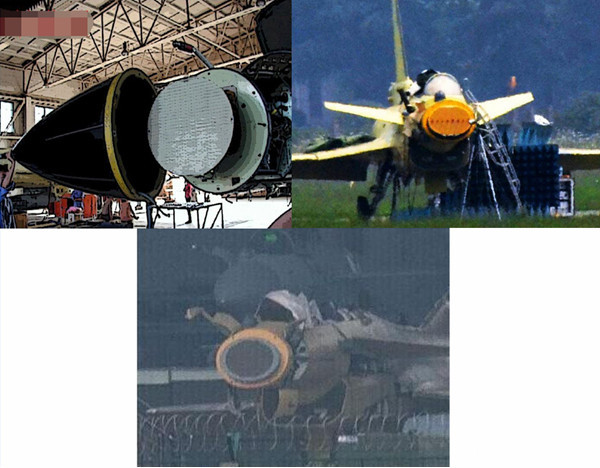
The KLJ-7A has three variants: a vertical antenna array, an antenna array with a mechanical rotation structure, and a slanted three-faced antenna array.
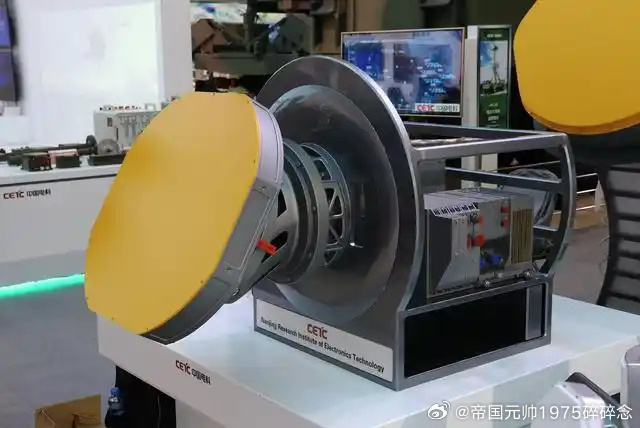
The KLJ-10A radar on the J-10C is a fixed, slanted array radar. However, Gaijin has made an error in their modeling of the KLJ-10A—the radar model in the game appears to be a hybrid of the actual KLJ-10A and a KLJ-7A with a rotating structure. This is a clear mistake.
Returning to the data of the KLJ-10A in the game, its lock-on range is also problematic.The J-10C’s KLJ-10A lock-on range should be consistent with the Captor =185km in the game
Its listed range is 200km, which is the same as the Typhoon’s ECRS (Captor-E). However, in practice, the Typhoon’s lock-on range is 40km higher than the KLJ-10A’s. The ES-05 radar on the JAS 39E, the smallest of the three, has an even higher lock-on range of 220km.
Captor-E = ES-05 ≈ 185km, KLJ-10A ≈ 140km
The J-10C’s KLJ-10A lock-on range should be consistent with the Captor in the game.
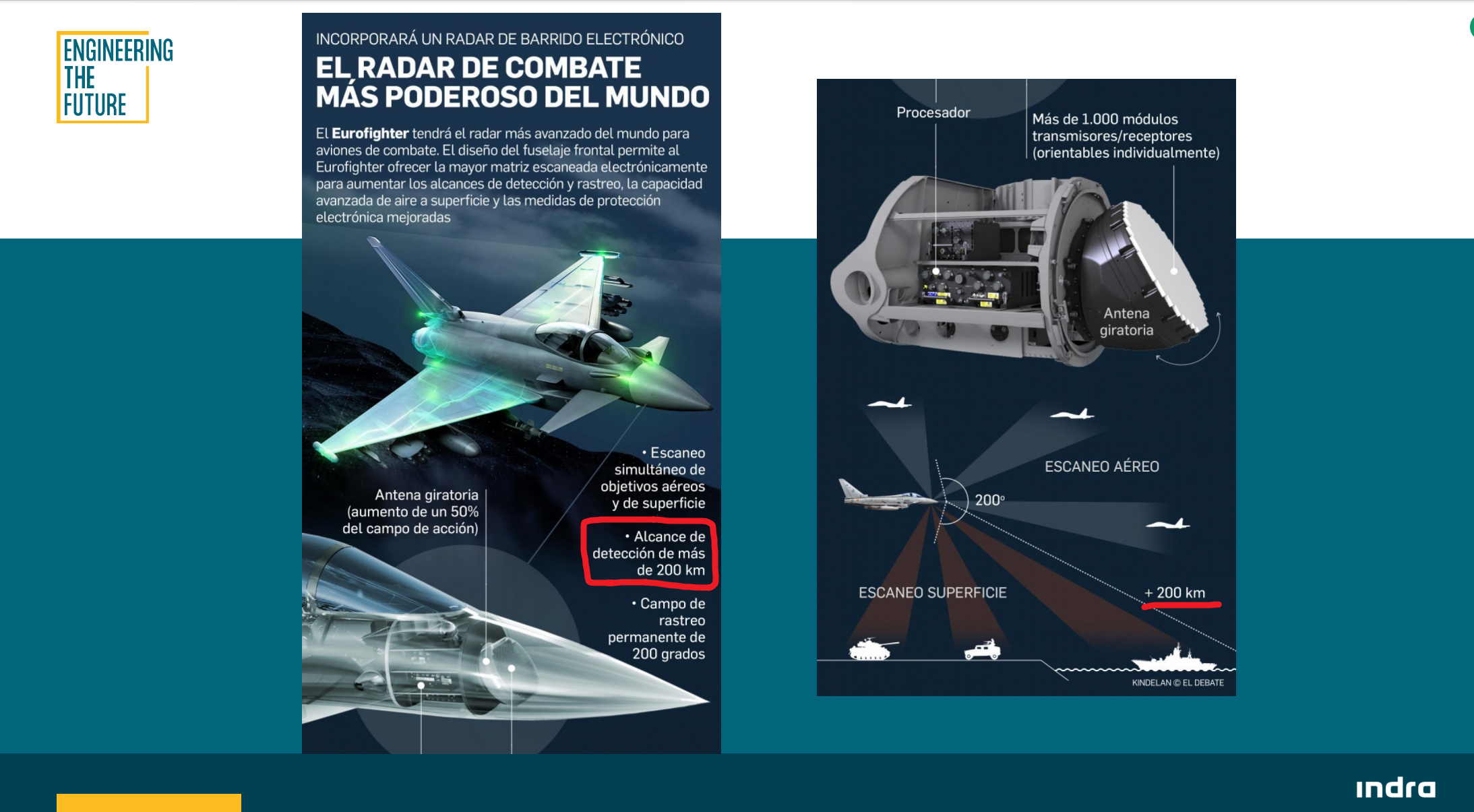
According to radar data charts from Indar, one of the manufacturers of the ECRS Mk1, the Captor-E’s air-to-air detection range is >200 km, which matches the in-game data.
Below is information about the LKF601E air-cooled AESA radar, which is also used on the JF-17 fighter. Its air-to-air detection range is >170 km, and its air-to-surface/air-to-sea detection range is >220 km.
It is generally believed that the radome diameter of the JF-17 should be >600 mm. Therefore, the antenna diameter of the LKF601E should also be approximately 600 mm. (PS: The antenna size of the KLJ-7A, also used on the JF-17, is likely similar.)
The radar antenna size of the J-10C is >730 mm. This data comes from the J-10A’s 1473 planar slot array Doppler radar (PS: “14” represents the manufacturer: CETC 14th Institute, and “73” represents the radar antenna diameter. The J-11B’s 1493 radar follows the same naming logic). The KLJ-10A’s antenna diameter is even larger, so it is reasonable to expect a longer detection range. However, the actual in-game lock-on range is only approximately 140 km. It should be consistent with the Captor-E’s 185 km.
During an interview with China’s official media CCTV, Xie Pin, the deputy chief designer of the J-10, stated that a detection range exceeding 200 kilometers for the J-10C’s radar is absolutely achievable.In the interview, Xie’s original statement was: “现在的雷达好的很,200公里是完全没有问题的”. This means that the J-10C’s radar is very advanced, and achieving a detection range exceeding 200 km is completely unquestionable. The text in parentheses was added by CCTV during post-production and was not part of the original statement.
The TWS trackfile capacity of the KLJ-10A in the game is also set too low. It’s only 20, while other top-tier AESA radars are set at 40. This includes the Typhoon, Rafale, F-15C GE, and F/A-18E mentioned above – all of their TWS trackfile capacities are 40.
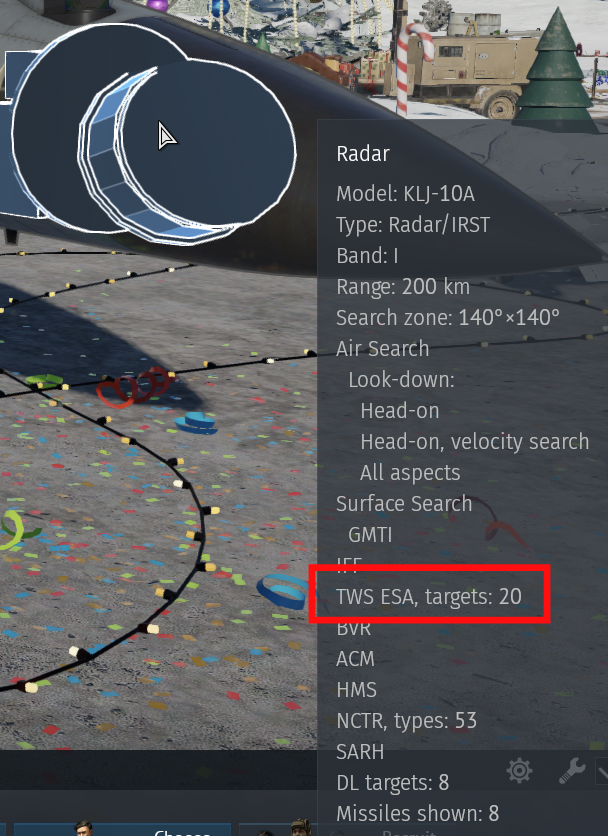
Another point is that the current scan rate of the KLJ-10A is the slowest among the top-tier AESA radars in the game. I don’t understand why it’s like this, and I can only hope this is just an “unfinished state.” If it remains like this after the official server update, it would be truly disappointing.
Seriously, are you guys really not going to fix the weird aerodynamic drag issue with the J-10A and J-10C? The same missile pylons on the J-11B perform normally, but the engines of the J-10 series are severely hampered by the incorrectly valued drag from those missile pylons
To summarize, the issues with the KLJ-10A are as follows:
①The radar lock-on range should be 185 km, making it consistent with the Captor-E .
②The number of TWS ESA,trackfiles is too low. It should be increased to 40, matching other AESA radars of the same grade .
③The radar scan rate is unreasonably slow.
④The in-game 3D model of the radar is incorrect.
However, the current radar data is not even the range of the Thunderbolt 15.
very doubtful of sidelooking arrays because there are no dielectric apertures visible on the j-10c but i agree on range and tilt