Finally got around to writing this:
Some interesting stuff from the presentation:
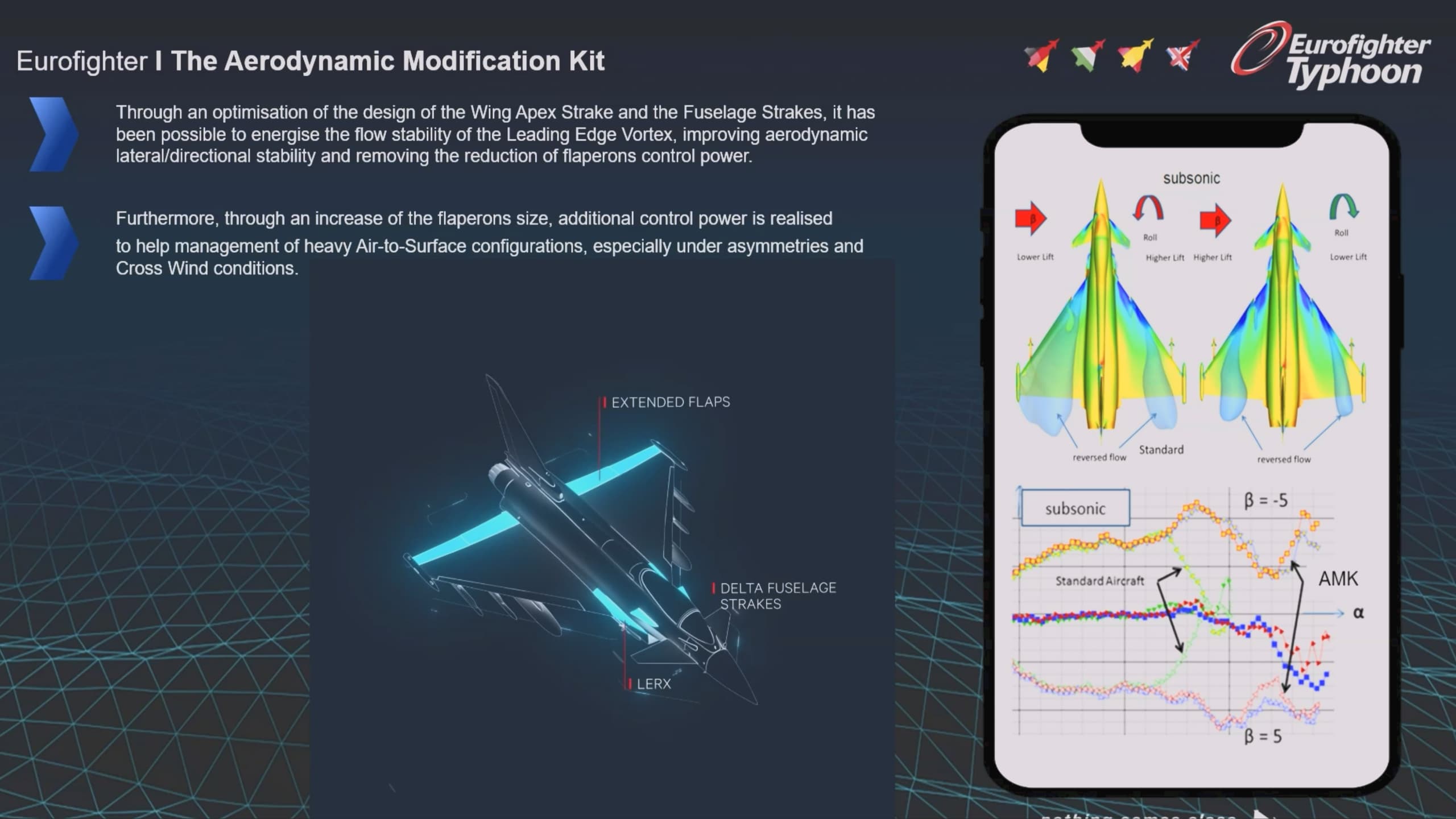
Graph wasn’t explained very well imo, and the lack of additional info on the graph (like what the Y axis represents, or any kind of numbers or scale) makes it hard to figure out, but I’ll do my best to explain what I understood from the lecturer.
Graph apparently demonstrates the CL of the aircraft with a certain degree of crosswind at varying AOA with and varying stores. The standard aircrafts CL will drop (probably towards 0?) if too much AOA is attempted when an undefined type of stores are onboard. AMK allows the aircraft with the same stores configuration to retain its CL at much higher AOAs (seemingly near double if we assume the AOA axis is linear and starts at 0deg) despite crosswinds.
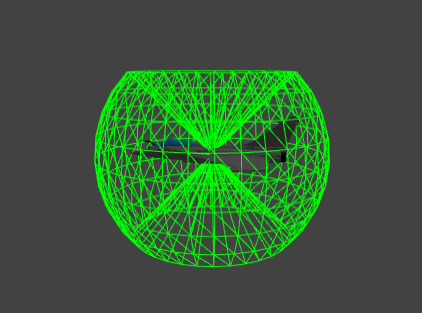
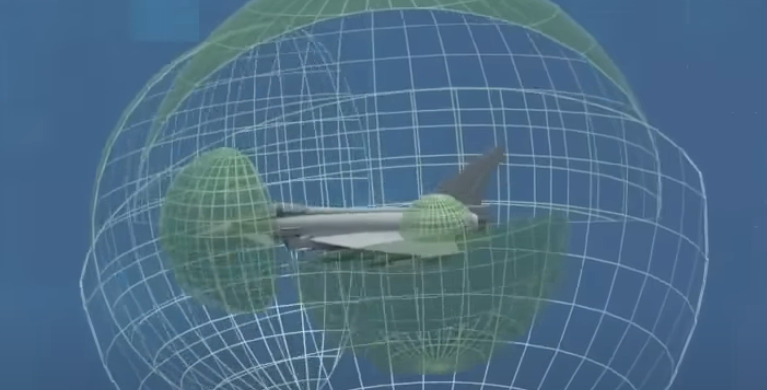
For stuff that I actually got some more concrete explanation of, the EFT’s primary issue at high AOA is lateral instability. Depending on airflow direction, the airflow over the wings at high AOA will separate asymmetrically, leading to departure of the aircraft(left EFT model in the pic above), so the aircraft is limited in its AOA to remove tge risk of departure. AMK rectifies this issue (right EFT model in the above pic) with a more even airflow over both wings despite the same conditions, which is why the CL doesn’t collapse at higher AOAs like it does on the current EFT.
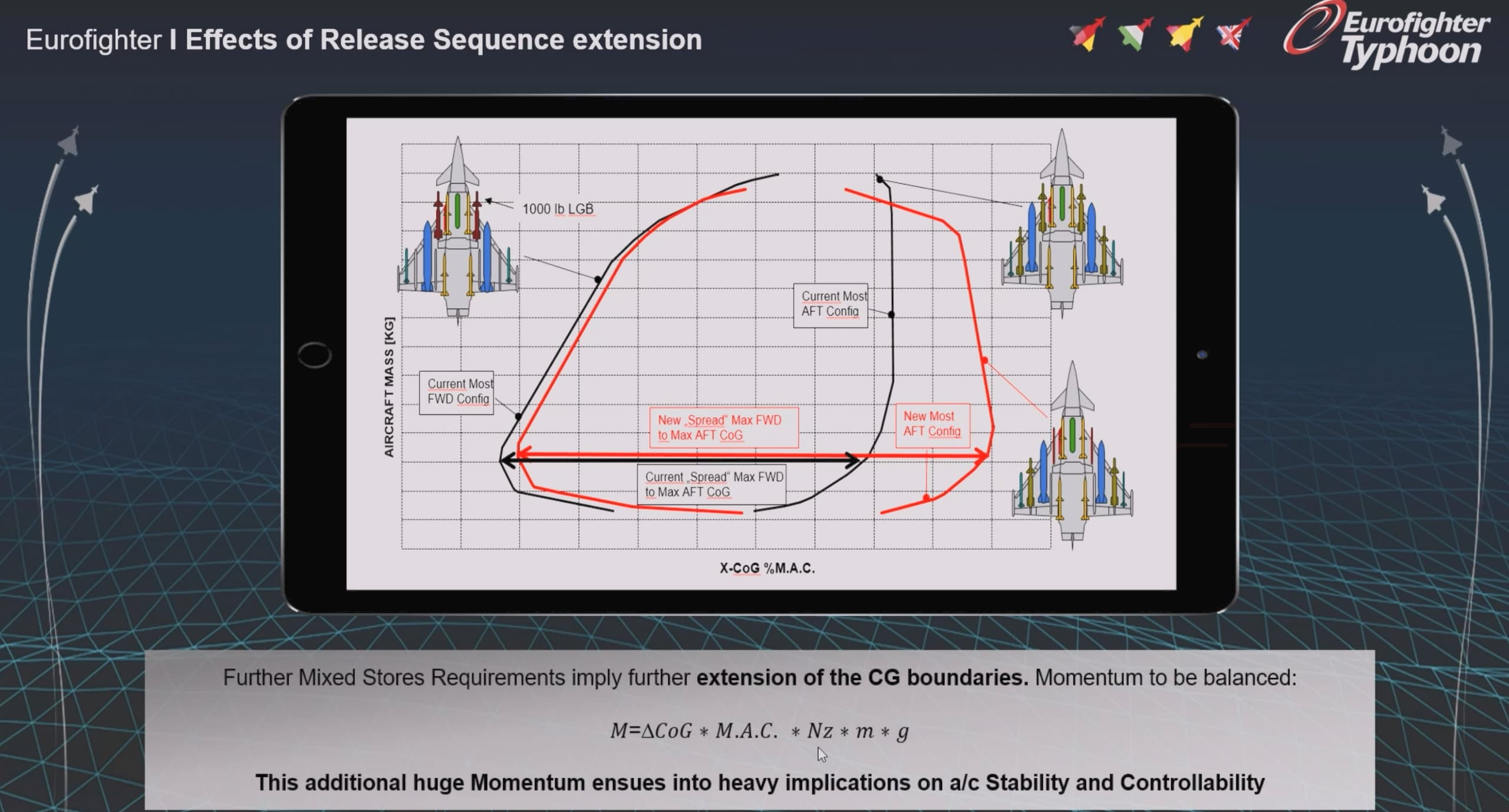
This graph demonstrates the increase spread of the CoG that AMK provides over the baseline aircraft. If I’m understanding it correctly, AMK provides a large increase in aft CoG shift (can carry a lot more weight aft of the CoG), with a small reduction in the fwd CoG shift (little bit less weight forward of the CoG), which substantially improves options for stores configurations.
I might be misunderstanding something here though, since the graph seems to indicate that AMK very slightly reduces the max allowable weight of the aircraft, which makes no sense to me, since it increases aircraft lift substantially, and one of the goals of the kit is to increase air to to ground capabilities, so I’d take this interpretation of mine with a grain of salt.
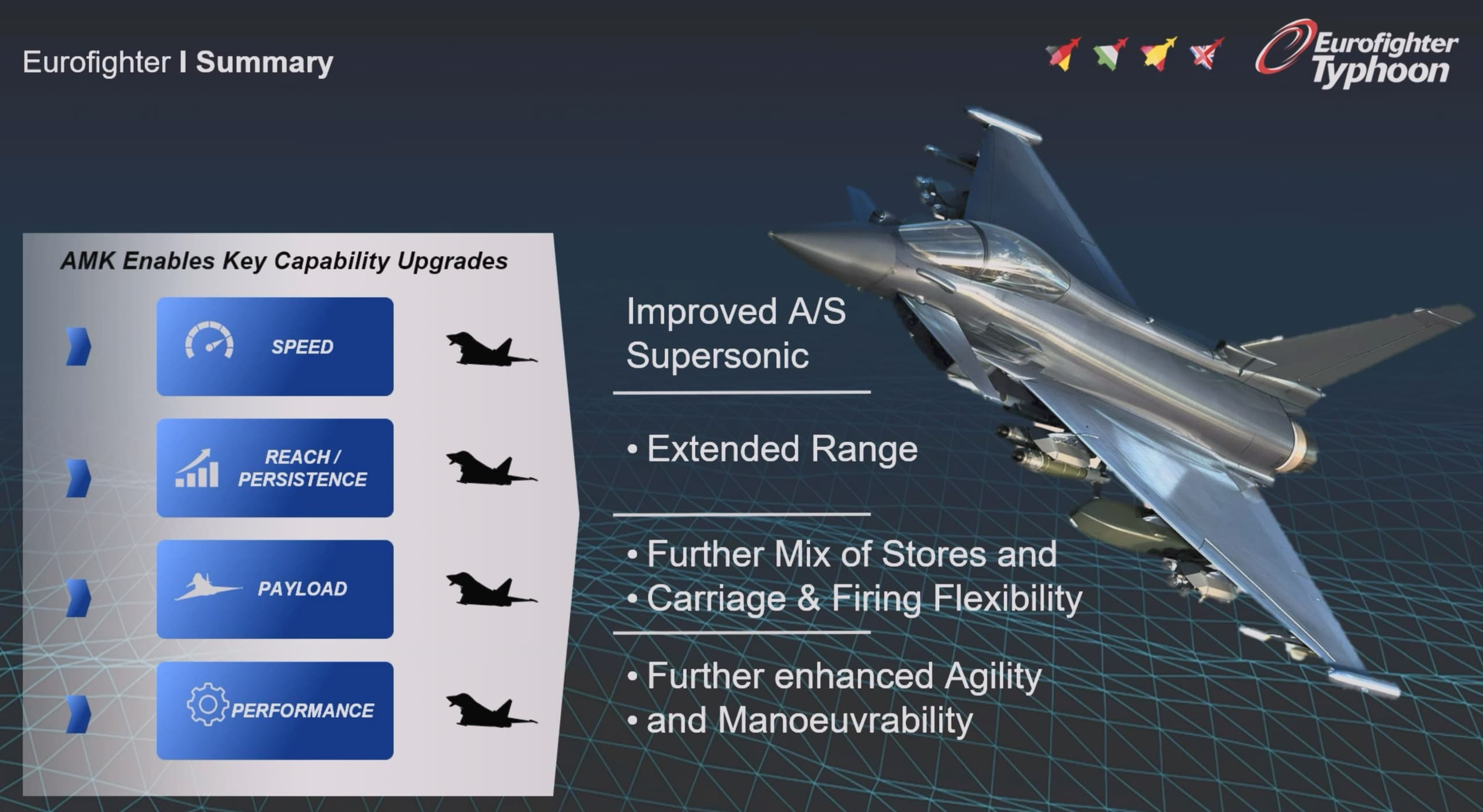
Wanted to highlight these points, AMK also increases aircraft flight range and speed. This should be pretty obvious, since the kit improves the EFT’s lift (and likely reduces induced drag because of this, since less AOA will be required for any required amount of lift), which means the aircraft likely has a higher lift to drag ratio, and therefore needs less energy for a given flight path.
It also specifies that AMK currently allows triple the stores configuration of the standard EFT, which is a pretty massive increase, although useless for WT purposes until we start to (hopefully) see AMK EFTs with new stores configurations not yet seen.
Once again, take this all with a grain of salt, as this is just what I understood from the presentation, along with a couple inferences from myself relating to the info provided. Many of the questions I asked did not really have many proper answers to them in my opinion.
One answer I did get outright was that no noticeable aerodynamic penalties have been observed with the implementation of the AMK kit. The changes appear small, but the (positive) impact on aerodynamics are large.
A final detail regarding the presentation specifically, I did get to ask how the long armed canard delta configuration compared to close coupled canard deltas, with the answer being that the long armed canard has a very high level of longitudinal instability, with results in things such as extreme pitch rates.
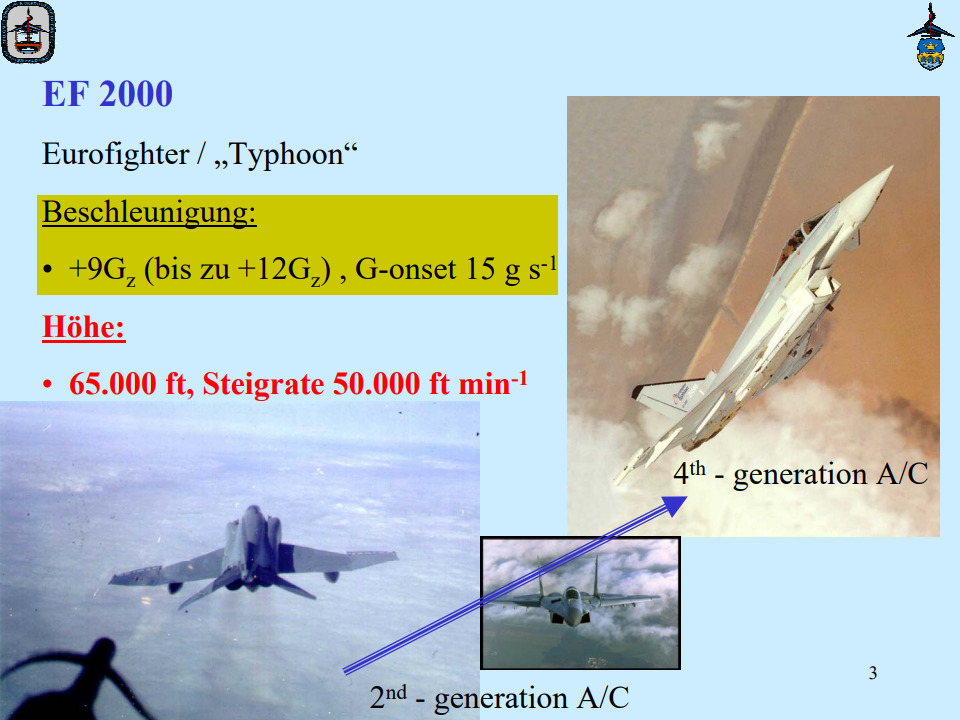
As for how this ties in with prior information, we know from info posted here in the past that the EFT has a claimed G-onset of 15 G/s (should take roughly 0.53s to go from 1G level flight to 9G). Im not exactly sure how that compares numerically to other jets, but considering what was stated, its likely this is on the higher end, and does actually sound quite violent. Unfortunately, I don’t think there’s any good way to verify aircraft G-onset in-game currently. You’d have to time a pull while using the localhost to get the accurate G-loads to determine the delta G’s and time delta and go from there. As far as I can tell, SS doesn’t have that feature either yet.
EFT max load factors and G-onset
For a more visual comparison, this video of a 9G test has an approximate peak G-onset of ~1.77G/s using a frame counter between 1.30G and 8.97G...
https://www.youtube.com/shorts/nnP3wDBKg1g
Combining this info with that from the presentation, its my opinion (as it was never directly answered), that the lateral instability of the EFT’s baseline design at high AOA resulted in its ITR capabilities being limited pretty substantially compared to what would theoretically be possible if the aircraft was laterally stable at high AOA’s. The AMK kit rectifies this issue, likely resulting in some rather absurd ITR and nose-pointing capability gains.
More specifically, in the past its been claimed that the AMK kit provides “25% more lift, 45% more AOA, and up to 100% increase in roll rate”
source
Afaik, no explicit numbers have been given regarding the ITR’s performance uplift from the AMK kit specifically though.
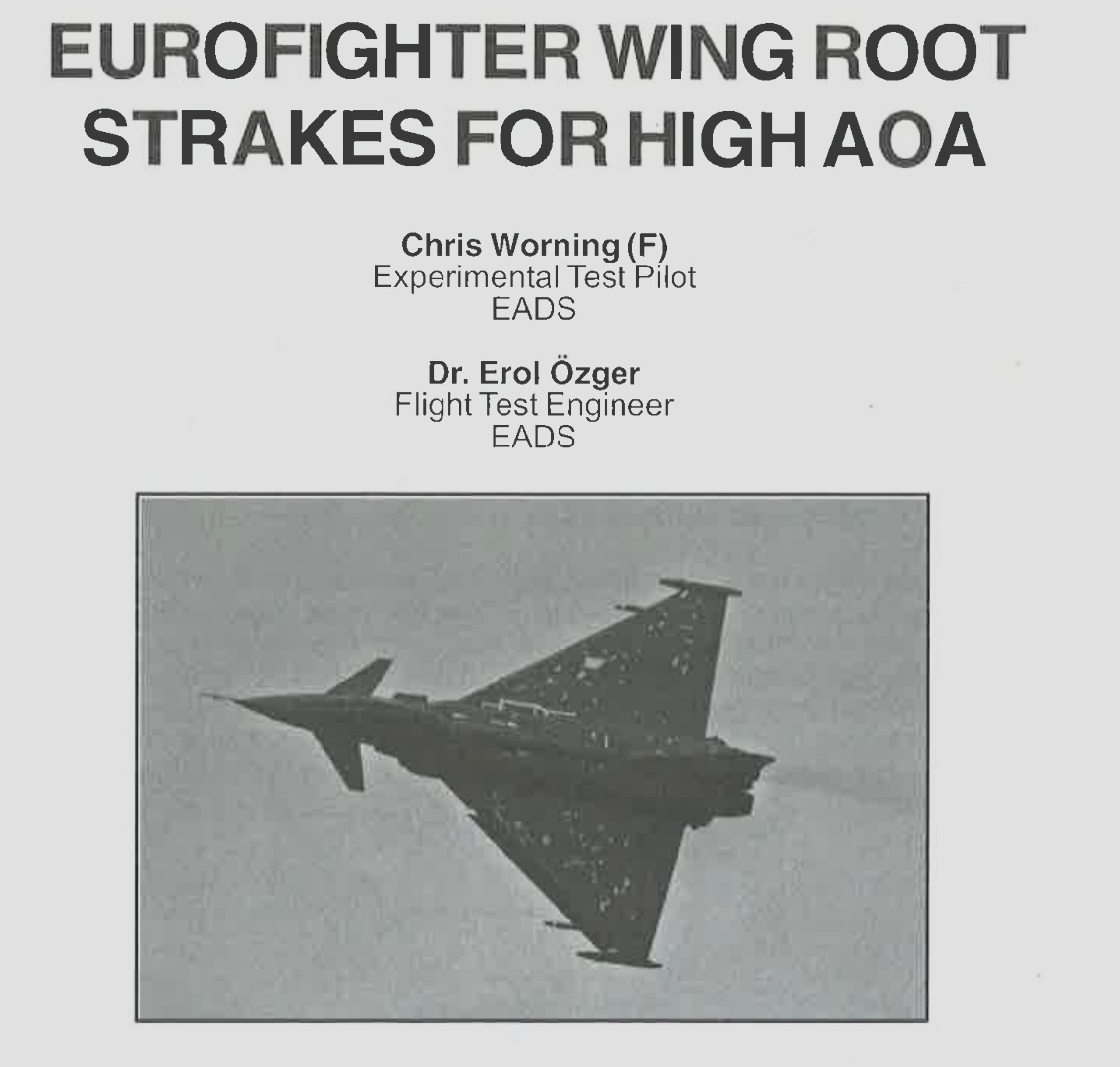
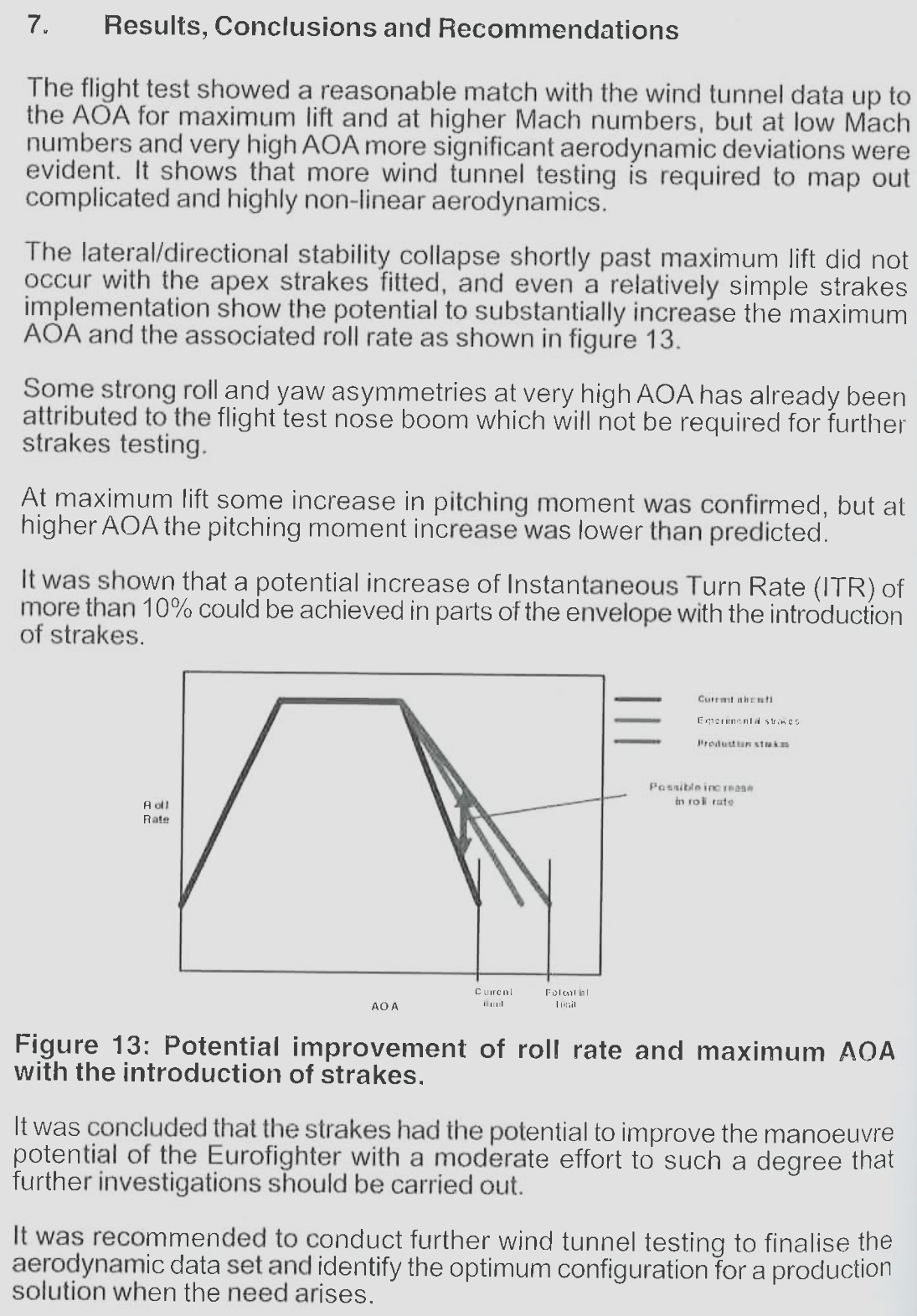
However, a prior paper from an EADS test pilot and flight test engineer discussing the impact of the addition of only apex strakes on the Eurofighter resulted in even higher pitch rates (i have no clue if a pilot could even really deal with pitch rates beyond 15G/s tbh), and potential increases of “more than 10%” for its instantaneous turn rate (ITR) in parts of the flight envelope, along with discussing many of the positive effects that have since been stated as results of the AMK modification, but this paper predates the AMK in its current configuration, and is unlikely to represent the full scope of the benefits of the AMK kit.
Apex Strakes paper:
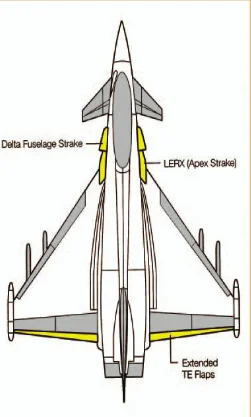
AMK component diagram for those wondering which parts are the apex strakes: