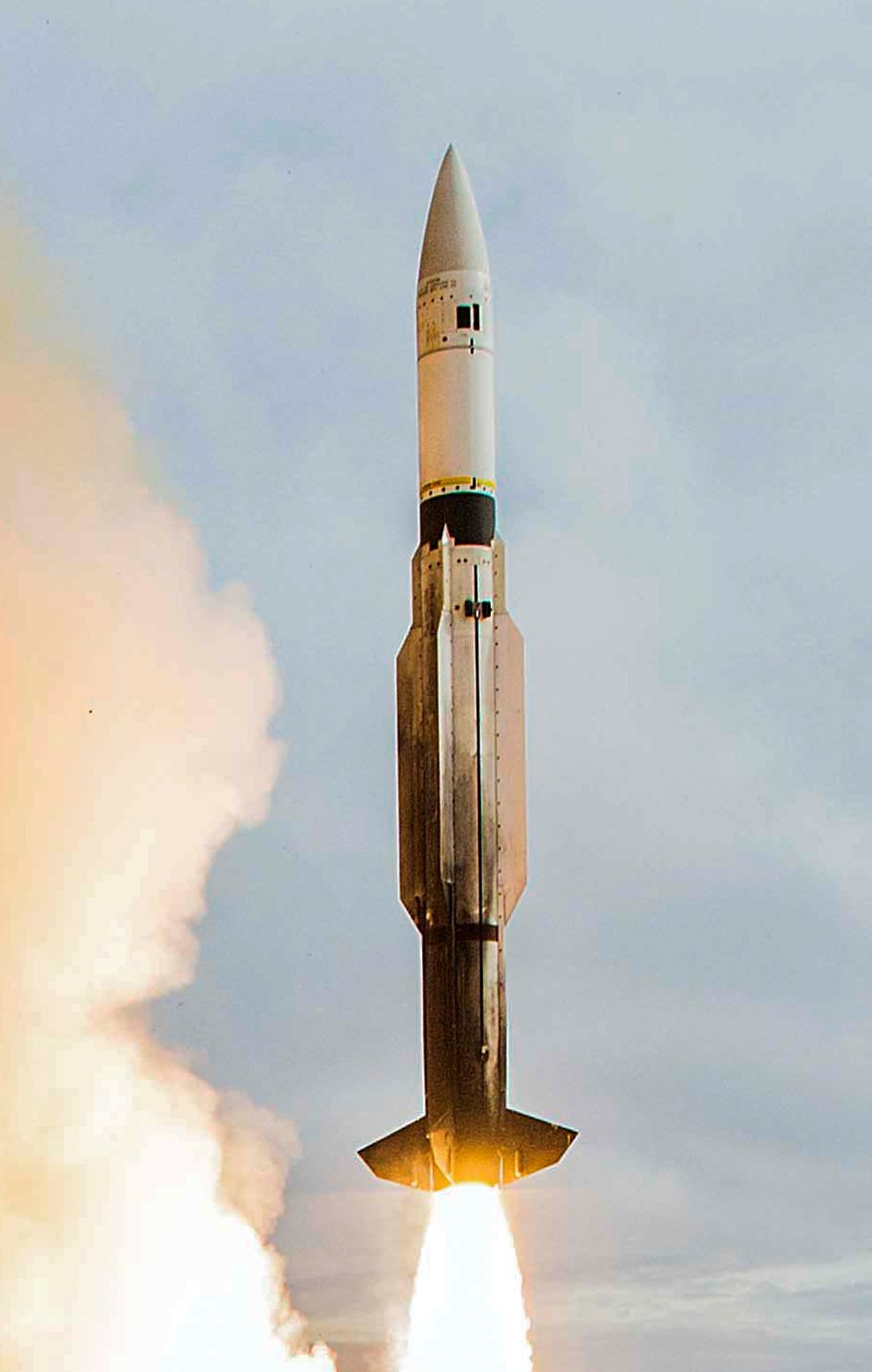
One could consider the booster as the aircraft itself.
Main issue with Aquila though, is that it’s still quite early in development, so not likely to be ready by 2030 like COMET.
One could consider the booster as the aircraft itself.
Main issue with Aquila though, is that it’s still quite early in development, so not likely to be ready by 2030 like COMET.
Would be weird for a missile intended to be put on ships and defend ships not defend the threats that it would come across.
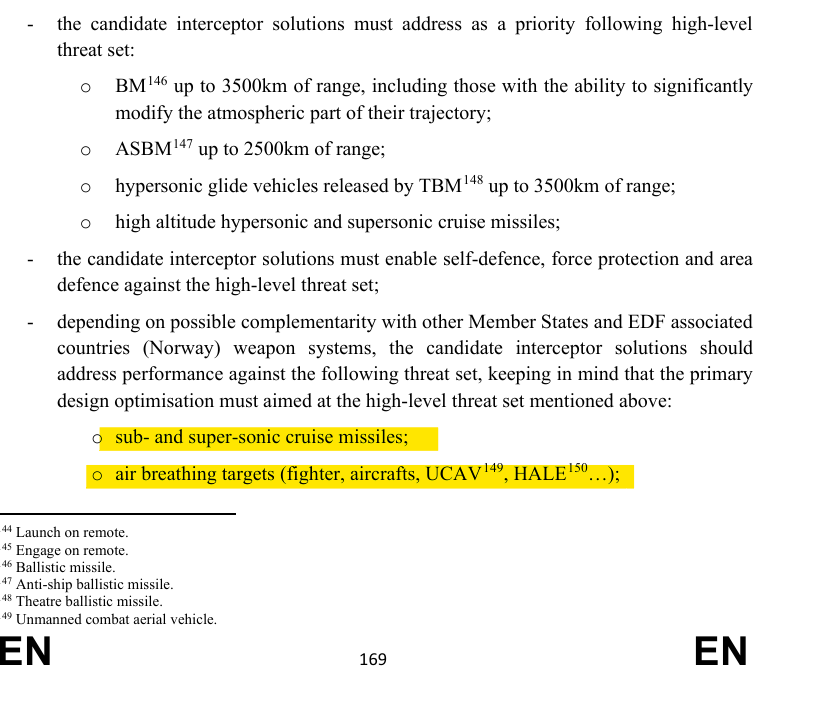
The problem here is, correct me if im missremembering it, ASTER 30 is brought to 4,5 mach by the booster. Aquila will need even more speed than that.
The overwhelming majority of the weight of the Aster-30 was solely on the booster, doesn’t seem like the same will occur with the Aquila which would be more akin to something like SM-6.
Aster-30 as a whole is 450kg, the dart is 110kg. That means the booster was the overwhelming majority of the vehicle (340kg) compared to something like the Aquila/SM-6.
Not quite. Missilile being made as a BM interceptor not having ability to intercept things like fighters would not be that weird. That would be dedicated to other systems on the ship.
I have only seen it being refered to as BM interceptor, so if its supposed to also be used for self-defence I concede.
The requirements set forth by the EU is that the interceptors also be able to target all other threats which was listed in the screenshots just above, so the usual cruise missiles, air breathing targets, aircrafts, etc etc.
My only wish for COMET is that they also make it land-suitable just in case and also make infrared versions.
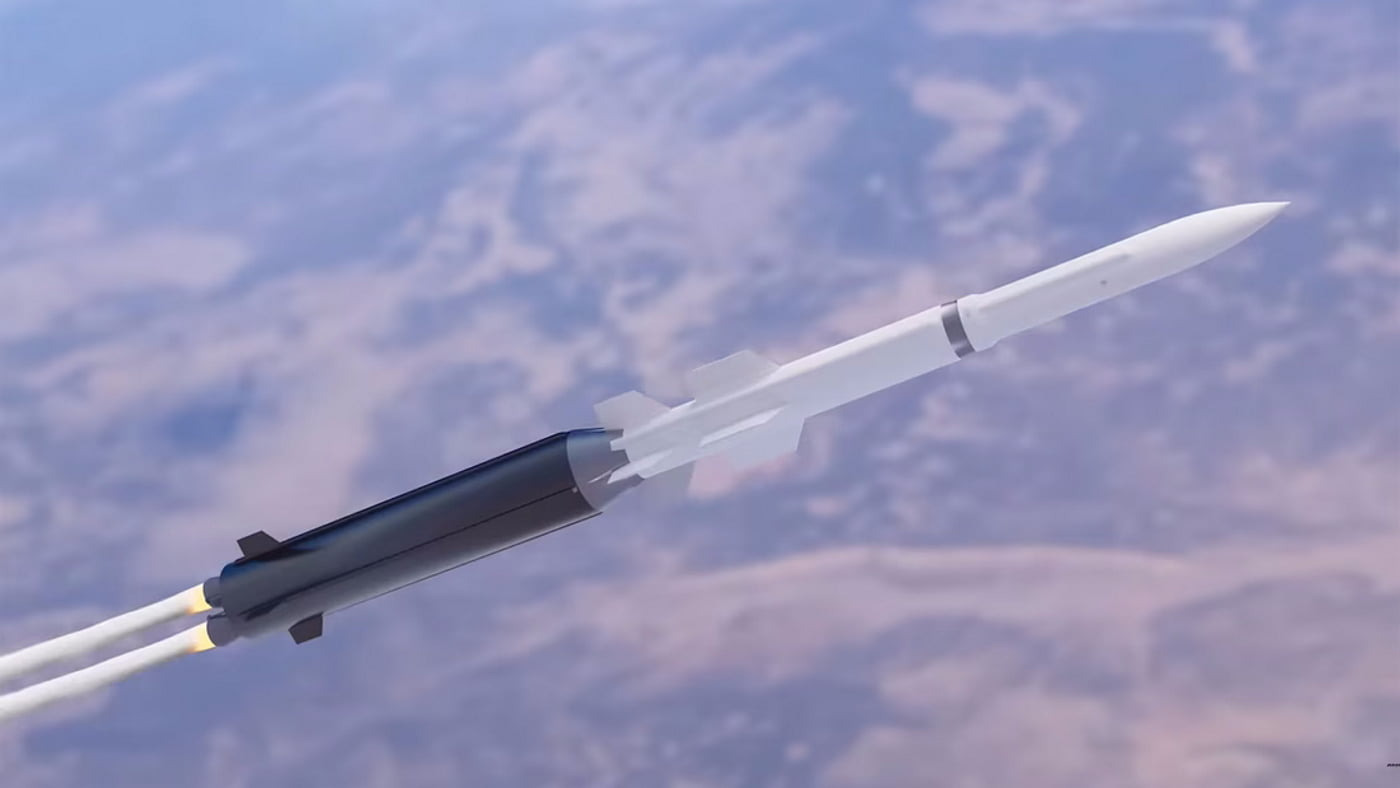
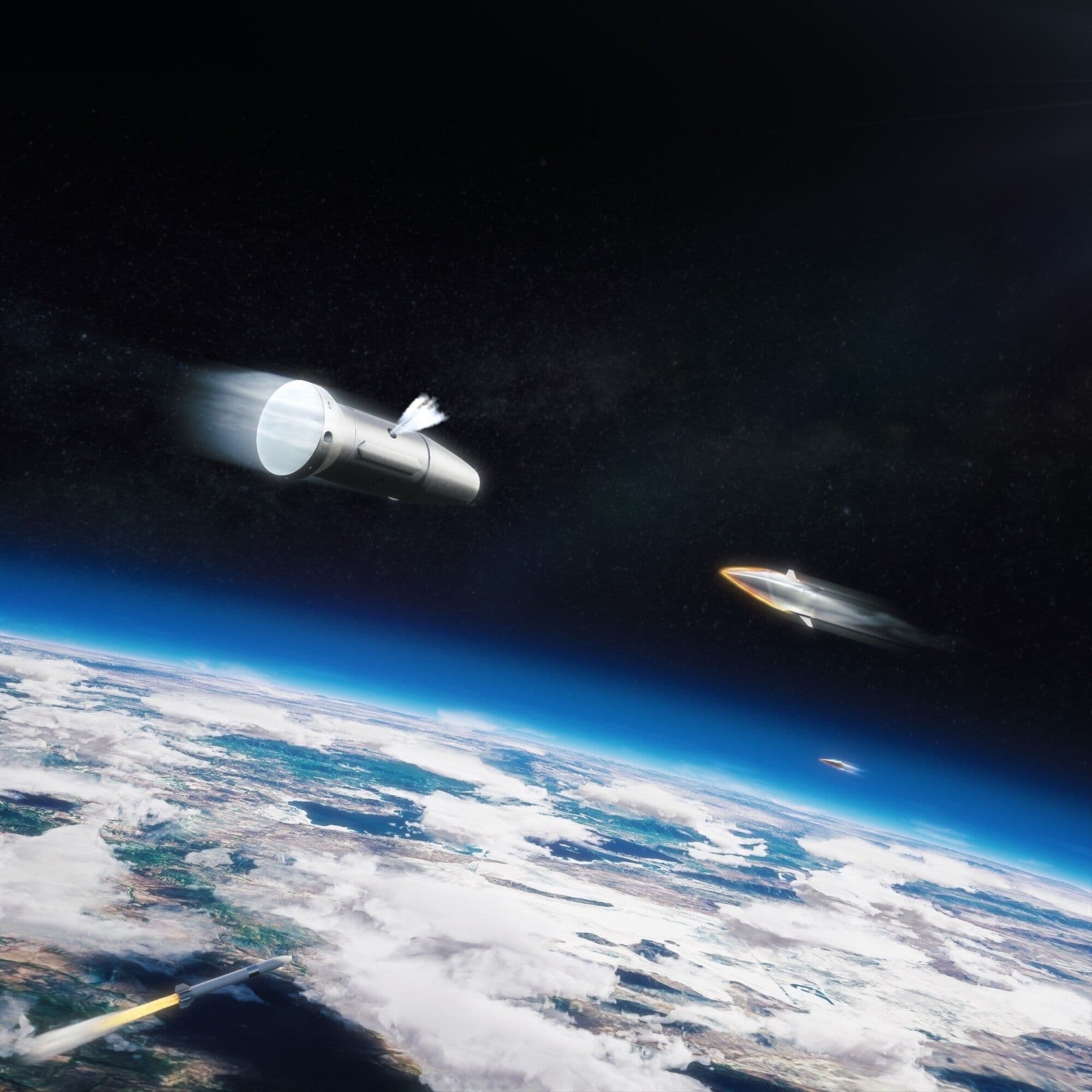
If you look at Aquila, most of its thrust will also come from the booster. 2nd stage needs to have space for electronics etc, and it ends at the silver ring, thats where KV detaches.
That is why i compared it to ASTER.
On most 2 stage missiles, the “cruiser” part usually play a role in sustained acceleration, Aster is a bit of an outlier from my understanding, from the proportions shared by MBDA, i don’t think this architecture (very fast acceleration and small sustainer with low burn time) is going to be used again : the Cruise + kill vehicle are far bigger relative to the booster compared to Aster’s ratio.
I still don’t tihnk Aquila will be used for Comet (for the reasons stated above) though. Seeker is also not guaranteed to be ARH, and kill vehicle will lose a lot of range for max manoeuverability against hypersonic threats, not something very necessary for a long range AAM.
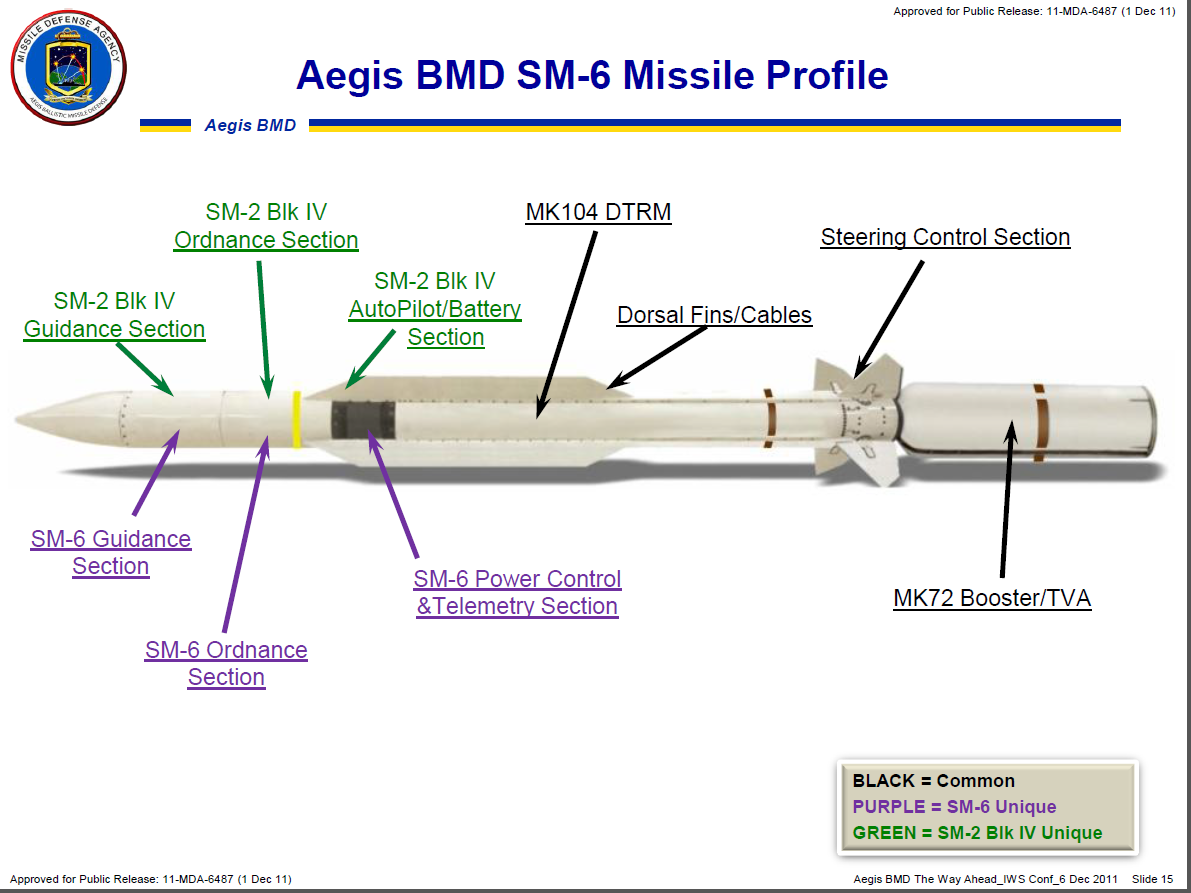
While the majority of the thrust should come from the booster, it doesn’t seem as though it would be too similar to Aster. Compare it more to the SM-6 which atleast doesn’t have “3 stages” where the Aquila would.
Also to be fair, what’s stopping the Aquila from having the dimensions and weight similar to the SM-6?
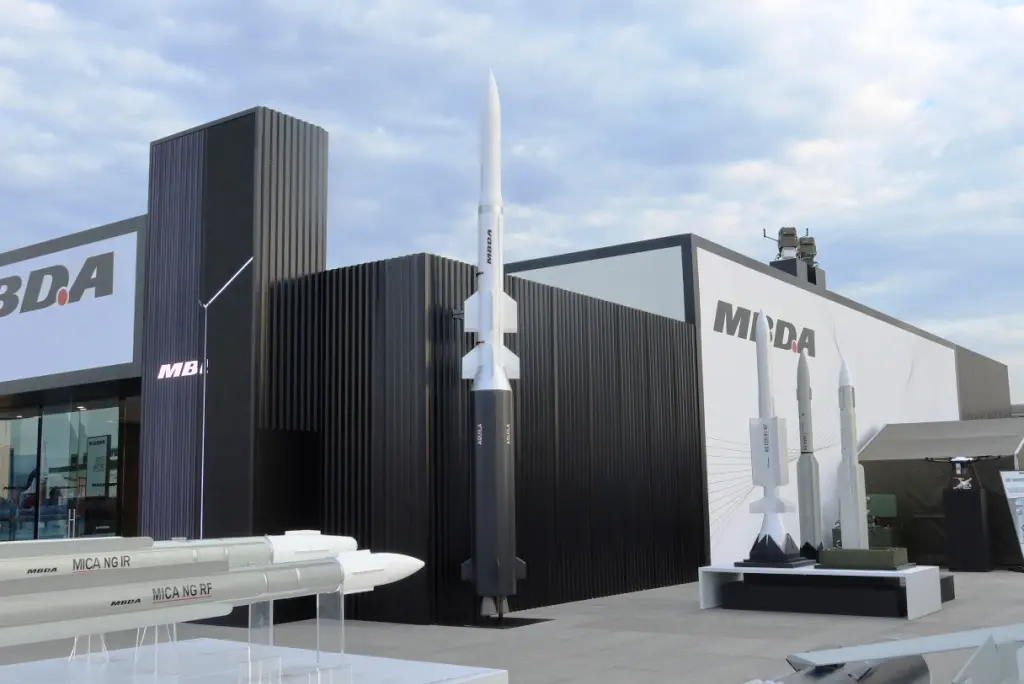
From the model showed at an expo compared to humans standing near it, i guestimated the length at ~6m compared to 4.9m for aster
Considering it’s also larger caliber compared to the aster dart, i think we can say it’s going to be a heavy one if it ever comes into production, probably ~700 kg
The first one is possible, the second would require to cover the seeker like IRIS-T SLM. infrared seekers don’t like all that heat from sustained air resistance on long distances
It does seem like the 2nd stage+kill vehicle of Aquila is quite a bit larger and longer than the Aster dart which is similar to MICA in dimensions.
The booster stage is much less of a portion of the missile in the case of SM-6;
And thats kinda based on the SM-2 missile which lacked a boost pack (not 100% on that but correct me if wrong).
So the pedigree if you will was there for AIM-174B
I’d have to agree without knowing the Aquila’s weight/dimensions and the booster’s weight that the Aquila second-stage + kill vehicle doesn’t seem to come up to what the Meteor would offer.
I will say though that the booster on the SM-6 is very much visually deceptive. The SM-6’s booster is half of the SM-6’s weight in total, yet looks like it’s just 25% of the missile.
Mach 4 for the booster, but the missile can reach up to Mach 4.5 with the sustainer.
Si basically .5mach gained (while experiencing very high drag tho), not really conclusive for a 200km range missile even air launched at Mach 1.9 from 15km altitude
Based on SM-2ER blk4 which did have the booster iirc
Did a bit of digging on that Comet thing : maybe it could also be derived from the late 1990s Rascal program
It was supposed to be a cheap liquid fueled statoreactor, and it seemed they tested the proof of concept for air-air application
Maybe we are in a similar case to leclerc 140mm => Ascalon, except MBDA had made far more progress in the 1990s, allowing them to go in production quickly ?
here’s a paper from 2002 in Matra / MBDA stato reactors and the Rascal concept :
https://fr.scribd.com/document/849359692/1-18085074699
and there’s this interesting concept (looks familiar, doesn’t it ?) :
So maybe Comet is basically a liquid fuel statoreactor Meteor, which would coincide with CEMA’s description of it (cheaper, similar range) all while having already been tested in some regards, and sharing an already tested airframe, which would explain the constrained timeline.
It would also coincide with the fact that France seems to be developping a lot of statoreactor missiles these days (ASMP-A-R upgrade, ASN4G, Stratus RS)
Now the question is, solid fuel statoreactor are supposed to be simpler mechanically, so i would assume cheaper as well, maybe the added cost comes from the fact that meteor thrust can be modulated despite being solid fuel ? Not exactly standard, so it could explain the added cost
Comet just started in late 2025 ~, in 2027 it is already getting money for it to be industrialized as far as i understood, let’s be honest, taking the average shape missile doesn’t require much time, but doing ramjet/scramjet will require more thinking and so more time which is a ressource France cannot afford especially as there is no option to go for american missiles.
Except if, as the paper states, all the R&D was already done and paid for in the 1990s, and if it just so happens that they were about to open a production line for statoreactors in the stratus program anyway