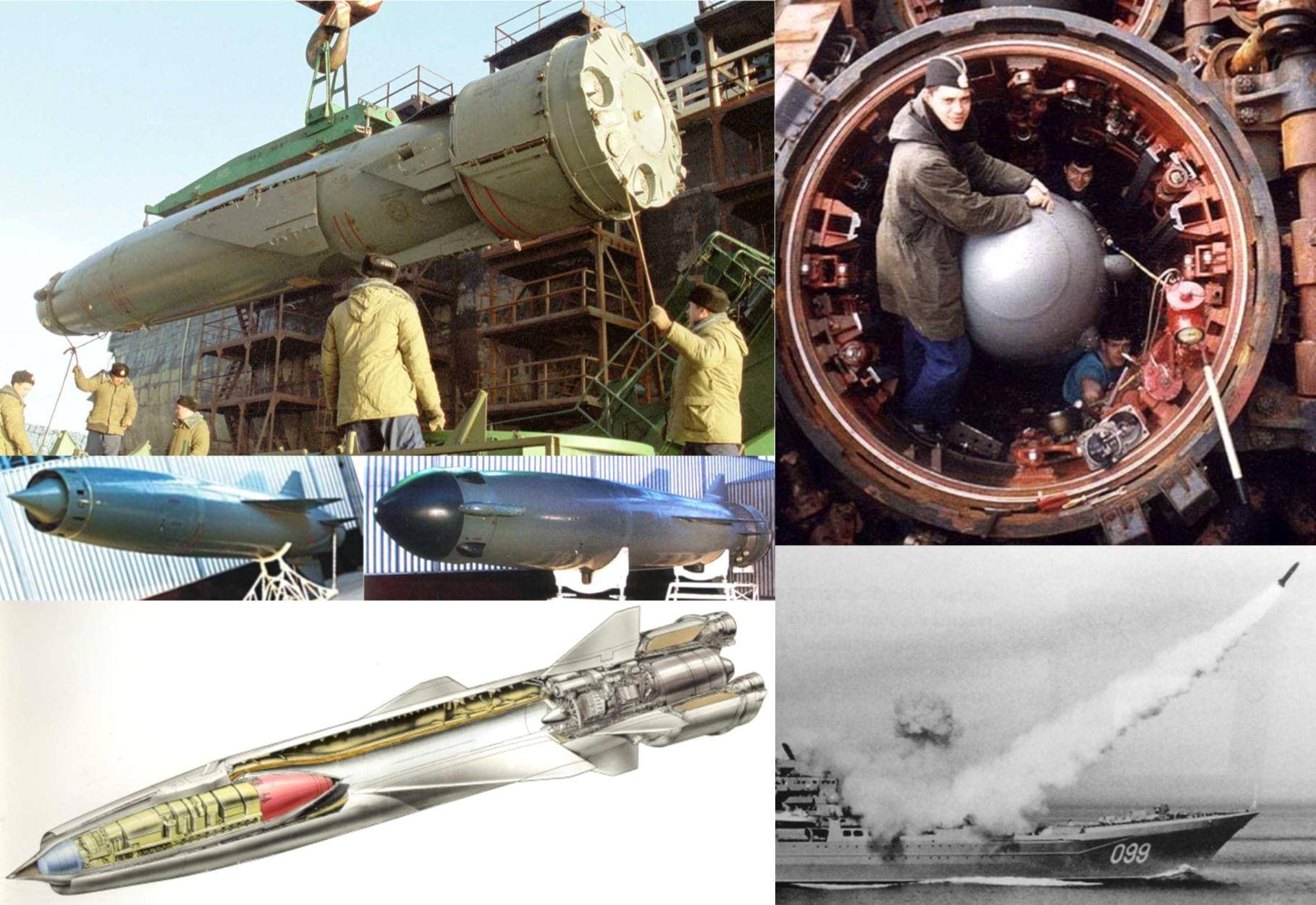
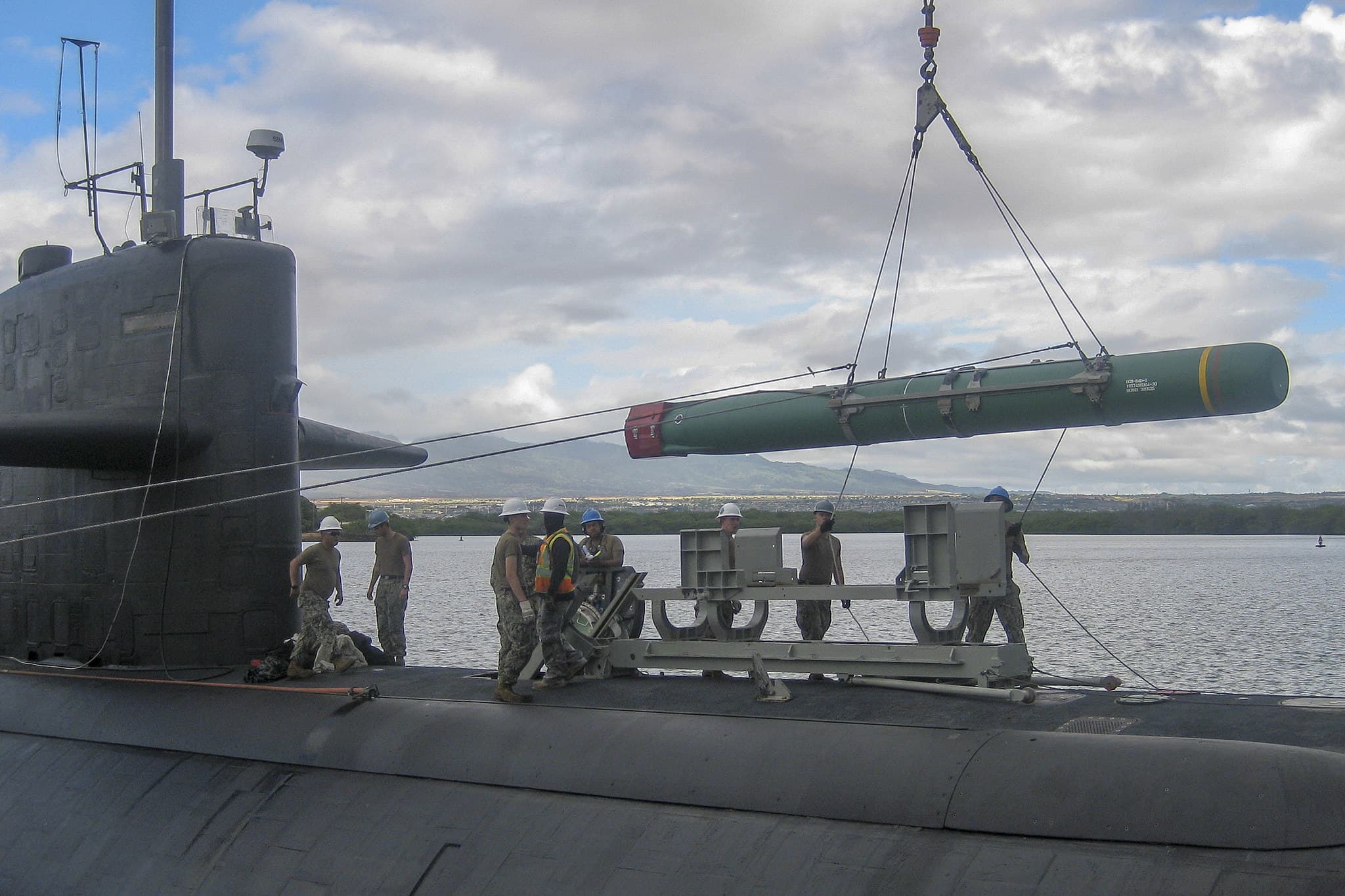
ture and, in fact, the vast majority of submarine-launched anti-ship missiles require this specific launch method. This necessity stems from a combination of factors: 1. The missile’s diameter is often smaller than that of the torpedo tube; furthermore, due to the presence of components such as wings and air intakes, its cross-section is not a perfect circle. 2. The missile’s internal components are relatively delicate and cannot withstand the immense hydrostatic pressure of the surrounding water; consequently, a protective canister is required to shield them. 3. These subsonic missiles are typically powered by turbojet engines, which become inoperable if they ingest water. 4. The aerodynamic profile of these missiles is specifically designed for subsonic flight through air; when traveling through water, they are prone to becoming unstable, which would result in missile failure.
like harpoon.
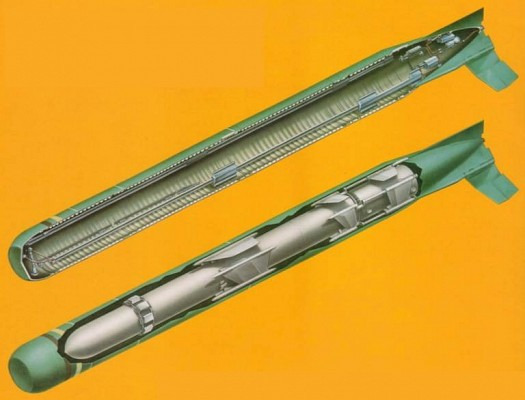
and exocet.
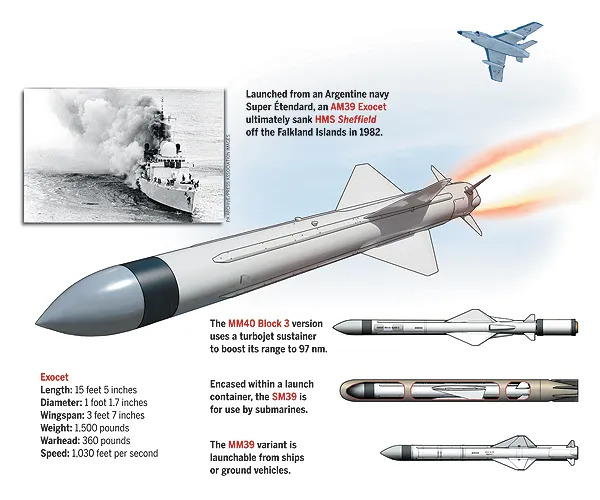
and club.
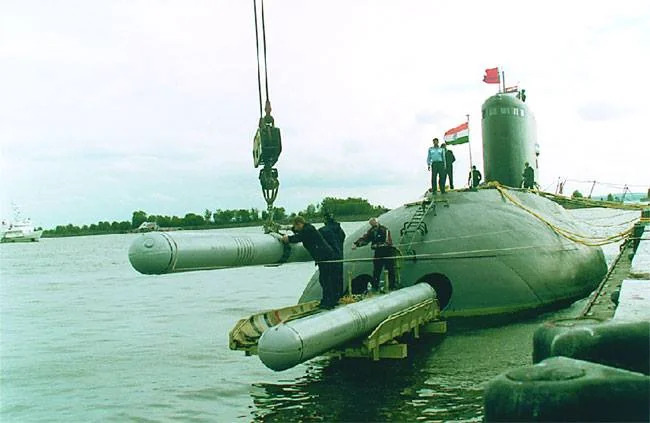
With the widespread adoption of VLS systems, missiles are no longer prone to instability while submerged; consequently, there is a greater tendency to directly seal water-vulnerable areas—such as air intakes and booster bases—using protective covers. These covers typically detach only after the missile has emerged from the water.
P700 might be the first submarine based anti-ship missile dirict launch without a container.It has a cap to cover its inlet and makes it stable in water.