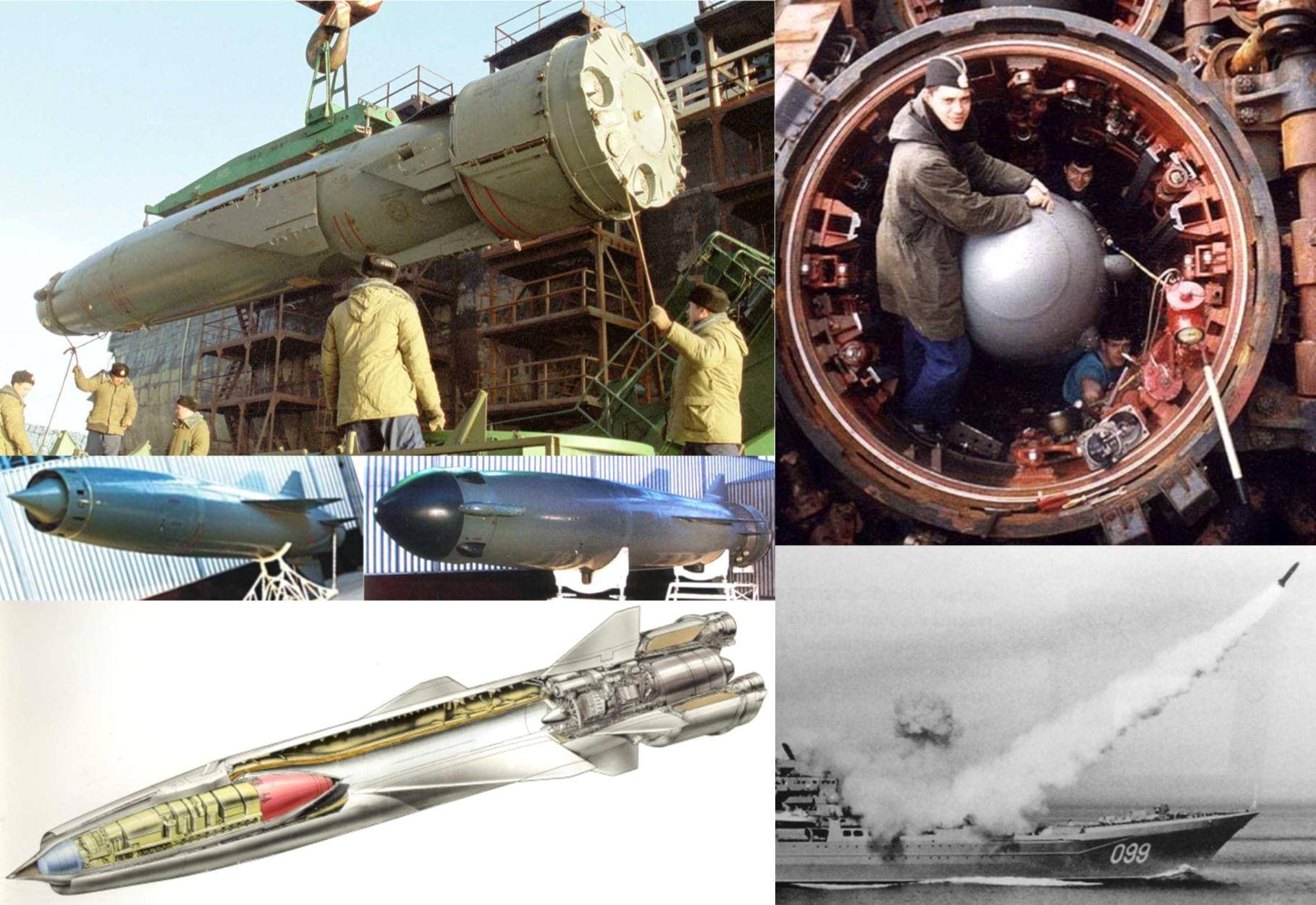
Wait submarine torpedo tube launched anti ship missiles? Like you launch them from underwater and they pop out of the water to go kill something? That’s the funniest shit I’ve ever heard yes please.
2 Likes
yup
and the best thing is, they aren’t new so we might see them one day
Some anti air missiles can also be fired underwarer
1 Like
Here is an interesting article about the warhead of the C-802, which I believe is an early export YJ-83

Any chances you have this?


I meant the book.
No, do you know the title of this book?
It looks like a foreign trade product manual.
Yeah i’ve tried to see if i could contact the guy but i can’t dm him on the forums
It seems to be the one on the cover although i can’t find anything about it online.
I’m astonished that all of these bug reports are getting acknowledged. I honestly expected this plane to get the jh7a treatment with all of the bug reports getting marked not a bug.
They can’t really ignore the chinese community much longer, we have already seen posts closed for spam exclusively based on +1s from around a hundred different players, plus the J-10A is the title vehicle of this update so ignoring and failing to model major issues with the aircraft (as it is in dev) will not go unnoticed as it has done in the case of the JH-7A and J-11A
2 Likes
https://community.gaijin.net/issues/p/warthunder/i/e9gTIpUADREo
if you have any documentation to bring for this report
1 Like


Hopefully these come to J-11B and JH-7A, alongside SPICE bombs to Israeli Jets
Is there any documentation about the proper military codes for YJ-8 family of missiles? I see the post uses H/AJJ08 etc. but I cannot find any visual or documented proofs for this.
ture and, in fact, the vast majority of submarine-launched anti-ship missiles require this specific launch method. This necessity stems from a combination of factors: 1. The missile’s diameter is often smaller than that of the torpedo tube; furthermore, due to the presence of components such as wings and air intakes, its cross-section is not a perfect circle. 2. The missile’s internal components are relatively delicate and cannot withstand the immense hydrostatic pressure of the surrounding water; consequently, a protective canister is required to shield them. 3. These subsonic missiles are typically powered by turbojet engines, which become inoperable if they ingest water. 4. The aerodynamic profile of these missiles is specifically designed for subsonic flight through air; when traveling through water, they are prone to becoming unstable, which would result in missile failure.
like harpoon.
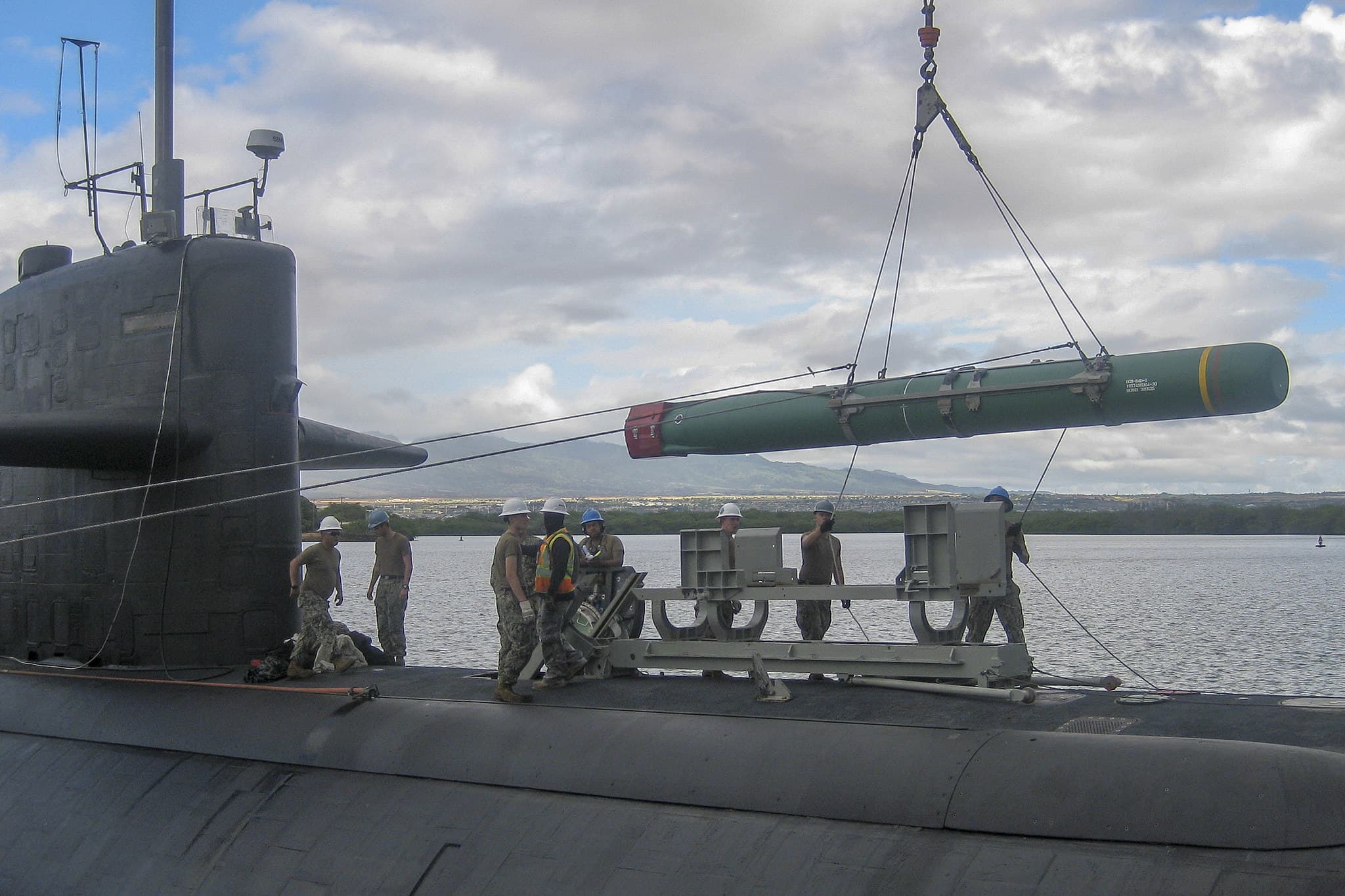
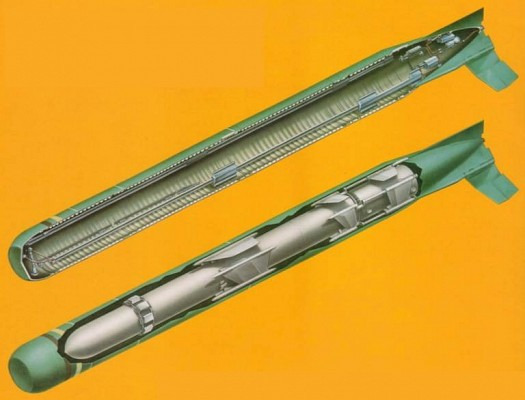
and exocet.
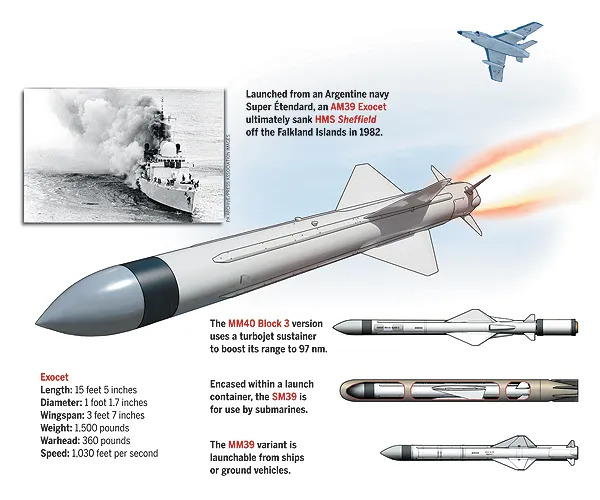
and club.
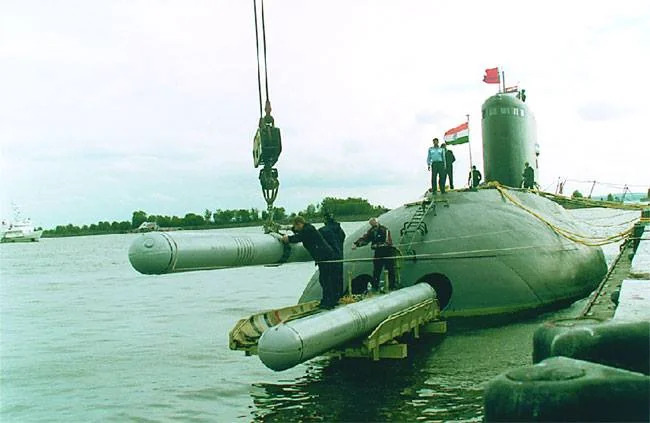
With the widespread adoption of VLS systems, missiles are no longer prone to instability while submerged; consequently, there is a greater tendency to directly seal water-vulnerable areas—such as air intakes and booster bases—using protective covers. These covers typically detach only after the missile has emerged from the water.
P700 might be the first submarine based anti-ship missile dirict launch without a container.It has a cap to cover its inlet and makes it stable in water.