- Yes
- No
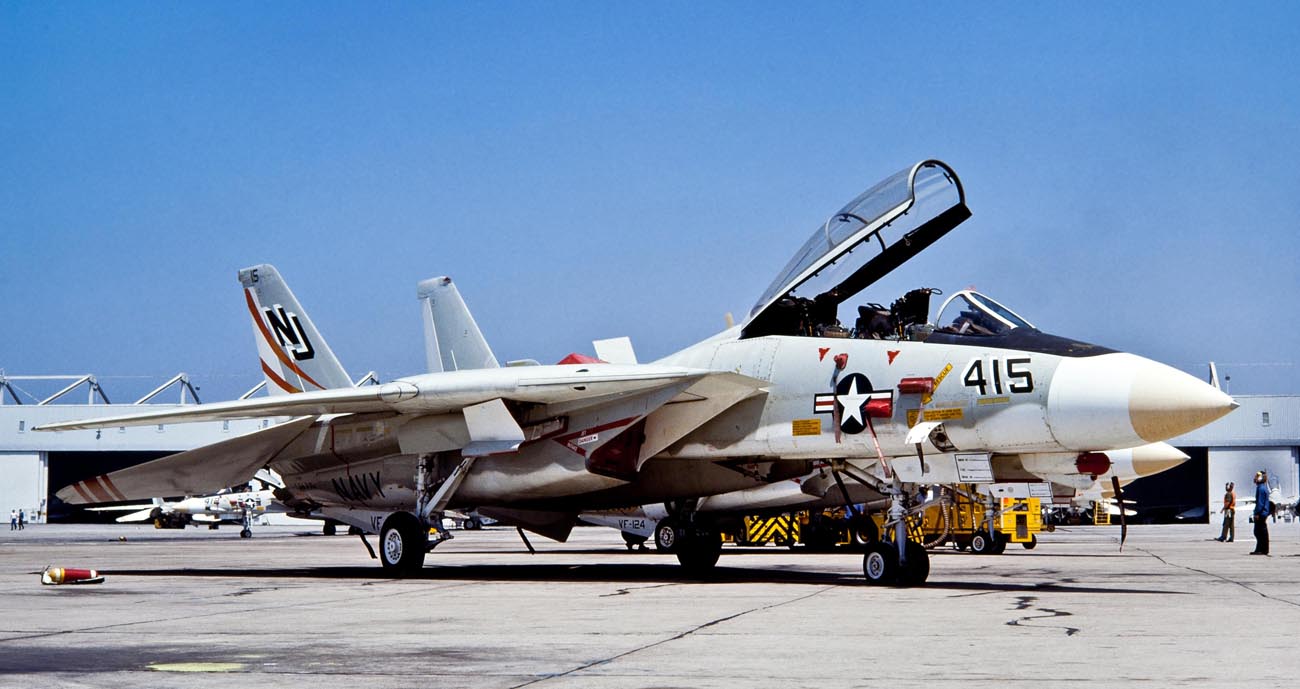
The Grumman F-14A Tomcat entered service with the United States Navy in the early 1970s as a new generation of carrier-based fleet air defense fighters. Its powerful AN/AWG-9 weapon control system, long-range AIM-54A Phoenix missiles, and variable-sweep wings represented a significant advancement in naval aviation.
However, the Tomcat that first entered service was not identical to the aircraft that would serve throughout the following decades. Early-production F-14As featured several distinctive characteristics, including the original infrared search and track (IRST) system, early airframe configurations, and avionics and weapons associated with the aircraft’s initial operational period.
Although War Thunder already features the F-14A Early, the aircraft represented in the game reflects a later configuration rather than the Tomcat’s original early-production standard. Most notably, it lacks the original IRST system and incorporates airframe features, equipment, and armament associated with subsequent developments.
This suggestion proposes an early-production F-14A Tomcat representing its configuration during the initial years of U.S. Navy service, particularly around 1974. The aim is not simply to introduce another variant of an existing aircraft, but to represent the Tomcat as it was originally introduced into operational service, with its distinctive early-production features and weapon control capabilities.
Spoiler
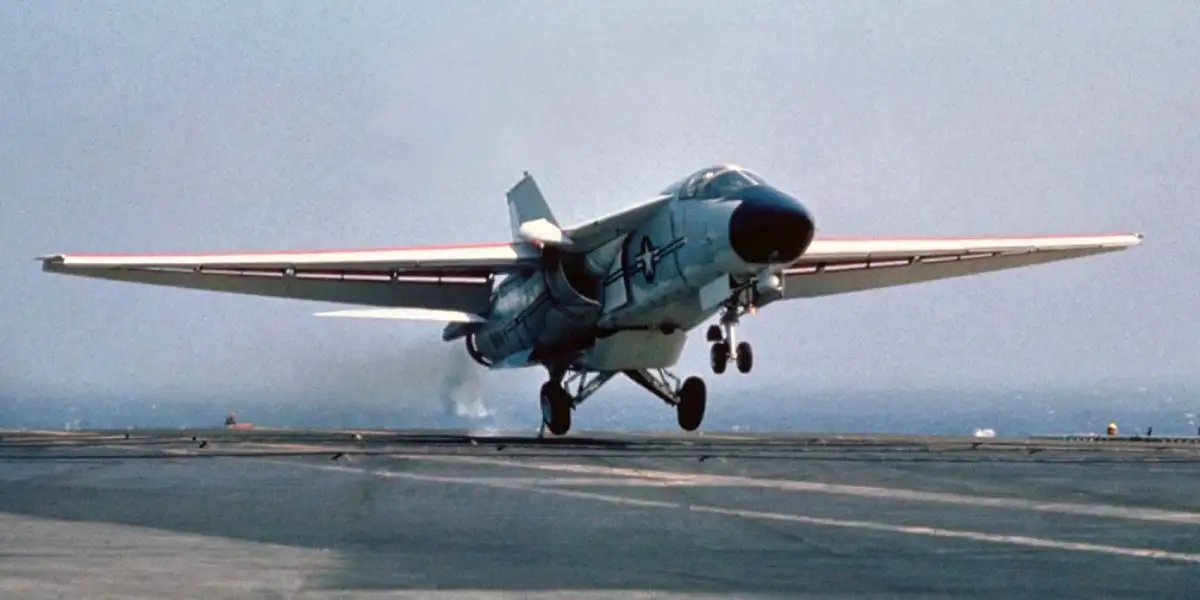
During the 1960s, the United States Navy sought a new carrier-based fighter capable of providing long-range air defense for its carrier battle groups. The General Dynamics–Grumman F-111B was initially intended to fulfill this role, combining the Hughes AN/AWG-9 weapon control system with the AIM-54 Phoenix air-to-air missile.
After the F-111B program was canceled in 1968, the Navy initiated the Naval Fighter Experimental (VFX) program. Grumman proposed its Model 303, a twin-engine, two-seat aircraft with variable-sweep wings, designed to retain the AWG-9/Phoenix weapon system while meeting the requirements of a carrier-based fighter.
On February 3, 1969, the Naval Air Systems Command awarded Grumman a contract for the development of the F-14A and the construction of six experimental aircraft. Development of the aircraft proceeded alongside work on the Phoenix missile and its associated weapon control equipment.
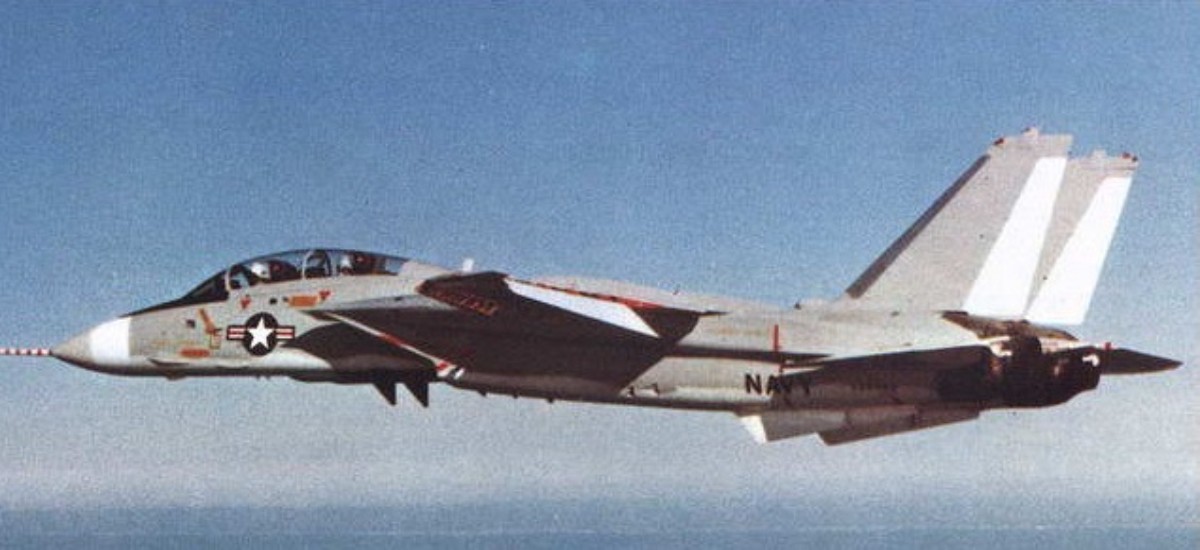
On December 21, 1970, the first F-14 prototype, BuNo 157980, made its maiden flight from Grumman’s Calverton Air Facility on Long Island, New York.
Grumman test pilots Robert K. Smyth and William Miller conducted the approximately ten-minute flight, focusing on basic handling characteristics and essential systems.
The second flight took place on December 30, 1970, with Miller occupying the forward cockpit and Smyth in the rear seat.
After taking off at 10:08 a.m., the aircraft proceeded toward its assigned test area, accompanied by chase aircraft. During the flight, a hydraulic problem developed, forcing the crew to abandon the planned evaluation and return to Calverton.
Hydraulic pressure continued to fall during the approach, eventually leaving the crew unable to maintain control. Both men ejected shortly before the aircraft reached the runway.
Smyth and Miller survived, but the first prototype was destroyed on its second flight. Testing resumed with the remaining aircraft in 1971.
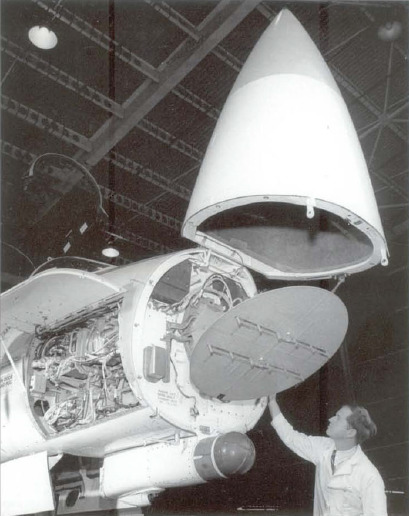
The Hughes AN/AWG-9 weapon control system combined long-range target detection and tracking with multiple-target missile engagement capability. Its radar employed pulse and pulse-Doppler modes, including Track-While-Scan (TWS).
The original weapon control architecture also incorporated an infrared search and track subsystem. Hughes Aircraft Company’s May 1973 technical report described independent infrared surveillance, passive angle tracking, altitude-difference ranging, and coordinated operation between the infrared sensor and radar.
The infrared sensor could search independently of the radar or be directed toward radar-tracked targets. Conversely, the radar could acquire targets first tracked by the infrared subsystem.
Hughes conducted flight tests to evaluate infrared detection performance, sensor coordination, and the discrimination of closely spaced aircraft. These tests demonstrated radar-to-infrared coordination and the acquisition of infrared-tracked targets using radar pulse single-target track.
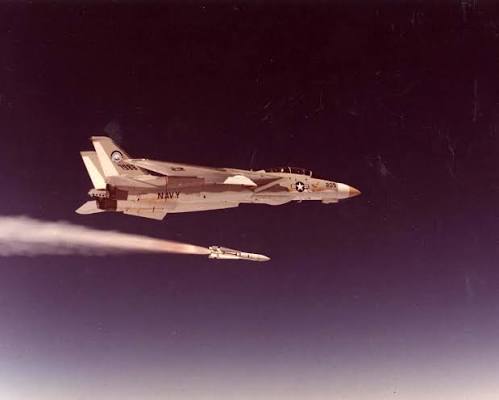
The Phoenix missile had undergone testing with other aircraft before its integration with the F-14.
On April 28, 1972, an F-14 launched its first AIM-54A Phoenix during testing at Point Mugu, California. Further trials evaluated missile guidance and the operation of the AWG-9 weapon control system.
In November 1972, a Navy crew conducted a multiple Phoenix launch from an F-14A during a single flight.
A more demanding test followed on December 20, 1972. Flying at approximately Mach 0.7 and an altitude of 31,500 feet, an F-14 engaged four selected targets from a formation of five unmanned aircraft consisting of three QT-33 aircraft and two BQM-34 drones.
Four Phoenix missiles were launched in rapid succession at ranges of approximately 25–30 miles. One scored a direct hit; the other three were assessed as passing within lethal distance of their intended targets.
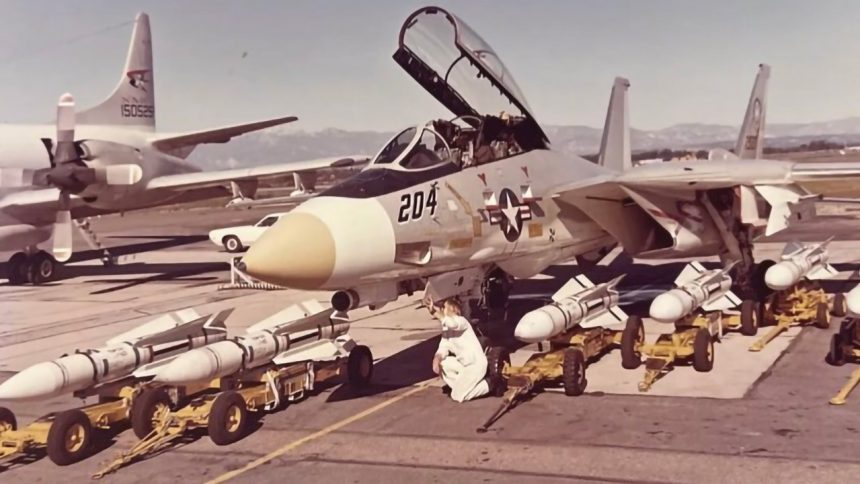
On November 21, 1973, the F-14/AWG-9/Phoenix system underwent a six-target engagement demonstration over the Pacific Missile Test Range.
The aircraft was flown by Commander John R. “Smoke” Wilson and Lieutenant Commander Jack Hauver.
During the test, the Tomcat operated at approximately Mach 0.78 and 24,800 feet, while six unmanned targets flew at speeds ranging from Mach 0.6 to Mach 1.1.
The crew launched six AIM-54 Phoenix missiles within 38 seconds. The AWG-9 supported simultaneous missile guidance against six separate targets at distances of approximately 50 miles.
Four missiles achieved direct hits. The test demonstrated six overlapping engagements, rather than six successful direct hits.
The Navy completed the AIM-54A Technical Evaluation in November 1973.
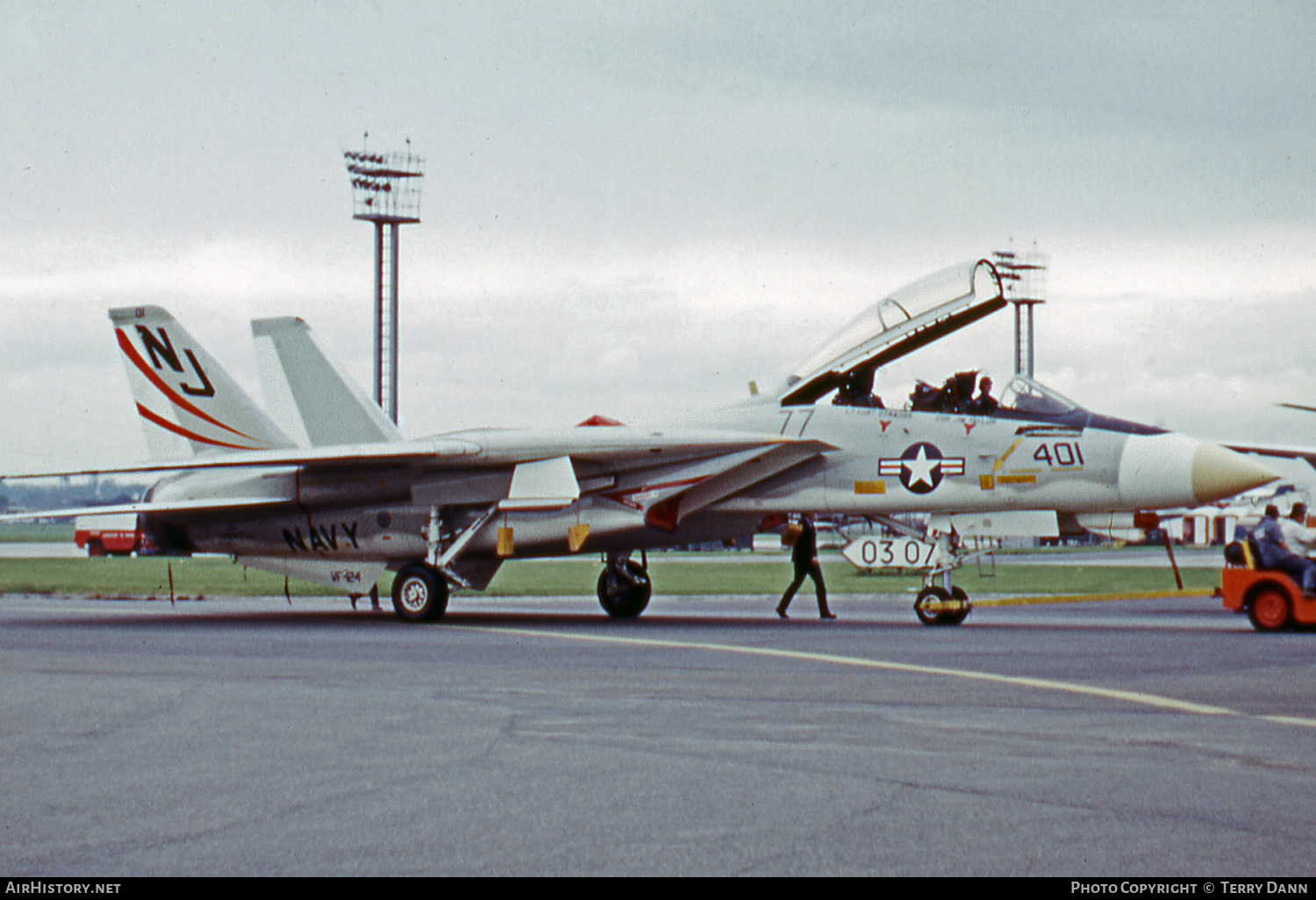
The first production F-14As were delivered to the United States Navy in June 1972.
At Naval Air Station Miramar, VF-124 “Gunfighters” trained pilots and Radar Intercept Officers transitioning to the new fighter.
On October 14, 1972, VF-1 “Wolfpack” and VF-2 “Bounty Hunters” were recommissioned as the first operational F-14 fighter squadrons. The Secretary of the Navy, John Warner, attended the ceremony at Miramar, arriving aboard an F-14. VF-2 initially operated in conjunction with VF-124 before joining Carrier Air Wing Fourteen (CVW-14) on July 1, 1973.
The Tomcat was subsequently introduced to the Atlantic Fleet, where VF-14 “Tophatters” and VF-32 “Swordsmen” became early F-14 operators.
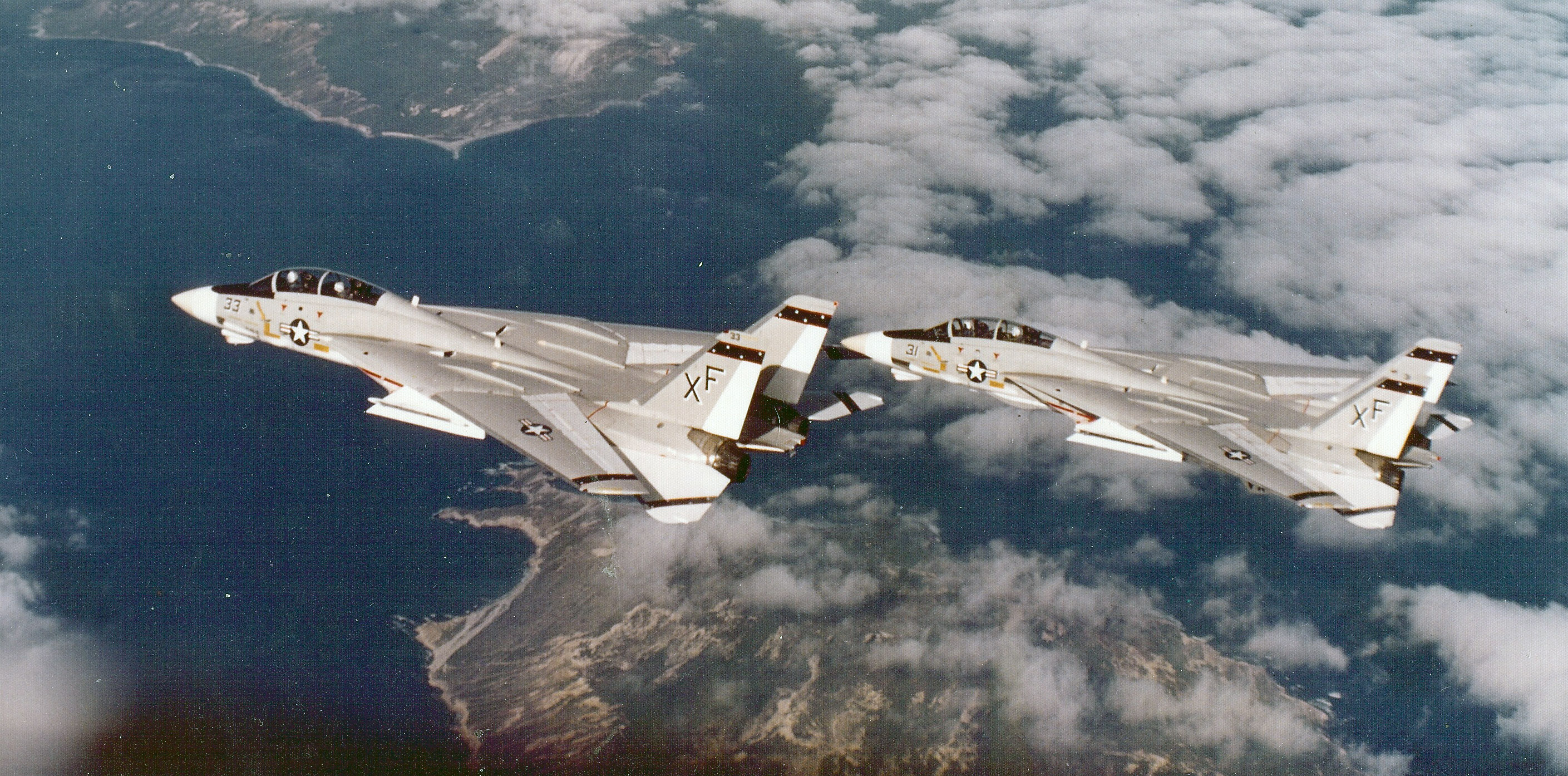
Navy testing continued as the first squadrons prepared for operational service.
The Naval Air Test Center (NATC) at NAS Patuxent River participated in aircraft evaluation and carrier-related testing. Its aircraft also took part in the initial F-14 operations aboard USS Enterprise.
The Pacific Missile Test Range near Point Mugu provided facilities for Phoenix missile trials, including the multiple-target engagements conducted during 1972 and 1973.
VX-4 “Evaluators,” based at NAS Point Mugu, operated F-14 aircraft during the type’s early service period as part of the Navy’s operational test and evaluation activities.
Meanwhile, Grumman addressed airframe and systems engineering, and Hughes continued AWG-9 and Phoenix integration work.
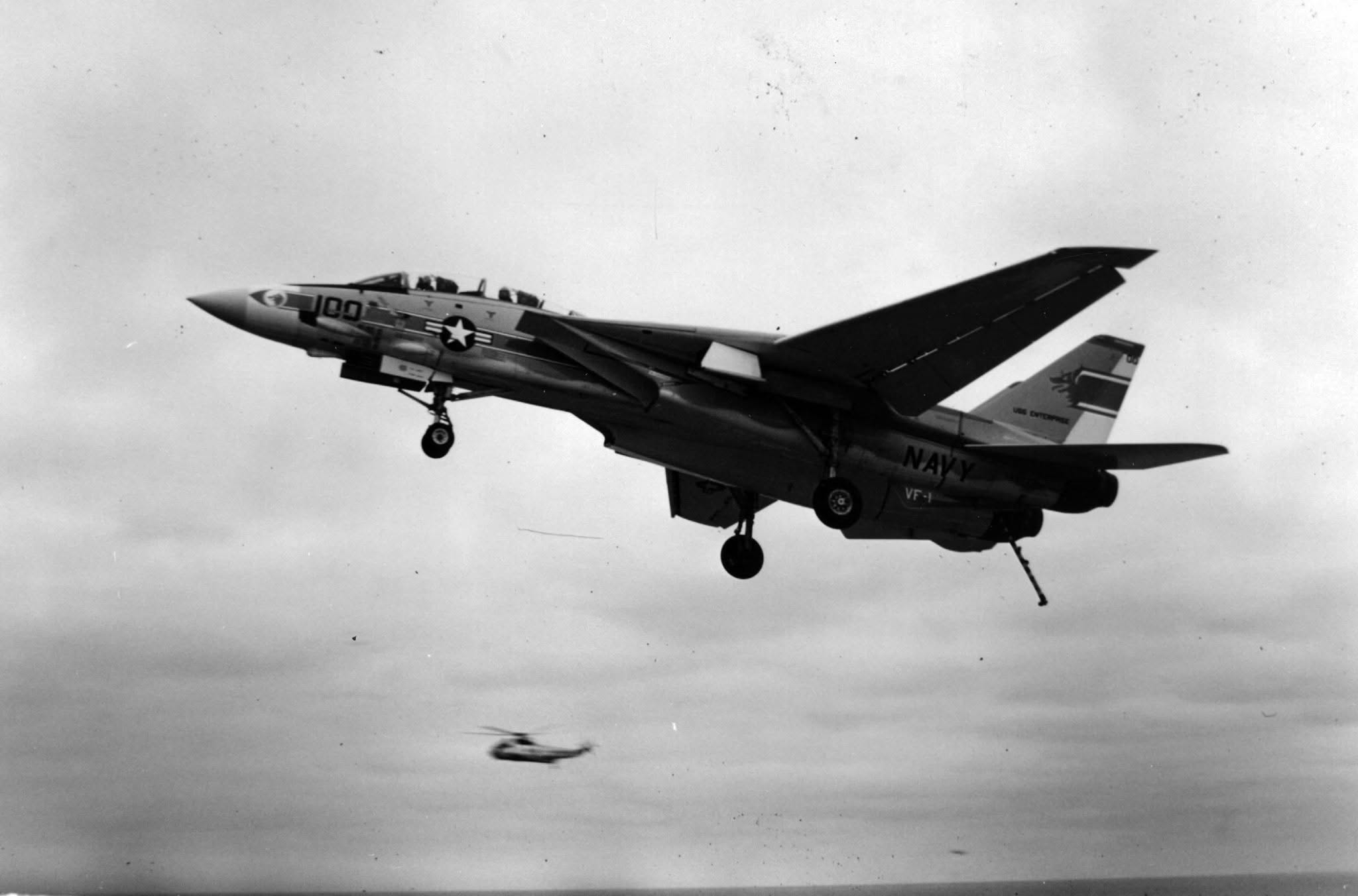
On March 14, 1974, the F-14A reached an important milestone when Lieutenant Commander Grover Giles and Radar Intercept Officer Lieutenant Commander Roger McFillen of VF-1 “Wolfpack” completed the Tomcat’s first landing aboard USS Enterprise (CVAN-65). Two aircraft from the Naval Air Test Center at NAS Patuxent River also participated in flight operations later that day.
Throughout the spring of 1974, Enterprise conducted a series of training periods and carrier qualifications off the coast of Southern California. During May and June, VF-2 “Bounty Hunters” recorded 185 daytime and 88 nighttime arrested landings, qualifying its aircrews for carrier operations.
Carrier Air Wing Fourteen (CVW-14), including VF-1 and VF-2, embarked aboard Enterprise during July. Between July 16 and 25, the carrier conducted increasingly complex exercises, including KomarEx, which simulated attacks by Soviet missile boats, and Readiness Exercises (ReadiEx) designed to evaluate various aspects of the ship’s operational readiness.
VF-2 spent 28 days at sea during July and August, conducting cyclic flight operations and further training. On July 23, the squadron carried out the first carrier-supported AIM-54 Phoenix firing. It also participated in the Tomcat’s first carrier-based air-to-air gunnery exercises.
The squadron practiced simulated AIM-7 Sparrow and AIM-9 Sidewinder engagements, air combat maneuvering (ACM), and combat air patrol (CAP) procedures.
In August, Enterprise participated in additional weapons training and an Operational Readiness Inspection. The inspection included BellCam, during which simulated enemy surface forces, including the experimental hydrofoils USS Flagstaff and USS High Point, opposed the carrier group. CVW-14 aircraft and Marine Corps AV-8A Harriers also participated.
By the end of August, VF-2 reported that its preparations for deployment were complete.
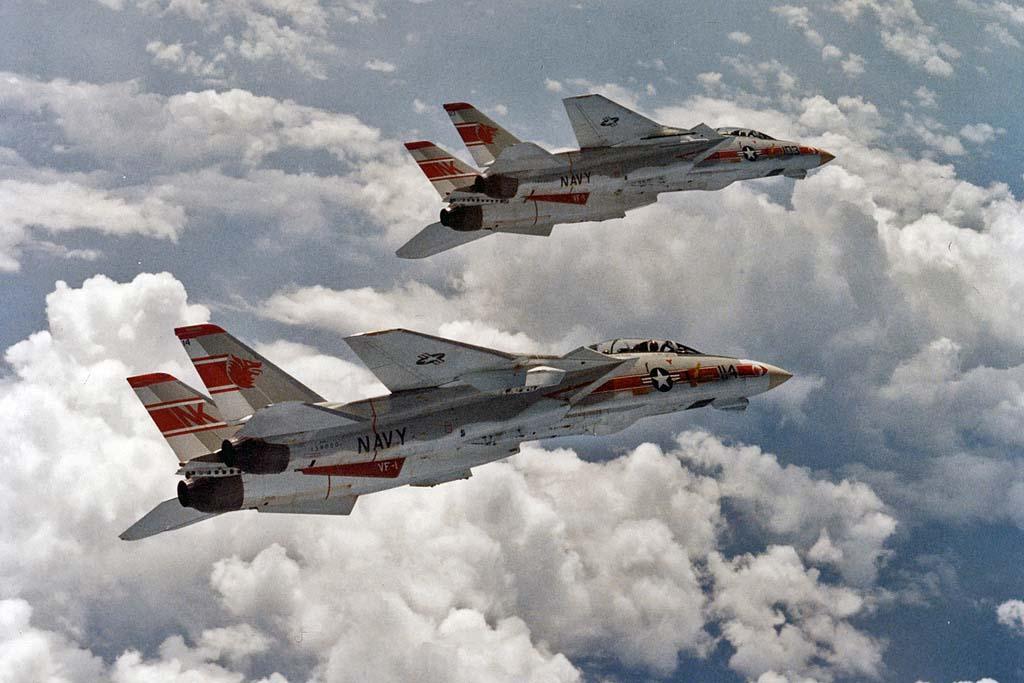
On September 17, 1974, USS Enterprise departed Alameda, California, for the Western Pacific with Carrier Air Wing Fourteen embarked. The deployment marked the first operational cruise of the F-14 Tomcat, with VF-1 “Wolfpack” and VF-2 “Bounty Hunters” serving as the carrier’s fighter squadrons.
Much of the transit was conducted under emissions control (EMCON) to reduce the carrier group’s electronic signature. Training continued during the voyage, including a BearEx exercise on September 22 in which a P-3B Orion simulated an approaching Soviet bomber.
Enterprise arrived at Pearl Harbor on September 23 before returning to sea the following day for Composite Training Exercise 8-74 (ComTuEx 8-74). From September 24 to 29, the carrier conducted flight operations and training around the Hawaiian Islands.
On September 27, Lieutenant John O. Creighton of VF-2 conducted a 45-minute demonstration flight in an F-14 with Admiral Maurice F. Weisner, Commander in Chief, Pacific, aboard. The flight concluded with Enterprise’s 147,000th arrested landing.
After returning briefly to Pearl Harbor, Enterprise resumed its westward transit on October 2. The carrier encountered rough seas associated with Typhoon Carmen while approaching the Philippines and arrived at Cubi Point on October 17.
Flight operations continued from shore facilities during the port visit. On October 21, Enterprise returned to sea to provide additional carrier-based training, compensating for the limited flying opportunities during the preceding transit.
Enterprise conducted operations in the South China Sea during late October and November, including MultiPlex 2-75, an exercise examining responses to different levels of conflict.
Following a visit to Hong Kong from November 18 to 24, the carrier resumed operations in Philippine waters. In early December, Enterprise participated in the joint American-Filipino amphibious exercise MablEx/Bayanihan, during which its air wing provided aerial cover for the landing force.
On December 9–10, Enterprise was directed toward the Gulf of Tonkin, where flight operations were conducted off the coast of South Vietnam. Poor weather frequently affected these activities.
VF-2 also refined data-link procedures in cooperation with the ship and air wing, allowing tactical control without voice communications during certain operations.
Missile exercises, air-to-air gunnery, and ACM remained central to training at sea. Maintenance personnel simultaneously supported inspections and modifications arising from fleet operations.
Enterprise returned to Cubi Point on December 24, ending its final underway period of 1974. The deployment continued into 1975, including subsequent operations in the Indian Ocean.
Spoiler
- Manufacturer: Grumman Aerospace Corporation
- Designation: F-14A Tomcat
- Role: Carrier-based air superiority and fleet air defense fighter
- Crew: 2 (Pilot and Radar Intercept Officer)
- Configuration: Twin-engine, variable-sweep-wing aircraft
- Length: 61 ft 11.9 in (18.90 m)
- Height: Approximately 16 ft (4.88 m)
- Wingspan (extended): 64 ft 1.5 in (19.55 m)
- Wingspan (oversweep): 33 ft 3 in (10.13 m)
- Wing area: Approximately 565 sq ft (52.5 m²)
- Wing sweep: 20°–68° during normal operation, with 75° oversweep for carrier stowage
- Engines: 2 × Pratt & Whitney TF30-P-412A
- Type: Axial-flow, afterburning turbofan
- Maximum afterburning thrust: Approximately 20,900 lbf per engine
- Air intake: Automatically controlled variable-geometry inlet system
- Exhaust nozzle: Variable-area convergent-divergent nozzle
- Engine control: Mechanical and hydromechanical control systems
Wing and Flight Control Systems
- Variable-sweep wings with automatic and manual sweep control
- Differential all-moving horizontal stabilizers
- Spoiler-assisted lateral control
- Twin vertical stabilizers and rudders
- Leading-edge slats
- Trailing-edge flaps
- Maneuvering flaps and slats
- Speed brakes
Early-Production Airframe Features
- Original extended beavertail configuration
- Early gun gas vent arrangement
- Original chin-mounted infrared sensor installation
- Early-production external antenna and equipment configuration
Radar
- Designation: AN/AWG-9
- Manufacturer: Hughes Aircraft Company
- Type: Pulse and pulse-Doppler fire-control radar
- Antenna: 36-inch planar array
- Radar operating frequency: 9.0–9.8 GHz
- Continuous-wave illuminator frequency: 10.05–10.20 GHz
- Peak radar transmitter power: 10 kW
- Continuous-wave illuminator power: 500 W
Radar Operating Modes
- Pulse Search (PS)
- Pulse-Doppler Search (PDS)
- Range-While-Search (RWS)
- Track-While-Scan (TWS)
- Pulse Single-Target Track (P-STT)
- Pulse-Doppler Single-Target Track (PD-STT)
Air Combat Maneuver (ACM) Acquisition Modes
- Pilot Lock-on Mode (PLM)
- Vertical Scan Lock-on (VSL-LO/HI)
- Manual Rapid Lock-on (MRL)
Additional Radar Functions
- Air-to-ground mapping and ranging
- Optical Track (Gun Mode)
Target Tracking and Engagement
- Computer-maintained tracks for up to 24 radar targets
- Simultaneous engagement of up to six separate targets with AIM-54A Phoenix missiles
- AIM-7 Sparrow guidance support through continuous-wave illumination
- Missile launch-zone calculations
- Automatic threat evaluation and missile assignment
- Electronic counter-countermeasures (ECCM)
Technical Characteristics
- Designation: AN/ALR-23
- Type: Cryogenically cooled infrared search and track subsystem
- Detector: Eight-element indium antimonide (InSb) array
- Spectral response: 3.5–4.8 µm
- Azimuth scan patterns: ±65°, ±40°, ±20°, ±6°
- Elevation scan patterns: 1, 2, 4, or 8 bars
- Scanning speed: 80°/s
- Cooldown time: Less than 5 minutes
Operating Modes
- IR SEARCH: Independent infrared surveillance, capable of operating simultaneously with radar search or tracking modes.
- IR TRACK: Infrared angle tracking and altitude-difference ranging, with target information presented on the RIO’s displays.
Target Detection and Tracking
- Passive infrared target detection
- Independent surveillance outside the radar scan volume
- Infrared angle tracking
- Altitude-difference ranging
- Detection and discrimination of closely spaced aircraft
- Raid-size estimation
- Infrared detection of airborne threats under electronic countermeasures
- Passive target tracking during radar silence
- Detection of infrared emissions associated with airborne targets and missile threats
Sensor Coordination
- Infrared sensor slaved to radar search or tracking
- Radar acquisition of infrared-tracked targets
- Radar pulse single-target-track acquisition from infrared tracking
- Correlation of radar and infrared observations
- Integration of infrared target data into the AWG-9 weapon control system
Cockpit Indications
- Infrared target information displayed on the Detail Data Display (DDD)
- Elevation-versus-azimuth infrared presentation
- Expanded-azimuth infrared presentation
- Infrared-related target information processed for the Tactical Information Display (TID)
- Aural indication associated with infrared tracking
Weapon Employment
- AIM-9G Sidewinder employment
- AIM-54A Phoenix employment in active mode
- AIM-7E/7F Sparrow employment with radar continuous-wave illumination and radar tracking coordinated with the infrared subsystem
Pilot Cockpit
- Head-Up Display (HUD)
- Vertical Display Indicator (VDI)
- Horizontal Situation Display (HSD)
- Air combat maneuvering controls
- Flight and engine instruments
- Weapon selection and release controls
Radar Intercept Officer Cockpit
- Detail Data Display (DDD)
- Tactical Information Display (TID)
- Hand Control Unit (HCU)
- Radar IR/TV Control Panel
- Radar and weapon control panels
- Tactical data-link controls
- Electronic countermeasures controls and displays
- Navigation and communication equipment
Electronic Warfare
- AN/ALR-45/50 radar warning equipment
- AN/ALQ-100 electronic countermeasures equipment
- Early-production chaff and flare dispensing equipment
Communications and Identification
- UHF radio communication systems
- Identification Friend or Foe (IFF)
- Tactical aircraft-to-ship data link
- Communication and navigation equipment appropriate to the early-production F-14A
Internal Cannon
- 1 × 20 mm M61A1 Vulcan
- Ammunition capacity: 676 rounds
Air-to-Air Missiles
- AIM-9G Sidewinder
- AIM-9H Sidewinder
- AIM-7E Sparrow family
- AIM-7F Sparrow
- AIM-54A Phoenix
Conventional Air-to-Ground Stores
- General-purpose bombs
- Cluster-type munitions
- Practice bombs
- Rocket packages
External Fuel Tanks
- 2 × 267 US gallon external fuel tanks
Spoiler
The early-production F-14A Tomcat represents a distinct stage in the aircraft’s development and operational history, featuring the original airframe configuration, avionics, and weapon systems associated with its introduction into U.S. Navy service.
Although War Thunder already features the F-14A Early, the proposed aircraft would offer a different experience through its original AN/ALR-23 infrared search and track system. Its integration with the AN/AWG-9 weapon control system would introduce additional possibilities for passive target detection and tracking, sensor coordination, and missile employment.
The differences would not be limited to the infrared subsystem. The original extended beavertail, early gun gas vents, chin-mounted sensor installation, and period-appropriate equipment and armament would distinguish this version both visually and operationally from the existing F-14A Early.
The addition of this aircraft would also provide an opportunity to represent the Tomcat as it appeared during its earliest years of fleet service, including the aircraft operated by VF-1, VF-2, VF-124, and the Navy’s test and evaluation organizations.
For these reasons, I believe the early-production F-14A would be a worthwhile addition to War Thunder, offering a historically distinct configuration of the Tomcat with its own equipment, capabilities, and limitations.
Spoiler
VF-1 “Wolfpack” - BuNo 158979, NK-100 (1974)
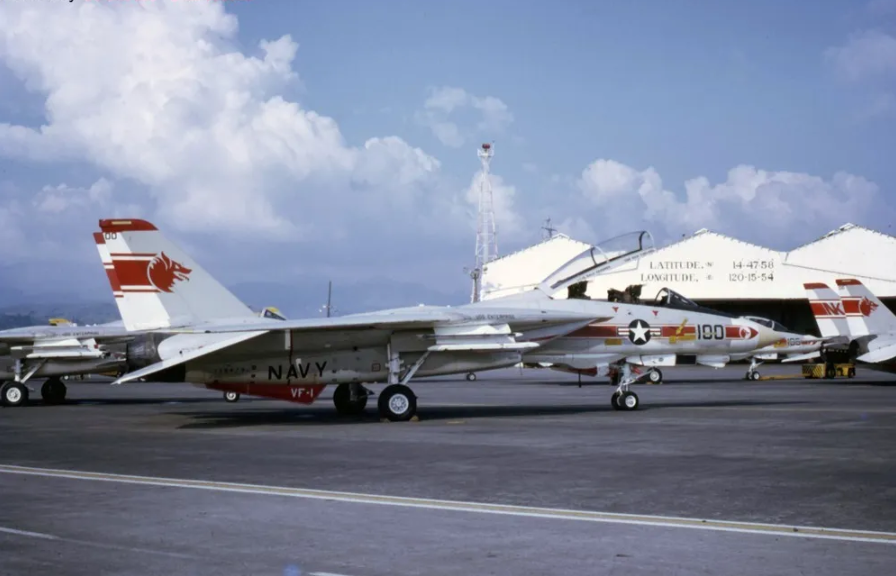
VF-2 “Bounty Hunters” - BuNo 158985, NK-200 (1974)
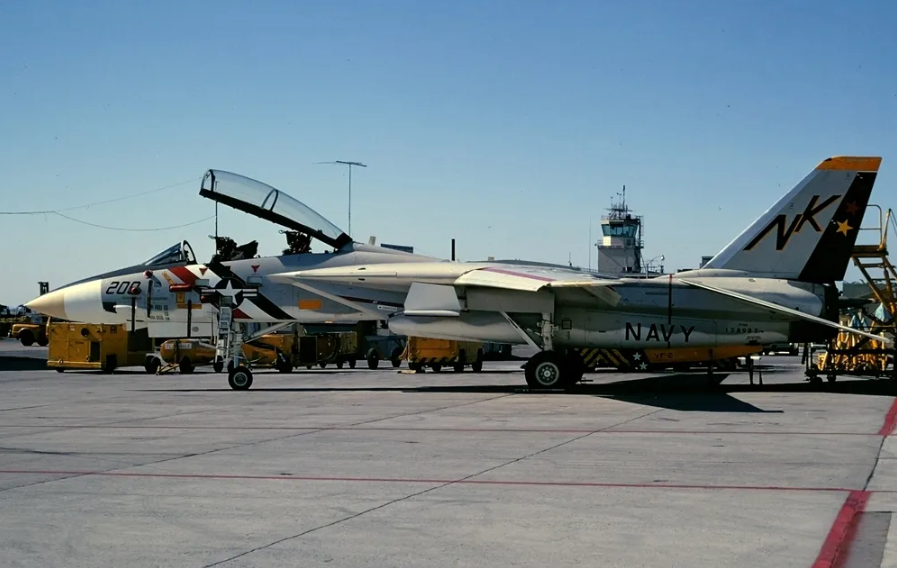
VF-2 “Bounty Hunters” - BuNo 158999, NK-213 (1974)
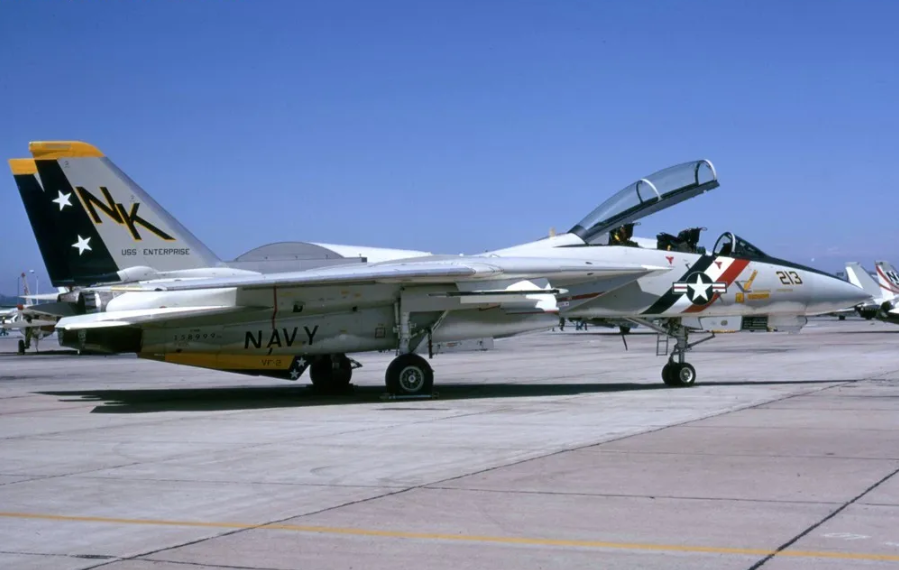
VF-124 “Gunfighters” - BuNo 158621, NJ-401 (1973) : Paris Air Show 1973
VF-124 “Gunfighters” - BuNo 158621, NJ-400 (1974)

VX-4 “Evaluators” - BuNo 158978, XF-33 (1974)
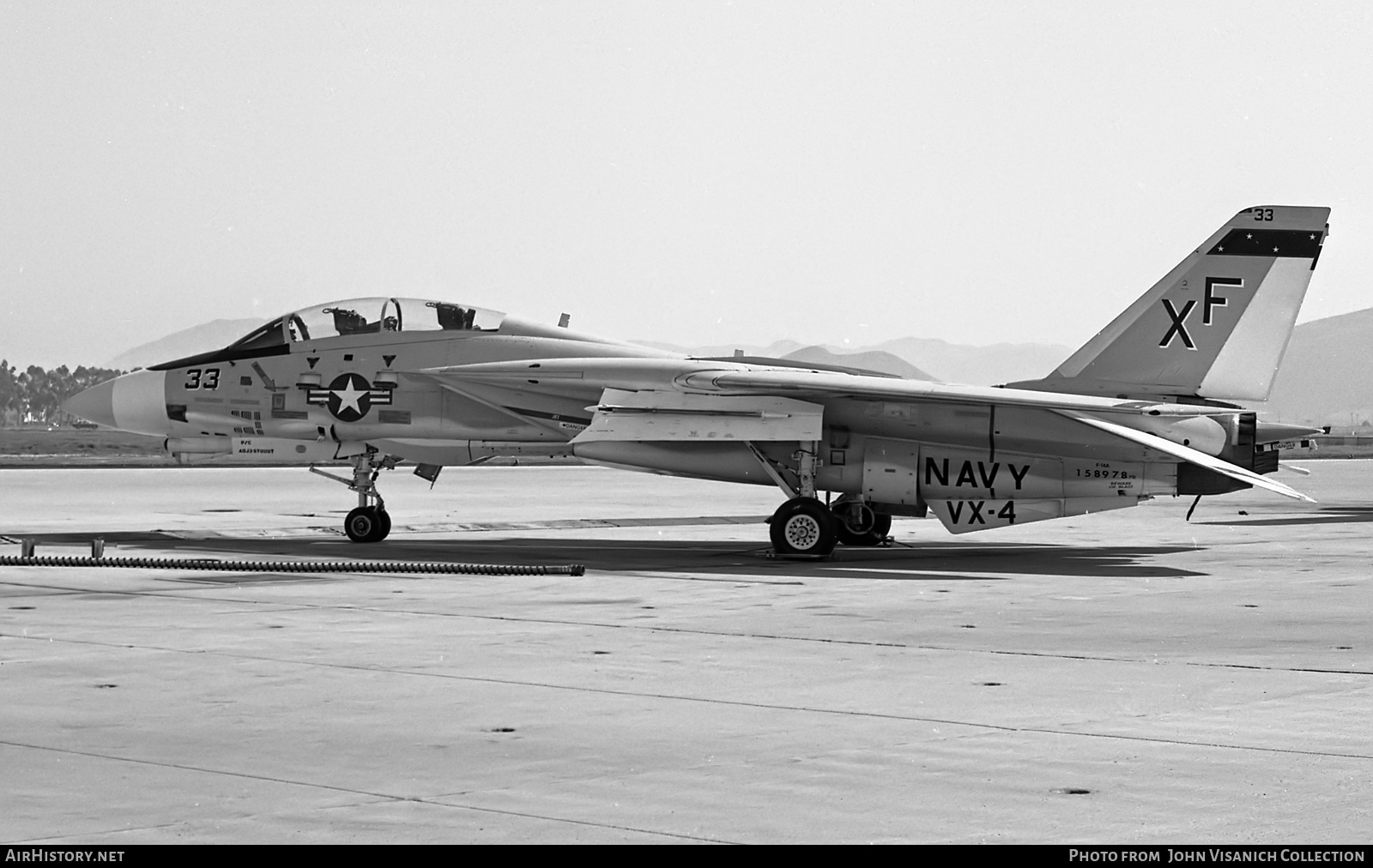
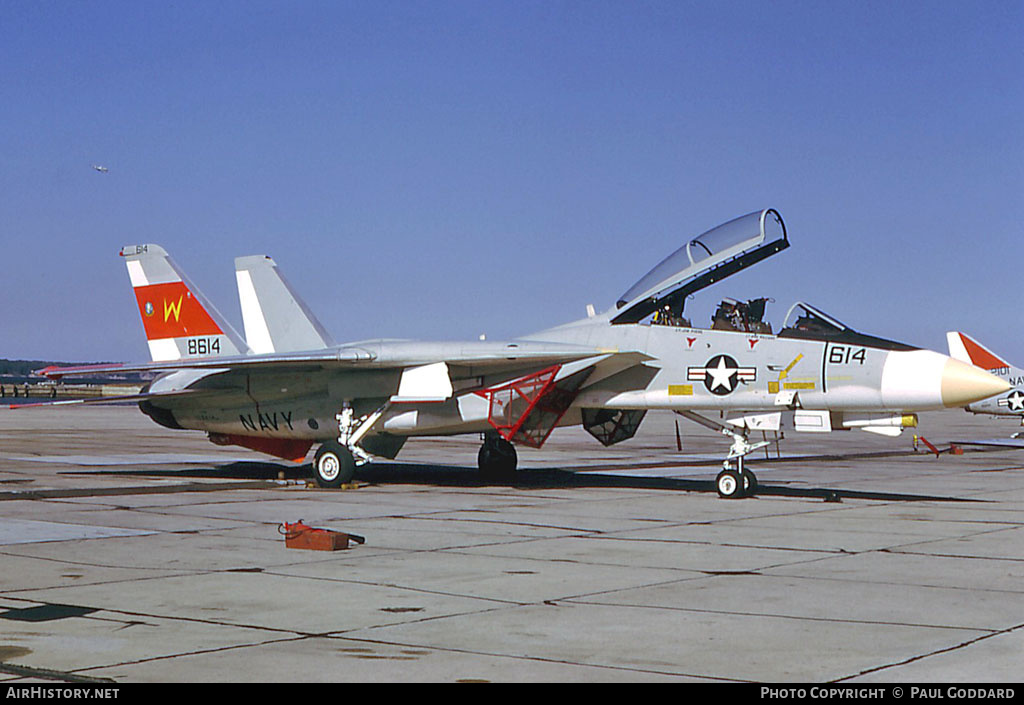
Naval Air Test Center (NATC) - BuNo 158614, NATC-614 (1974)
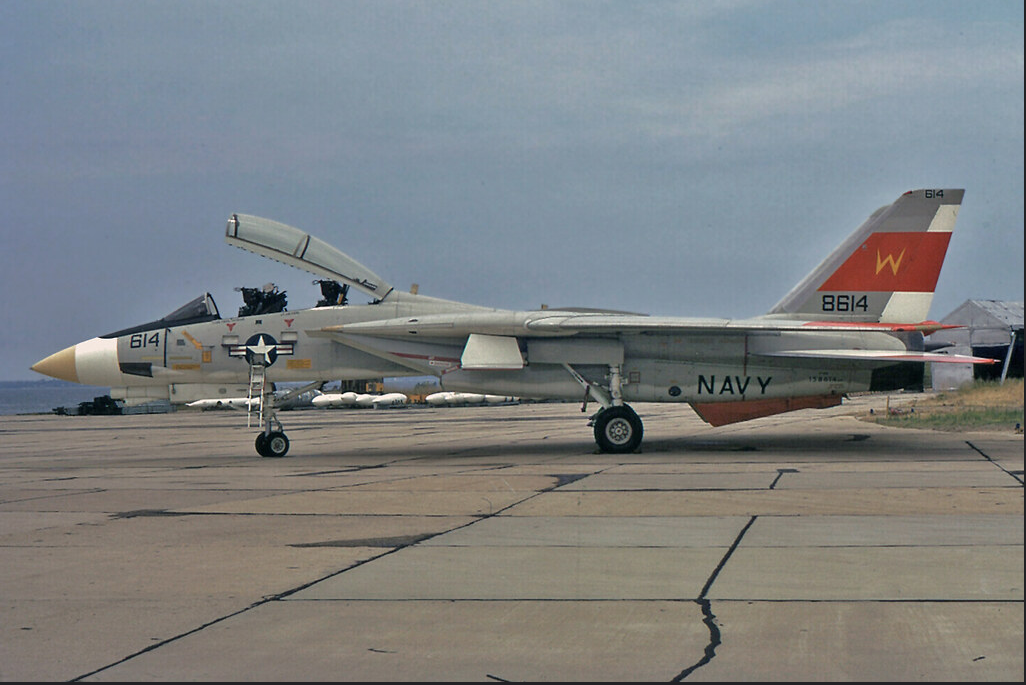
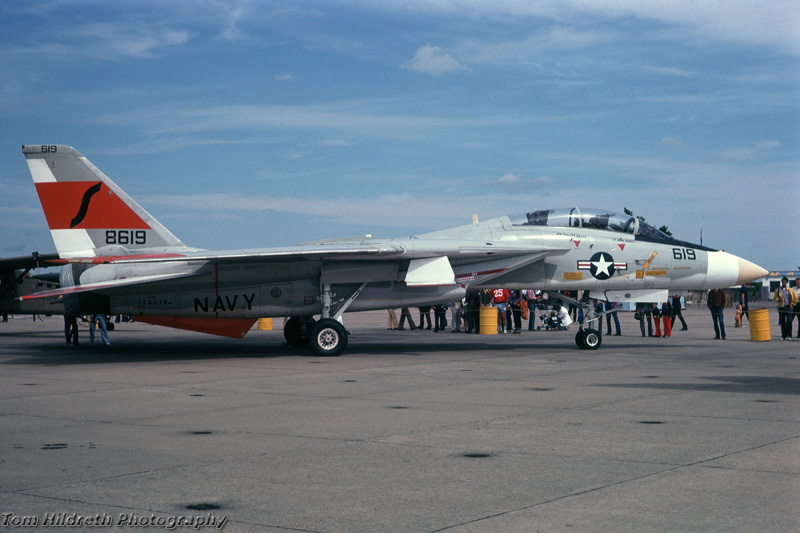
Naval Air Test Center (NATC) - BuNo 158619 (1974)
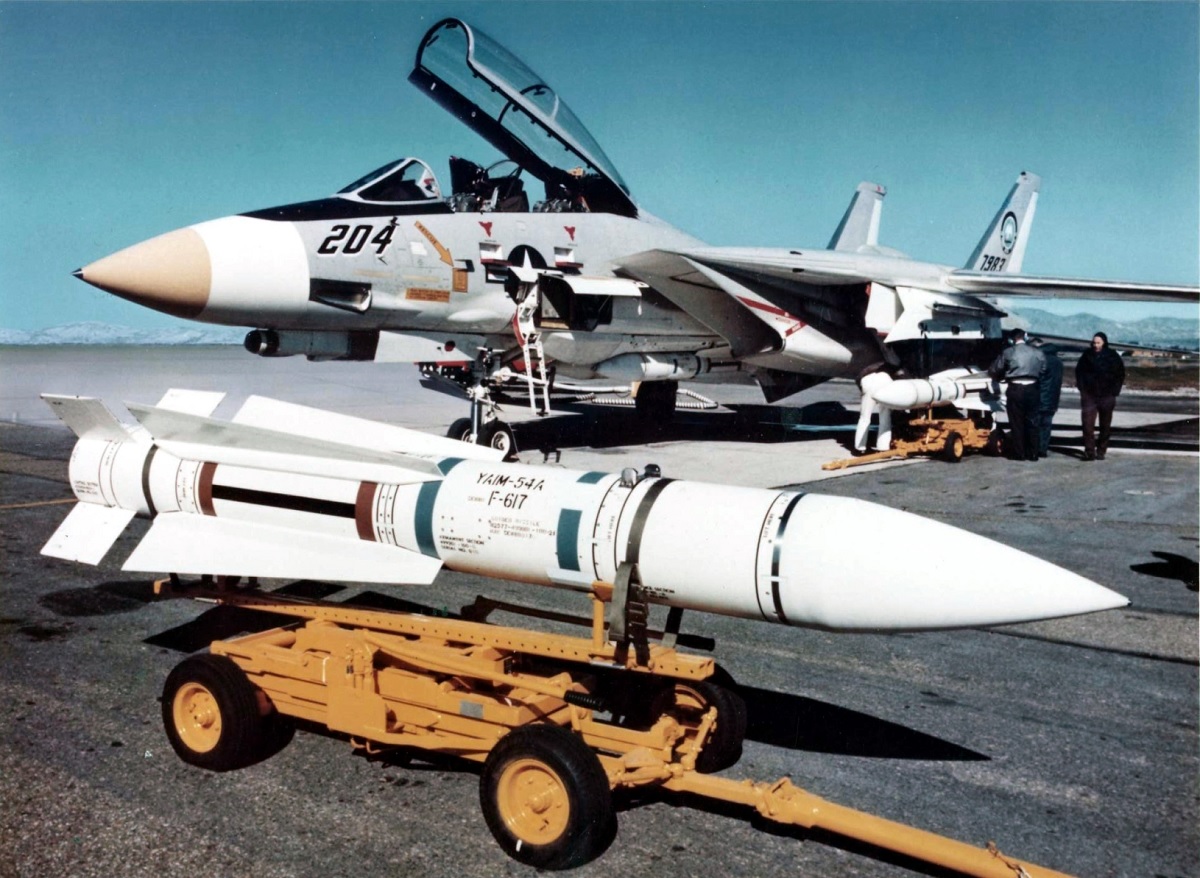
Naval Missile Center - BuNo 157983, No. 204 (1972)
Spoiler
Technical Manuals and Specifications
- U.S. Navy, NATOPS Flight Manual, Navy Model F-14A Aircraft , NAVAIR 01-F14AAA-1, 1 November 1975.
- U.S. Navy, Standard Aircraft Characteristics - F-14A Tomcat , NAVAIR 00-110AF14-1, July 1974.
- Grumman Aerospace Corporation, Preliminary Flight Manual - F-14 , NAVAIR 01-F14A-1, 1 June 1972.
Weapon Systems and Development
- Hughes Aircraft Company, The AWG-9 Air Superiority Weapon Control System , Report No. PMS 613-2/2174, May 1973.
- Hughes Aircraft Company, AWG-9/Phoenix Air Superiority Weapon System , 6 August 1973.
- U.S. General Accounting Office, The F-14/PHOENIX Aircraft Program , April 1973.
- U.S. General Accounting Office, F-14/Phoenix Weapon System , March 1974.
- Naval Air Systems Command, Backgrounder - AIM-54 Phoenix Missile .
- Naval Air Systems Command, Navy Retires AIM-54 Phoenix Missile , 2004.
Squadron and Operational Histories
- Fighter Squadron TWO (VF-2), U.S. Navy, Annual History of Fighter Squadron TWO for 1973 , 14 October 1972 - 1 January 1974, submitted 15 February 1974.
- Fighter Squadron TWO (VF-2), U.S. Navy, Fighter Squadron TWO Command History , 2 January 1974 - 28 February 1975, submitted March 1975.
- Naval History and Heritage Command, Enterprise VIII (CVAN-65), 1971–1975 , Dictionary of American Naval Fighting Ships.
- U.S. Navy, Naval Aeronautical Organization, January 1974 .
- U.S. Navy, Naval Aeronautical Organization, January 1975 .
Contemporary Publications and Firsthand Accounts
- James Perry Stevenson, Grumman F-14 “Tomcat” , Aero Series, Volume 25, Aero Publishers, 1975.
- Pete Purvis, The Day I Shot Myself Down , Flight Journal, April 2001.
Photographic References
- U.S. Navy / Naval History and Heritage Command - F-14A flight testing, early carrier operations, and squadron photographs, 1970–1974.
- AirHistory.net - Contemporary photographs of VF-1, VF-2, VF-124, VX-4, and NATC F-14A aircraft.
- AerialVisuals.ca - F-14A individual aircraft photographic records and BuNo histories.