- Yes
- No
History
The A27L Centaur came about because Leyland Motors, having encouraged the development of what would become the Rolls-Royce Meteor, were now having worries about being able to provide adequate cooling for it as a tank powerplant which lead to them pulling out of the project in July of 1941 and handing it over to English-Electric. However, as Leylands had valuable prior experience with armoured vehicles and sub-contracting, a compromise was reached with the General Staff in which they would produce what was effectively a Cromwell but would be powered by the older Nuffield Liberty V12 with the caveat that it should be capable of also accepting the Meteor if the cooling and engine supply issues (the RAF firmly took priority for RR’s production output) were overcome.
Originally known as the A27L Cromwell II, it was renamed to A27L Centaur with the Cromwell I becoming A24 Cavalier and the A27M Cromwell III becoming A27M Cromwell. The L and M suffixes stood for ‘Liberty’ and ‘Meteor’ respectively.
Aside from the engines themselves, other differences included the fans, radiator, clutch and other engine bay details. Also, because the rear was lighter, it didn’t have the extra springs on the last two suspension units and had three shock absorbers per side compared to the four of the Cromwell.
Another commonly noted difference is the track tensioning systems as the Centaur had an internal worm-drive while the Cromwell settled on an external ratchet system but this isn’t actually a valid method of differentiating them as some firms such as English-Electric continued using Centaur hulls and components but completed the tanks as Cromwells, similarly Centaurs which were converted into Dozers were also modified to have the external ratchet mechanism.
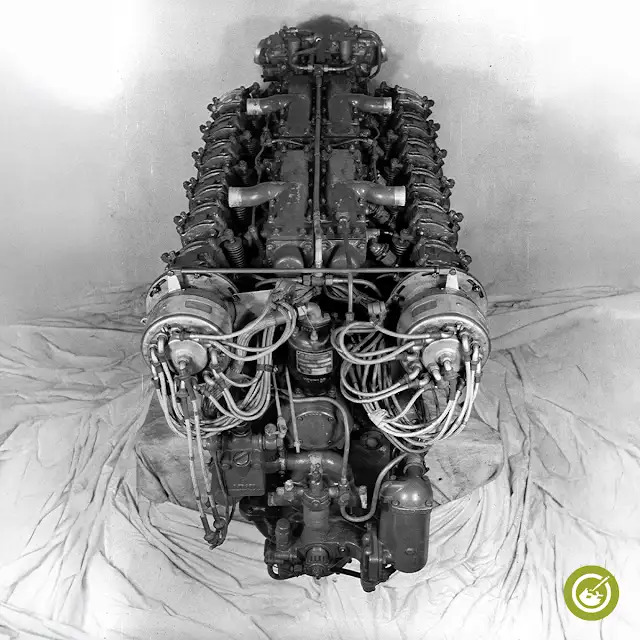
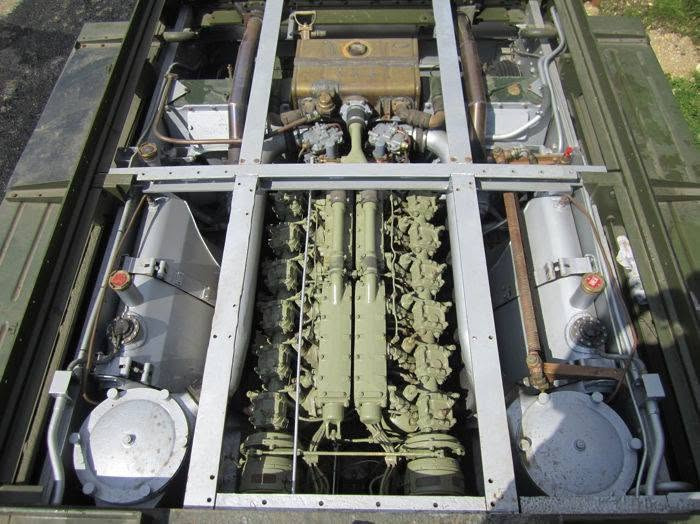
Nuffield Liberty V12
Following Vickers-Armstrong’s creation of the OQF 75mm Mk. V, priorities were established in 1943 for which vehicles would be the first to receive it. Churchills were given precedence, followed by the Cromwell, Centaur, Valentine, and then armoured cars and other vehicles.
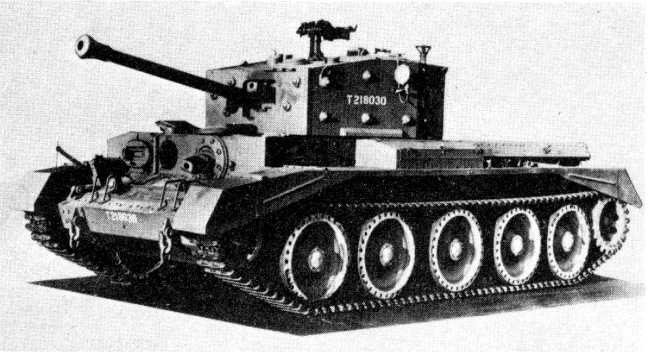
It was the fitting of the 75mm into the Centaur which created the Mk. III and, though sources vary a bit, it would seem that somewhere between 200-250 Mk. IIIs were built as such while a number were also created through conversions of Mk. Is by swapping their 6pdrs out for the 75mm and modifying their internal stowage. The Mk. III was built using Type C and D hulls and they fell within the War Department number ranges of T183800-186510, T217801-880, and T218001-562.
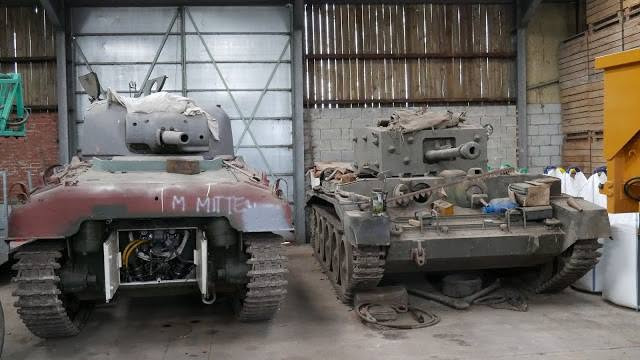
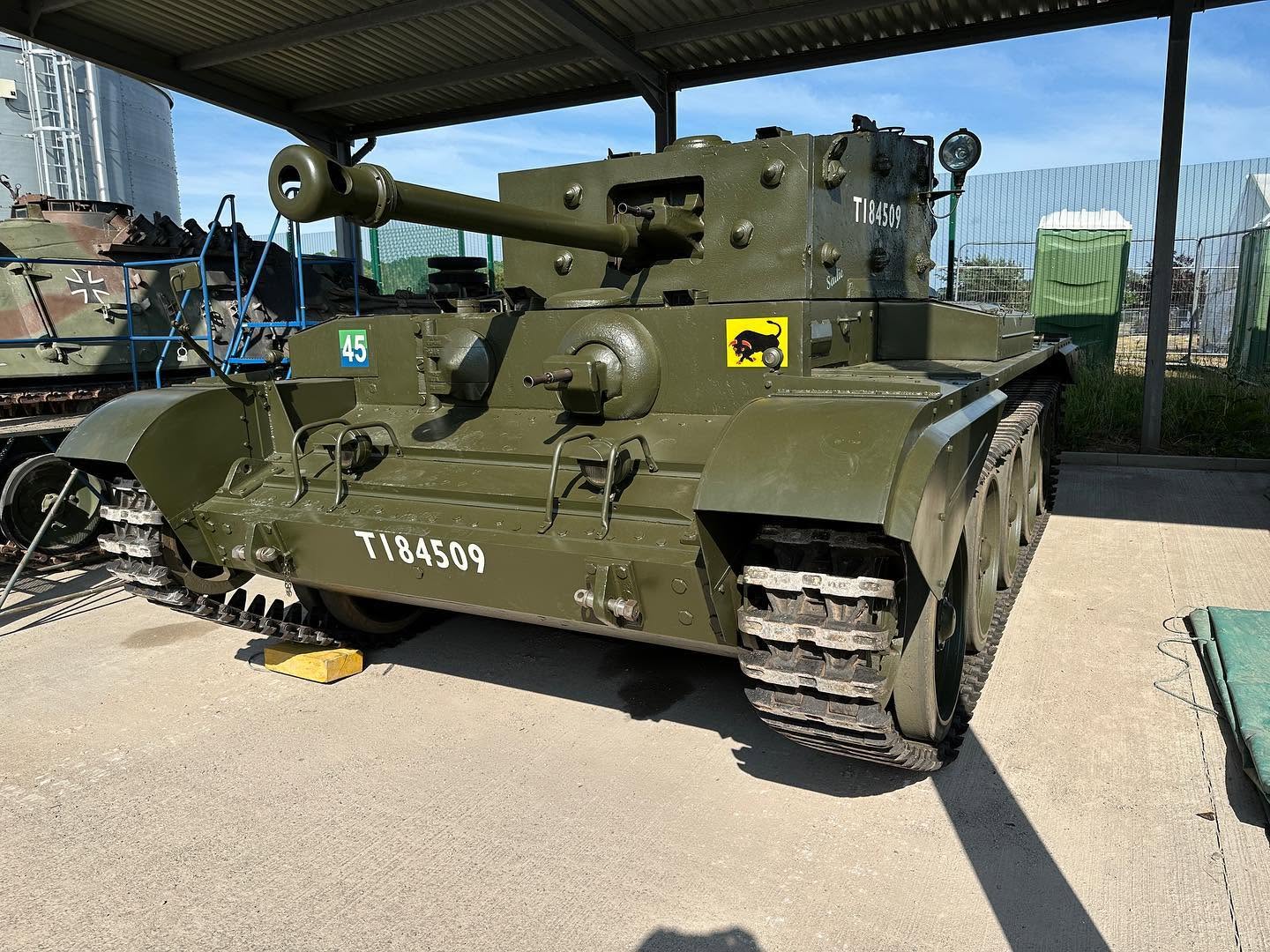
As so many firms (e.g. Leyland Motors, English-Electric, Fowler, Harland & Wolff) were involved one way or another in the production of Centaurs it’s difficult to tell exactly which were directly involved in building (or converting) Mk. IIIs and it’s made trickier by some of the firms having been contracted to build Centaurs but finishing them as (or just outright building) Cromwells. Leyland was definitely one of them as they built T184509 in 1943 as part of one of their contracts. It was among the number of Centaurs which was later turned into a Dozer by MG Cars.
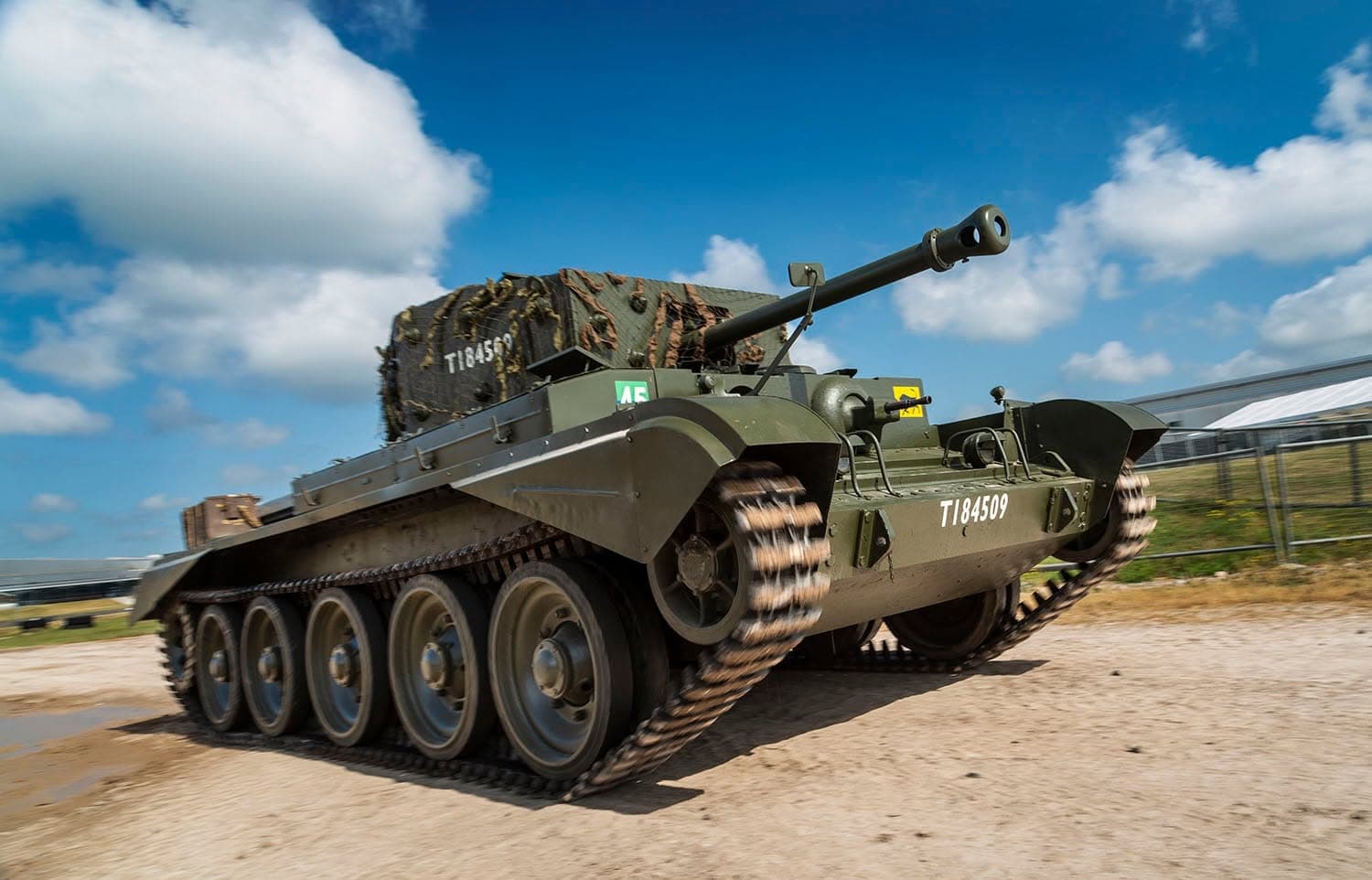
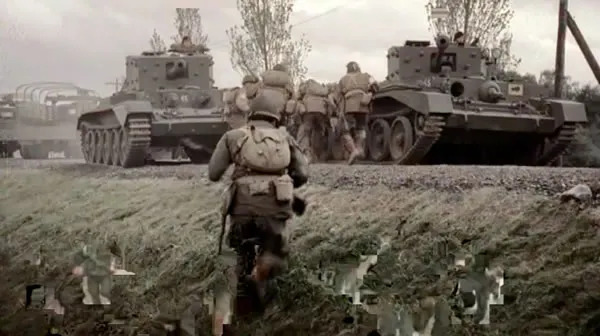
T184509 was partially turned back into a gun tank and used in the HBO series Band of Brothers with a more in-depth conversion being carried out later. It’s now part of the Bannister Historic Armour Collection and is regularly run at events by restoration firm Armoured Engineering.
In the end, the Meteor was a far better engine than the aging Liberty design (which had gradually fallen out of favour with everyone except Lord Nuffield), but the Mk. IIIs were still useful as training tanks and allowed Cromwells to instead be delivered straight to the armoured units.
It’s still debated as to how many Centaurs might have been re-engined with Meteors outside of testing and if any of these would’ve even been deemed battle worthy but, ultimately, the only vehicles to see any frontline use in the Centaur guise were Observation Post tanks fitted with dummy guns, the more famous 95mm howitzer-armed Mk. IV, and, eventually, as the aforementioned Dozers.
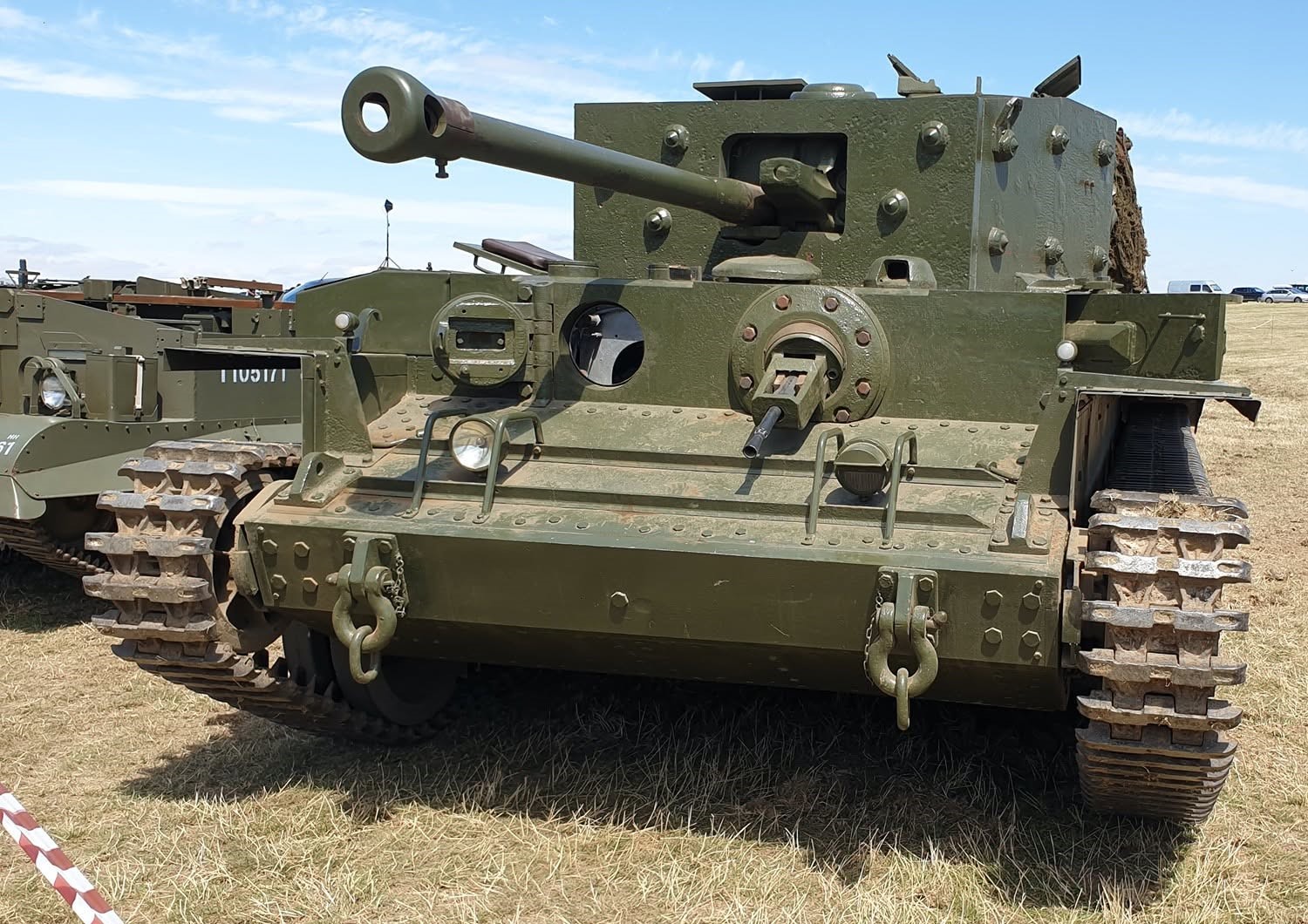
Another Dozer to Mk. III conversion.
In-game
Between the less powerful engine and its hull armour being weaker in some areas, the Centaur Mk. III could easily take the Cromwell Mk. V’s old spot at either 3.3 or 3.7 depending upon whether it’d receive Solid or Filled M61 for its ammunition loadout.
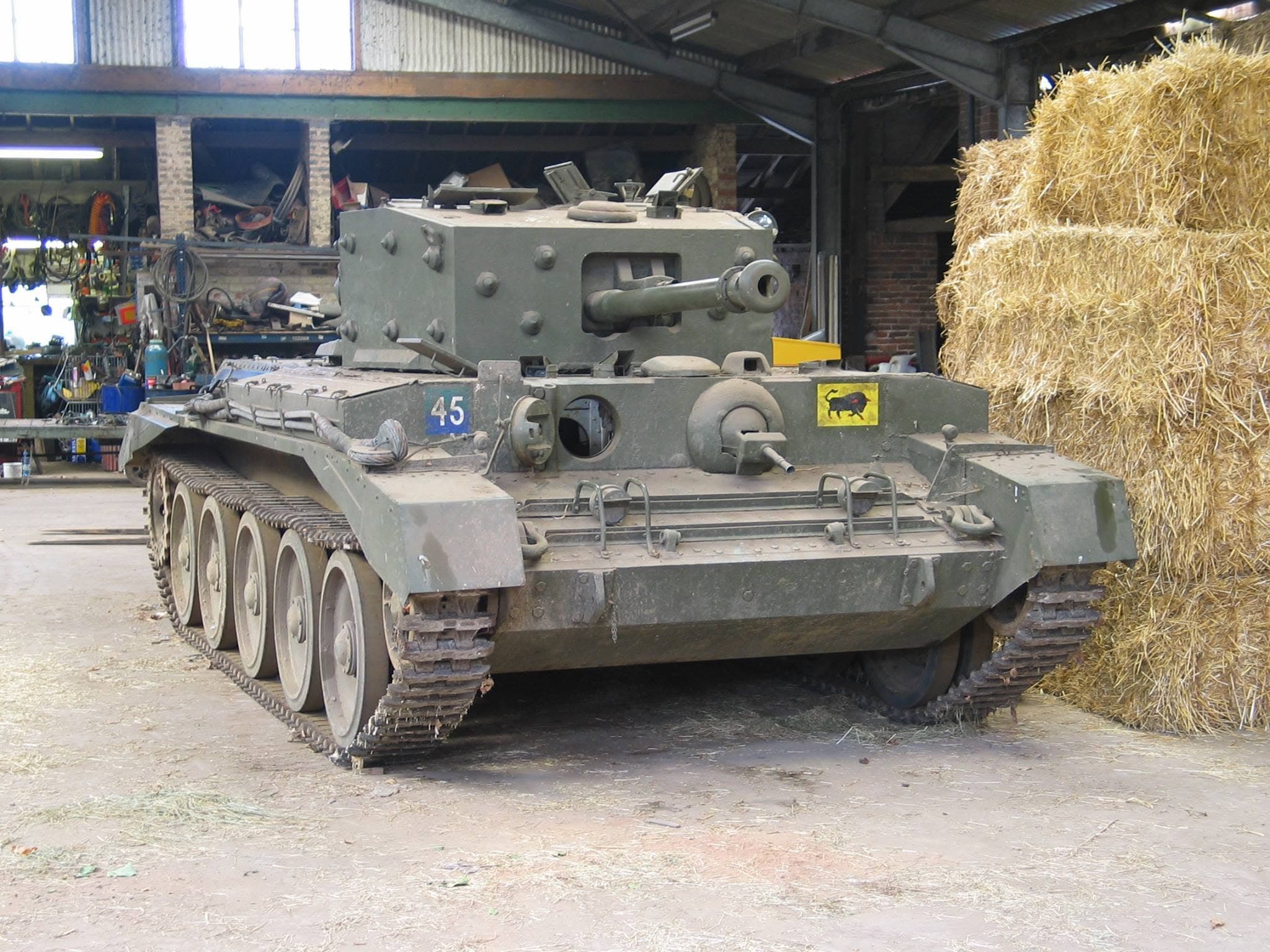
For visual distinction from the Cromwell V, the Centaur III could be modelled as a Type C hull with the early No. 20 gimbal BESA mount and could also have a flat engine deck as not all Centaurs received the raised air intake due to the Liberty not needing the increased airflow that the Meteor did.
Specifications
Crew - 5
Weight - 27t
Engine - Nuffield Liberty Mk. V 27L V12 (410hp)
Max speed - 27.3mph (43.9 km/h)
Armament
OQF 75mm Mk. V
2x BESA 7.92mm MGs
Max elevation/depression - +20/-12.5
Ammunition
64 shells
4950 7.92mm
Figures taken from War Thunder Wiki
Armor penetration (mm) at a distance:
10m / 100m / 500m / 1000m / 1500m / 2000m
M72 - AP: 91 / 88 / 78 / 67 / 57 / 49
M61 Solid - APCBC: 103 / 100 / 89 / 77 / 66 / 57
M61 Filled - APCBC: 104 / 102 / 93 / 84 / 75 / 68
M48 - HE
M89 - Smoke
Armour
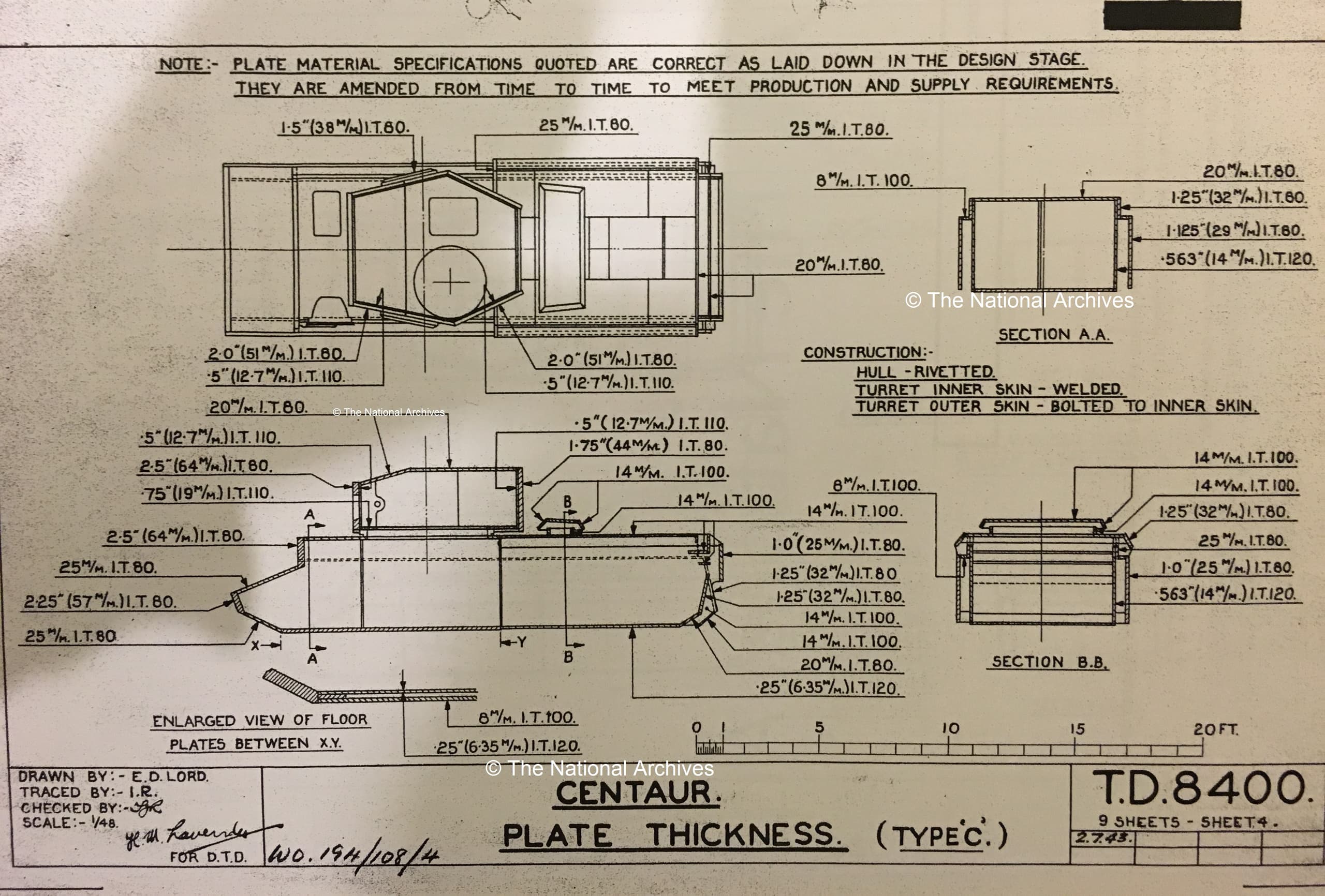
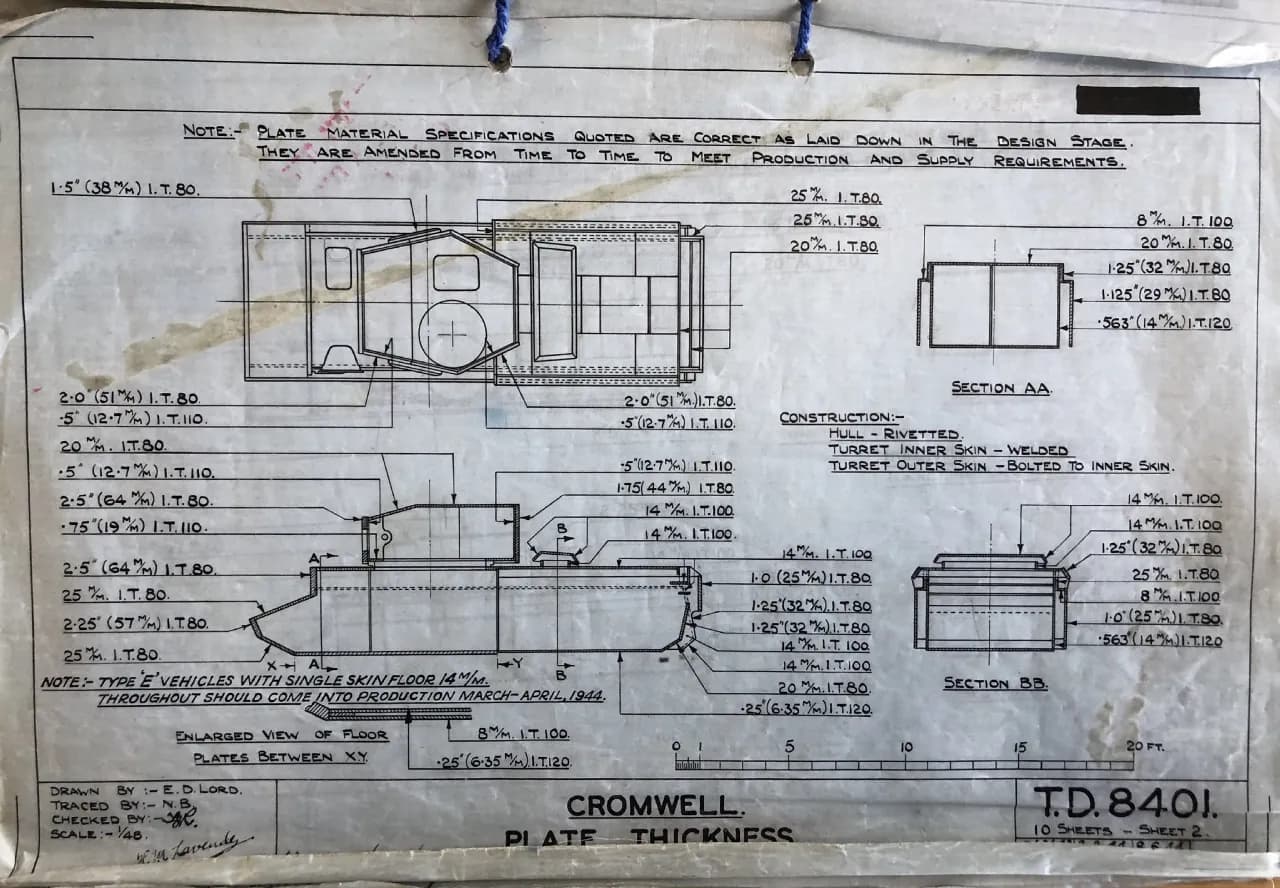
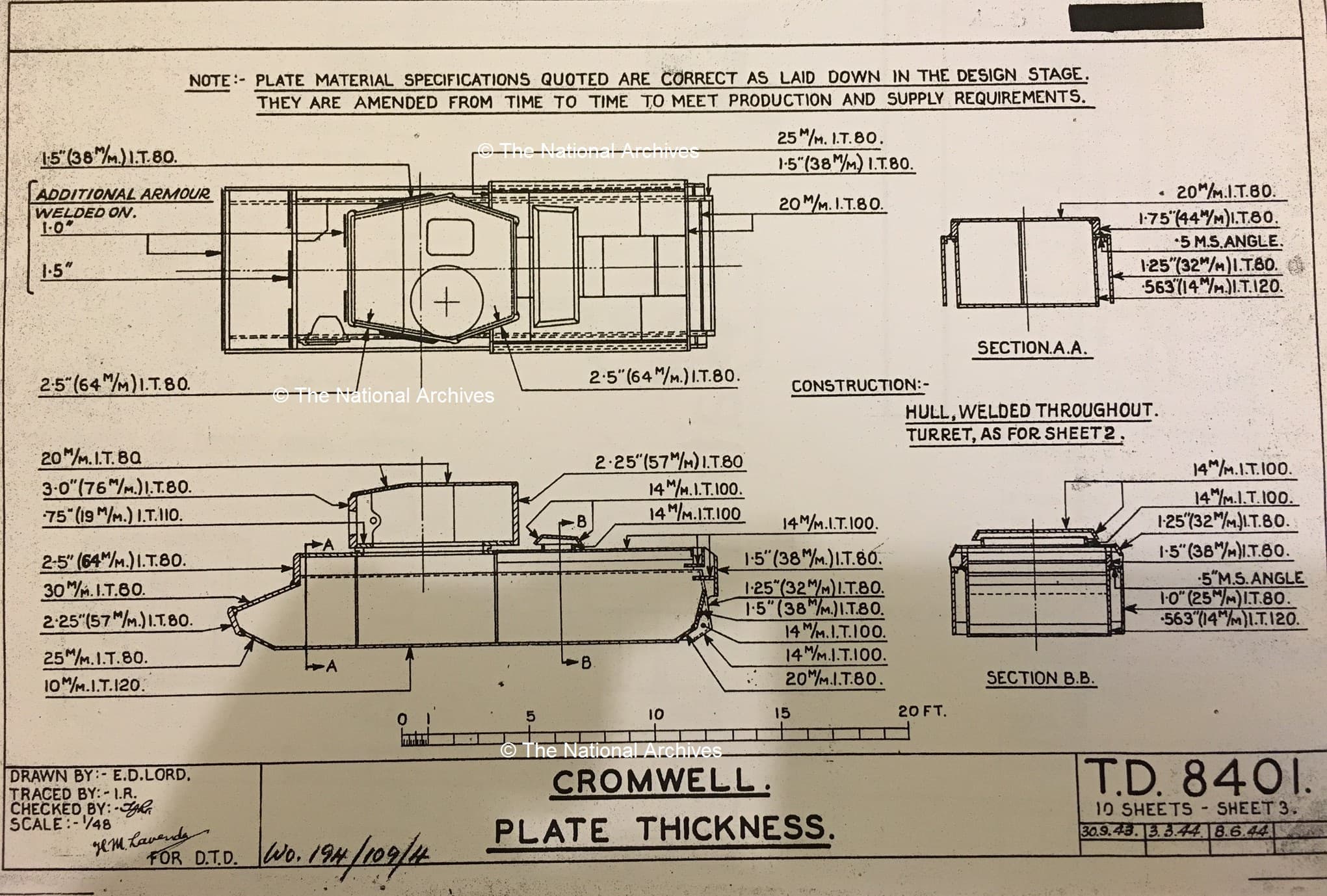
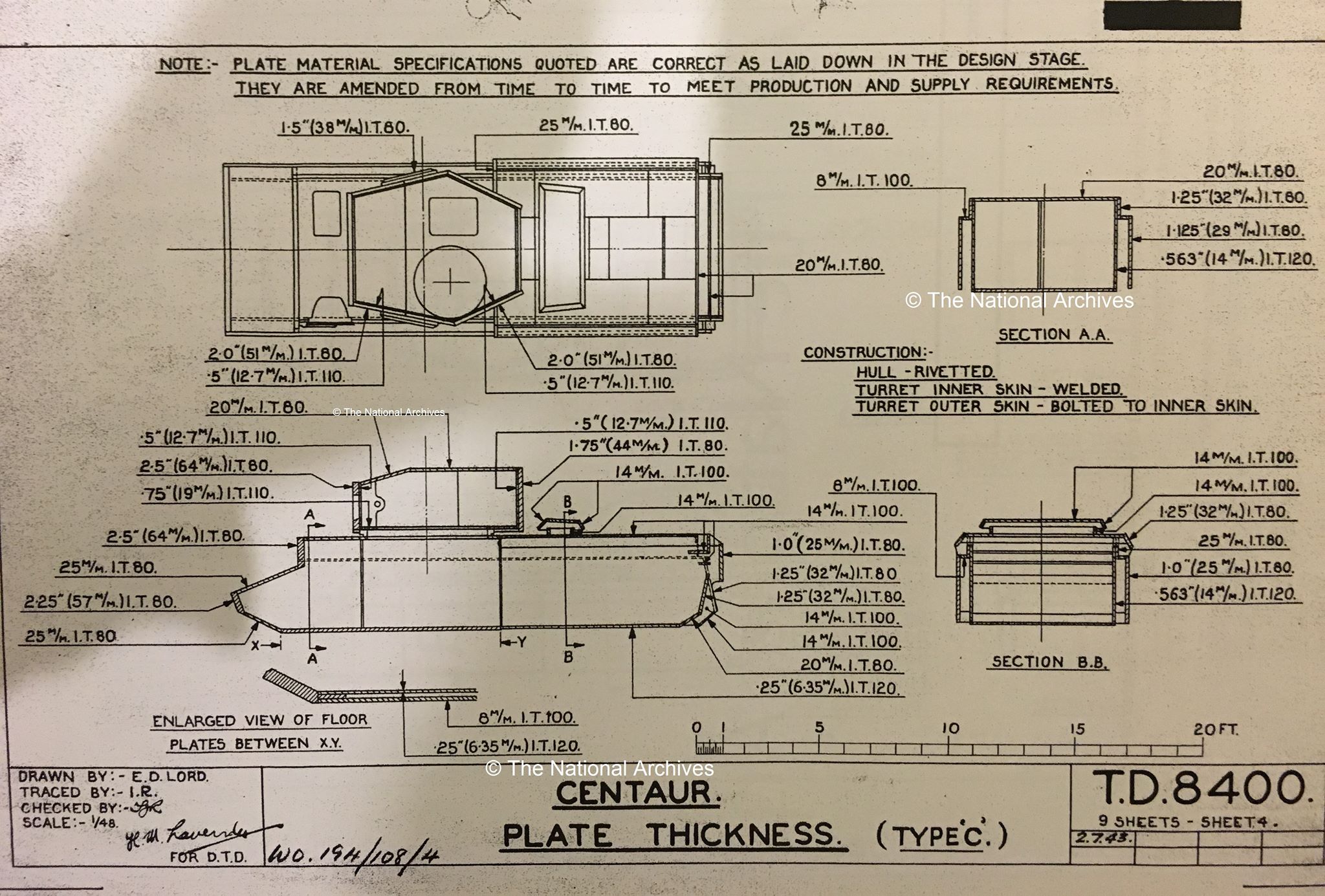
Hull Front - 64mm
Upper Hull Nose - 25mm
Lower Hull Nose - 57mm
Hull Sides Upper - 32mm
Hull Sides Lower - 29mm+14mm
Hull Sides Rear Upper - 32mm+25mm
Hull Sides Rear Lower - 25mm+14mm
Hull Rear - 25-32mm
Hull Roof - 20mm
Engine Deck - 14mm
Turret Front - 64mm+12.7mm
Turret Sides - 51mm+12.7mm
Turret Rear - 44mm+12.7mm
Turret Roof - 20mm
Images
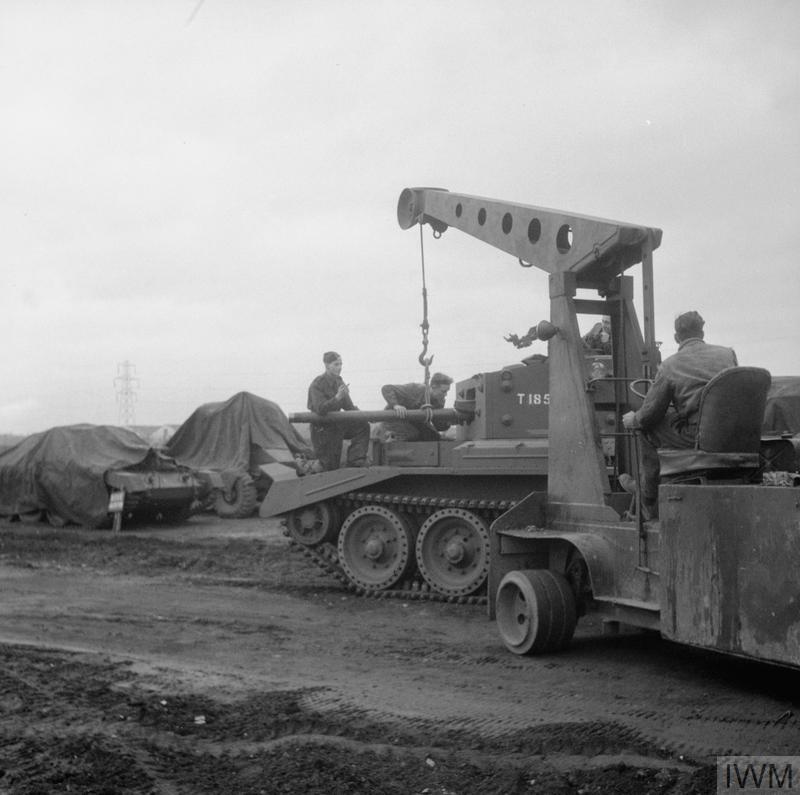
IWM (H 35014)
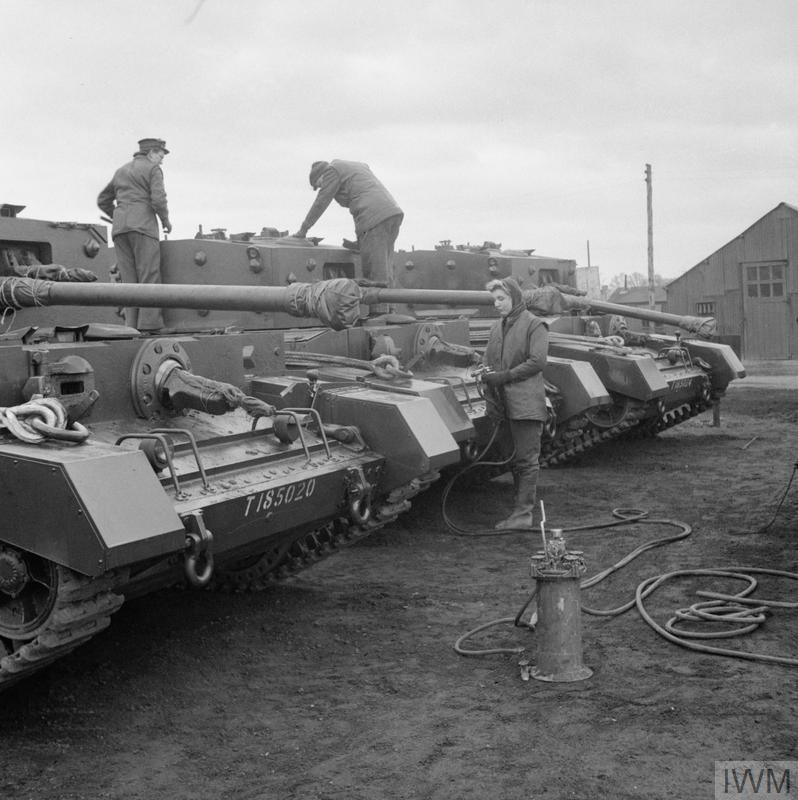
IWM (H 35016)
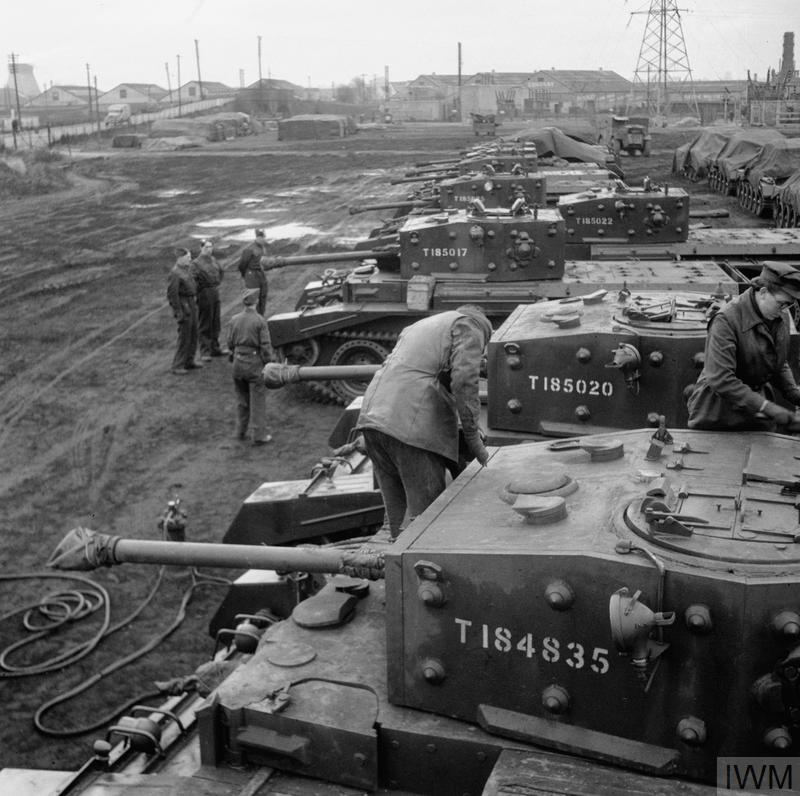
IWM (H 35017)
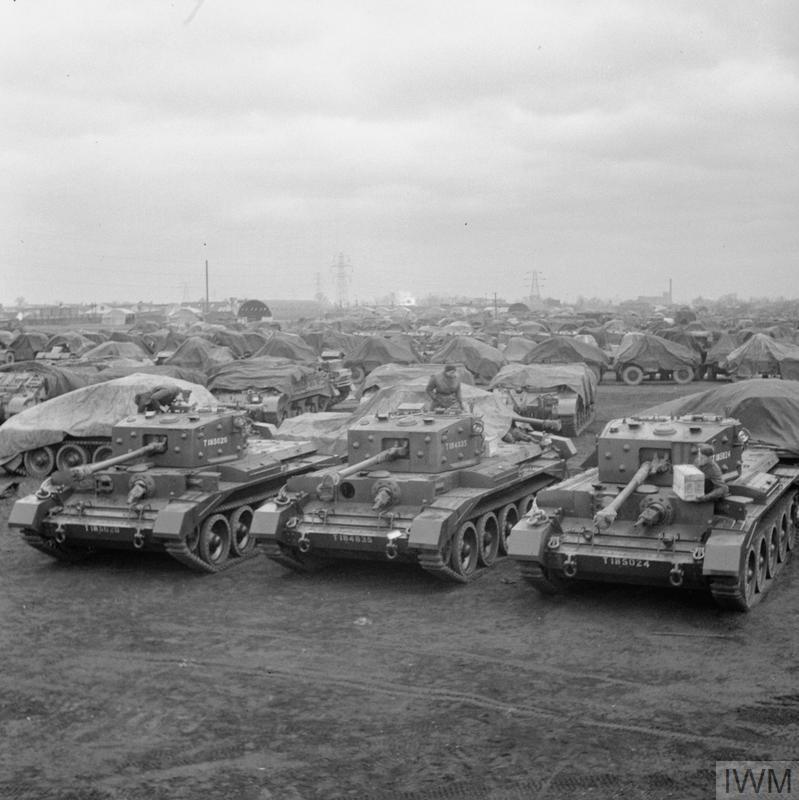
IWM (H 35019)
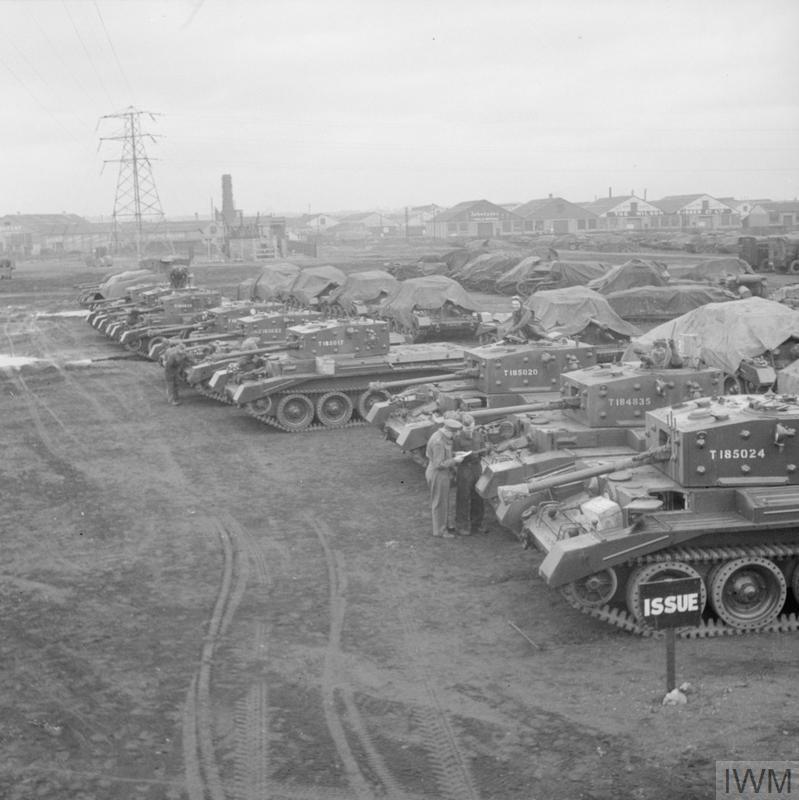
Newly-built Centaur Mk. III tanks lined up for despatch to units in the issue park at No. 6 AFV Depot at Slough, near London, March 1943. - IWM (H 35020)
Sources
British Battle Tanks: British-Made Tanks of World War II - David Fletcher
Cromwell Tank: Vehicle History and Specification - David Fletcher
Cromwell and Centaur Tanks British Army and Royal Marines North-West Europe 1944-1945 - Dennis Oliver
Centaur | Tank Chats #172 | The Tank Museum - https://www.youtube.com/watch?v=iRuGPSD4bUA
Cromwell tank - Wikipedia
Ordnance QF 75 mm - Wikipedia