- Yes
- No

History
History
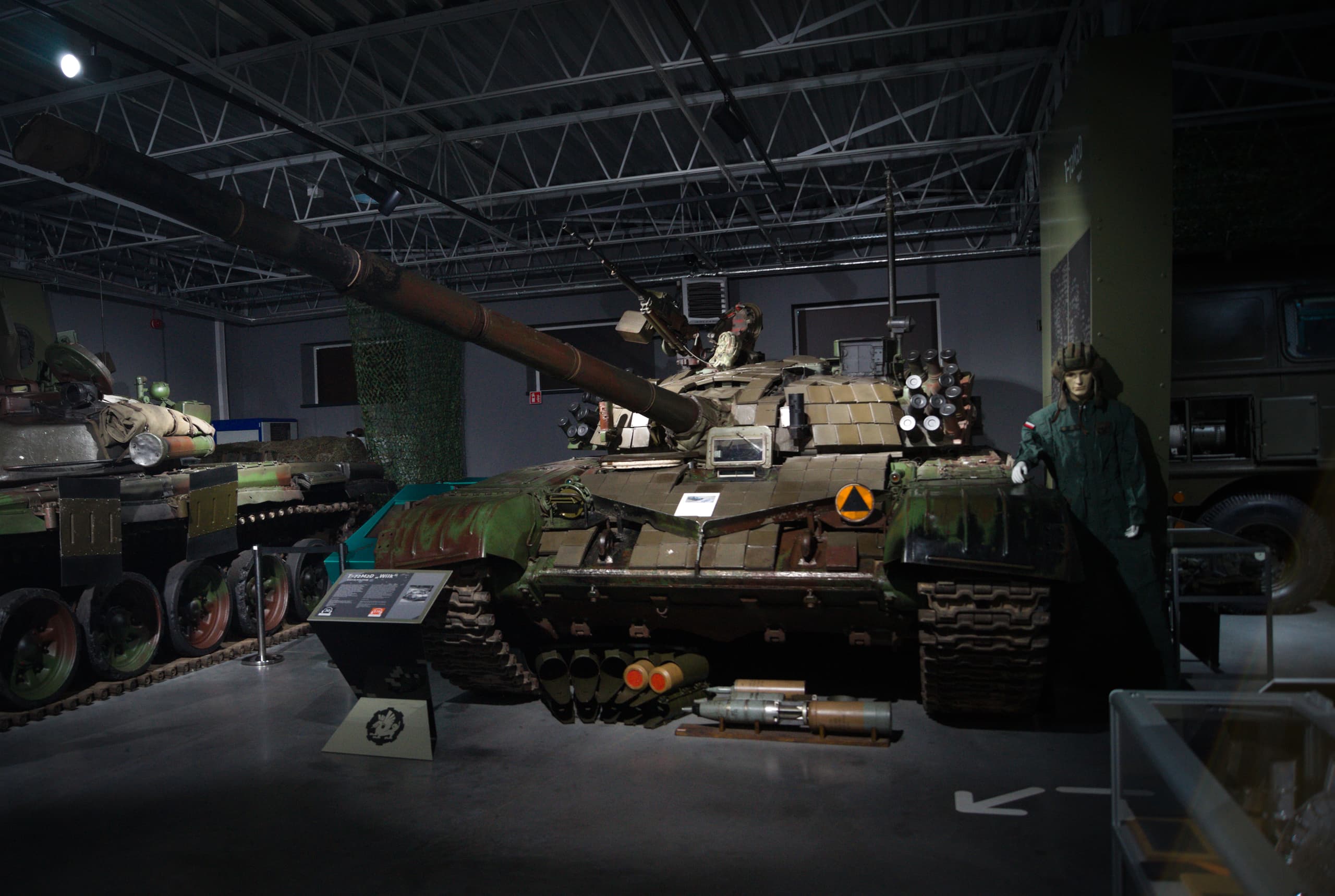
By the time production of the T-72M1 had begun, the Polish General Staff no longer saw the T-72M1 as a sufficient vehicle for the modern battlefield, especially with the introduction of next-generation main battle tanks by Western armed forces. The Western Leopard 2’s and Abrams’ proved to be more formidable modern day opponents.
In the second half of the 1980s, Poland launched a program aimed at increasing the combat capabilities of its armed forces. The program had two objectives:
- Firstly, it was intended to start negotiations with the USSR on a newer variant of the T-72
- Secondly, it was assumed that components would be developed to modernize the T-72M1 in the country using Polish industrial technology.
The first attempt led to the formal launch of negotiations in 1988. Poland attempted to acquire the liscence for a copy of the T-72B main battle tank, designated the T-72S. But for a number of different reasons the negotiations failed in 1989/1990.
The second approach led to the integration of domestic technologies (from what I learnt from the museum staff, these technologies were often based off of Western Technologies which where snuk into the country) and the development of a modernization package for the T-55A (whiche created the T-55AM Merida and various other variants). To continue with these successes, Poland began exploring various modernization options for the T-72M1.
The Ministry of National Defense’s Department of Development and Implementation commissioned the OBRUM Research and Development Center for Mechanical Devices to launch a project with precisely this goal. The project, dubbed “WILK,” (which apparentally is generally used for a lot of modernisation projects and will continue to be used) aimed to develop tank modernization components that would enable repair and maintenance work to be carried out by lower-tier facilities collaborating with the appropriate armored units.
The main goal was to increase the tank’s survivability by:
- Increased mobility
- Increased protection
- Improved night fighting ability
A number of structures were involved in the project and cooperation with OBRUM, including:Arms industry involved in the program.
- Military Institute of Armament Technology in Zielonka
- Wola Mechanical Plant in Warsaw
- Industrial Optics Center in Warsaw
- Military University of Technology in Warsaw
After achieving freedom from communism in 1989 and the cutting of connection of all military cooperation within the Warsaw Pact, the need to modernise the T-72M1 tanks with domestic solutions increased.
In the years 1987-1990, the Research and Development Centre for Mechanical Devices built three prototypes based of 3 different T-72 variants.
- T-72A
- T-72M1
- T-72M1D (command variant of the T-72M1, which is this vehicle.)
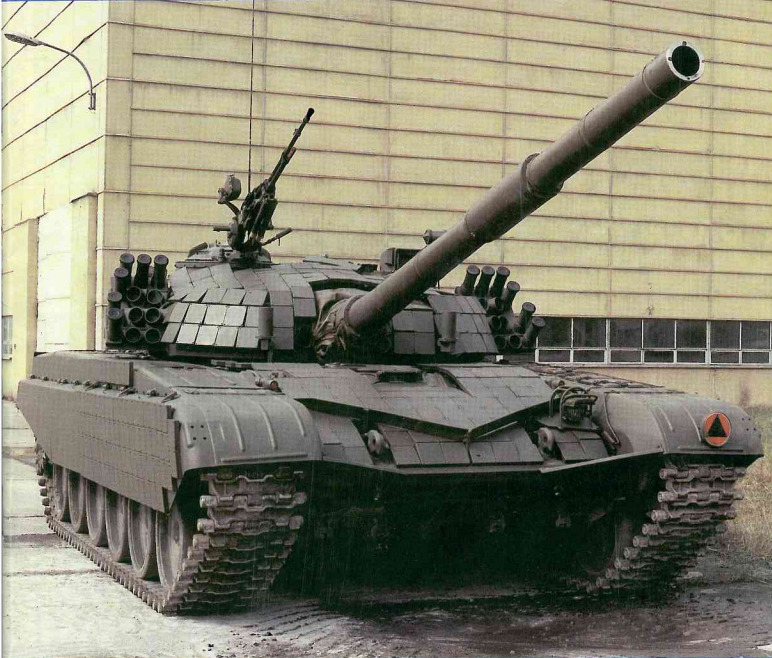
What is believed to be the T-72M1 “Wilk” prototype, not the command versionThese tanks received the following.
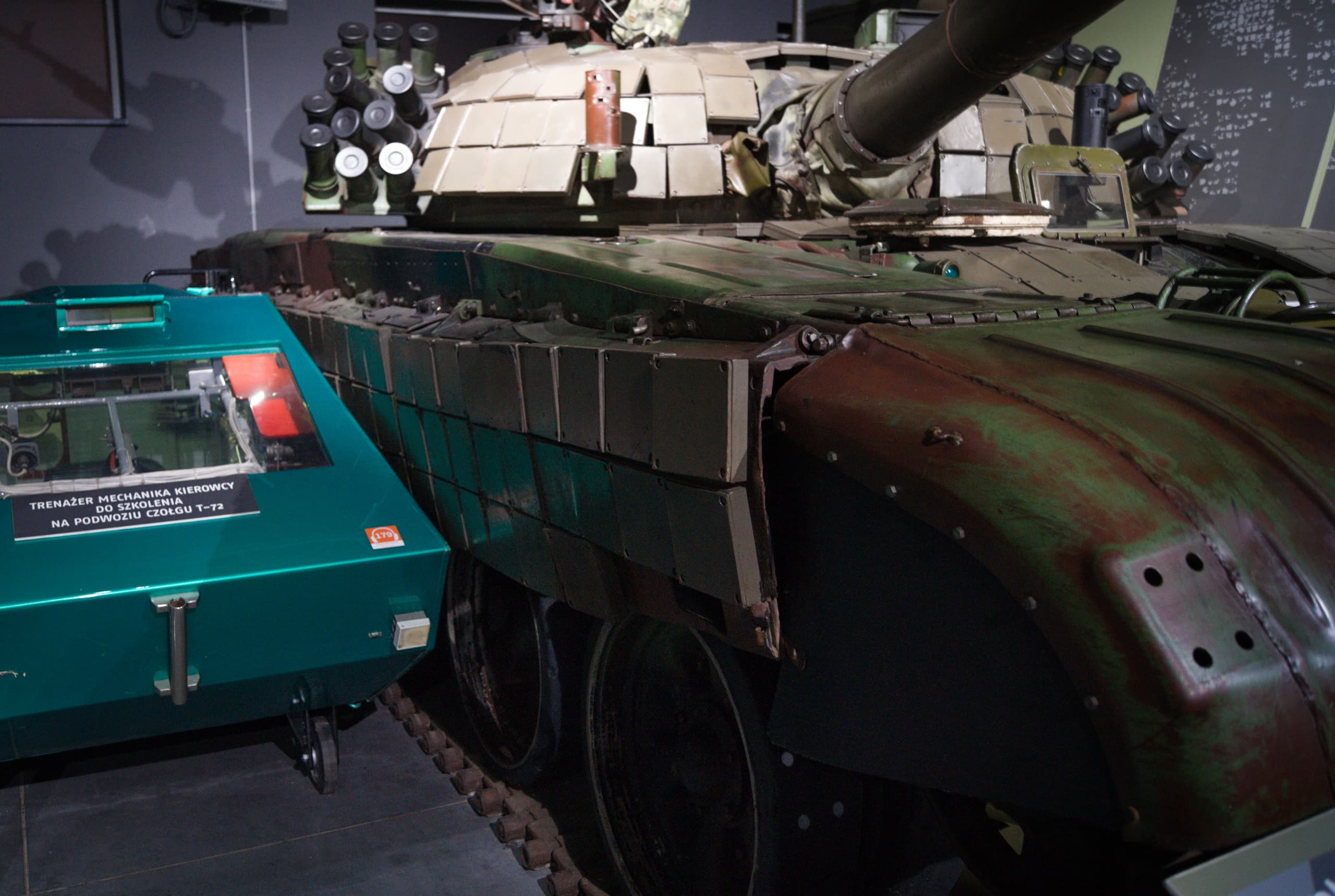
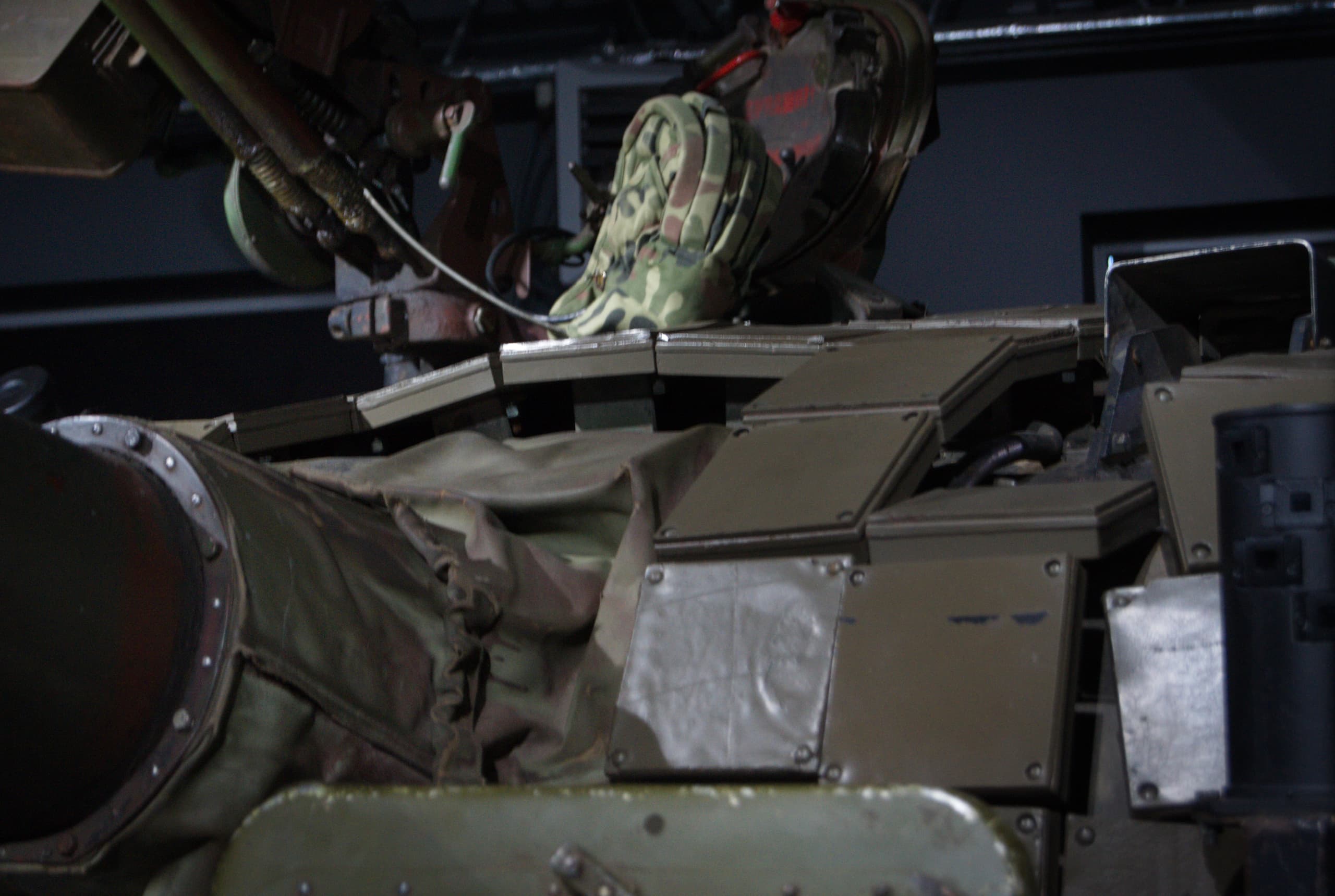
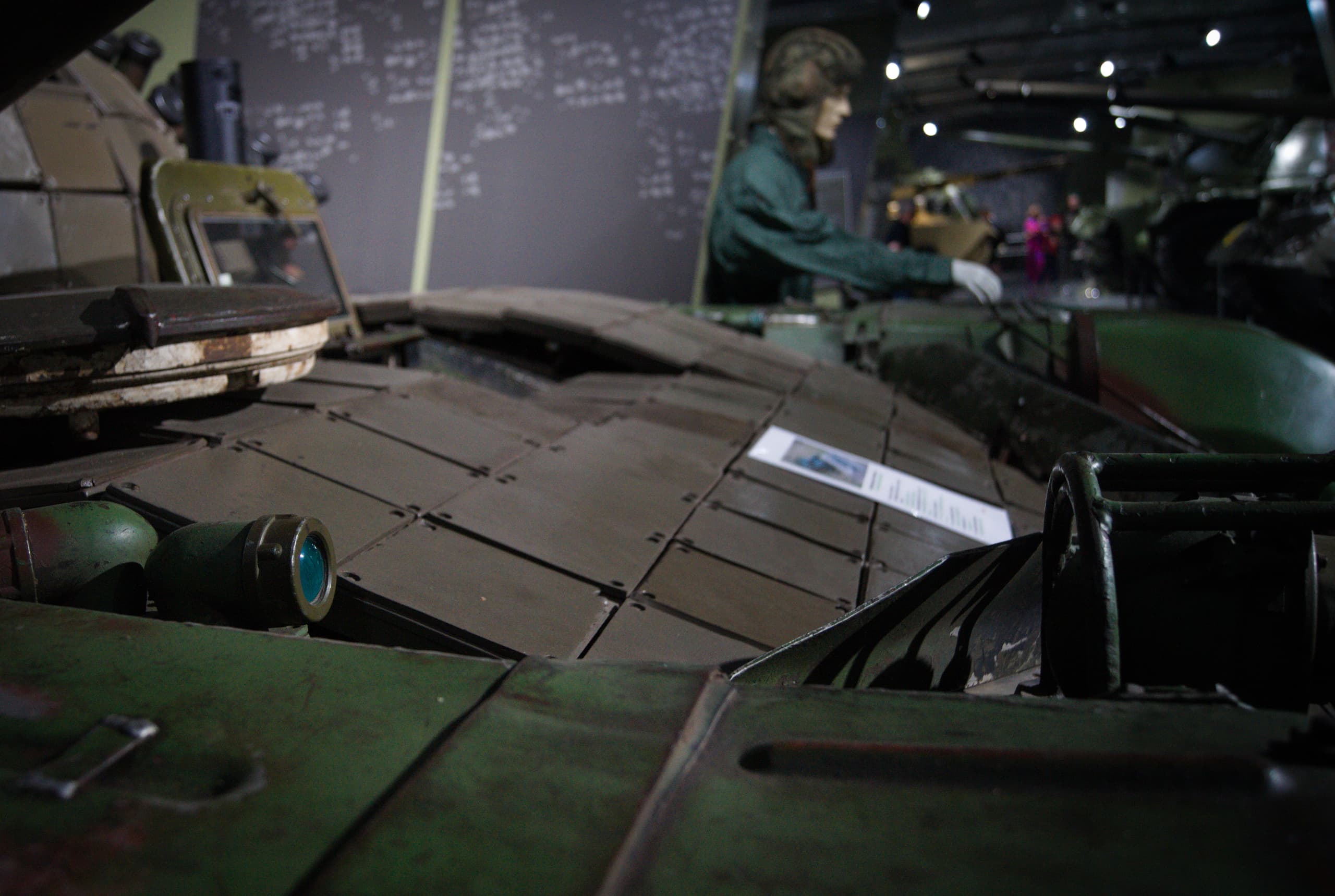
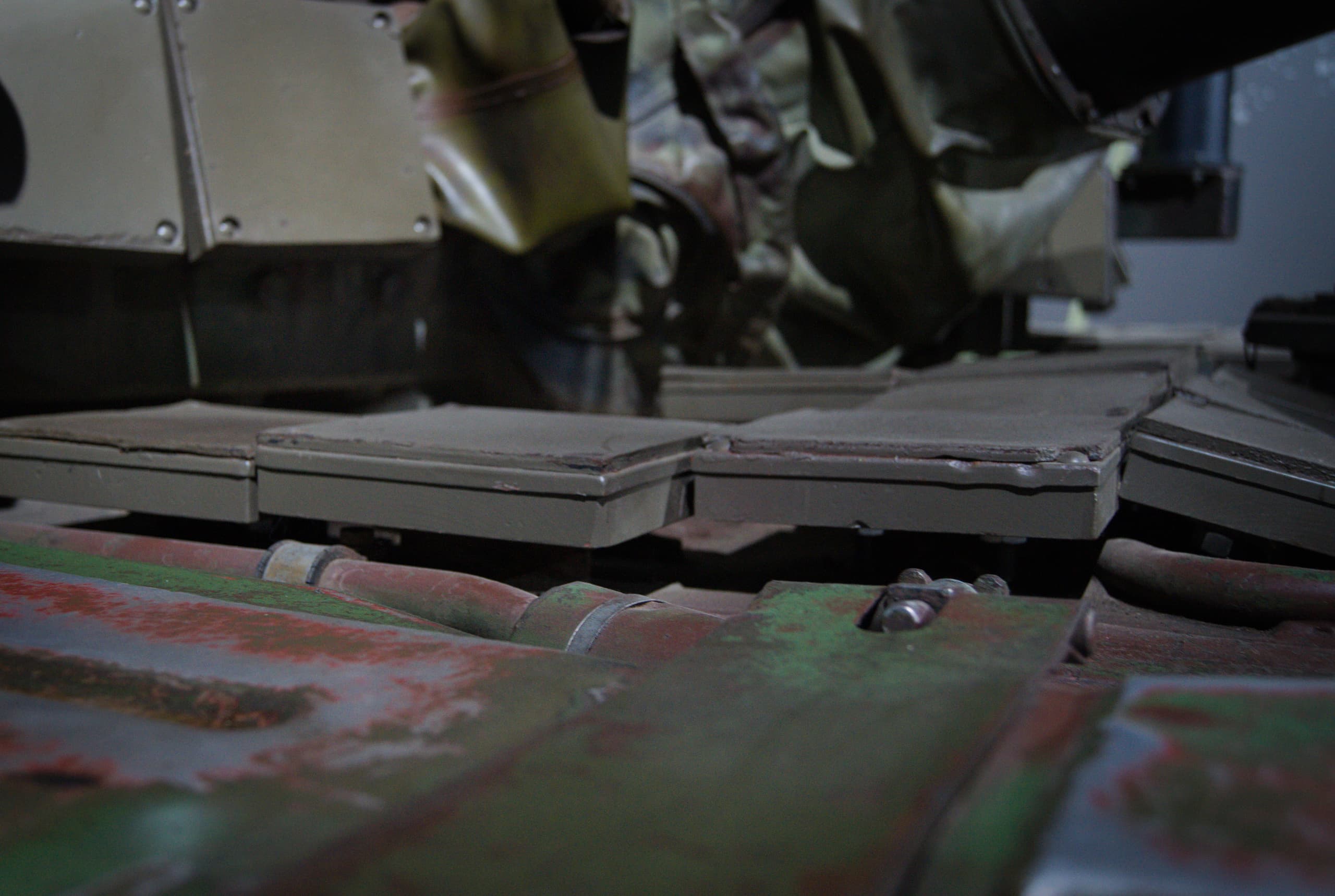
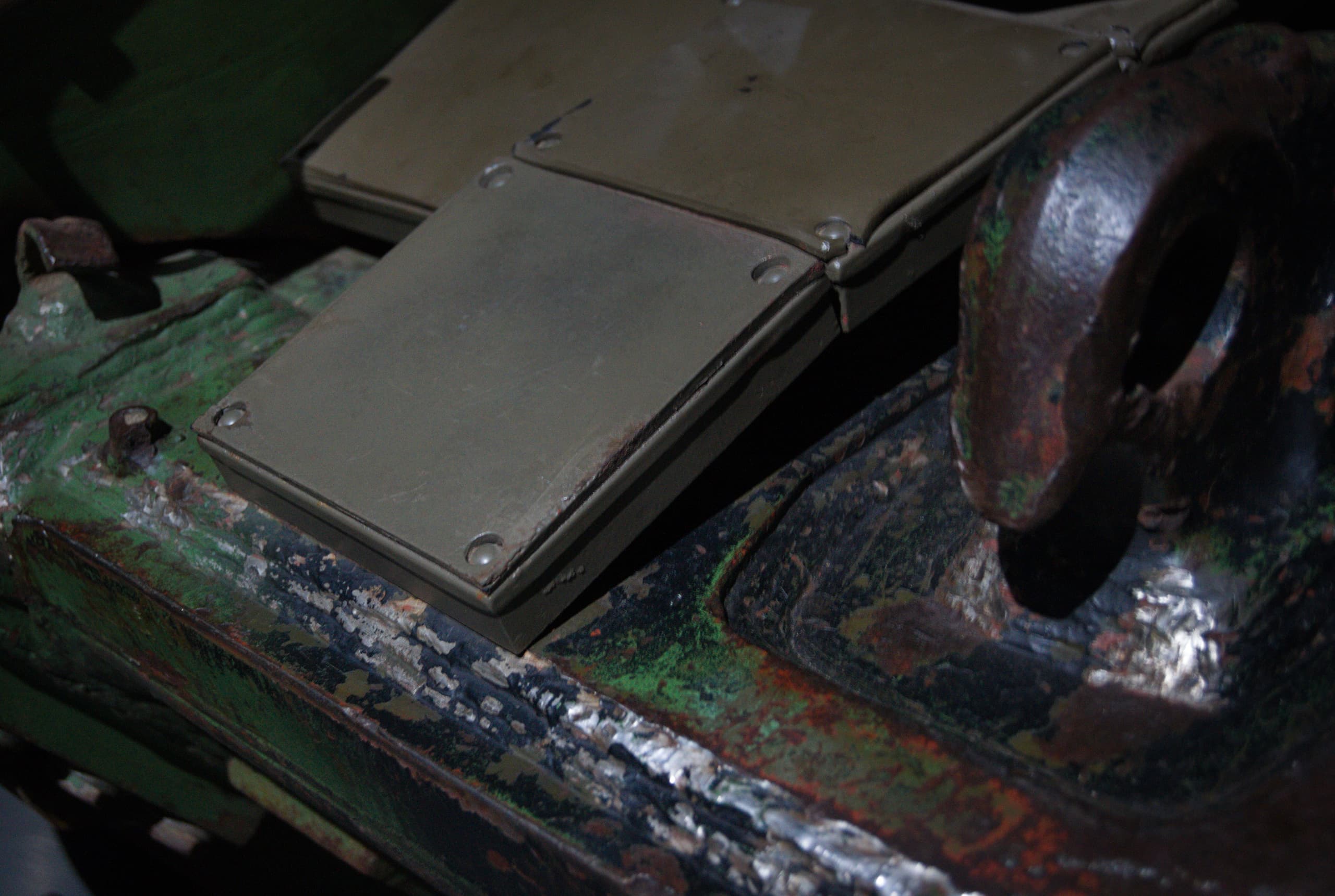
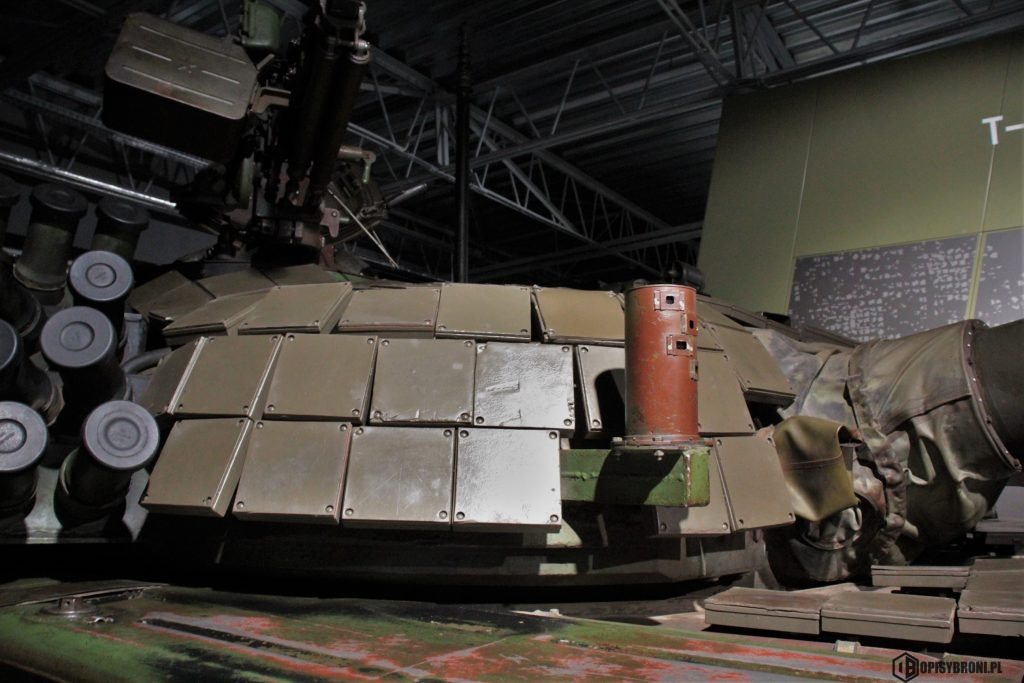
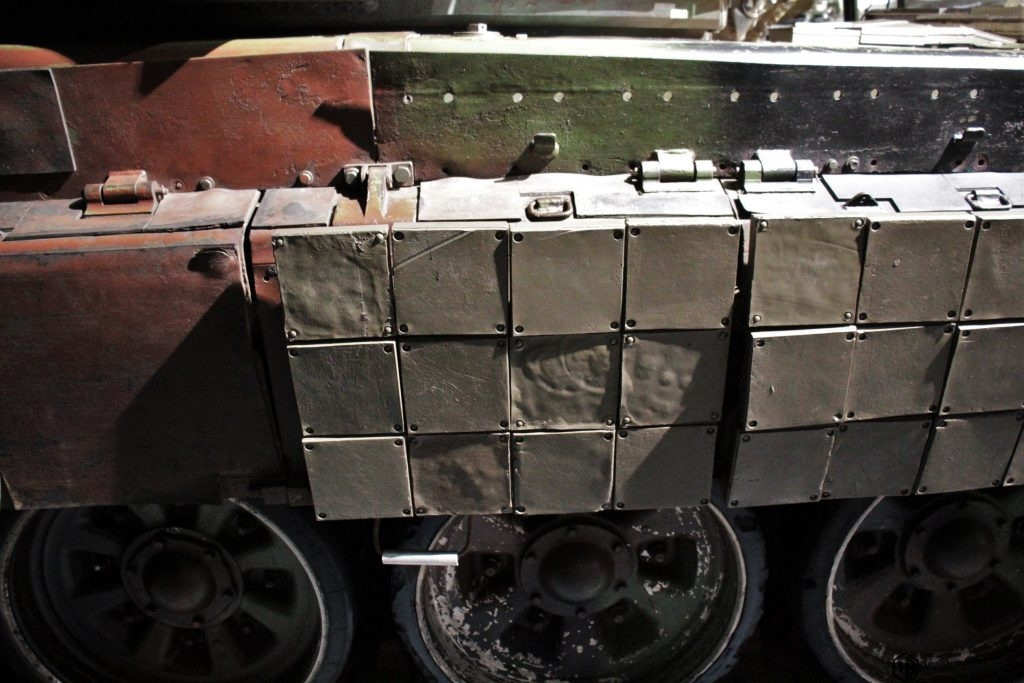
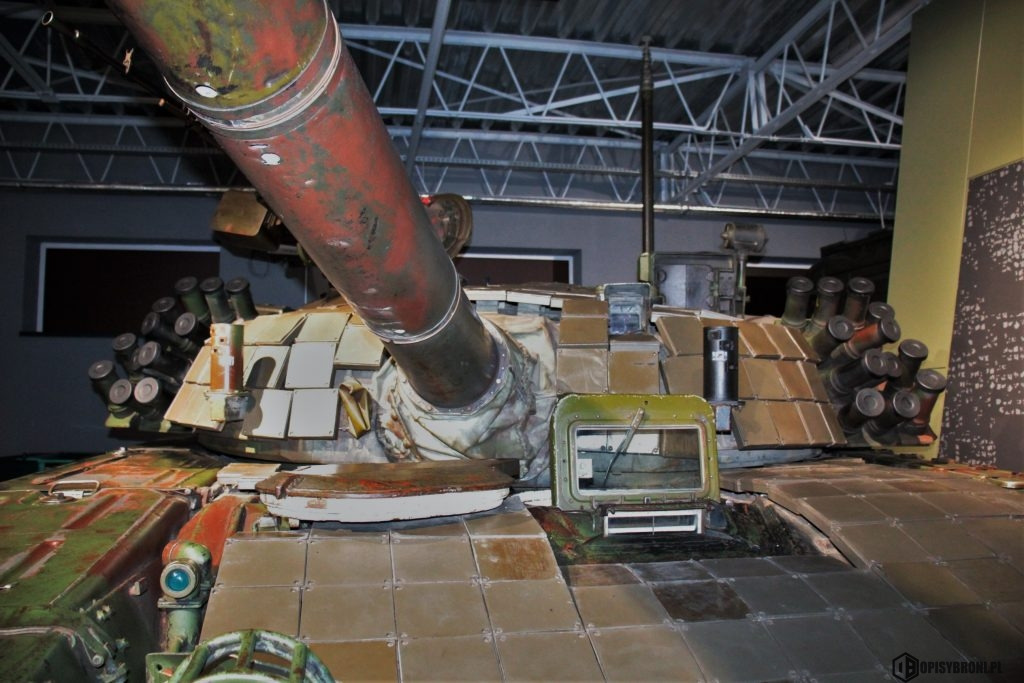
- ERAWA-1 for additional protection
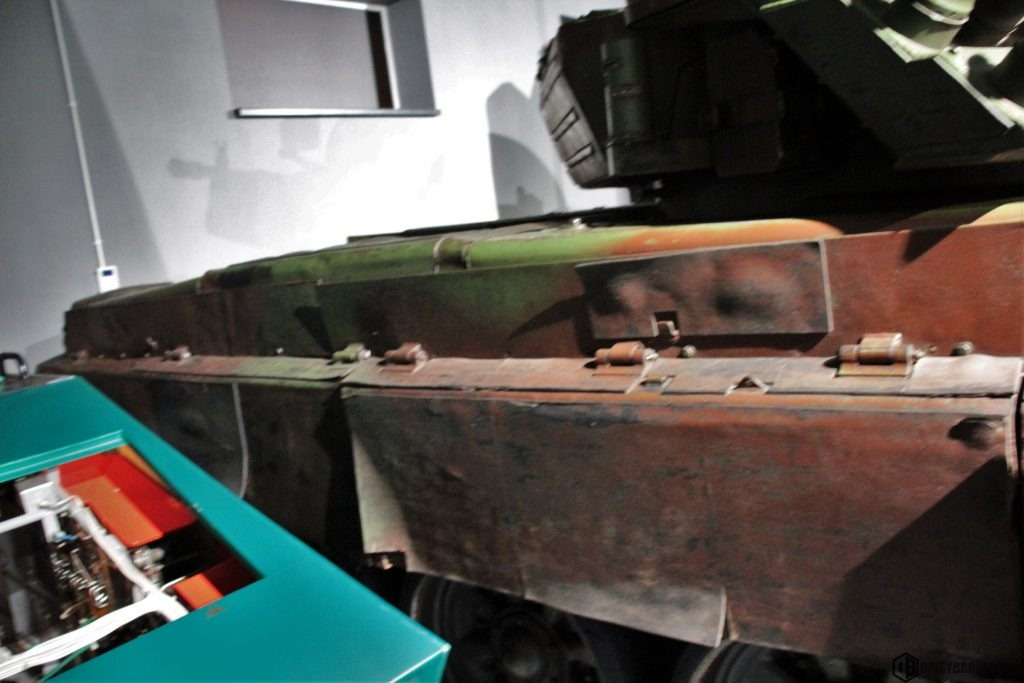
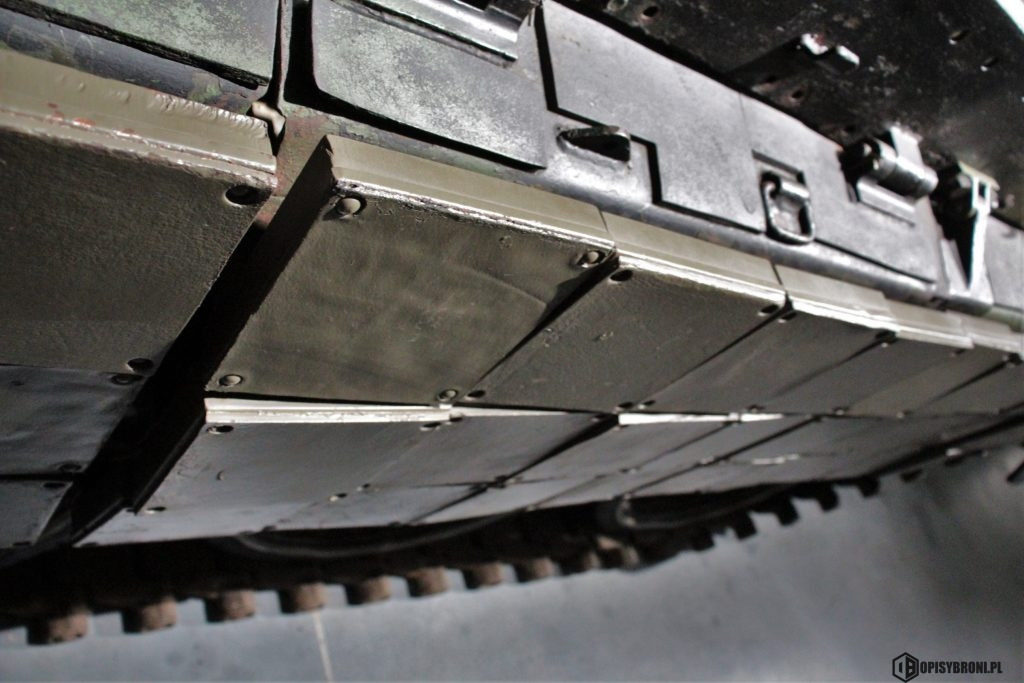
- New steel side covers
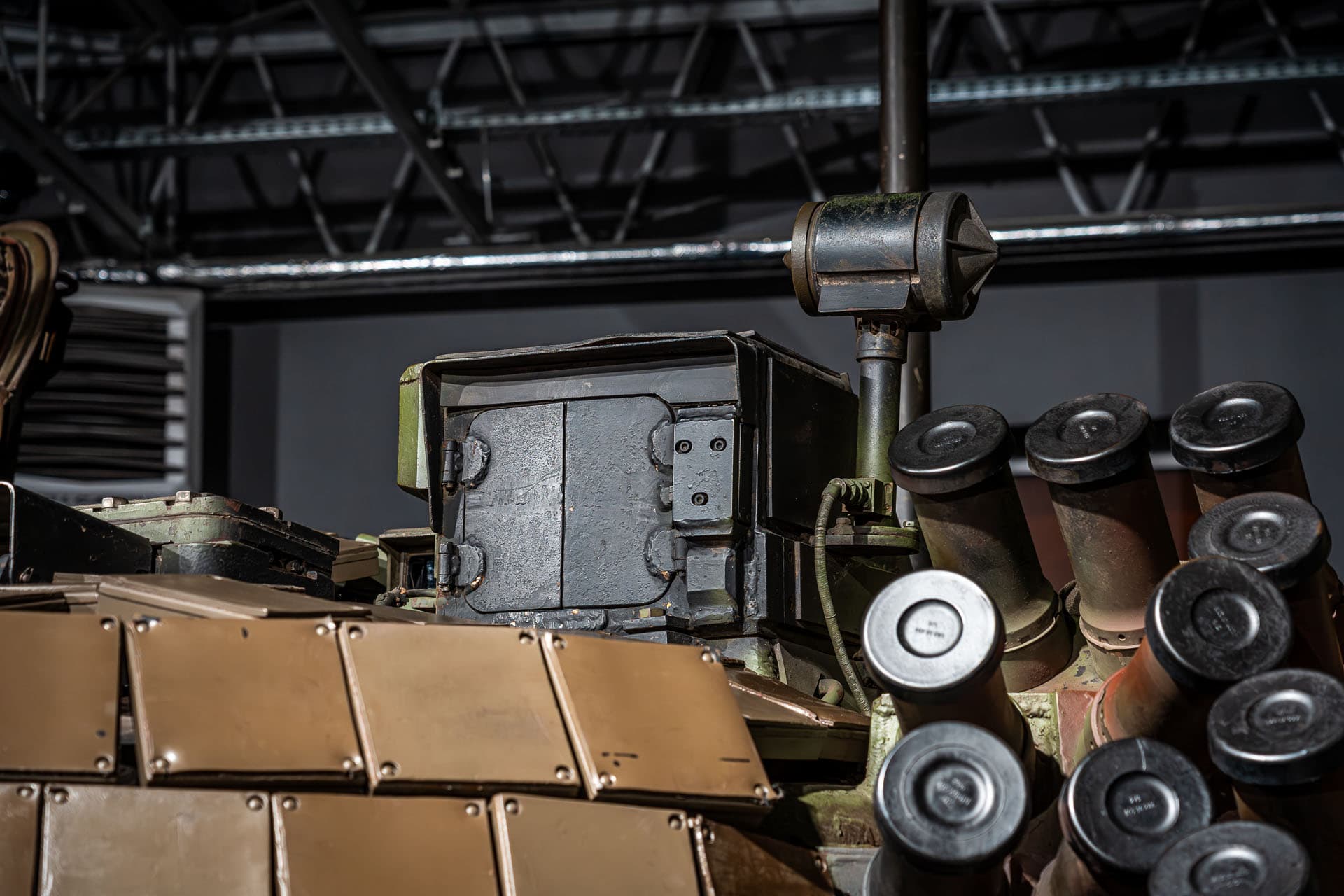
- OBRA-1 vehicle laser beam warning system
- Second-generation passive night vision for all crew members
- Digital SKO DRAWA prototype
- Weapon stabilization diagnostic computer
- Unspecified modification to the gearbox system
- New S-12U diesel engine with 850 hp
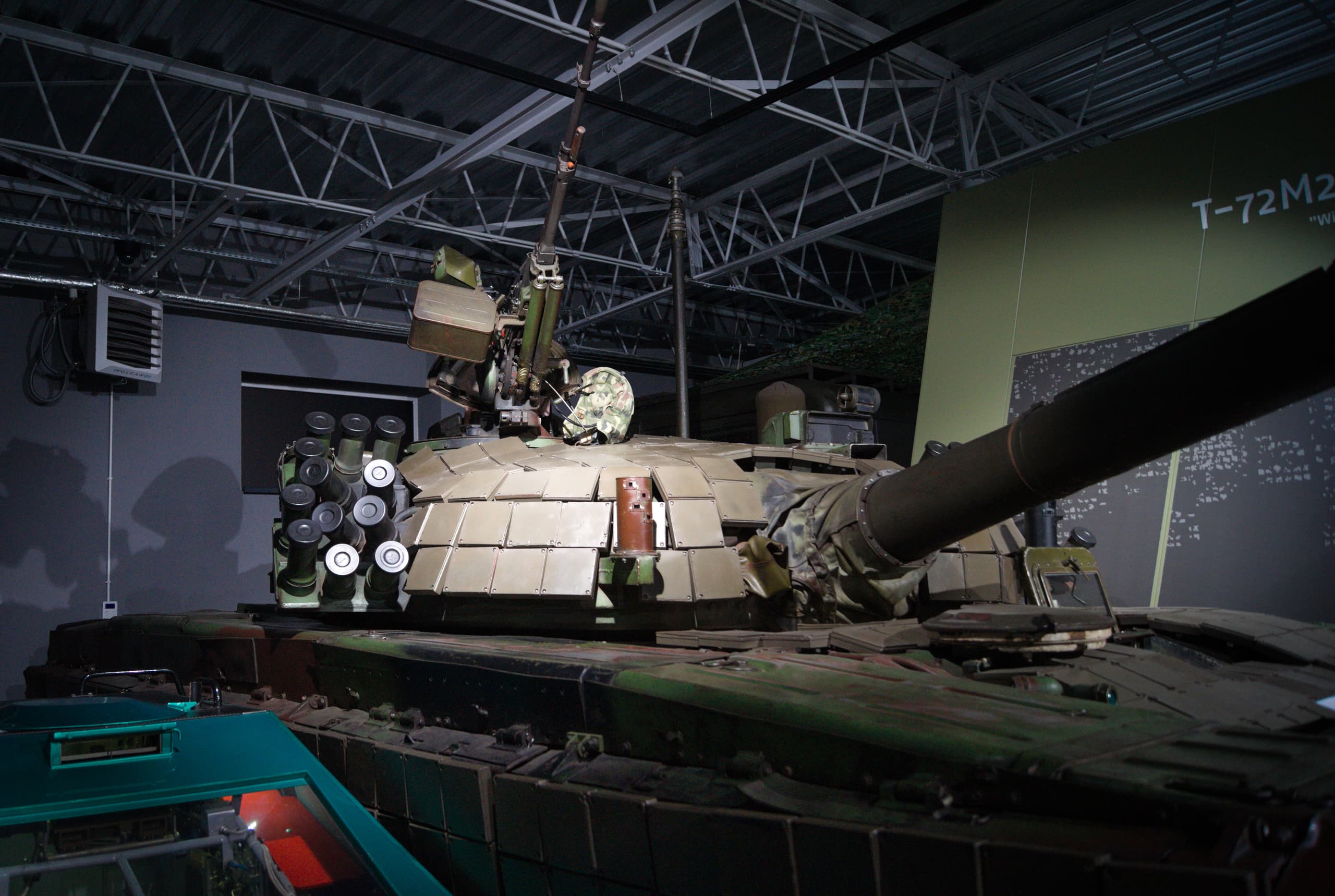
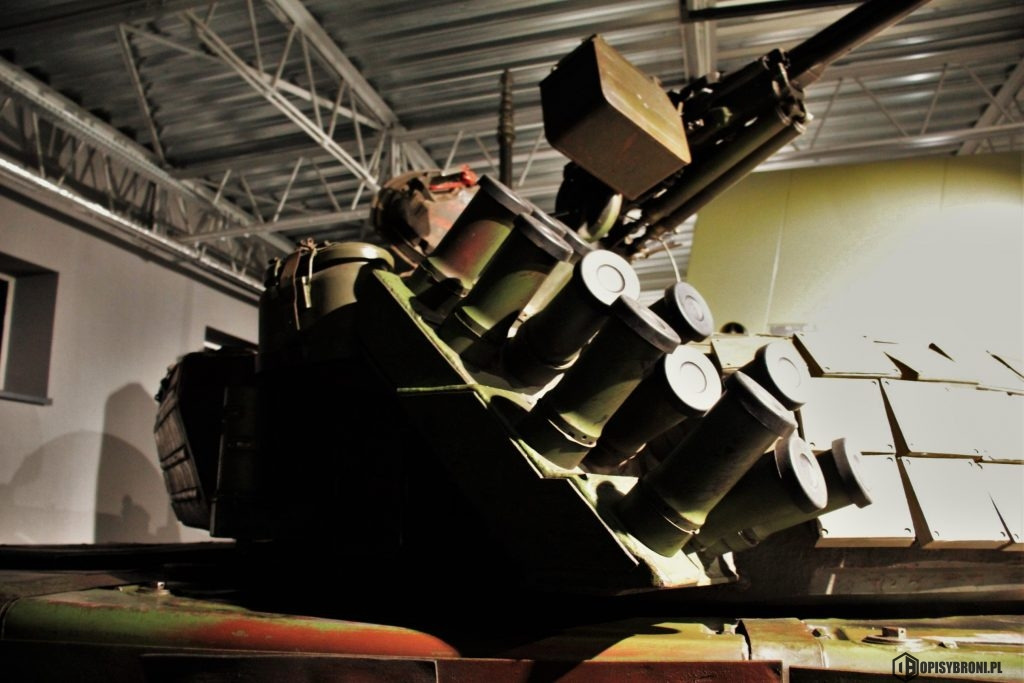
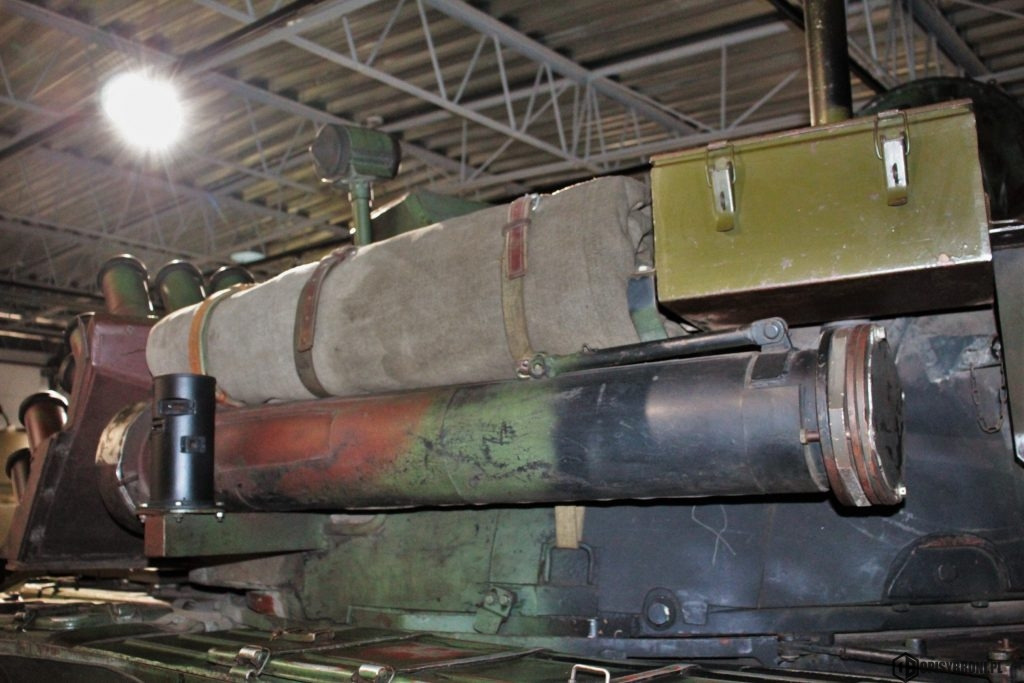
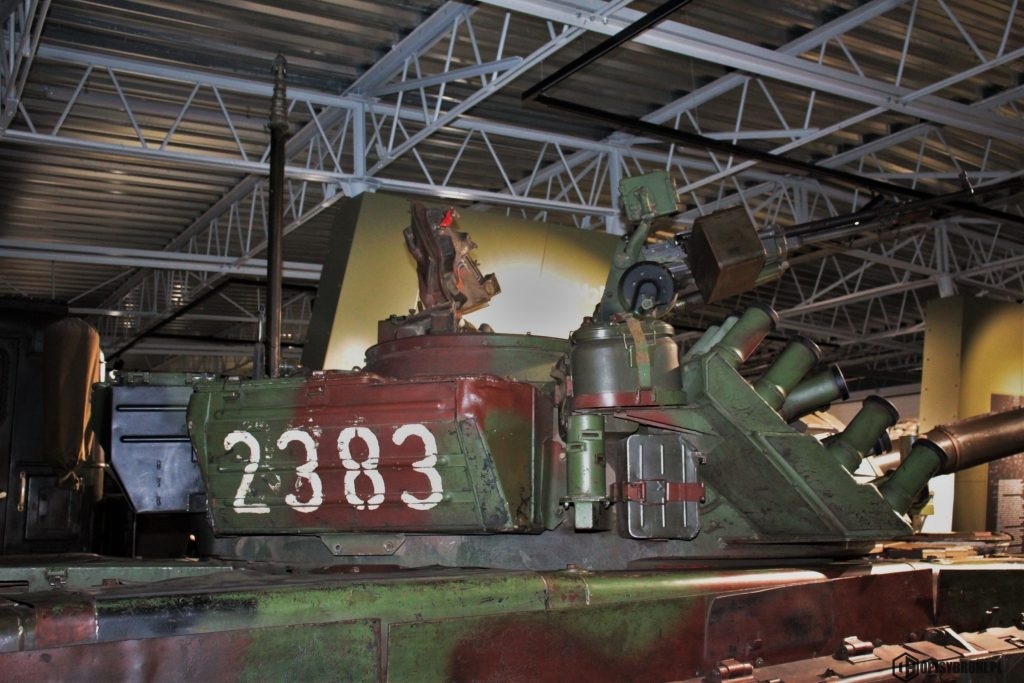
- WPD-1 Tellur and WWGD-1 Erb smoke grenade launcher systems
In July 1991, after successful testing of these vehicles, the program was terminated, and with it’s termination there came a rise to the new project. which would lead to the development of the PT-91 “Twardy” main battle tank.
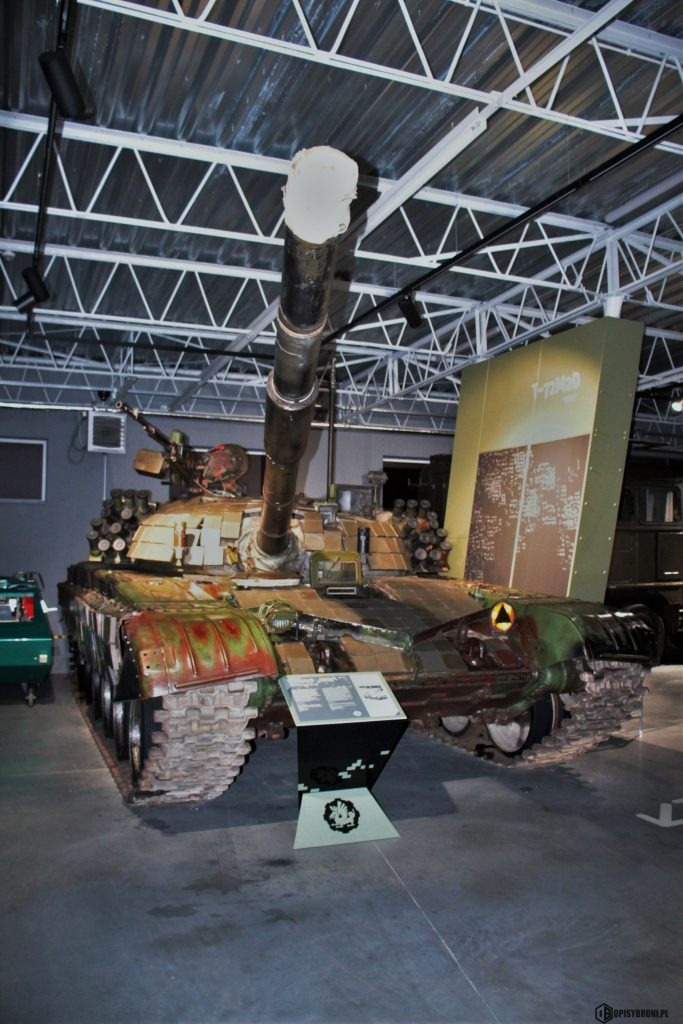
When speaking with the museum staff, I learnt that this particular vehicle actually saw a period of operational service. However, I should note that much of the following information is being recalled from memory, as I was unfortunately unable to record my conversation with the staff member at the time.
According to the information I was given, the vehicle served for a relatively short period under the designation “PT-91”, during which it underwent an extended period of testing and evaluation. Although its operational career was not particularly long, the vehicle remained in service long enough to be subjected to a variety of trials intended to assess its performance and reliability.
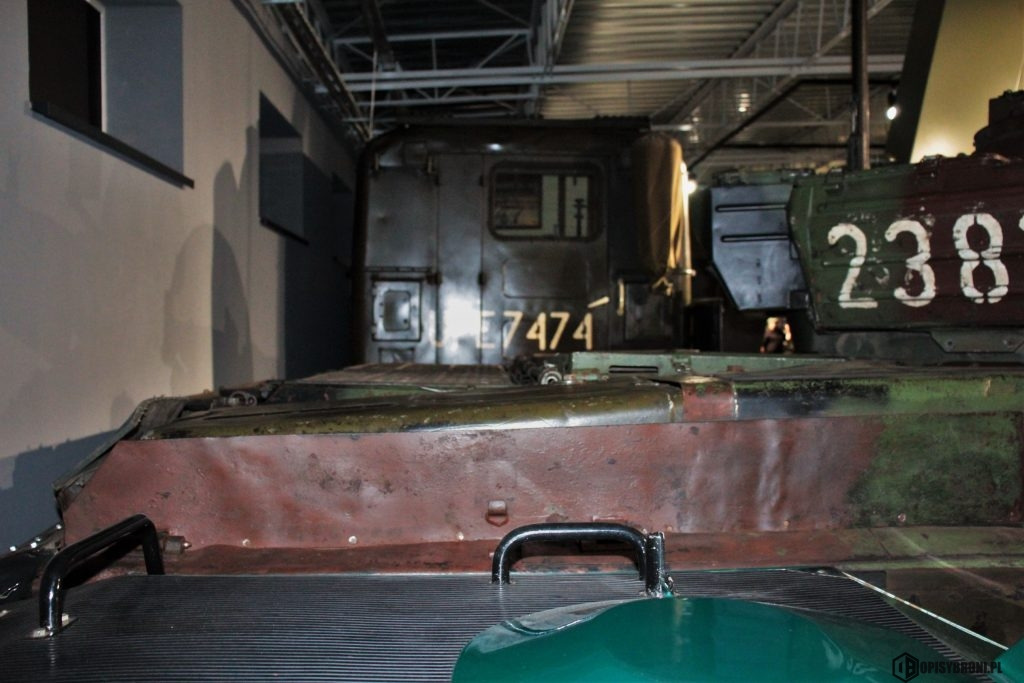
At some point during its service, the tank was involved in an accident in which it flipped over. Thankfully the vehicle did not suffer any major damage as a result of the incident and was able to remain operational afterwards (although a indent can still be seen on the tank). It continued its service and testing before eventually being withdrawn and donated to the Muzeum Broni Pancernej in Poznań, where it is now preserved.
Interestingly, the museum also had to undertake a considerable amount of work to make the vehicle safe while retaining as much of its original appearance as possible.
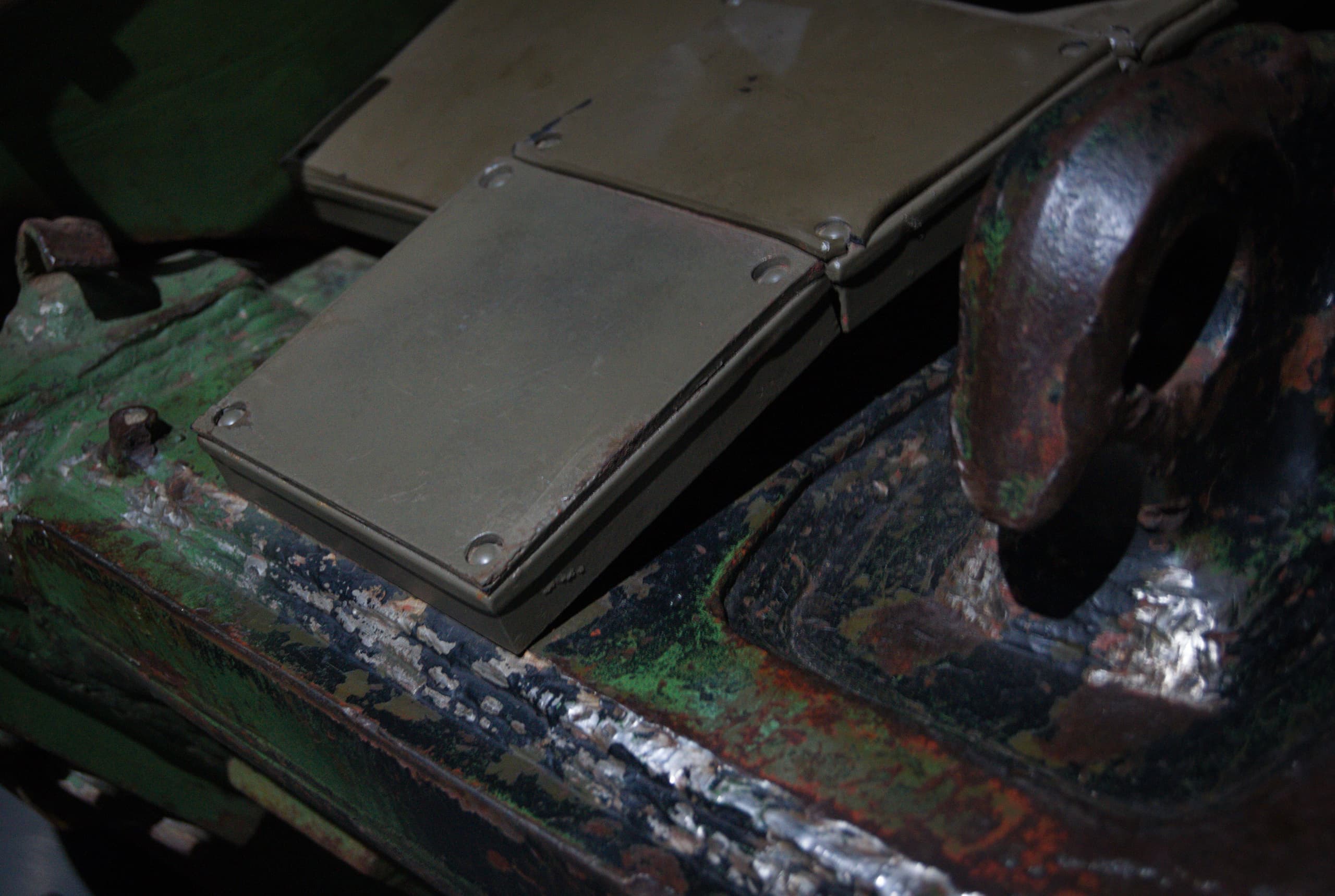
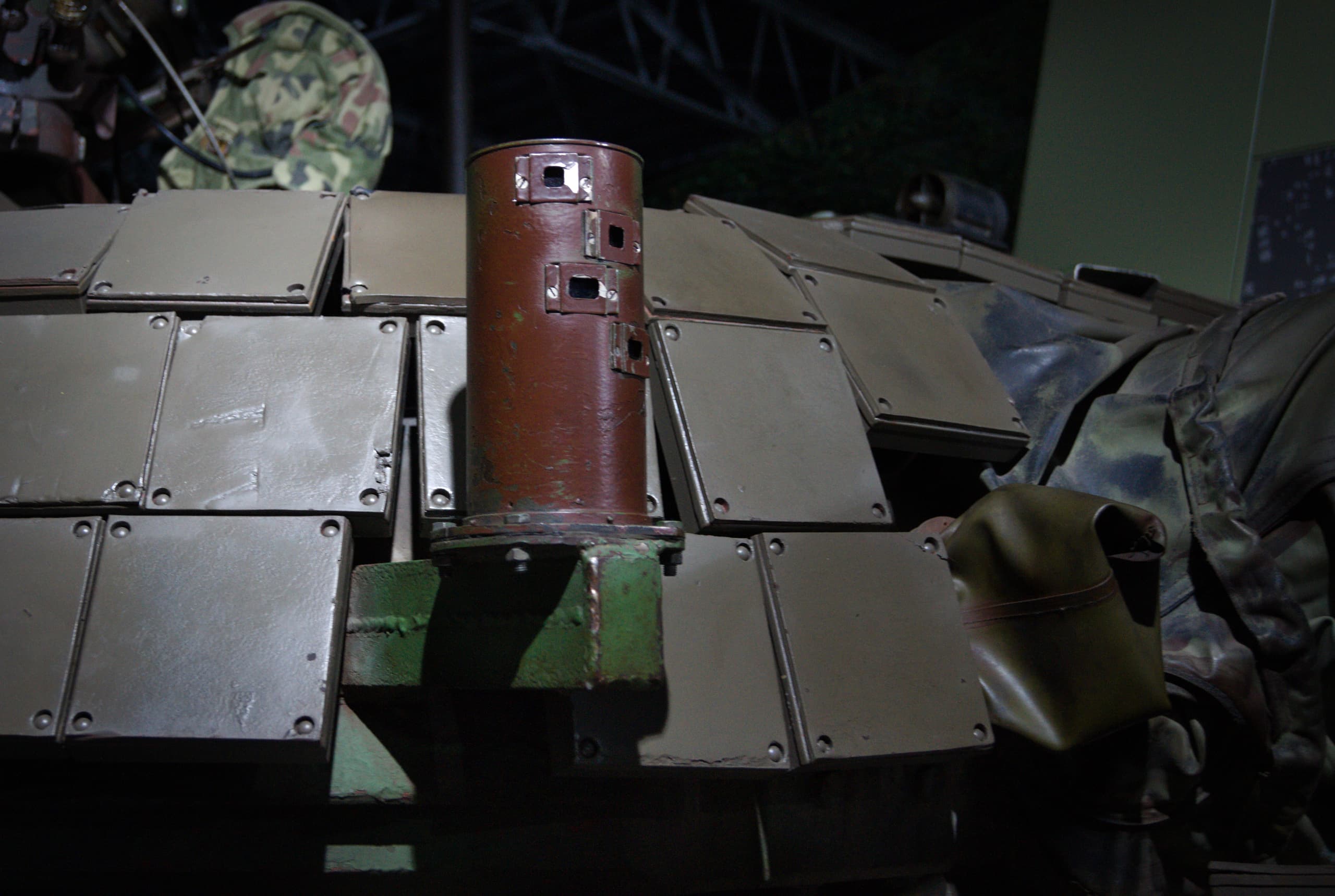
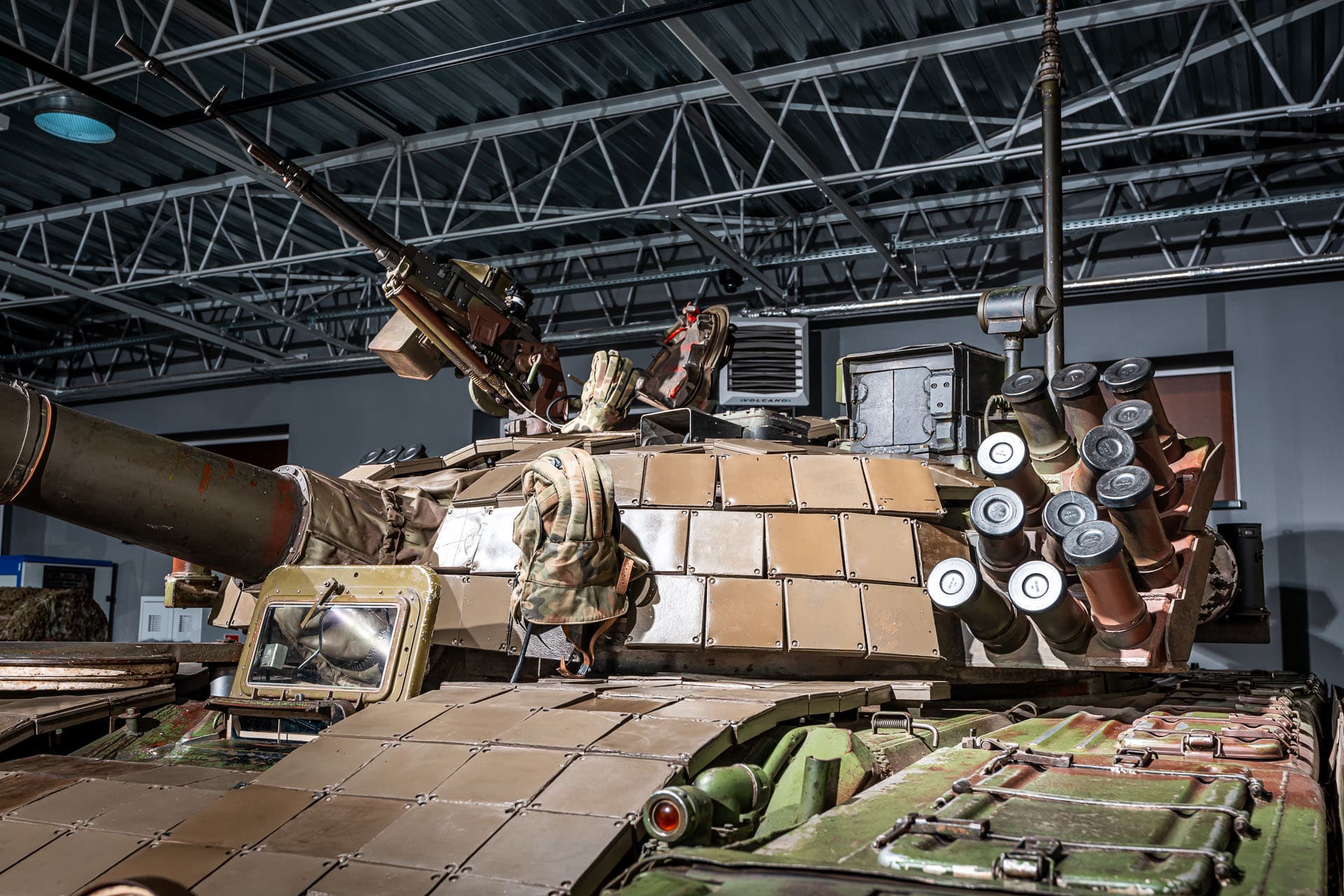
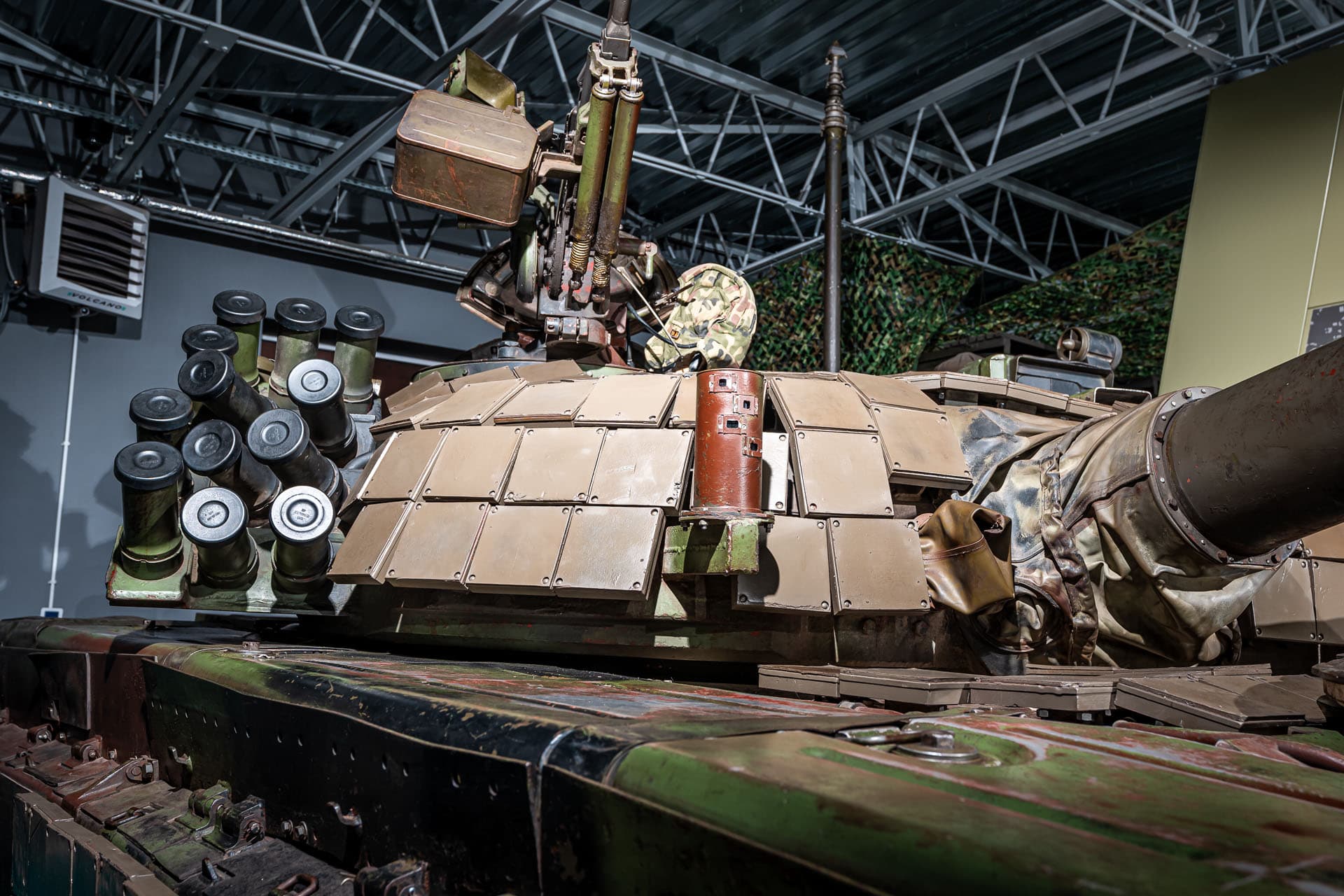
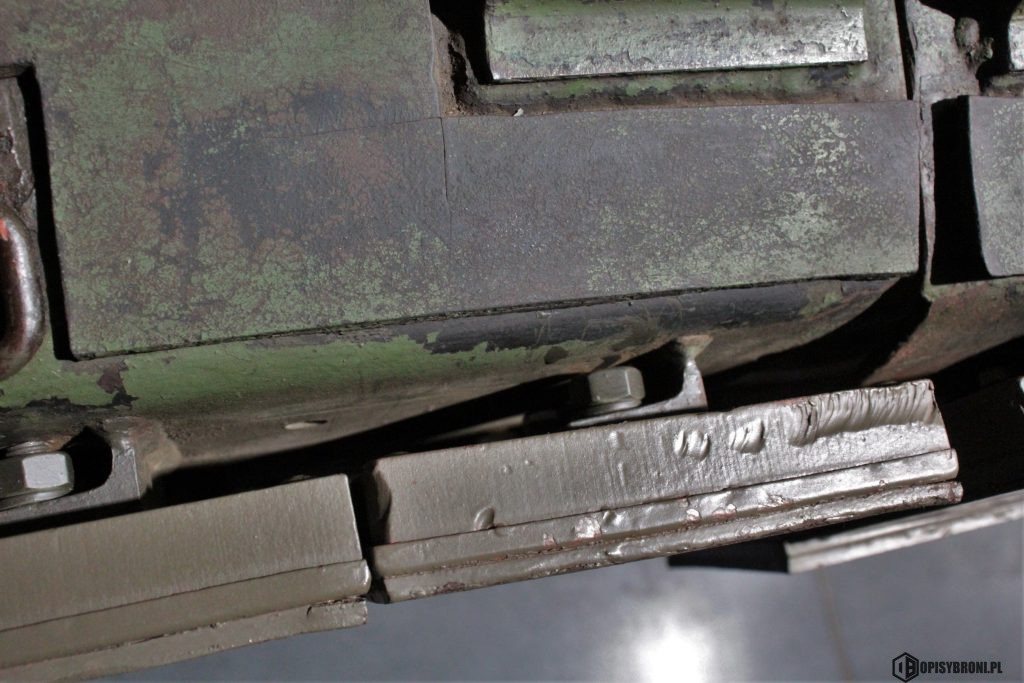
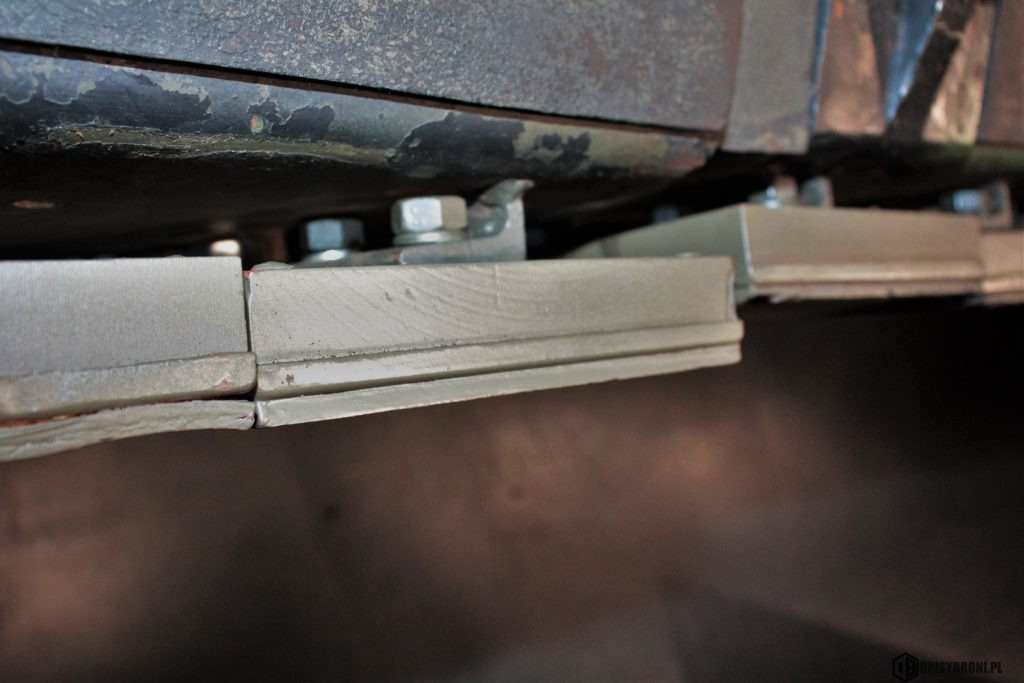
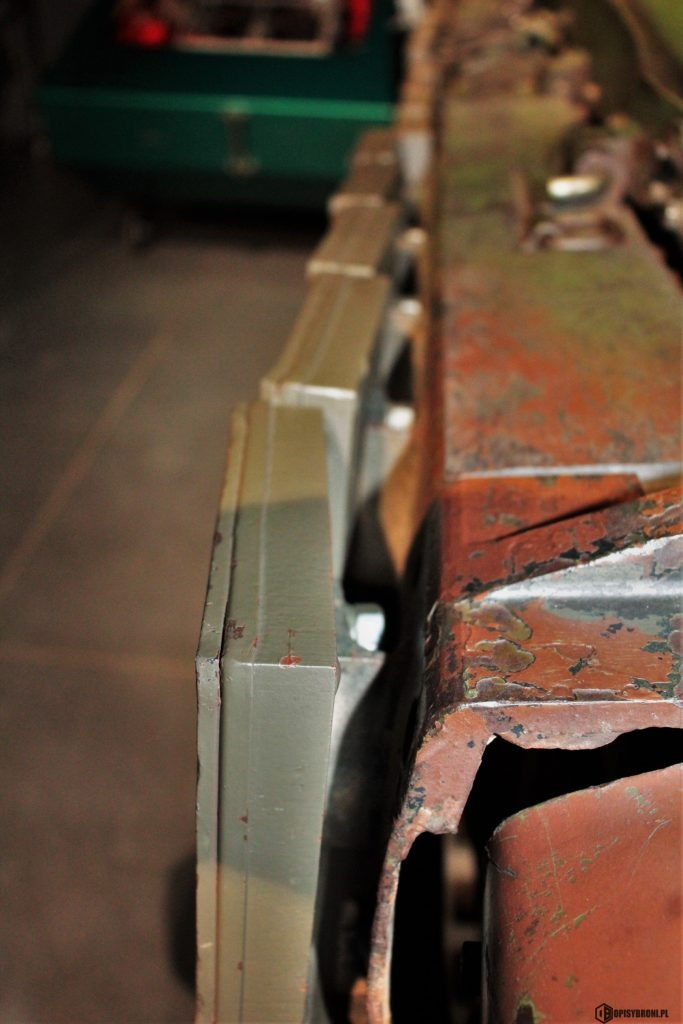
One of the more unusual problems concerned the tank’s ERAWA-1 explosive reactive armour (ERA) cassettes. The museum discovered that the original cassettes were still active and contained their original explosives. This presented a pretty big safety hazard.
The simplest solution would have been to remove the original ERA cassettes and replace them with inert replicas or empty mock-ups. However, this would have resulted in the vehicle losing an important part of its authenticity and historical character. Since the original ERA was still present, the museum instead decided to preserve the original cassettes while making them safe.
This required a costly and technically demanding process to remove and neutralise the explosive material from the ERAWA-1 cassettes. The cassetes went through a process of smelting, where the explosives were smelted out of the cassetes. This allowed the tank to remain as historically authentic as possible without leaving potentially dangerous active explosives on a museum exhibit (we could not possibly risk the poor 2S1 sitting right across to get damaged could we now?).
As a result, a significant amount of effort and funding went into preserving the vehicle in a condition that was both historically accurate and safe for public display.
Summarised Characteristics
Details
- Crew (3)
- Driver, gunner, commander
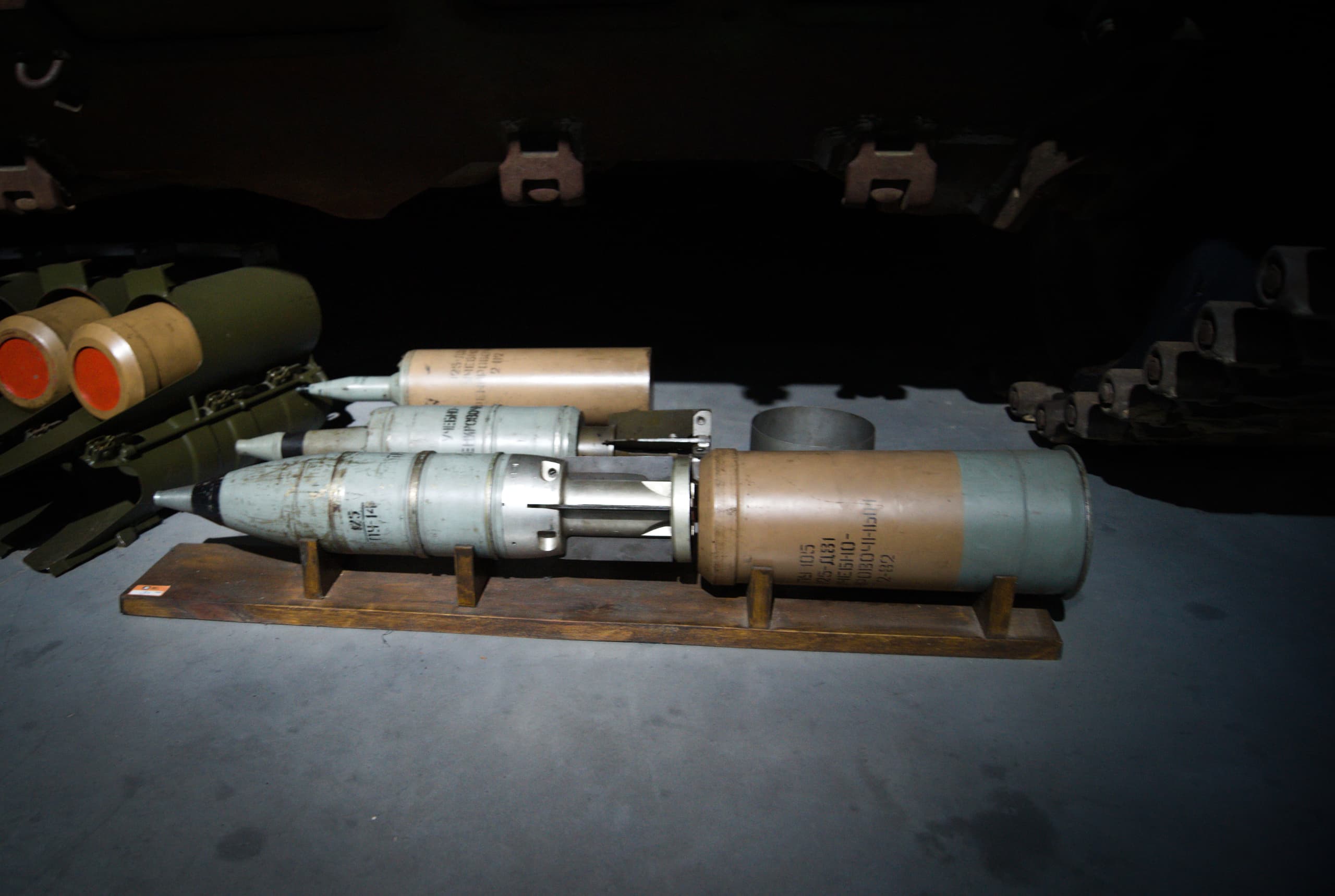
- 125mm 2A46 L/48 Smoothbore Gun
- Ammo:
- 3BM15 APFSDS-T (Primary)
- 3BK18M HEAT-FT
- 3OF26 HE-FRAG
- Elevation: -6/+13°
- Two-plane stabilizer
- Fire rate: 8rds/m
- Gunner sight
- 2nd gen Night Vision
- LWS SSC-1 Obra
- Laser Rangefinder
- 24x 81mm Smoke Grenade Launchers
- ESS
- Entrenching Blade
- Combat weight: 44.2t
- Engine: 850hp PZA-Wola S-12U diesel engine
- Max speed: 60 km/h
Armament
Details
- Primary armament: 125mm 2A46 L/48 Smoothbore Gun (w/ 42rd, 22 in autoloader carousel)
- 3BM15 APFSDS-T (Primary)
- 3BK18M HEAT-FT
- 3OF26 HE-FRAG
- Depression/Elevation: -6/+13 degrees
- Two plane stabaliser
- Coaxial machine gun: 7.62mm PKT GPMG (2000 rounds)
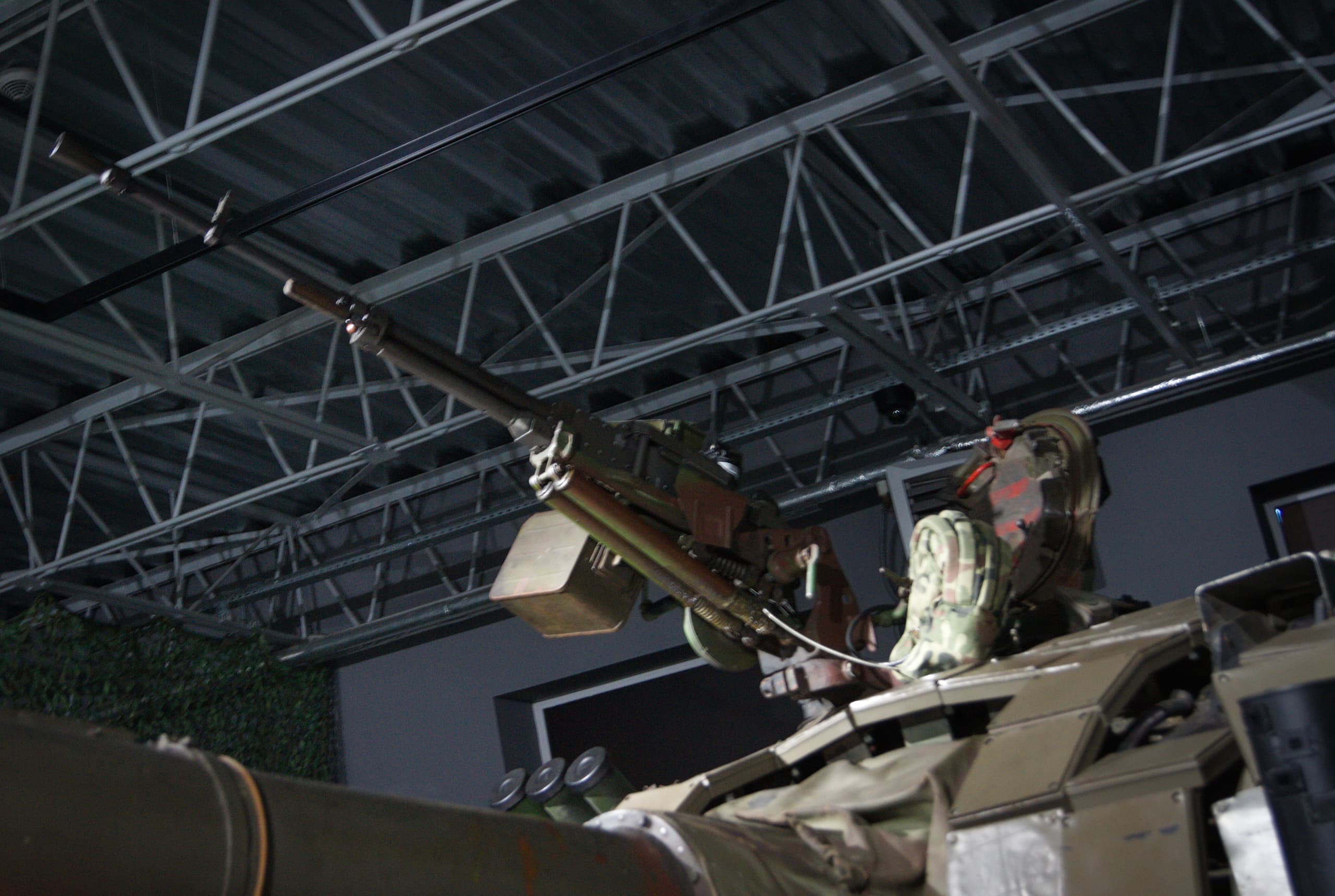
- Anti-aircraft machine gun: 12.7mm NWS (300 rounds)
Mobility
Details
- Engine: S-12U diesel engine (850 HP)
- Transmission: LH & RH Epicylic gears, 7-forward, 1-reverse gear
- Chassis: Torsion Bar Suspension
- Max Speed: 60Km/h
- Weight: 44200Kg
Armour
Details
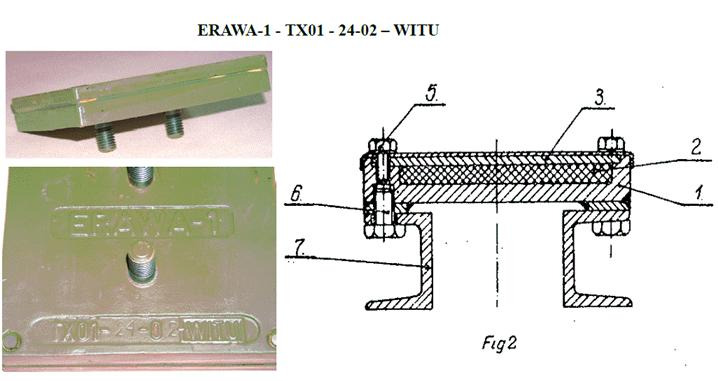
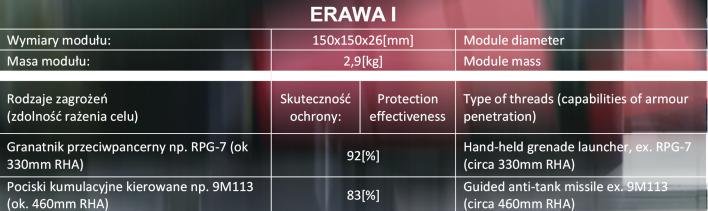
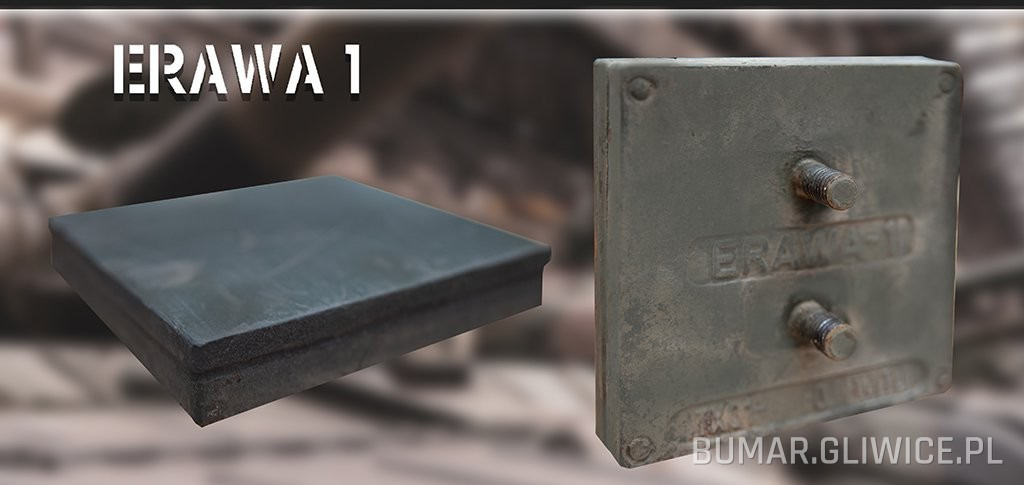
One of the main goals of the Wilk program was to increase its armour, this was done through the addition of additional ERA called the ERAWA. The origins of the ERAWA can be to traced back to the 1980s when Wojskowy Instytut Techniczny Uzbrojenia (WITU for short) under the lead of Prof. Ph.D Wisniewsik got to work on creating additional armour for the T-72M1. One of the products developed from the program was the ERAWA-1 ( Explosive Reactive Armor Wisniewski Adam 1).
The first cassete of the ERAWA family was the ERAWA-1, it is built from a RHA cassette whit HE insert (TNT or TNT-hexogen) covered by circa 6mm HHS plate whit 500HB hardness. The whole cassette is mounted by two screws to the brackets wedled onto the tank, while som may consider this a primitive design it is rather effecective.
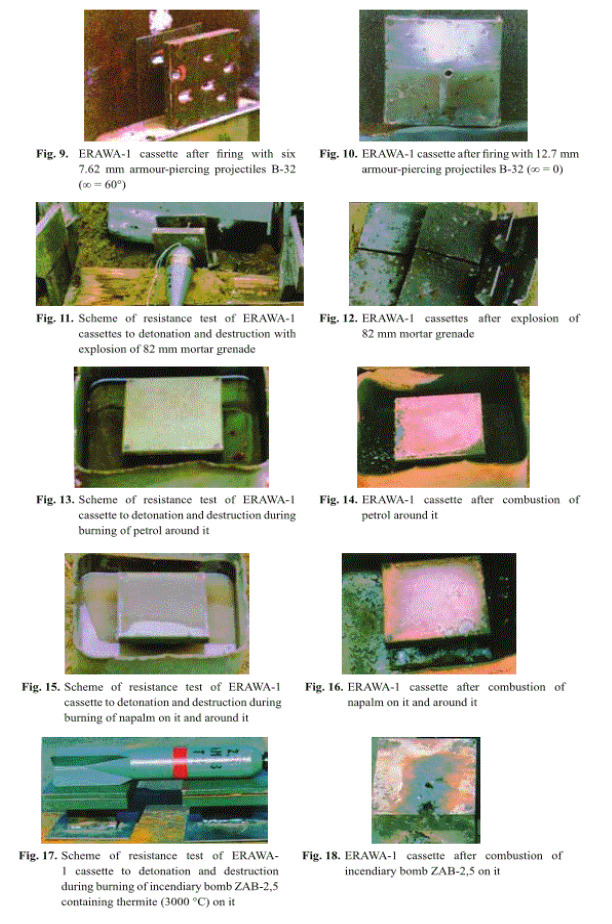
Diagram showing the inside of the ERAWA-1 cassete.To ensure safety and effectivenes the cassetes were made to be insensitive to react to damage of: AP small callibre ammunition, fragments from artillery ammuniton, and the burning of napalm.

Optics, electronics, other
Details
- Drawa-M FCS
- TPD-K1/M
- 2nd Generation Night vision
- Magnification: 8×
- Field of view: 8°9′
- Distance measurement range: 300–7000 m
- Distance measurement accuracy: ±10 m
- Measurement frequency: every 6 seconds
- Line-of-sight stabilization range: −15° to +25°
- Line-of-sight stabilization accuracy: 0.5 mil
Laser warning system: SSC-1 Obra Laser warning system
- Detection angular range in vertical plane: -6°/+20°
- Detection angular range in horizontal plane: 360°
- Range of detected radiation: 0.6 μm – 11 μm.
24x 81mm Smoke Grenade Launchers
LRF
ESS
Entrenching Tool
Length: 6.86m (9.53m w/ gun)
Width: 3.59m
Height: 2.19m



Sources
General Sources
https://opisybroni.pl/t-72m2d-wilk/
https://muzeumbronipancernej.pl/eksponaty/t-72m2d-wilk/
Od T-72M2D „Wilk” do PT-91 „Twardy” » Kresy - wiadomości, wydarzenia, aktualności, newsy
https://bumar.gliwice.pl/storage/files/March2021/Oys7Us1QXaqFd3IBNdWv.pdf