- Yes - In the Tech Tree.
- Yes - Event/BP.
- Yes - Premium.
- No - I would not like to see the Kiwi Fairey Gordon in game.
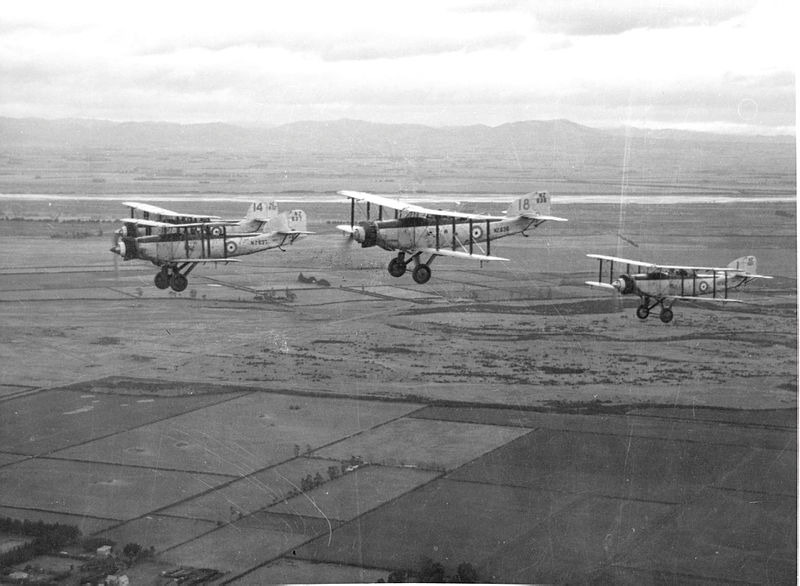
NZ632, 637, 636, 601 flying in formation over Canterbury, (1940)
Description:
With the build up of tensions around the world in 1939, the New Zealand government decided that their current airfleet of Vickers Vildebeests and Blackburn Baffins did not have enough mass, as they not only served as a coastal patrol force, but also an advanced aircrew trainer, limiting the amount that could patrol at any given time.
As numbers of these aircraft that could be supplied from the UK was limited, the NZ government decided to purchase further aircraft of a similar capability, albeit a different model. This would be in part the Fairey Gordon Mk.I, purchased directly from RAF stock. Other aircraft purchased in this lot would be a number of Vickers Vincents.
These aircraft, which were obsolete in RAF service by 1937, were slow, poorly armed, and worn from their prior service, however, this presented a good opportunity for the RNZAF, who believed that the type’s retirement presented an opportunity to acquire cheap airframes, but not at the cost of capability, as instead of being a bomber first then a training aircraft, like the Vincents/Vildebeests and Baffins, the Gordon would be an advanced trainer first and bomber second, mostly due to it’s lacking performance compared to the other types, it was short ranged compared to the Vildebeest, and carried a poor bomb load compared to the Baffin.
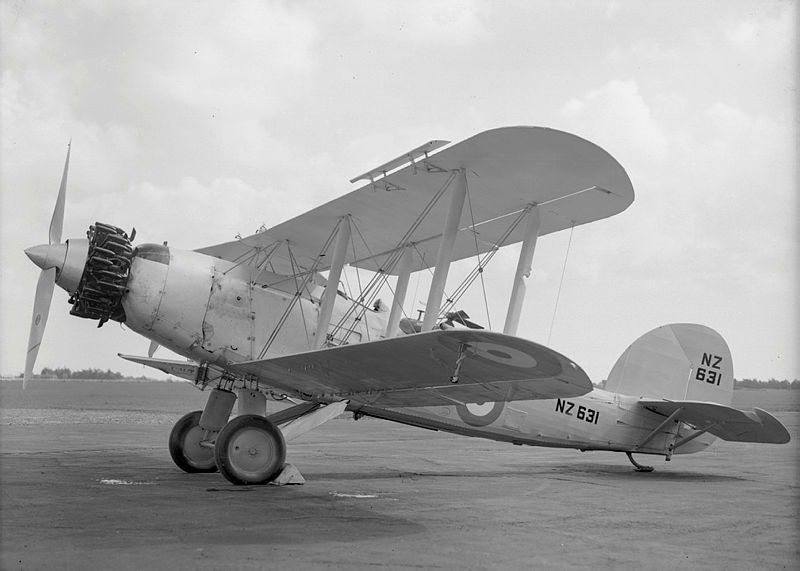
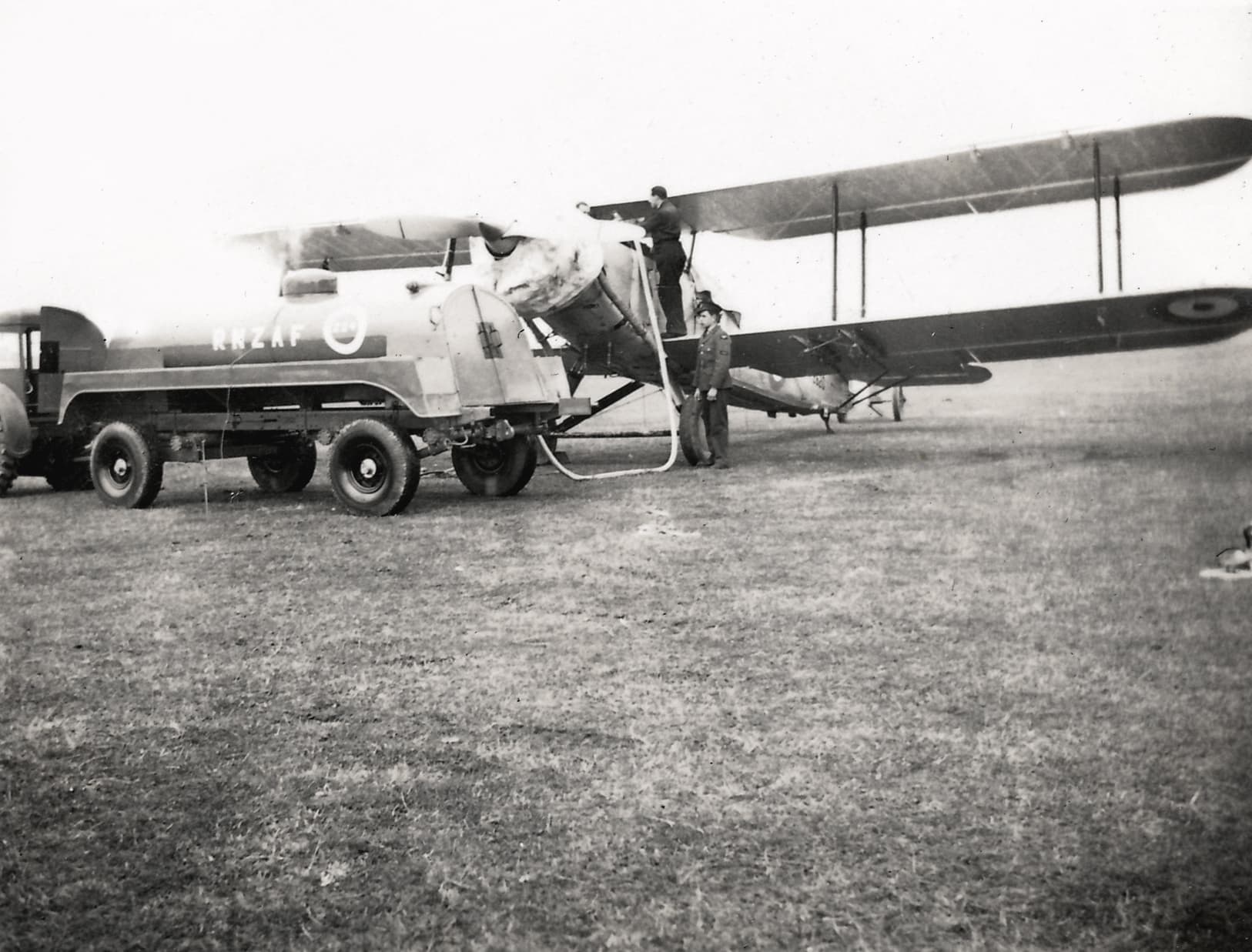
NZ631 at RNZAF Station Ohakea, (1940)
History:
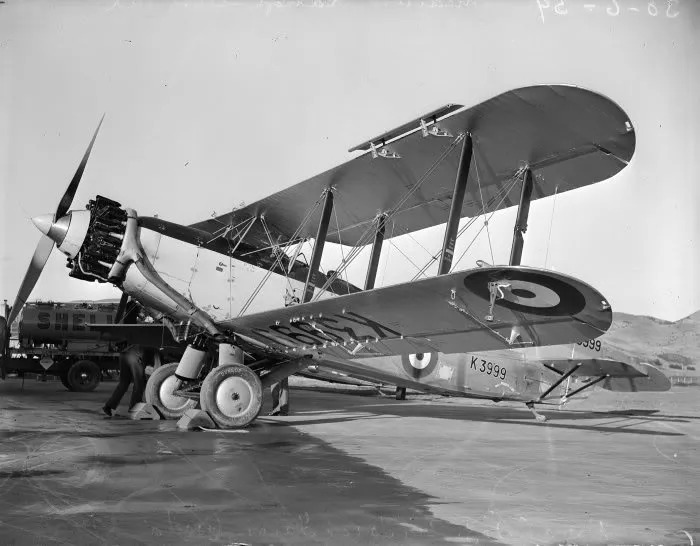
The RNZAF would purchase 49 Fairey Gordon airframes from RAF stock in April 1939, all of which were built between 1931 and 1934, eight these were conversions from Fairey Mk.IIIFs into Gordon Mk.Is, and 15 were a training variant, the Gordon Mk.II. In their RAF service they served in the middle east, serving in Sudan, and Egypt. These aircraft upon delivery to the RNZAF in September/October 1939 would bear signs of their service, including a scorpion inside one of the delivery crates.
As these were ex-RAF aircraft, they would operate with their RAF serials instead of proper RNZAF serials for some time before being renumbered. They would eventually carry the serial NZ601-641. One airframe would be constructed from spare parts, this being NZ641. NZ626, 634, and 639-40 never flew with the RNZAF due to their poor condition upon arrival from Egypt.
All airframes would be shipped directly from the Middle East through 1939, all stowed in crates aboard the SS Huntingdon. The first airframes would arrive in Auckland on the 4th of June 1939, and the final ones in October the same year, the aircraft bound for service outside of Auckland would still be trucked to RNZAF station Hobsonville in Auckland, but would be flown across the country by ferry pilots.
Those aircraft which had been converted into drogue towing aircraft in their service with the RAF would remain as drogue towing aircraft, but could rapidly be converted to the ‘standard’ bomber loadout with rear gunner and bomb racks, if the need arose. There were five of these aircraft, with the RNZAF converting a further two during the war for a total of seven.
In RNZAF service they would be split between two airfields, RNZAF station Hobsonville and Wigram, in Auckland and Christchurch respectively. Those at Wigram would be assigned to Flight Training School No.1 (No.1 FTS), and those at Hobsonville would become apart of Flight Training School No.2 (No.2 FTS). As they were primarily advanced trainers rather than patrol aircraft, most of their use was naturally on gunnery, bombing, and night flying. On a number of occasions they would serve as patrol aircraft, however this was limited as further shipments of Baffins and Vildebeests/Vincents arrived.
They would serve alongside the Airspeed Oxford and Dh.60 Moth aircraft, which were the multi-engined trainer and basic trainer respectively, they would also serve alongside a number of requisitioned civilian aircraft, which were used for VIP transport and communications. A number of airframes would be moved to the No.1 and 2 Service Flight Training School (No.1 & 2 SFTS) by early 1940
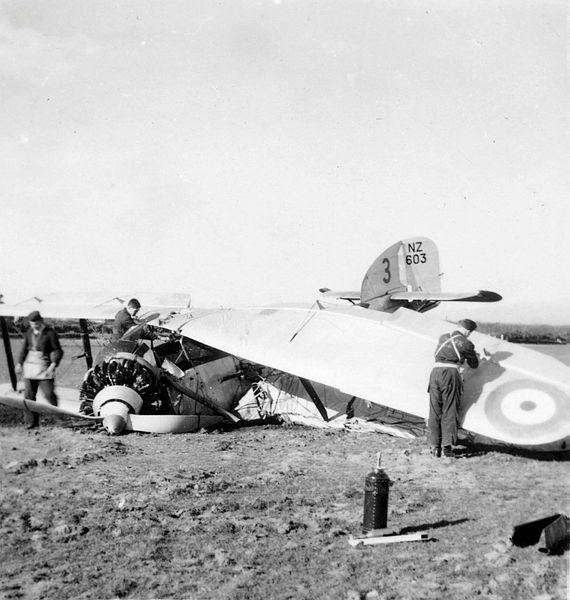
K4002 (later NZ612) at RNZAF Station Wigram after crashing into a ditch (1939)
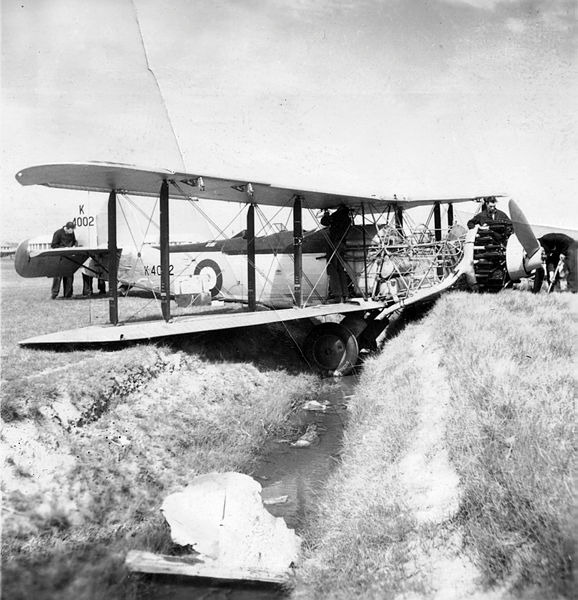
By mid 1941 they were suffering a large amount of losses, mostly due to their age and wear resulting in crashes and collisions. NZ616 alone would crash into a fence in January 1940, collide with an Oxford in August, be struck by Gordon NZ605 in January 1941, and finally collide with Gordons NZ616 and 631, writing off all three in early 1942.
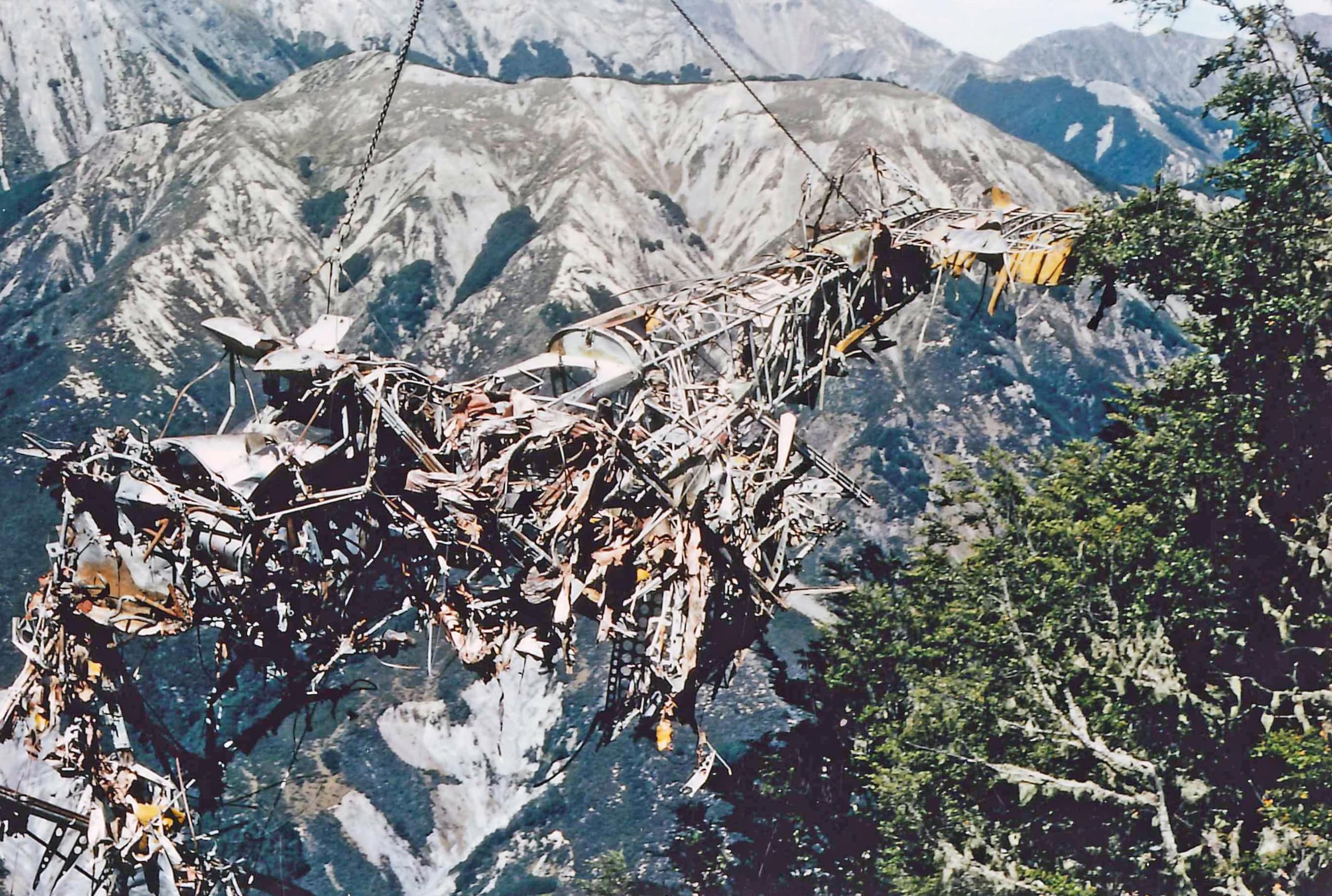
NZ617 would crash into the sea, with both pilot and observer killed. Most likely due to engine failure. NZ629 entered a spin in thick cloud over the Southern Alps @ 15,000ft on the 12th of April 1940, the aircraft did not recover before landing in thick tree tops, both pilot and observer did not bail, but did survive with minor injuries. NZ632 crashed on the 11th of December 1940, diving into the ground and catching fire while on a low level cross country flight, both pilot and observer died in this crash.
In recognition of these problems, a large batch of North American Harvards were ordered to replace them in mid 1941, these were numbered NZ901-NZ1102. These aircraft would replace the Gordon in the No.1 and No.2 FTS upon their delivery in July 1941, and all airframes would move to the No.1&2 SFTS by February 1942. They would however remain on training duties, and would remain flying.
With further deliveries of the Harvard to the RNZAF by early 1943, the Gordon was completely obsolete in all roles, and all airframes would be placed into storage and broken up for either scrap or parts by April 1943.
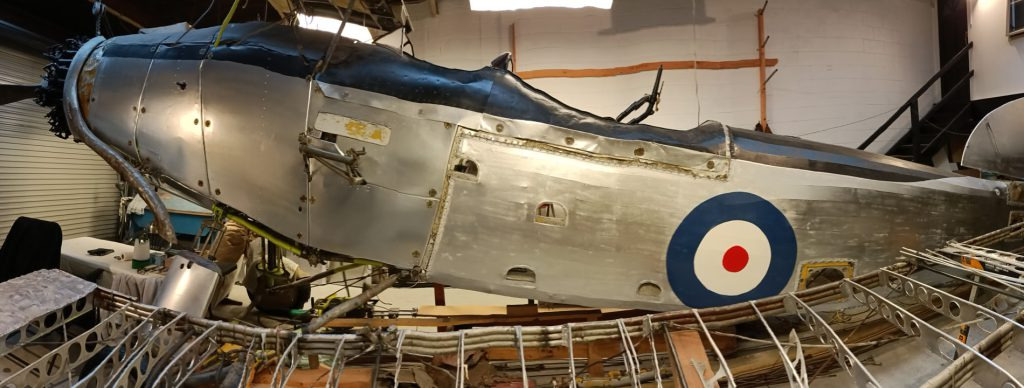
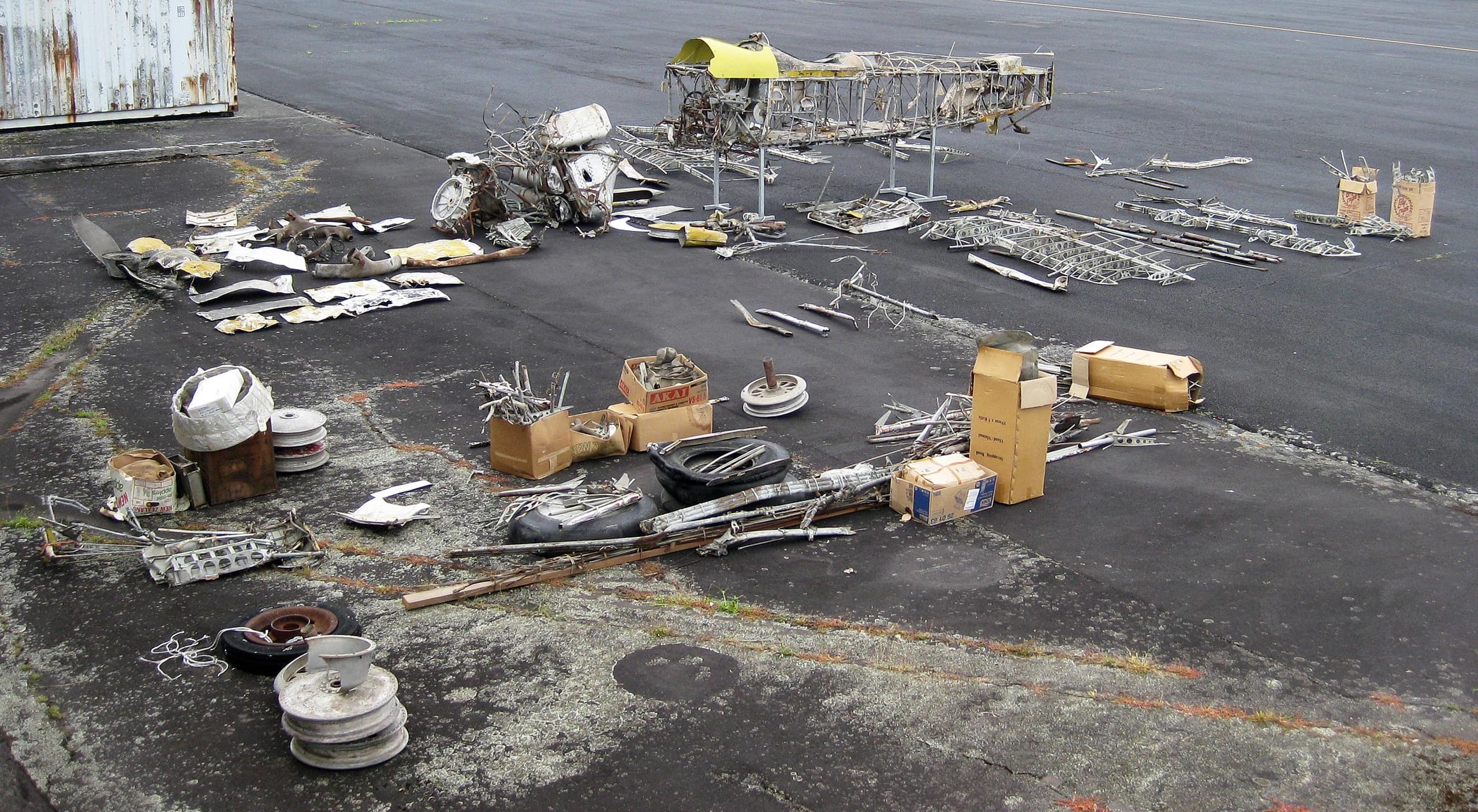
NZ629, the aircraft which crashed over the Southern Alps, would be recovered in 1976 as a partial wreck, as the guns, engine, and instruments had been removed by the RNZAF recovery teams in 1940. This aircraft is currently under restoration under private hands, however is for sale as of 2023.
| Dimensions: | ||||||
|---|---|---|---|---|---|---|
| ----------------------------------------------------------------------------------------------------------------------------------------- | ||||||
| Length: 26ft 9in (11.2m) | ||||||
| Height: 14ft 2in (4.3m) | ||||||
| Wing Span: 45ft 9in (13.9m) | ||||||
| Wing Area: 438sqft (40.7sqm) | ||||||
| Weight (Dry): 3,500lb (1,588kg) | ||||||
| Weight (Gross): 5,906lb (2,679kg) | ||||||
| Crew: 2, one pilot one observer | ||||||
| ----------------------------------------------------------------------------------------------------------------------------------------- | ||||||
| Engine Performance: | ||||||
| Engine: 1x Armstrong Siddeley Panther IIA @ 525hp (391kW) | ||||||
| Prop: wooden, 2-blade, fixed pitch | ||||||
| ----------------------------------------------------------------------------------------------------------------------------------------- | ||||||
| Aerial Performance: | ||||||
| Initial Climb Rate (clean): 16.6ft/s (5.1m/s) | ||||||
| Maximum Speed: 145mph (233kph) | ||||||
| Cruise Speed: 110mph (180kph) | ||||||
| Range (clean): 600mi (970km) | ||||||
| Ceiling: 22,000ft (6,700m) | ||||||
| Wing Loading: 13.5lb/sqft (66kg/sqm) | ||||||
| ----------------------------------------------------------------------------------------------------------------------------------------- | ||||||
| Armament: | ||||||
| Guns: 1x1 .303 Vickers forward, mounted externally, 1x1 .303 Lewis in rear observer position | ||||||
| Underwing stores: 2x 116lb bombs per wing, total 500lb |
The sole surviving Gordon, NZ629, under restoration in private hands (2023)
Extra Photos:
Sources:
H.A Taylor, (1974) Fairey Aircraft since 1915 (pp.217-221)
Fairey Gordon - Wikipedia
http://www.nzdf-serials.co.nz/nzdf-serials/rnzaf-gordon
https://www.faireygordon.com/
https://www.key.aero/article/revealed-barn-find-restoration-sole-surviving-fairey-gordon