- Yes
- No
History
In 1941, three Tank Special Service Squadrons were formed from various units within the Royal Amoured Corps. The third of these, C Special Service Squadron (Light), having used Tetrarchs during Operation Ironclad (the invasion of Madagascar) was chosen to be reformed into the Airborne Light Tank Squadron in July 1942 and became part of 1st Airborne Division. Their unit strength was set at 138 men and 19 tanks split into a Squadron headquarters of 4 tanks and five Troops of 3 tanks. At the time of conversion they only had 94 men and 7 Tetrarchs and it wasn’t until September that the squadron received the additional 12 required tanks. When 1st Airborne Division was sent to North Africa the Airborne Light Tank Squadron wasn’t ready and instead ended up being transferred to 6th Airborne Division in 1943.
The story of the Tetrarch Mk. I CS begins with the Royal Armoured Corps’ Half-yearly Progress Report from June 30th 1943 which stated: ‘Investigations are being carried out with a view to incorporating 3" How. instead of 2pdr. in a limited number of these A.F.V.s.’
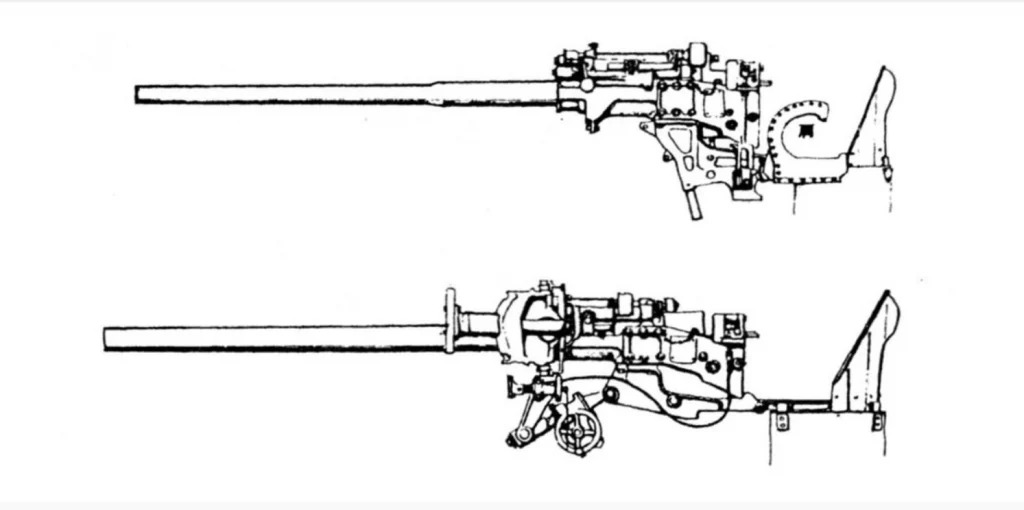
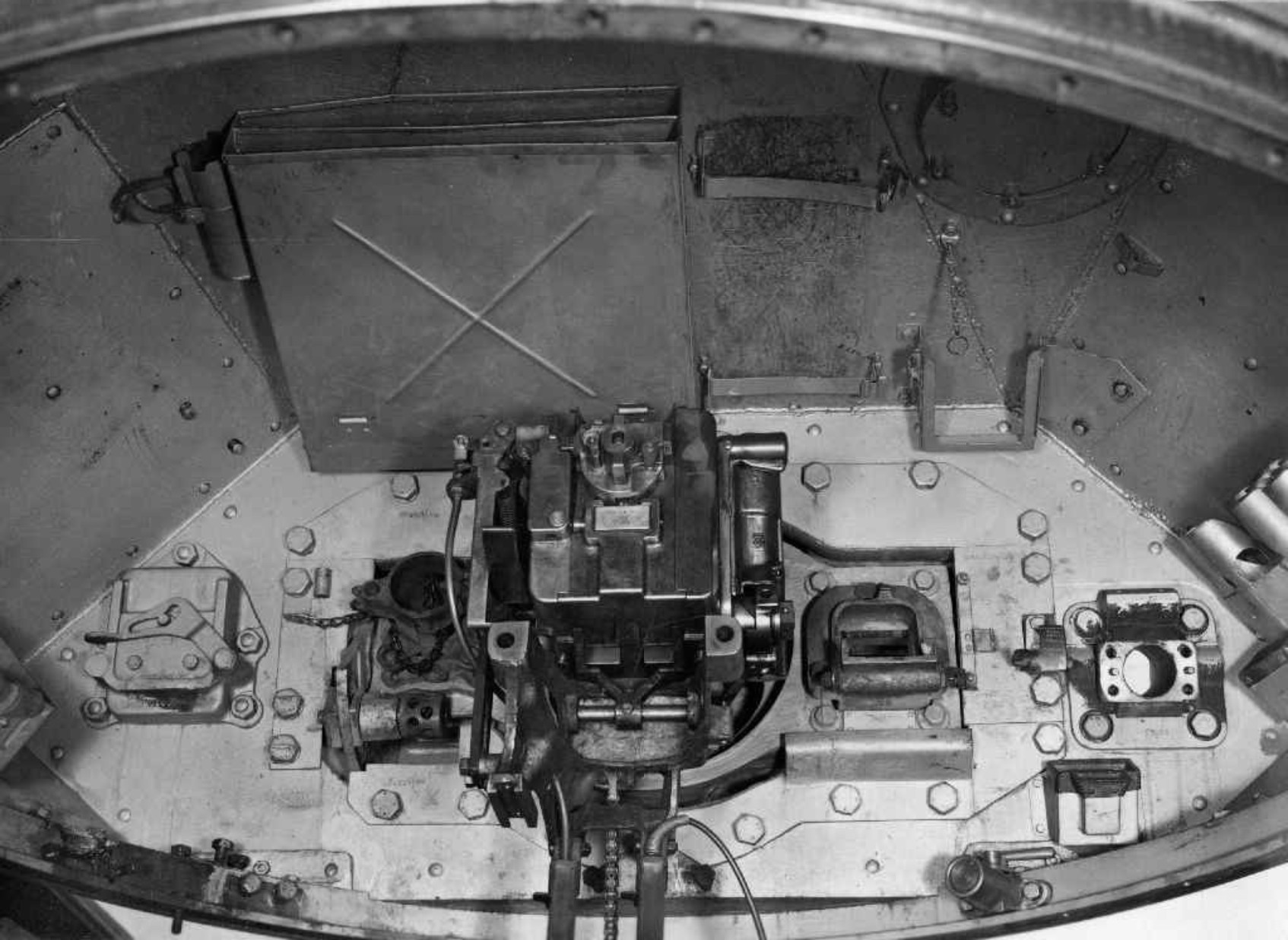
The 3" Howitzer Mk. I had been created with the idea of being interchangeable with the 2pdr as an improvement over the older 3.7" Mortar which needed a different mounting and redesigned mantlet. With both weapons sharing the No.4 Mk. I mounting, the conversion process was relatively straightforward though the ammunition stowage had to be revised.

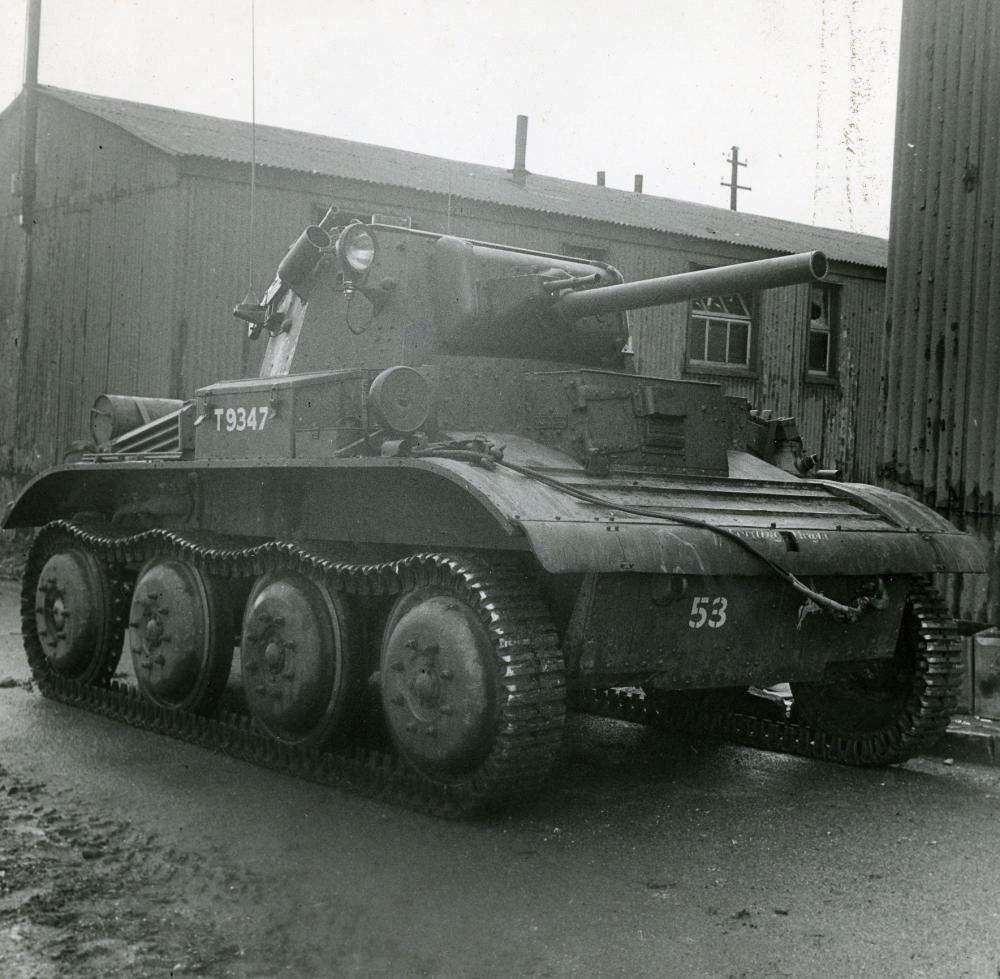
In July of 1943, four tanks were converted over to the 3", these being T9274, T9290, T9347, and T9353(?) with the conversions being carried out by the Squadron themselves with the direct assistance of Vickers. All four were assigned to the Squadron HQ (plus one 2pdr) with the unit’s total number of Tetrarchs now being twenty. Between the 19th-30th of July the Squadron were conducting daily shootings of both 2pdr and 3" at the AFV ranges in Somerset.
Converting some tanks to the 3" would provide the Squadron with a method of laying down immediate HE and smoke capability for support and was the ideal way of overcoming the anemic HE of the 2pdr while still allowing the majority of the tanks to retain their AP capability. This was especially important if the 2pdr tanks would possibly be going into action with Littlejohn adaptors fitted which prevented the firing of HE shells when in use.
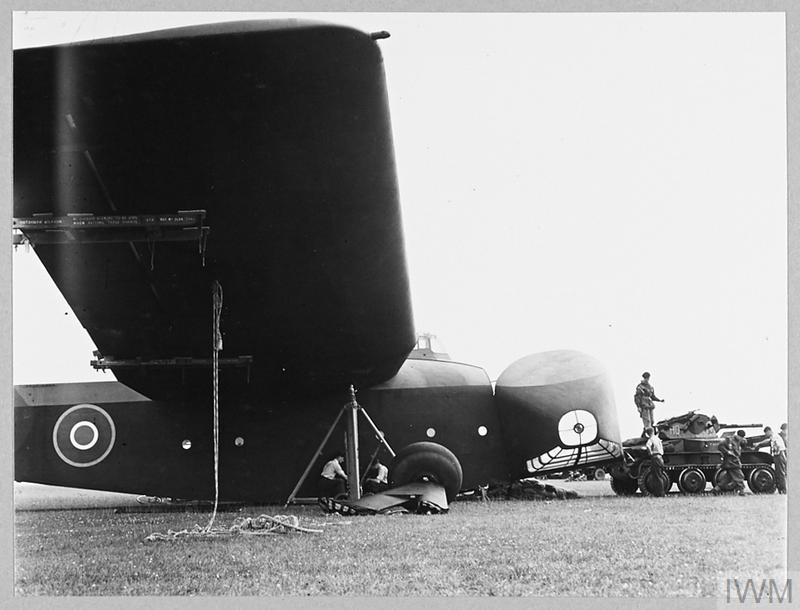
By 5th November 1943 the 2pdr Tetrarchs had been replaced with T9E1s (later known as the M22 Locust) in the Squadron’s tank Troops with the only Tetrarchs still on strength being three CS tanks. The Tetrarchs, including the fourth CS, were retained by the Squadron however due to the need for continued glider training such as the loading/unloading process and the methods of anchoring the tanks within their gliders.
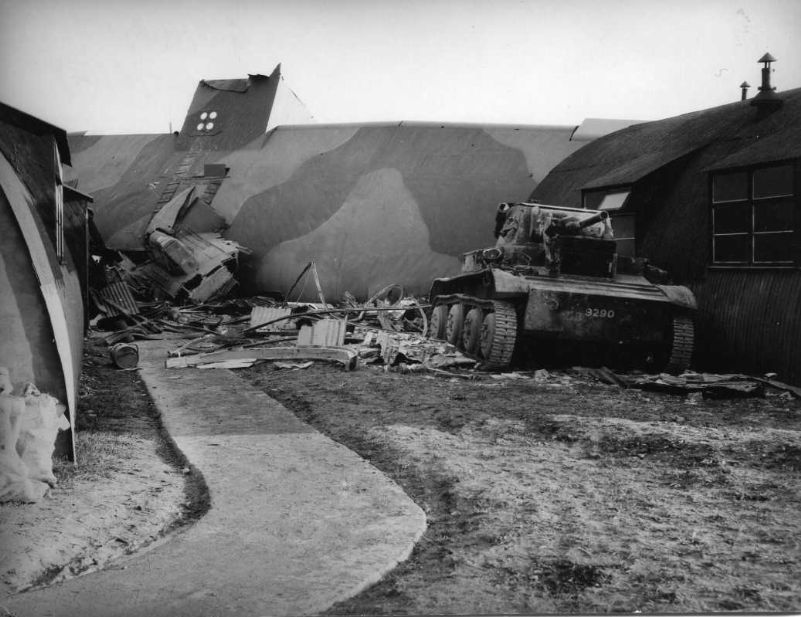
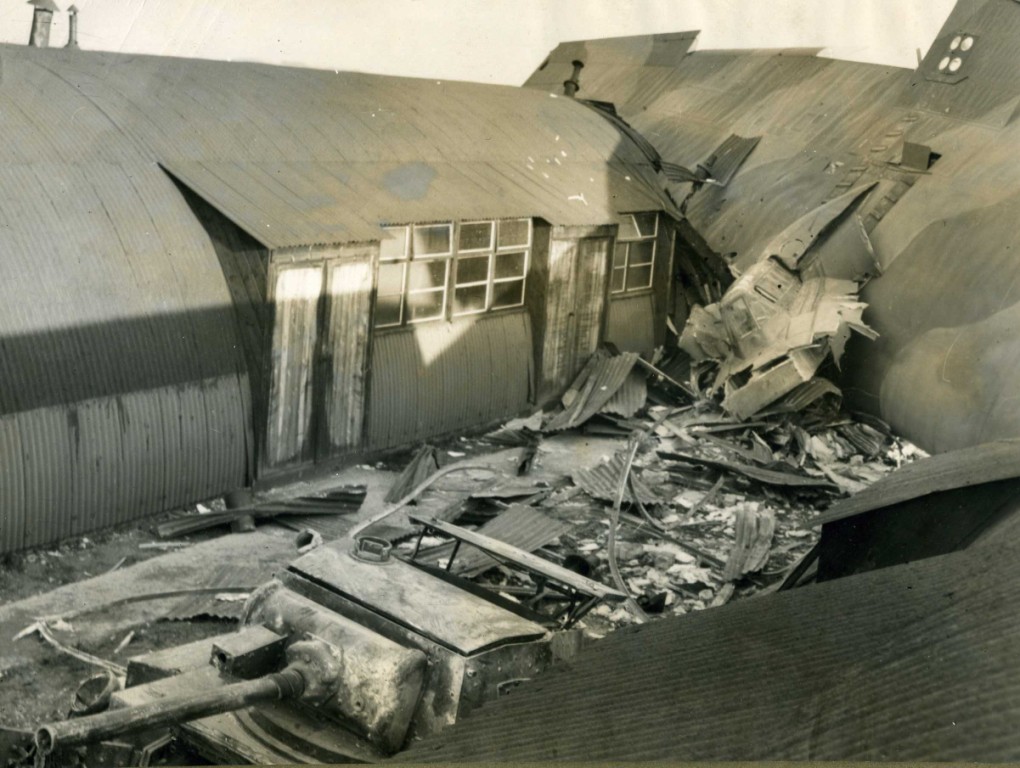
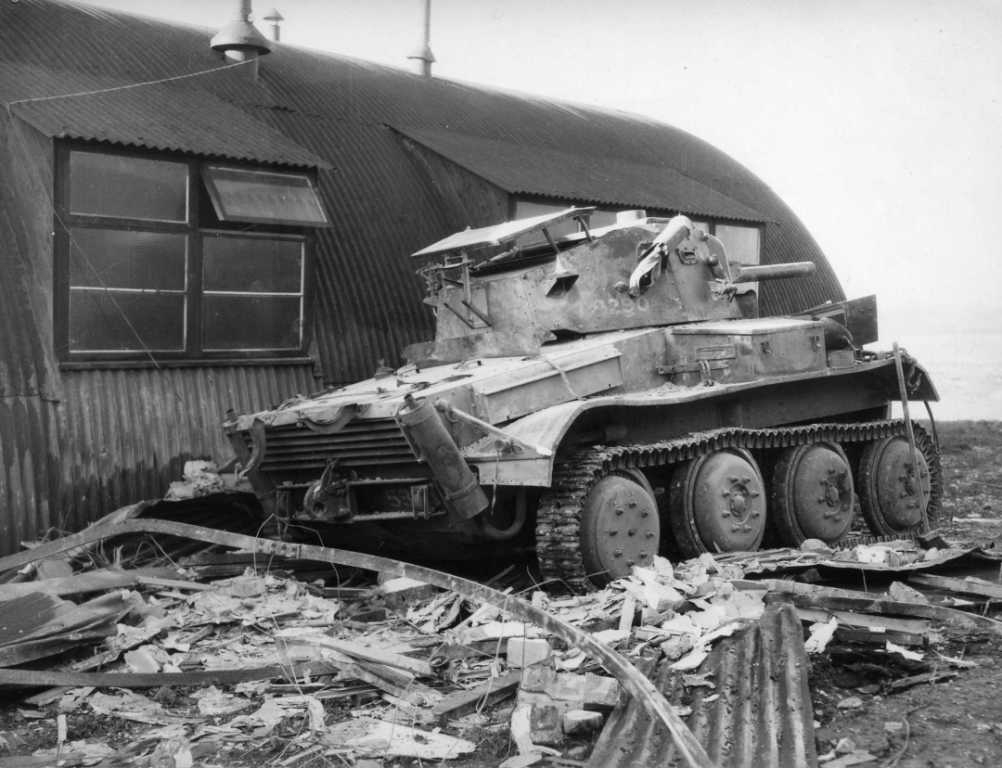
On 14th January 1944 the Squadron started its expansion into becoming a Regiment with it now being known as the 6th Airborne Armoured Reconnaissance Regiment with more gunnery training and demonstrations being carried out. It was on 20th January 1944, during the first major training exercise ‘Manitoba’, that the dangers involved with using gliders to land tanks was put on full display when ten Hamilcars loaded with Tetrarchs were making practice flights from Tarrant Rushton. Hamilcar HH961 overshot its landing zone and struck a Nissen hut. The rough impact, combined with incorrect maintenance of Tetrarch T9290’s Airdraulic suspension cylinders (which created resistence against the downward pressure of the anchorings, holding it in place), caused the tank to break loose and be launched out through the glider’s nose. Miraculously no-one seems to have been seriously injured.
In the end the Locusts had proven to have too many faults (especially with the gearbox), and, despite efforts to rectify as many as possible, they were still too unreliable and the decision was made to revert back to the Tetrarchs. The Regiment’s tanks were now split up as such:
Regimental Headquarters - Two CS tanks
Light Tank Recce Squadron Headquarters - One CS and two 2pdr tanks
Light Tank Recce Squadron - Five Troops of three 2pdr tanks
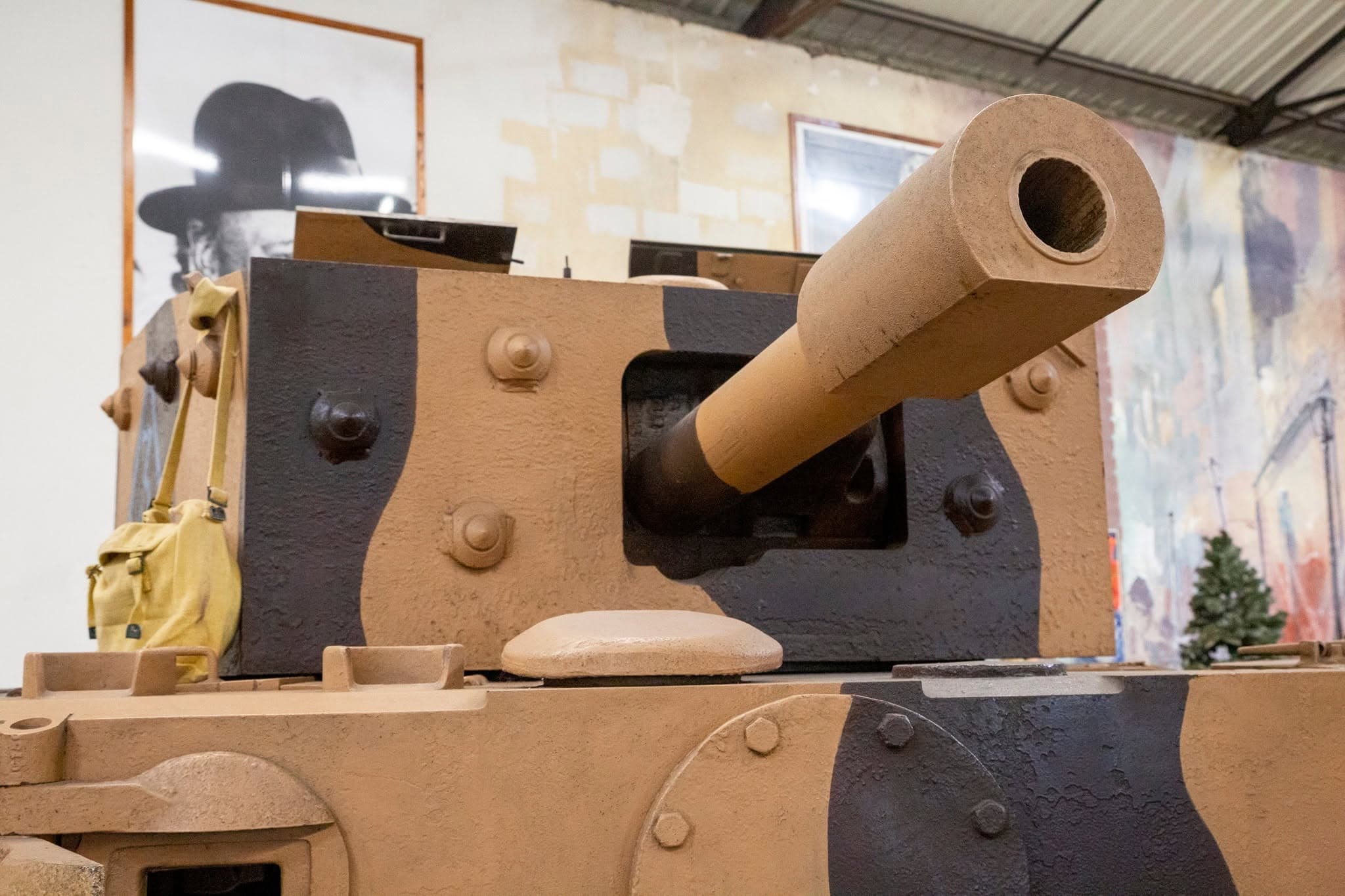
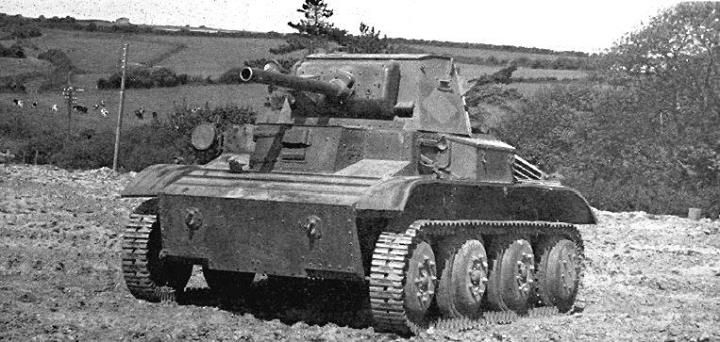
The fourth CS tank, T9274, was retained in the UK and was used for training by the Gunnery Wing of the Armoured Fighting Vehicle School at Lulworth, before being transferred to The Tank Museum in 1949 where it still resides today painted up as ‘RITZ’ and displayed within the frame of a partial Hamilcar fuselage.
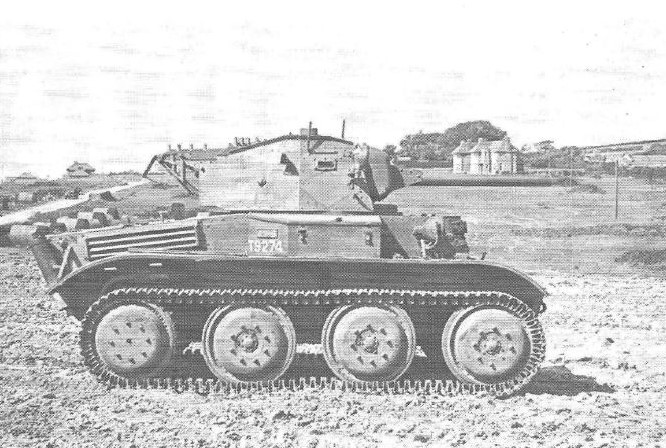
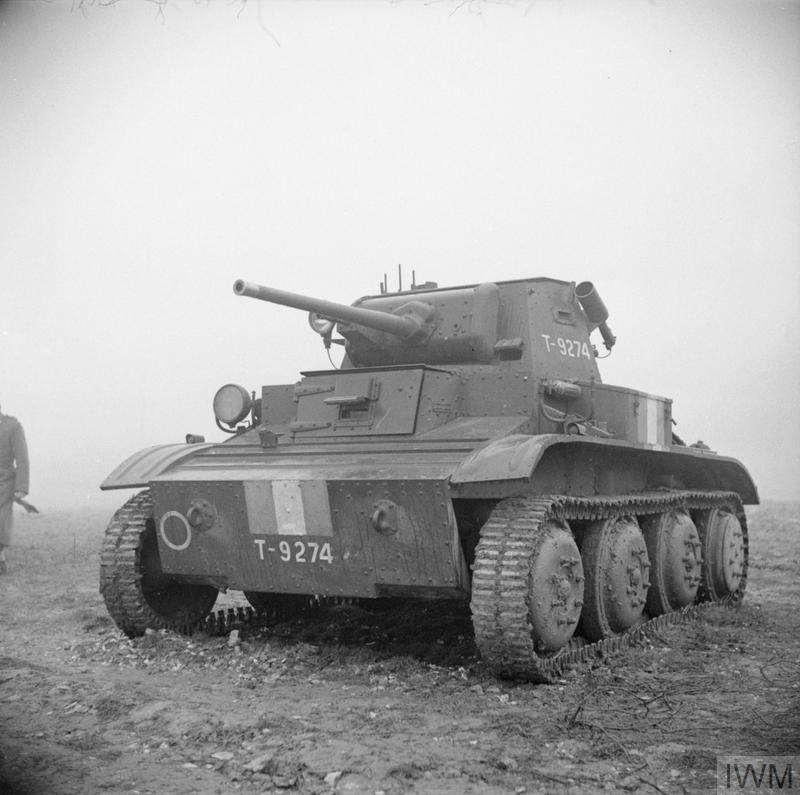
Tetrarch light tank at the Armoured Fighting Vehicle School, Gunnery Wing at Lulworth in Dorset, 25 March 1943. - IWM (H 28340). T9274 prior to its conversion. As it already belonged to the AFV School it’s likely this one was also converted so that they could retain a sample of their own.

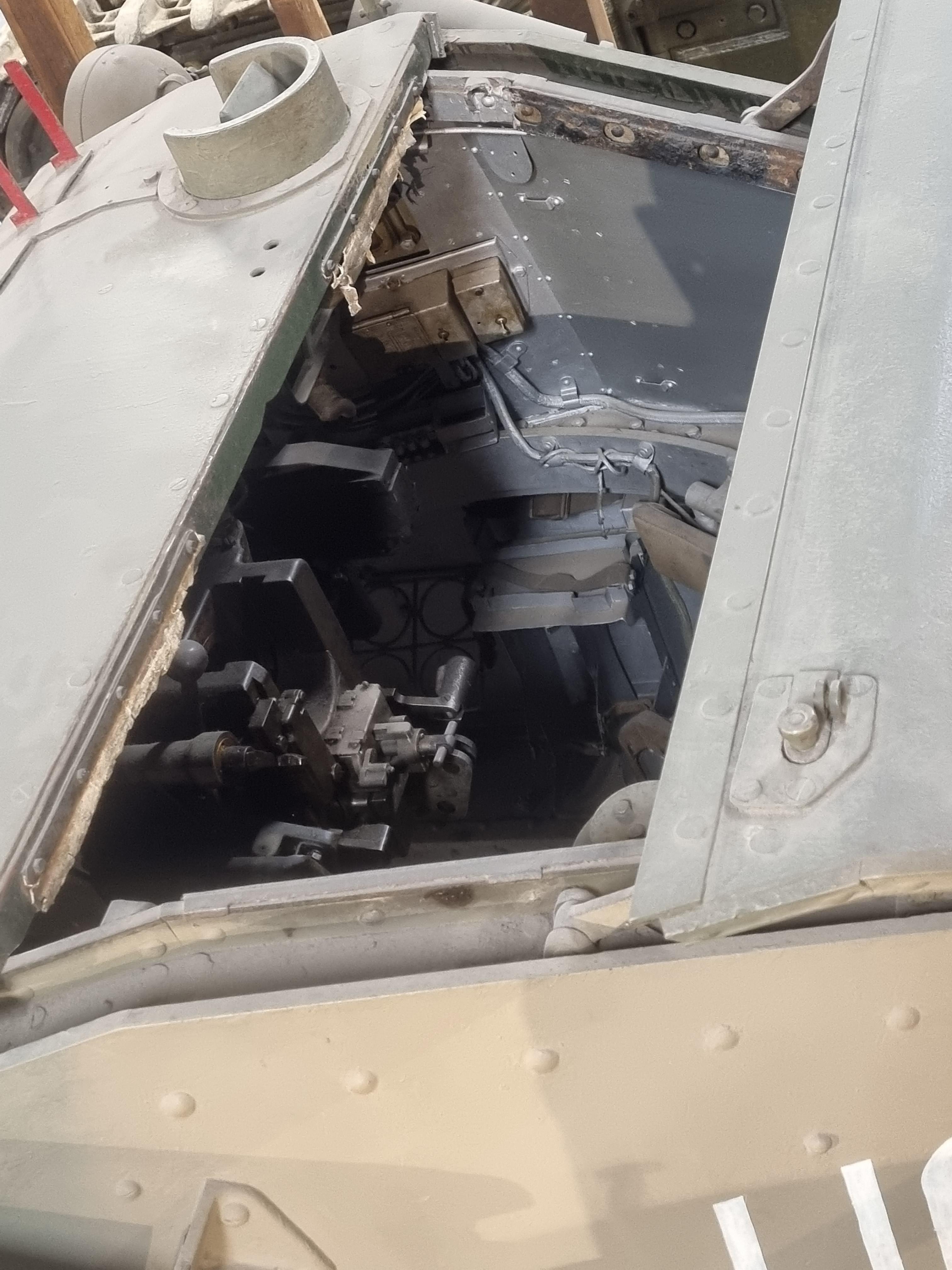
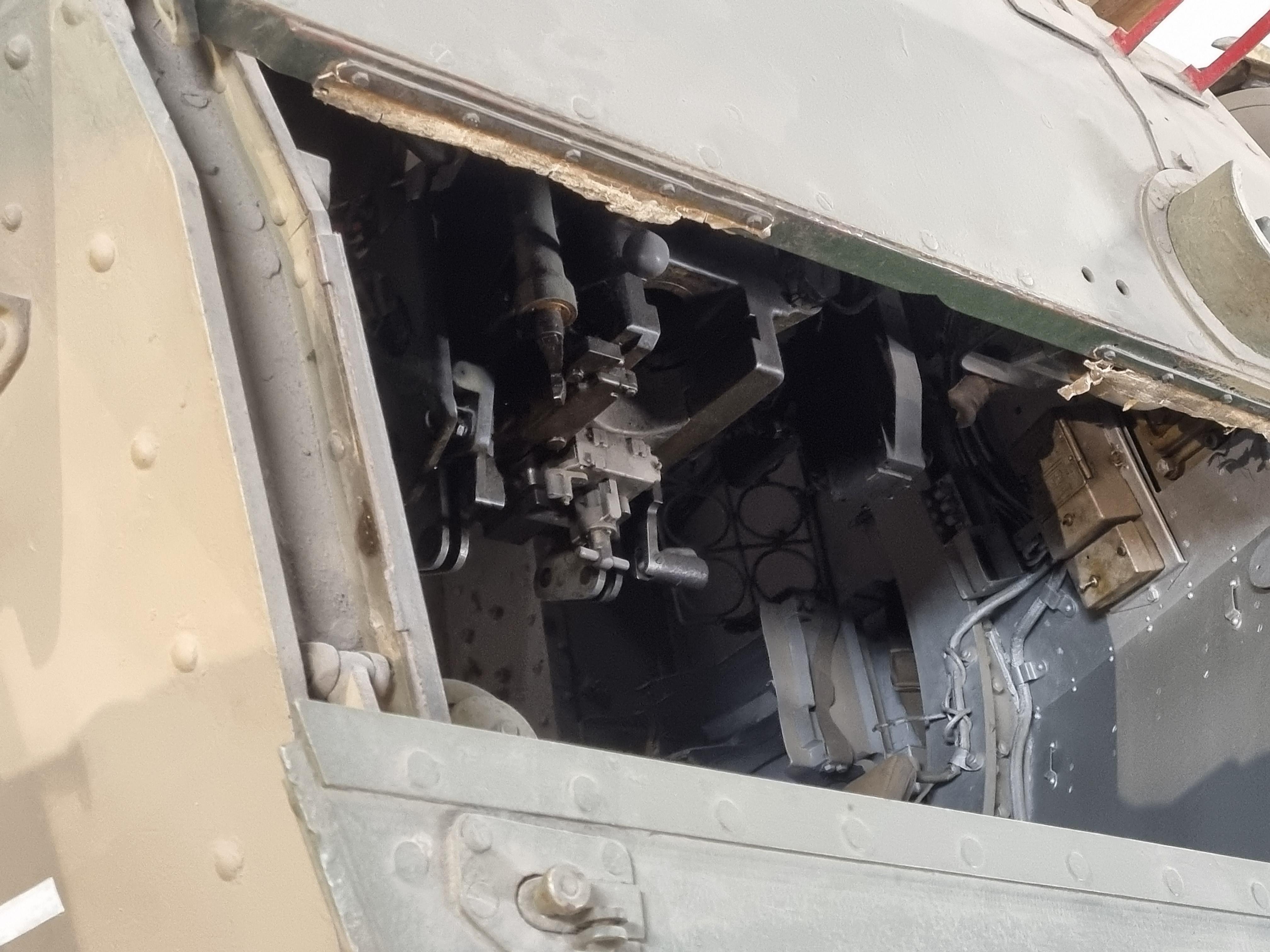
The CS tanks did engage in the fighting in Normandy and in early August, while the Troops’ tanks were being replaced with Cromwells, they were among the few Tetrarchs retained in the HQs up to late August when they returned to England.
The Regiment saw action again in the Ardennes in late December and after returning to England once more in late February, they were once again equipped with an airborne contingent consisting of 17 Locusts and 3 CS Tetrarchs. However, on March 9th information was passed down that only 8 airborne tanks would be used in Operation Varsity with all of these being Locusts.
Following Varsity, the Locust remained the Regiment’s standard airborne tank but the 3 CS Tetrarchs were still retained for their separate tactical capability just as when they’d been alongside their 2pdr brethren.
In-game
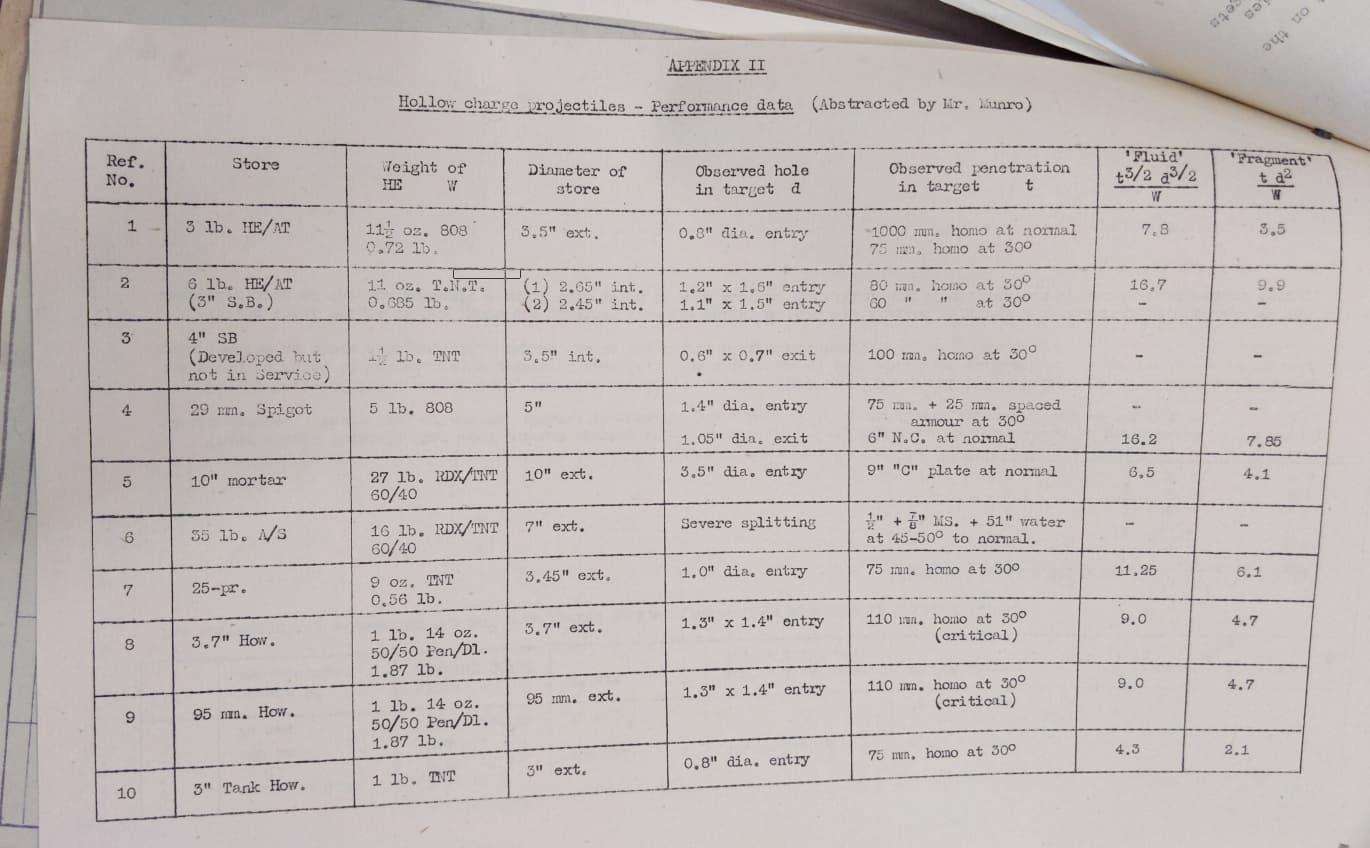
In order for the Mk. I CS to be viable in-game, a semi-ahistorical HEAT shell (no evidence of it being issued) would need to be made available for it. Documentation shows that one was designed and tested, achieving similar penetration figures to the 2pdr.
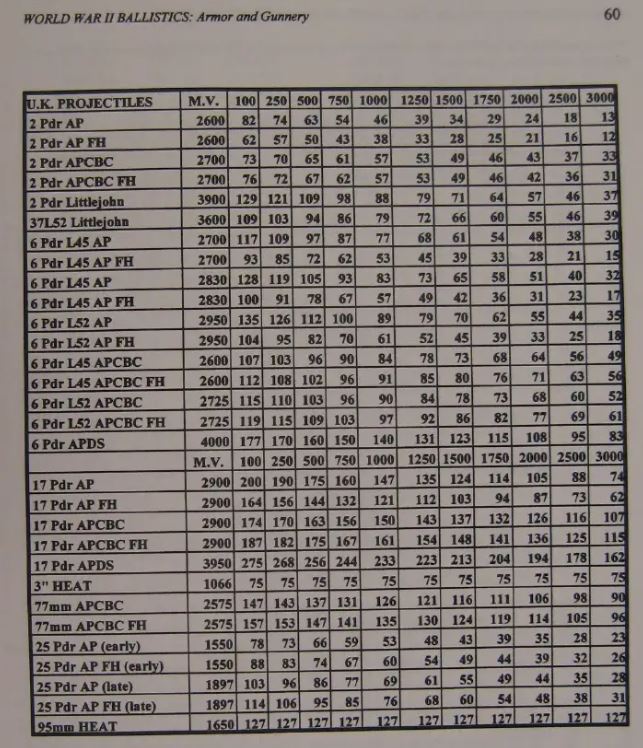
As this document shows, it used 1lb. (453.6g) of TNT and was capable of penetrating 75mm of armour at 30° from normal. At 0° it would be capable of penetrating roughly 87mm of armour. In ‘WWII Ballistics: Armor and Gunnery’ by Lorrin Rexford Bird and Robert D. Livingston, a muzzle velocity of 1066 ft/sec (325 m/sec) is given which is about what I’d expect based on the HE shell’s velocity and when comparing it to the velocities of the QF 95mm HE and HEAT shells.
It could be placed at a BR of 1.3-.7, foldered with the Daimler AC. While its HEAT would suffer from the usual problems of the shell type, it would have better ranged damage capability than the standard Tetrarch and its HE shell could be useful against lightly armoured and open-topped vehicles.
Specifications
Crew - 3
Weight - 7.6t
Engine - Meadows MAT H12 petrol (167hp)
Max speed - 41mph
Armament
QF 3-inch Tank Howitzer Mk. I - Ammo: 30-40 (guesstimate)
1x Besa 7.92mm MG - Ammo: 2025
2 x 4-inch No. 2 Smoke Discharger - Ammo: 8 (2 loaded in dischargers, 6 stowed inside tank)
Max elevation/depression - +25/-15
Ammunition
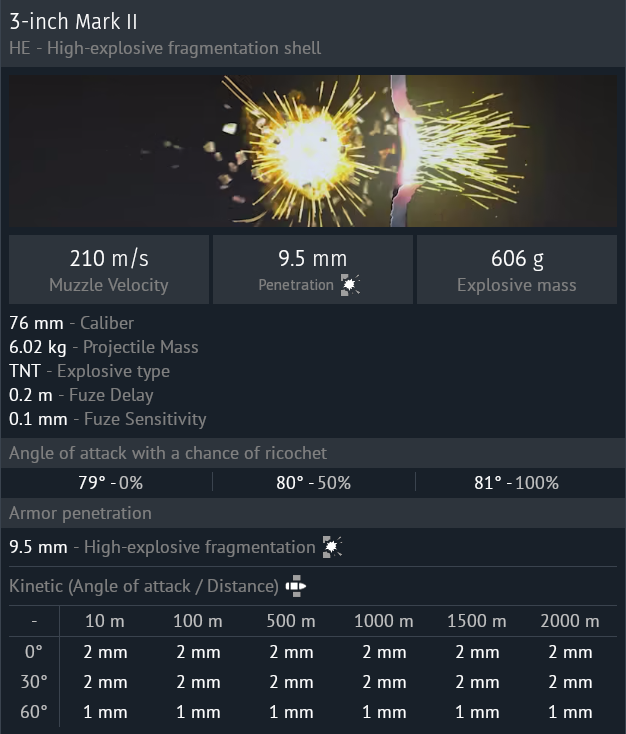
3-inch Mk. II - High Explosive - 689 ft/sec (210 m/sec)
Shell SE Mk. I - Smoke - 689 ft/sec (210 m/sec)
HEAT - 1066 ft/sec (325 m/sec)
I don’t know the designation of this currently but it’s likely similar to that of the 95mm H.E./A.T. Mk. I.
Armour
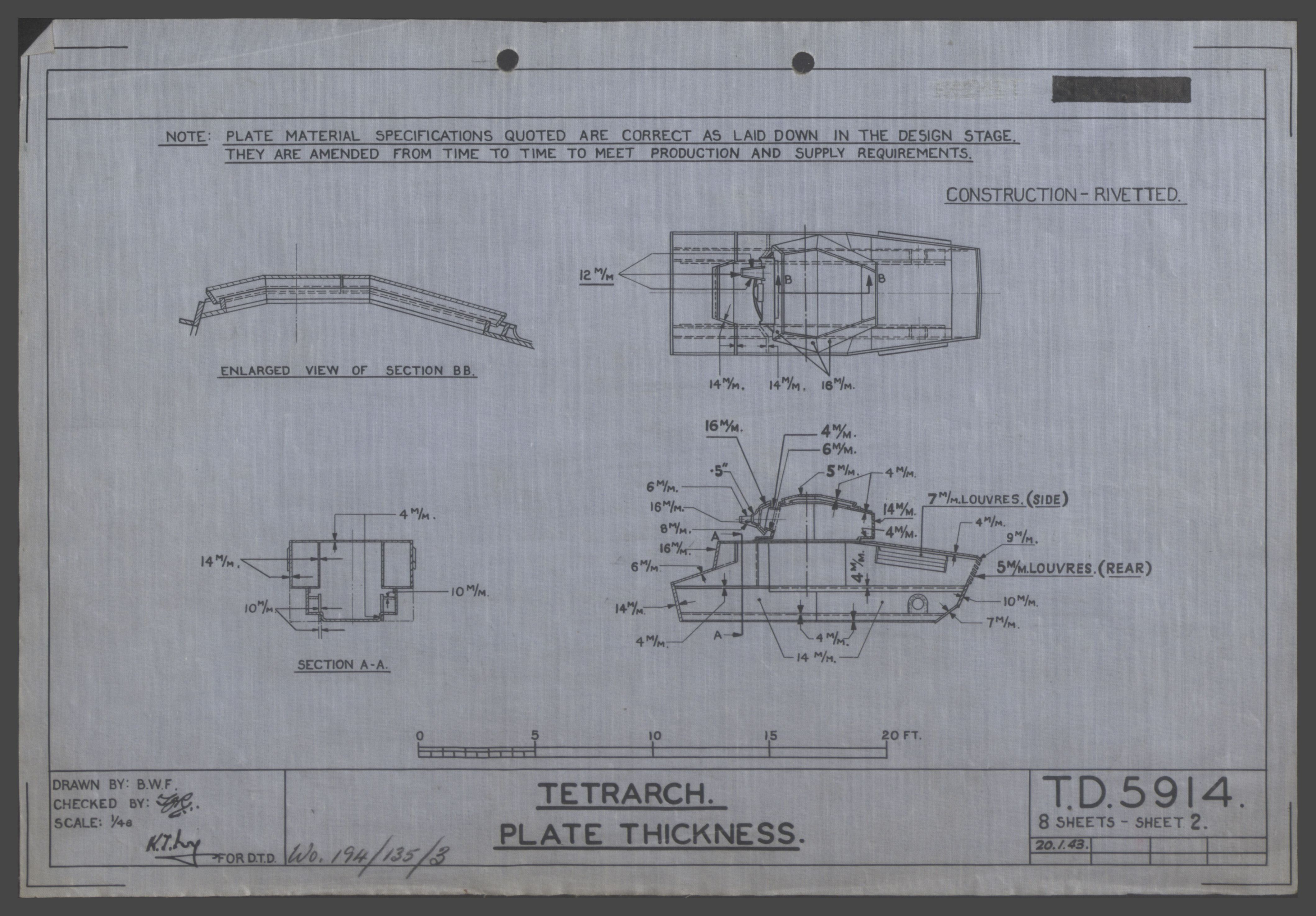
Upper Glacis - 6mm
Lower Glacis - 14mm
Driver’s Hood Front - 16mm
Driver’s Hood Sides - 14mm
Upper Hull - 14mm
Hull Sides - 14mm / Louvres 7mm
Hull Rear - Upper 10mm / Lower 7mm / Louvres 5mm
Hull Roof - 4mm
Engine Deck - 4mm
Mantlet - 16mm
Internal Mantlet - 14mm
Turret Front - 16mm
Turret Sides - 16mm
Turret Rear - 14mm
Turret Roof - Front 5mm / Rear 4mm
Images
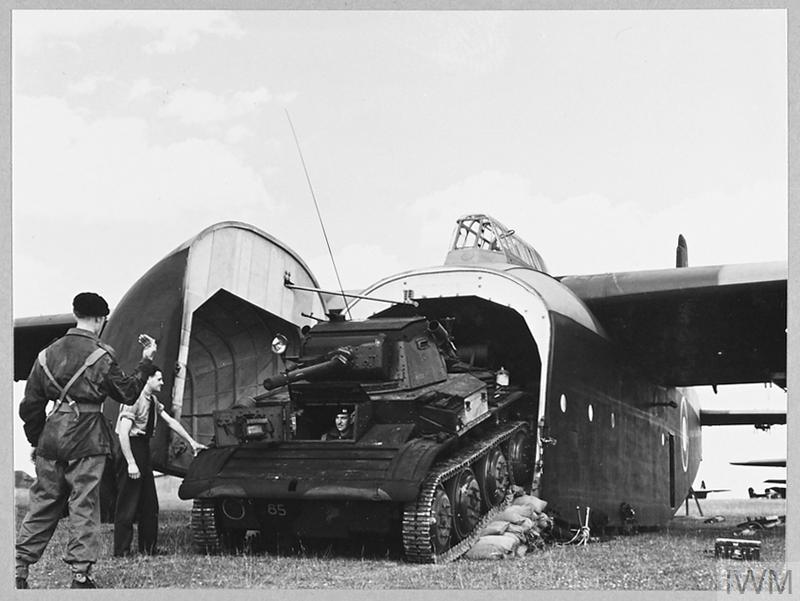
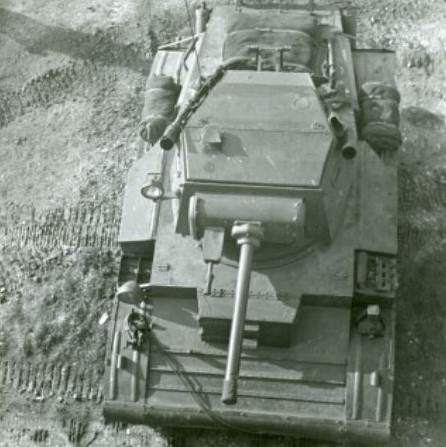
‘RITZ’ of HQ taking part in a training exercise. - IWM (CH 13380)
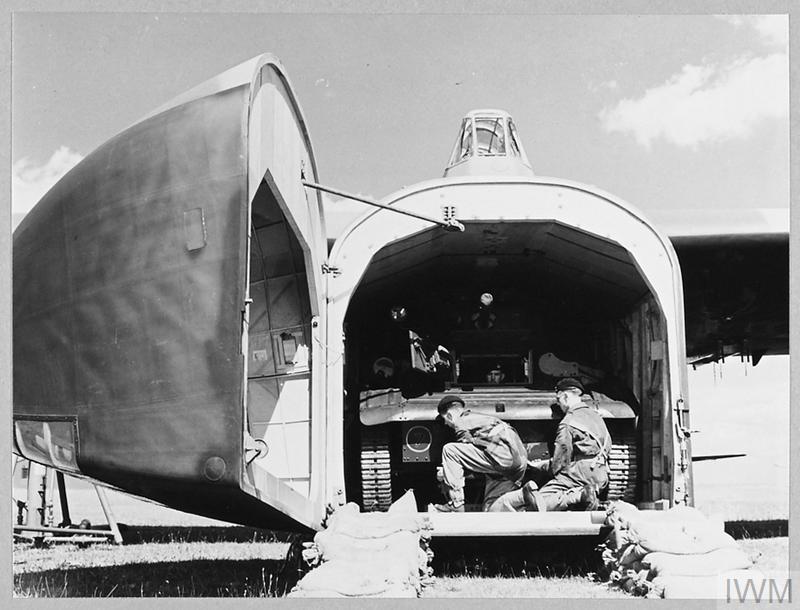
IWM (CH 13381)
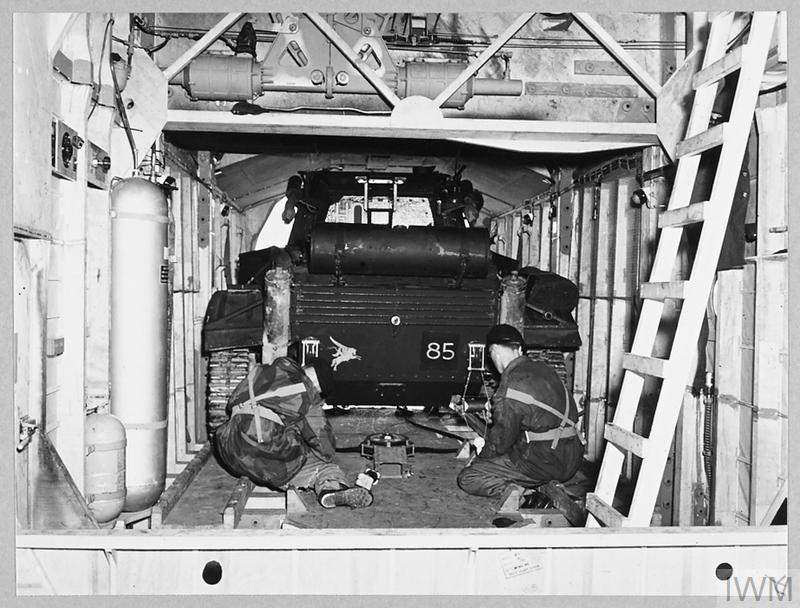
IWM (CH 13386)
IWM (CH 13387)
Sources
A17 Tetrarch Tank, A Technical History - P.M. Knight
British Battle Tanks - David Fletcher
Armour in Profile 11 Tetrarch - Peter Chamberlain, Chris Ellis
WWII Ballistics: Armor and Gunnery - Lorrin Rexford Bird and Robert D. Livingston
Tank Chats #76 Tetrarch Tank | The Tank Museum - https://www.youtube.com/watch?v=D8yk3bWPaAQ
The 6th Airborne Division in Normandy
Tetrarch Light Tank - Airborne Assault Museum
Mk VII Tetrarch light tank - Wikipedia
Ordnance QF 3-inch howitzer - Wikipedia