Would you like to see this in-game?
- Yes
- No
0
voters
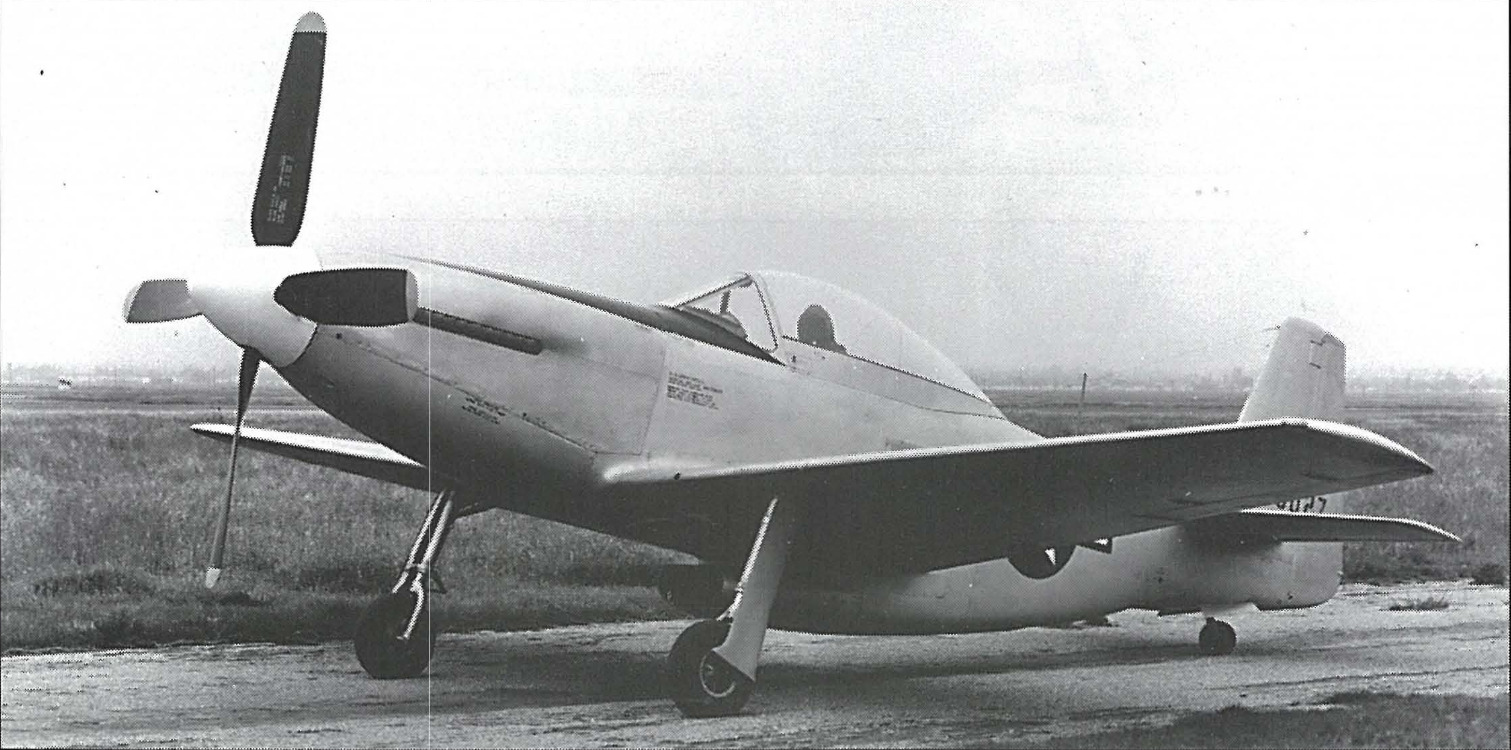
North American XP-51J Mustang
Hello all! I’d like to suggest the North American XP-51J Mustang for US aviation in War Thunder. It was the third and final member of the three experimental lightweight Mustang models evaluated by the US Army Air Forces. In short, the XP-51J was developed late as a lightweight derivative of the P-51D, much like the XP-51F and XP-51G, to achieve improved performance with the new Allison V-1710-119 engine. Lessons learned from this engine and aircraft combination led to further refinements and its successful application in the P-/F-82 Twin Mustang family.

Related Suggestions
Sources
- Bert Kinzey, P-51 Mustang Part 3: P-51D and Subsequent Variants, Detail & Scale Series Volume 23 (2026)
- Malcolm V. Lowe, North American P-51 Mustang, Crowood Aviation Series (2009)
- Bill Norton, US Experimental & Prototype Aircraft Projects: Fighters 1939-1945 (2008)
- David McLaren, North American P-51H Mustang: Includes Lightweight Fighters XP-51F, XP-51G, & XP-51J, Air Force Legends Number 209 (2003)
- William Green & Gordon Swanborough, The Complete Book of Fighters: An Illustrated Encyclopedia of Every Fighter Aircraft Built and Flown (2001)
- Francis H. Dean, America’s Hundred Thousand US Production Fighters of WWII (1997)
- Graham White, Allied Aircraft Piston Engines of World War II (1995)
- Robert F. Door, US Fighters of World War Two (1991)
- F.G. Swanborough, United States Military Aircraft Since 1909 (1989)
- Enzo Angelucci, The American Fighter: The Definitive Guide to American Fighter Aircraft from 1917 to the Present (1987)
- P-51 Mustang in Action, Aircraft No. 45, Squadron/Signal Publications (1981)
- William Green & Gordon Swanborough, World War Two Fact Files - US Army Air Force Fighters Part 2 (1978)
- William Green, War Planes of the Second World War Fighters Volume Four (1973)
- North American XP-51F, G, J Mustang
Thank you for taking the time to read my suggestion! 😃