- Yes
- No

History
History
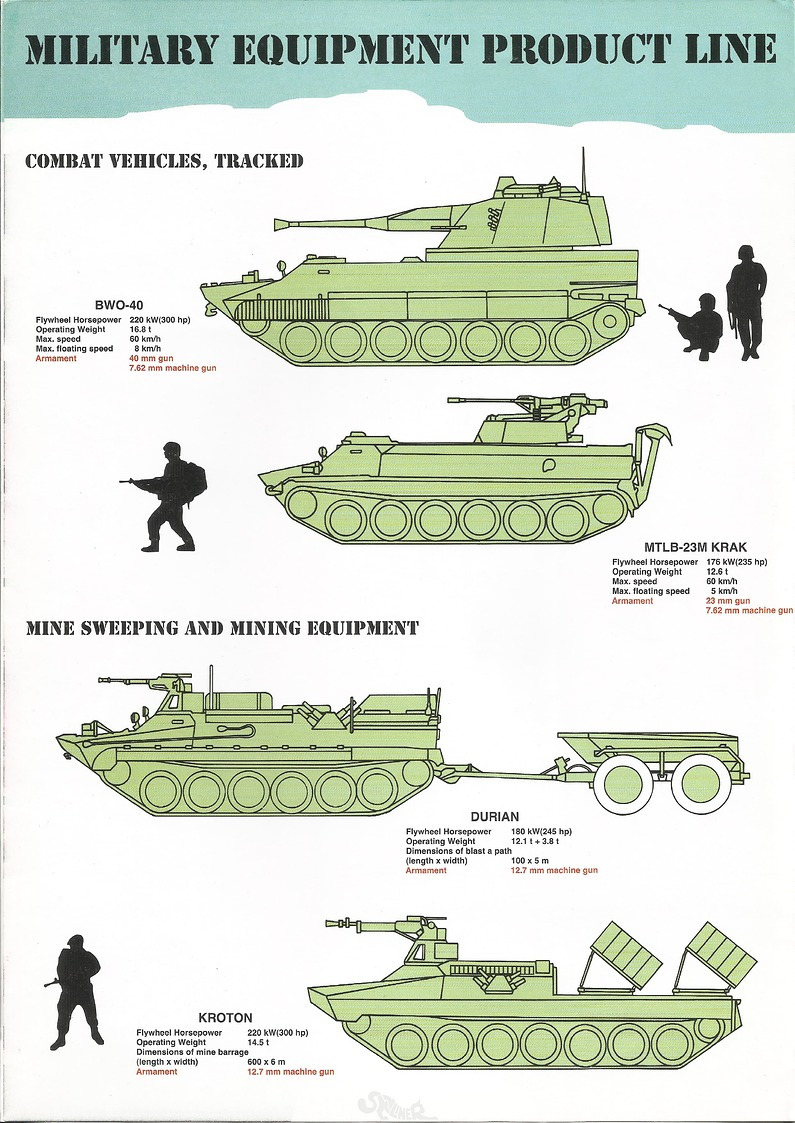
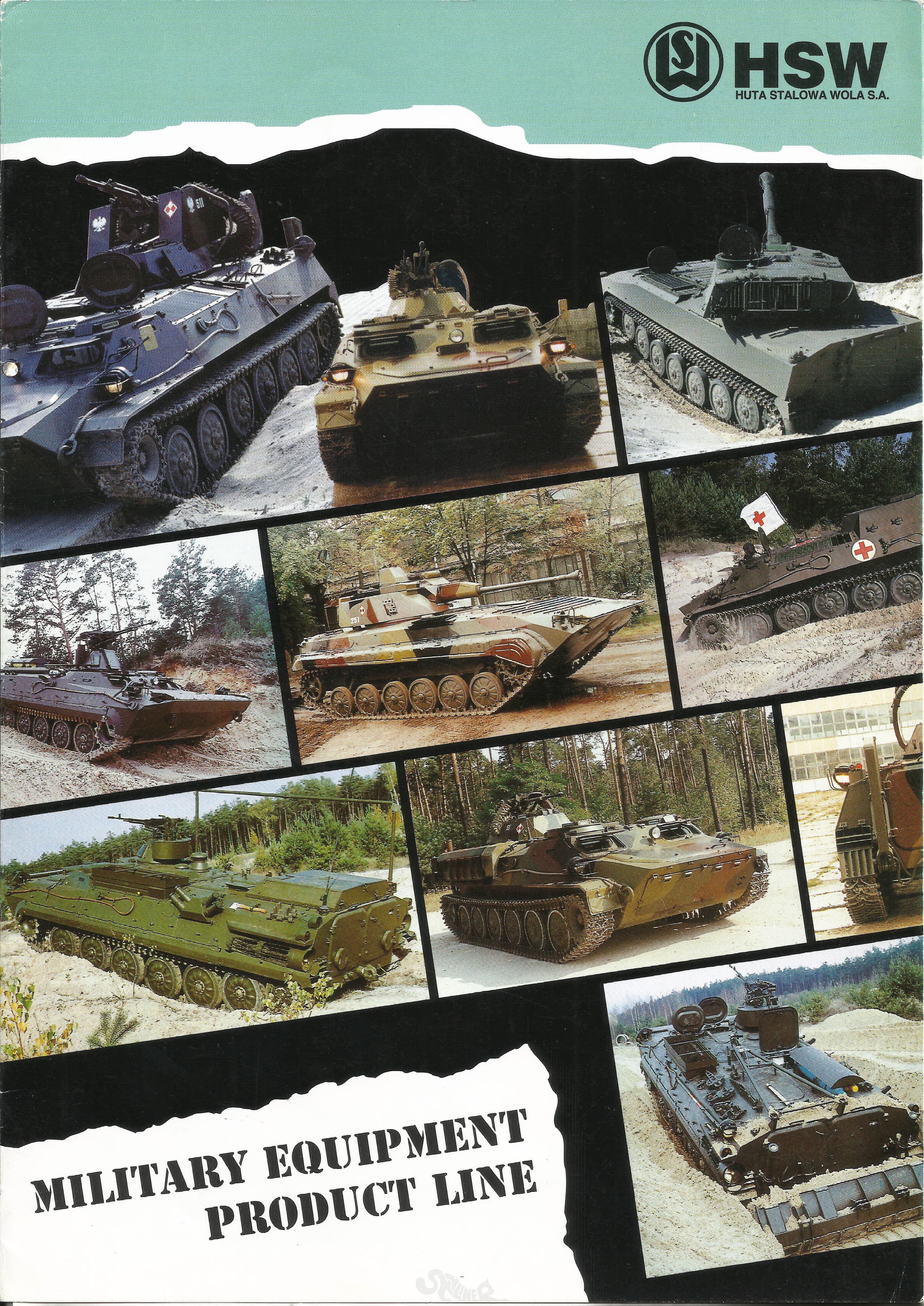
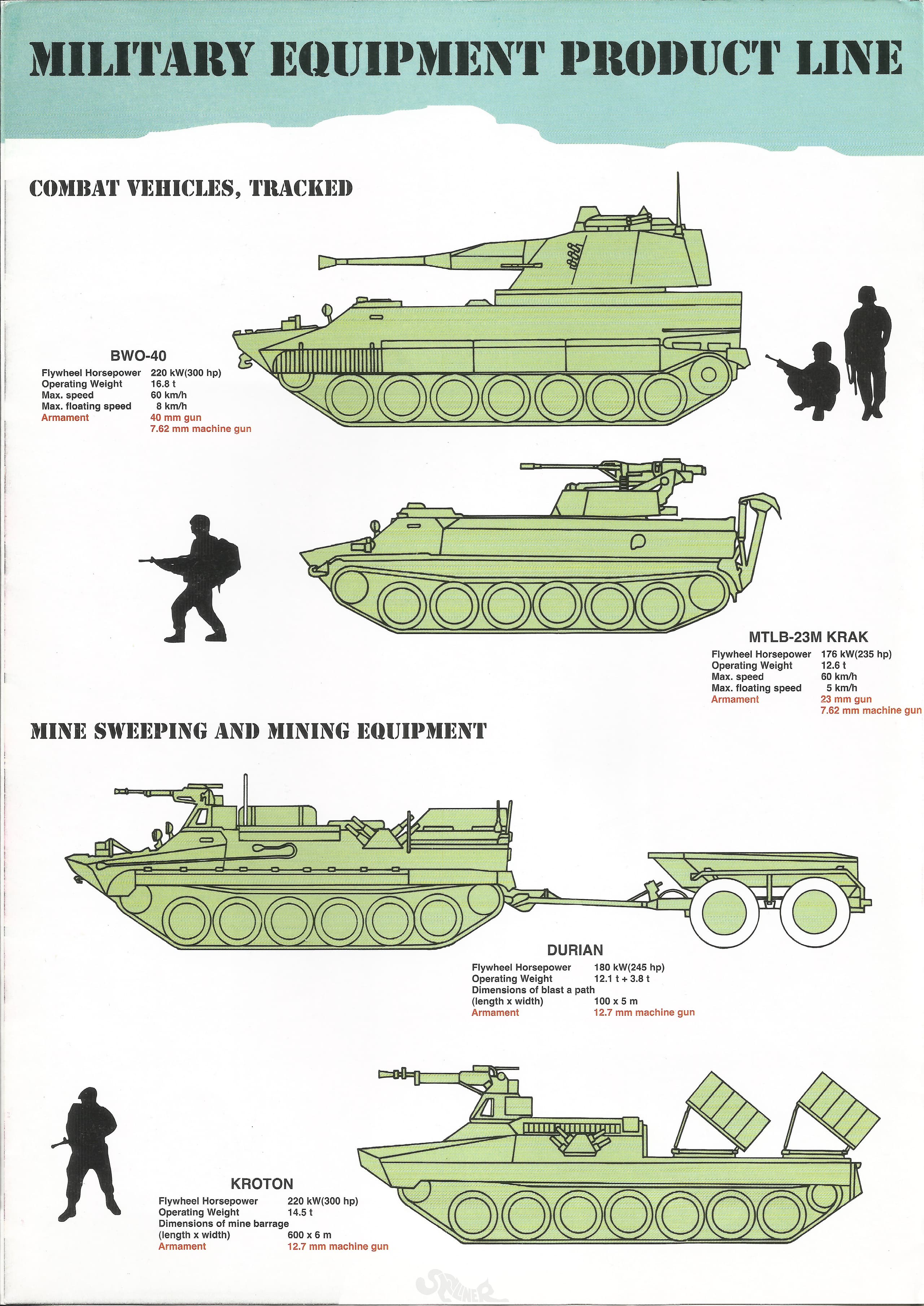
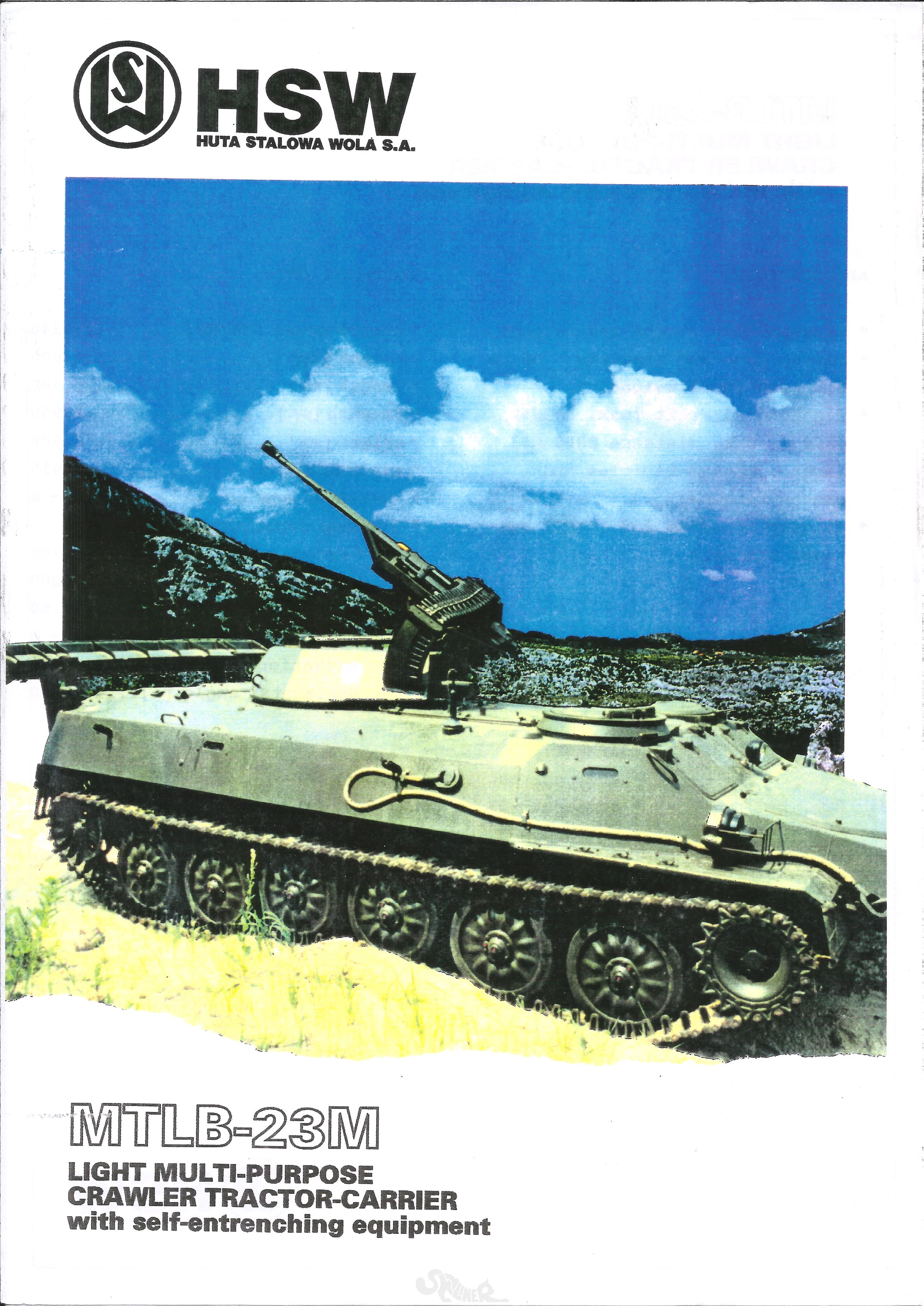
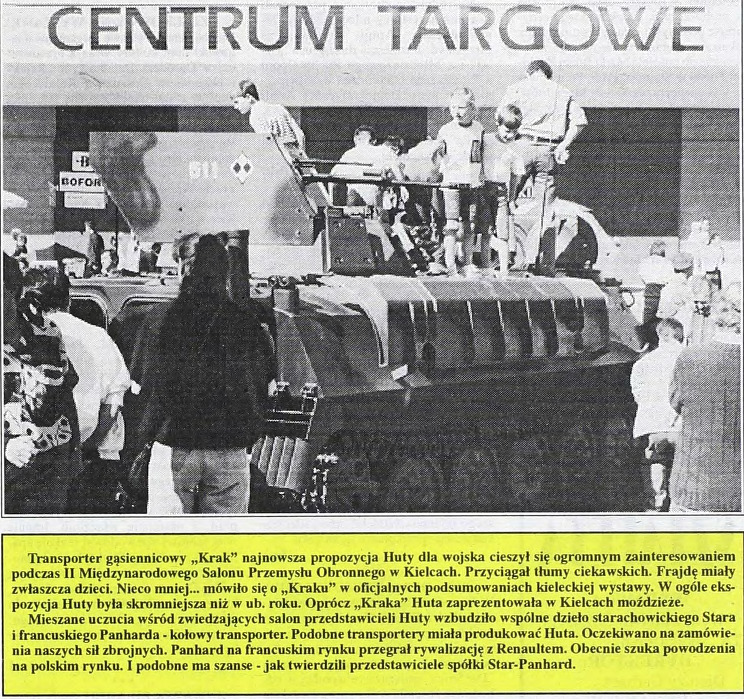
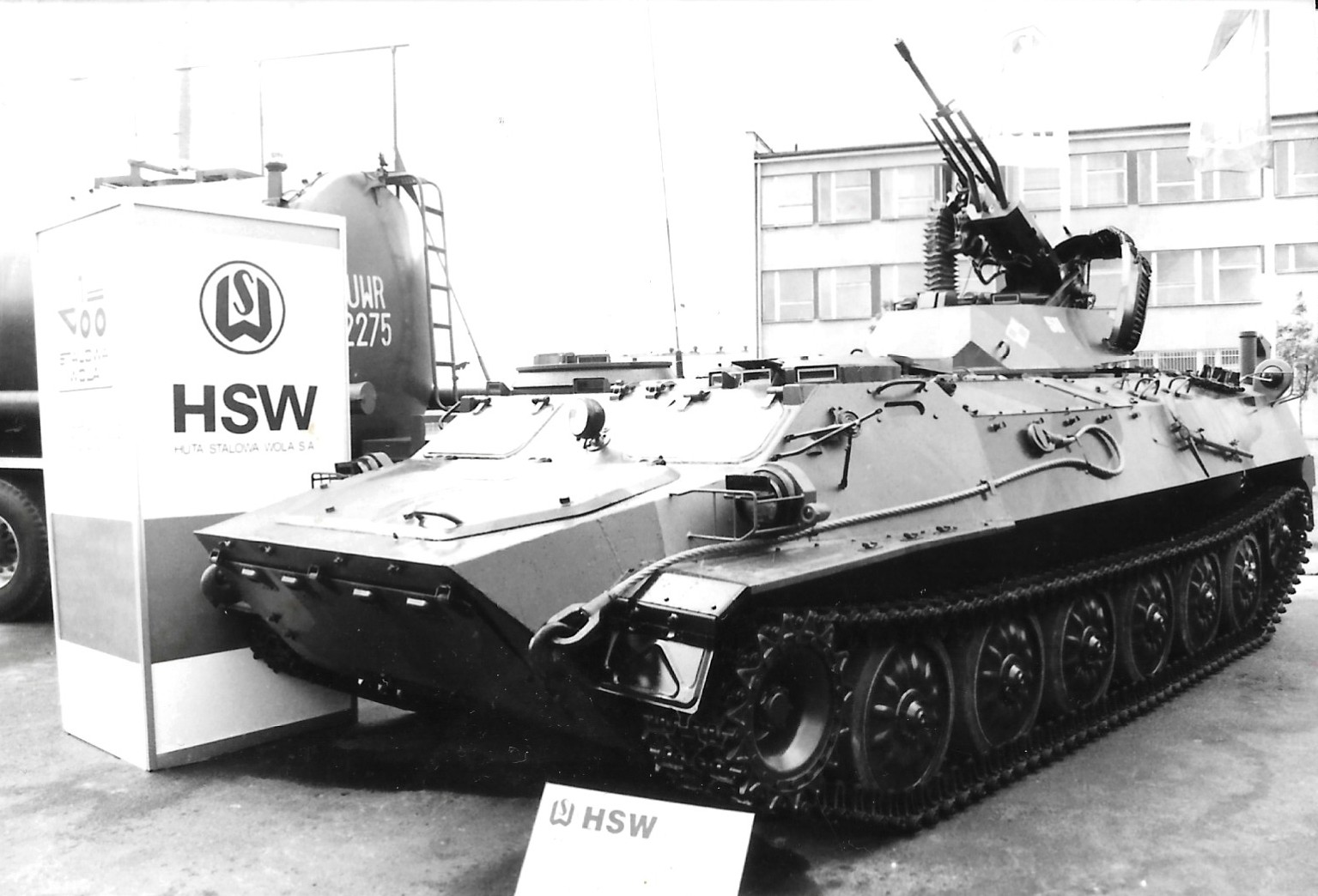
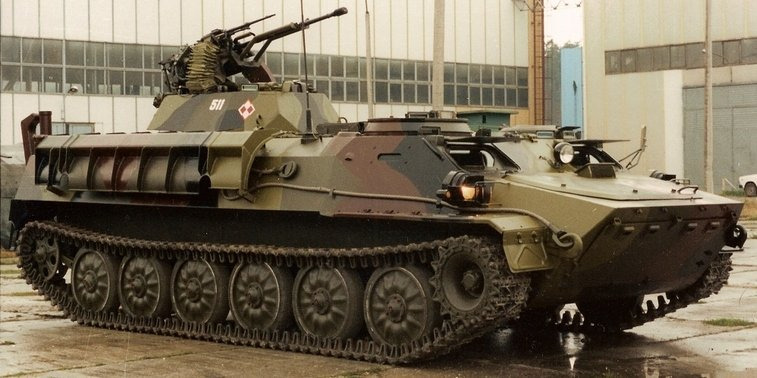
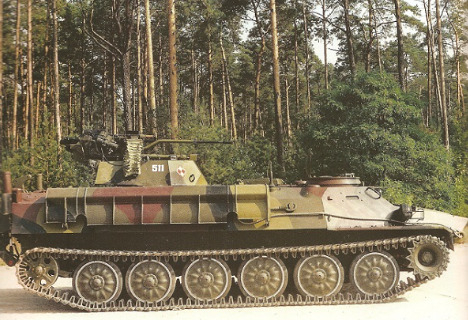
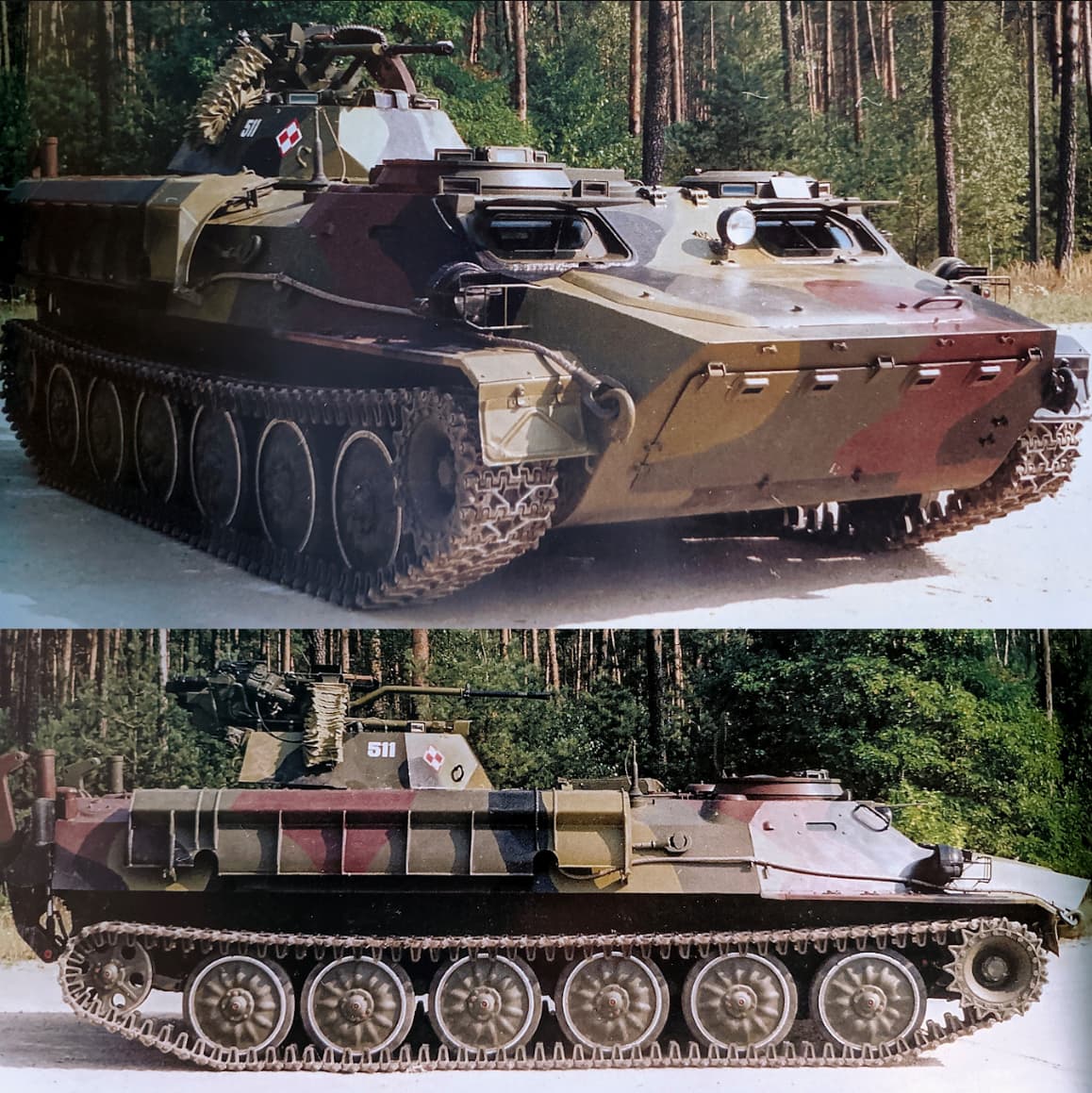
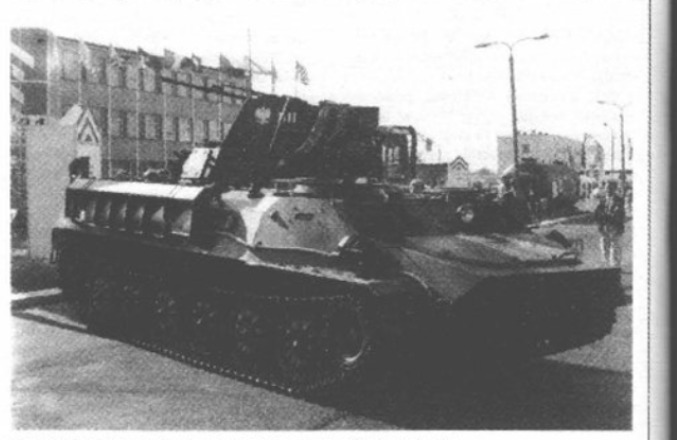
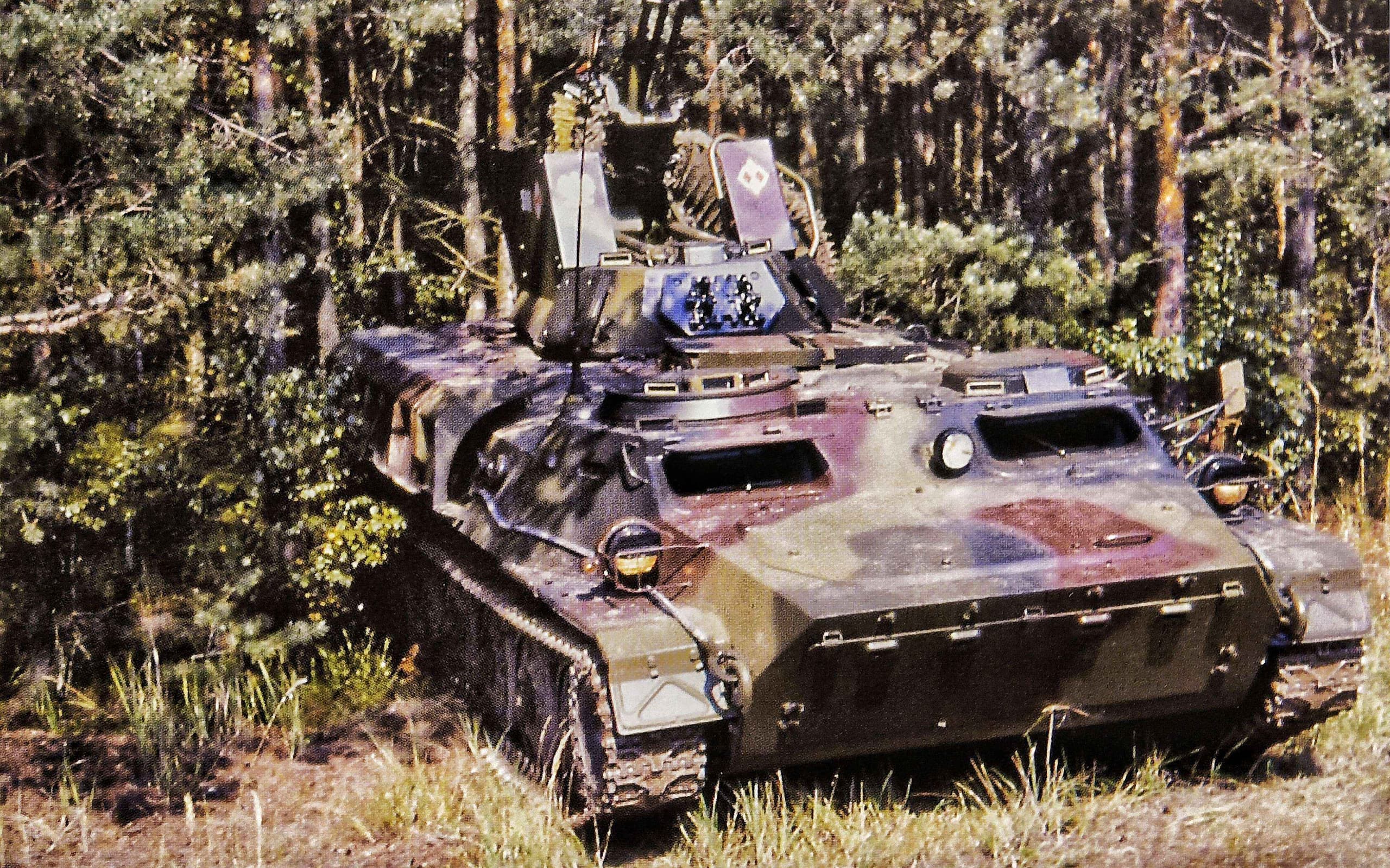
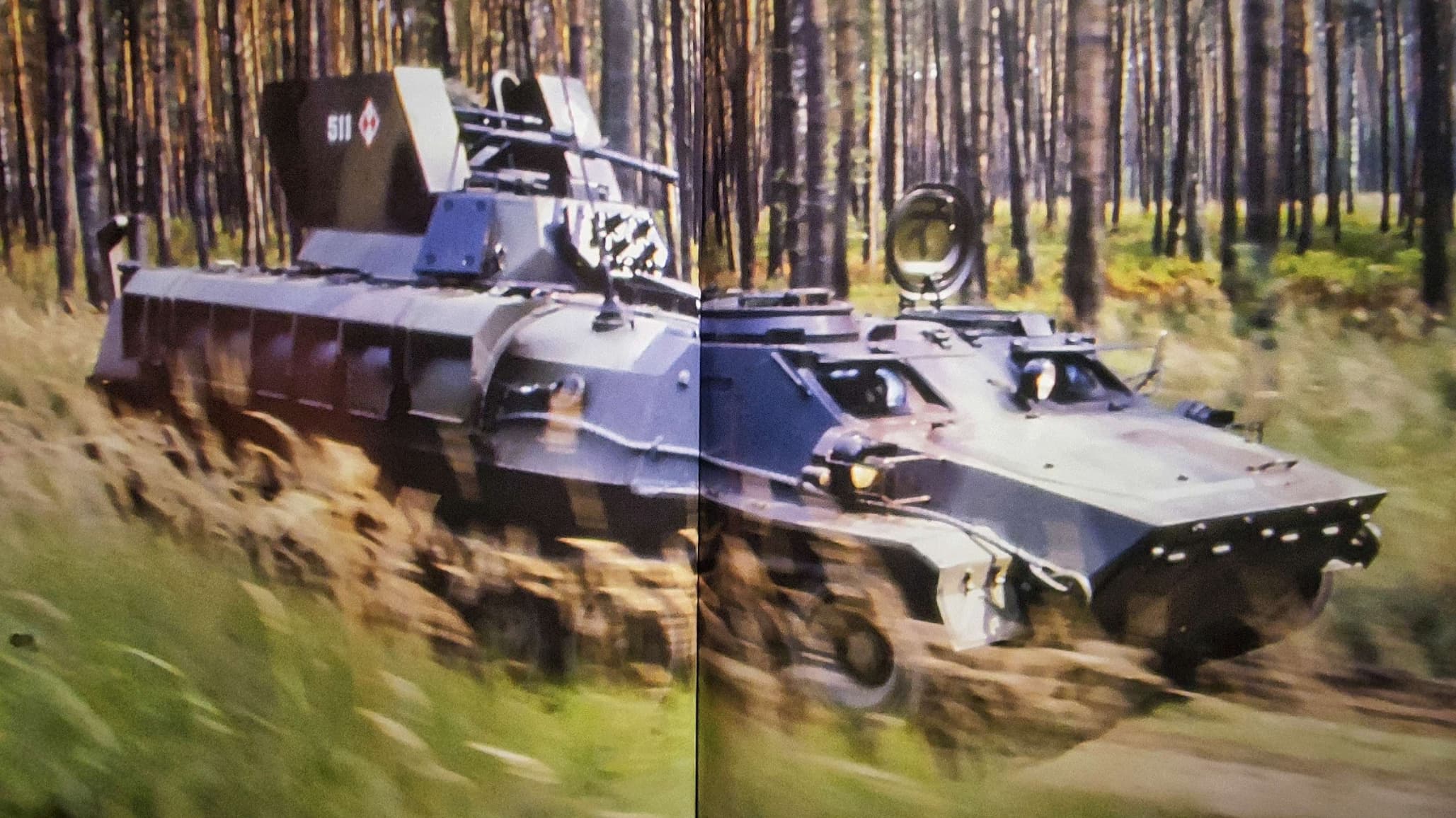
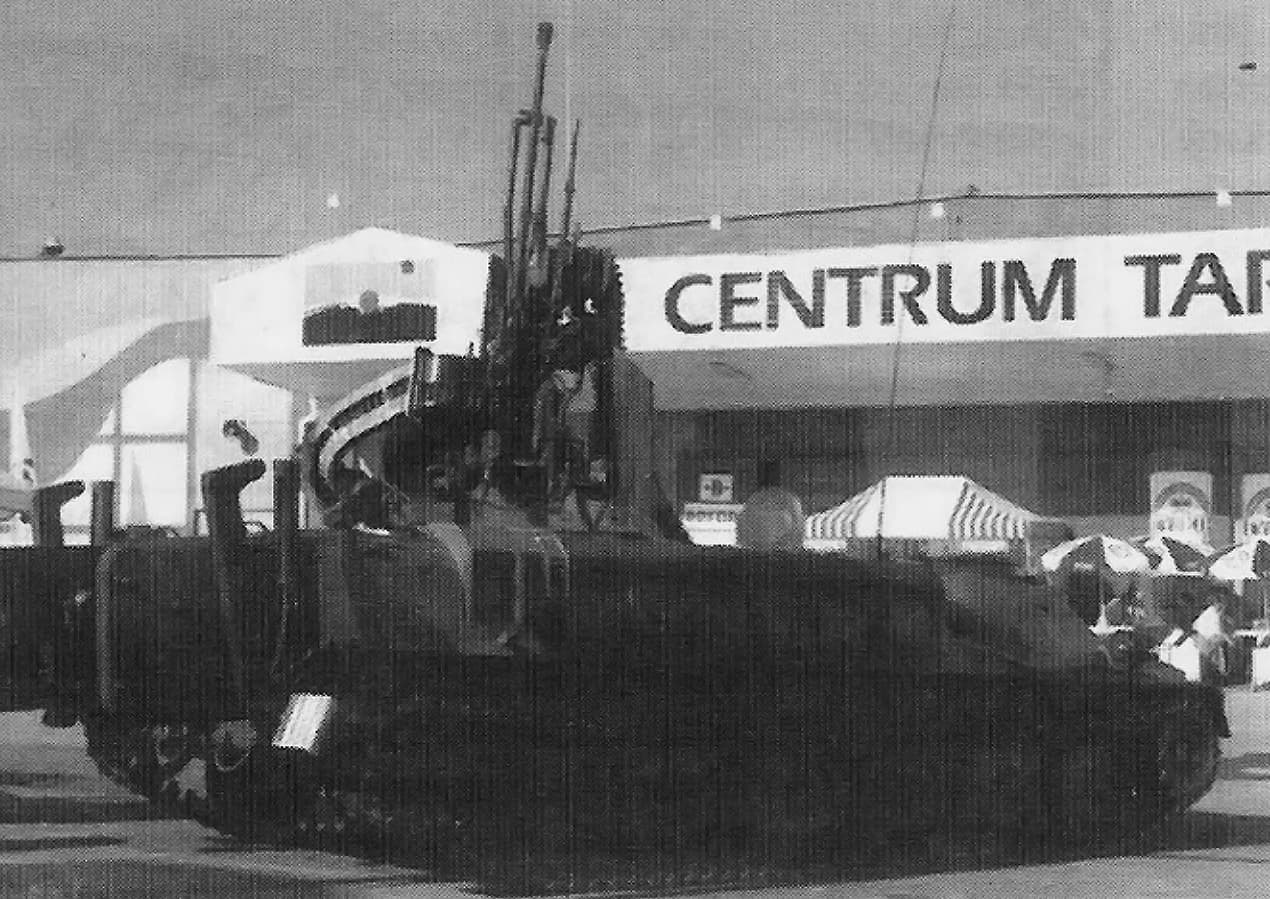
The LWB-23 Krak (Lekki Wóz Bojowy-23) was a Polish light infantry fighting vehicle prototype developed during the early 1990s by OBR MZiT in cooperation with Huta Stalowa Wola. Originally designated the MT-LB-23M, the vehicle was based on the Soviet MT-LB tracked chassis, which was already widely used by the Polish Army thanks to its low cost, amphibious capability, and good mobility.
Developed at OBR MZiT, the vehicle was officially designated the Light Combat Vehicle (LWB-23) and named Krak, which — according to HSW SA — was intended to refer to the Kraków Military District, established by order of the Minister of National Defense in September 1991 across thirteen voivodeships of central and southeastern Poland. The Kraków Military District began operations in 1992 and included formations such as the 21st Podhale Rifle Brigade. According to the designers in Stalowa Wola, the LWB-23 Krak was specifically intended to become an armored combat vehicle for this brigade, as the MTLB chassis was perfect for the Brigades area.
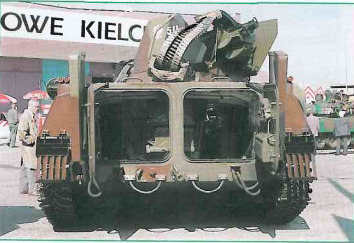
The Krak received a newly developed one-man turret armed with a modified 23 mm 2A14 autocannon paired with a 7.62 mm PKT machine gun, which was sometime later on modified with additional armour plating. The cannon was adapted for vehicle use with an electric firing mechanism and a revised ammunition feed system. Thanks to the high rate of fire of the 23 mm weapon, the LWB-23 offered significantly greater firepower than standard armored personnel carriers while still remaining relatively lightweight and amphibious.
However, the project was developed during a period of severe financial difficulties for the Polish defense industry. Budget reductions and changing military priorities following the collapse of the Eastern Bloc led to the cancellation of many armored vehicle programs, including the LWB-23. Although the prototype demonstrated promising mobility and firepower, it never entered serial production and remained an experimental vehicle.
Despite the cancellation of the Krak itself, its turret design survived beyond the project. The turret was later reused and further developed for the BWP-95 infantry fighting vehicle project, allowing the LWB-23 to indirectly influence later Polish IFV development even though the vehicle itself never entered service.
Summarised Characterisitcs
Details
- Crew (3)
- Driver, gunner, commander
- 23mm 2A14 autocannon
- Ammo:
- 23x152 z pociskiem BZT
- 23x152 z pociskiem APDS-T
- Elevation: -7/+70°
- Fire rate: 400rds/m
- Combat weight: 12.6t
- Engine:JaMZ 238WM (240 hp)
- Max speed:60 km/h
- Max speed in water: 5 km/h
Armament
Details
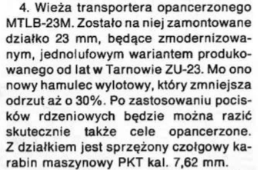
The turret was composed of a gun mount, a supporting framework, and an internal basket fitted with the gunner’s seat. The modified mounting system carried a 23mm 2A14 autocannon alongside a 7.62mm PKT coaxial machine gun, both equipped with independent elevation and traverse drives. The 2A14 cannon was upgraded by OBR SM with an electric firing mechanism and a redesigned ammunition feed system, the gun was fitted with a new muzzle brake which reduced recoil by 30%, according to reports the gun could also use APDS. The gun had a depression of -7° and a elevation +70°
Ammunition
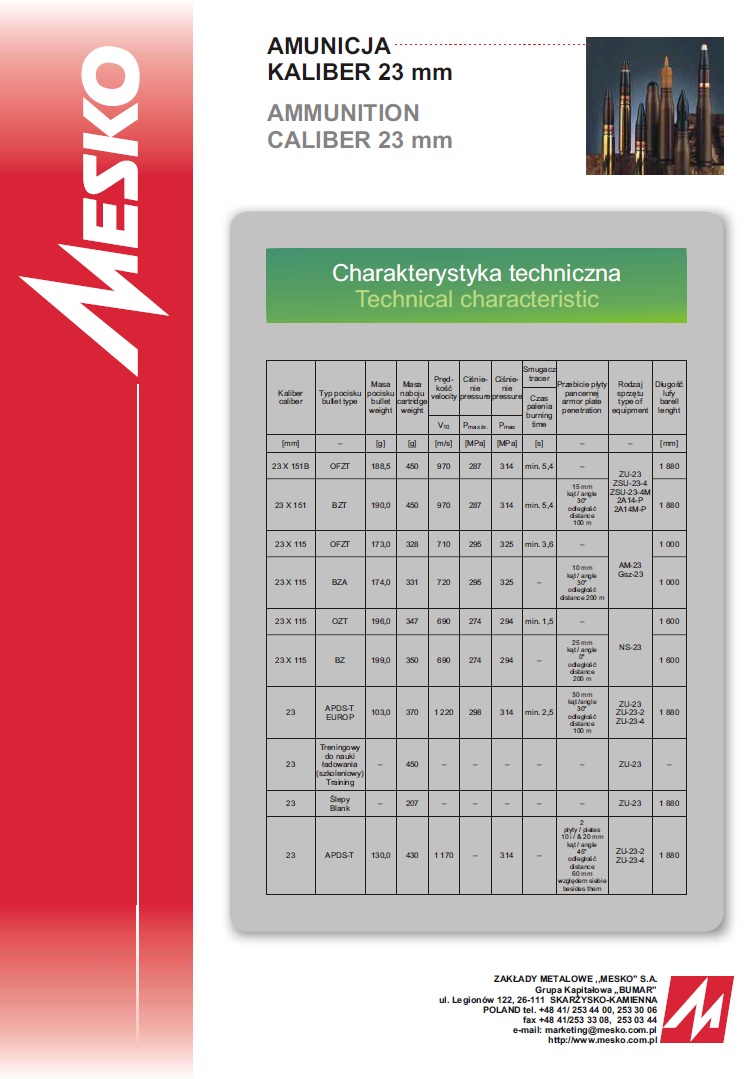
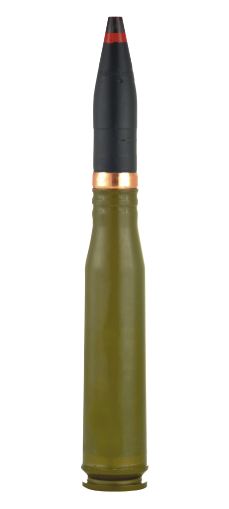
23x152 z pociskiem BZT
- Type of bullet: API
- Projectile weight: 191.6 ± 2.9 g
- Cartridge weight: ~ 450 g
- Average bullet velocity: V0 = 970 ± 15 m/ s
- Power charge Mass: ~ 77 g (1188.29 gr)
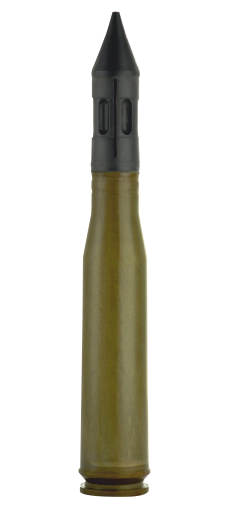
23x152 z pociskiem APDS-T
- Type of bullet: APDS-T
- Projectile weight: 130 ± 5 g
- Cartridge weight: 380 ÷ 400 g
- Average bullet velocity: V0 = 1170 ± 20 m/s
- Power charge Mass: 78 g (1203.72 gr)
Mobility
Details
- Engine: JaMZ 238WM (240 hp)
- Transmission: Mechanical
- Gears: 6 forward, 1 reverse
- Top Speed: 60km/h
- Top speed in water: 5 km/h
- Weight: 12.6 tons
- Supension: Torsion Bar
- Amphibious
Armour
Details
- Chassis was welded from 4 to 9 mm thick armor plates
- It is a assumed that it was the same for the turret
- Later version receives additional armour
Other
Details
- Crew (3) : Driver, Commander, Gunner
- 2x TNPO-170A optical periscopes
- 2x TNPO-170A periscopes
- TKN-3B device
- Length: 6,4 m
- Width: 2.8 m
- Height: 1.8 m
Sources
LWB-23 Krak – Wikipedia, wolna encyklopedia
https://www.youtube.com/watch?v=2pOWLhZ2_RE
https://czasopisma.ujd.edu.pl/index.php/RP/article/download/1437/1212/3124
https://zeszyty-naukowe.awl.edu.pl/article/122492/en
Polski bojowy wóz opancerzony LWB-23 Krak |
https://archive.org/details/nowa-technika-wojskowa-1994-11
https://archive.org/details/nowa-technika-wojskowa-1994-10