- Yes
- No

History
History
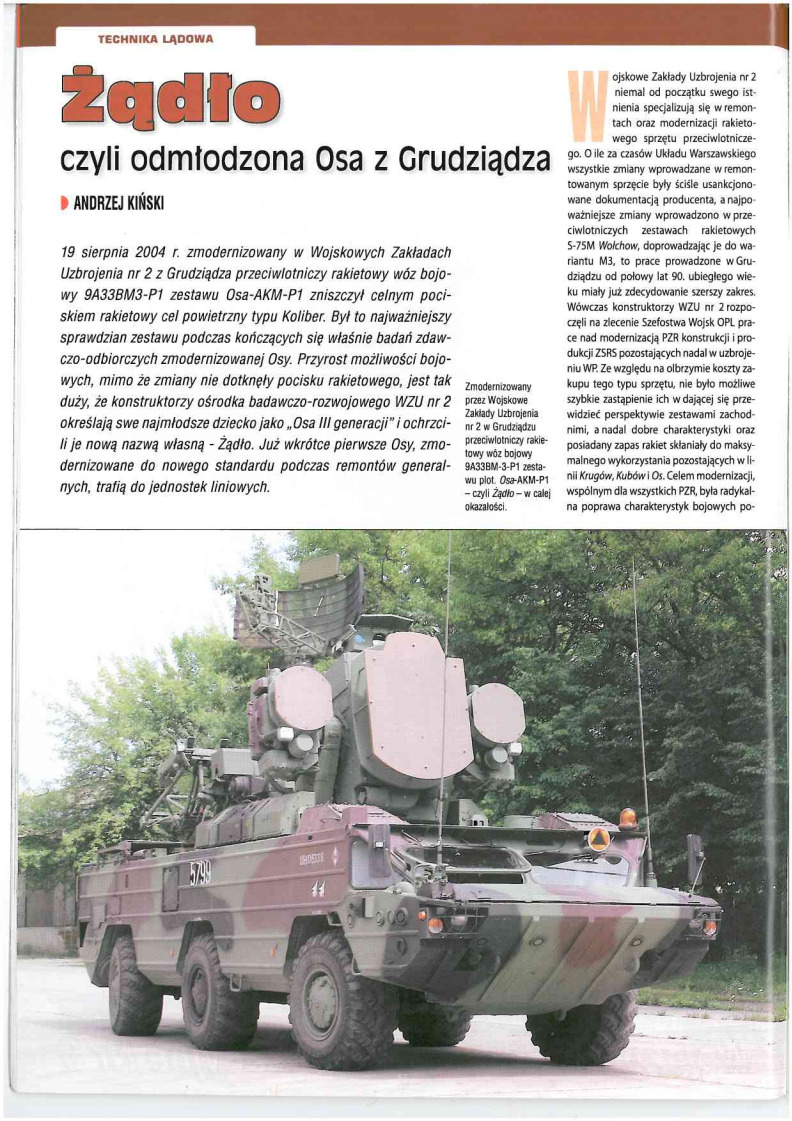
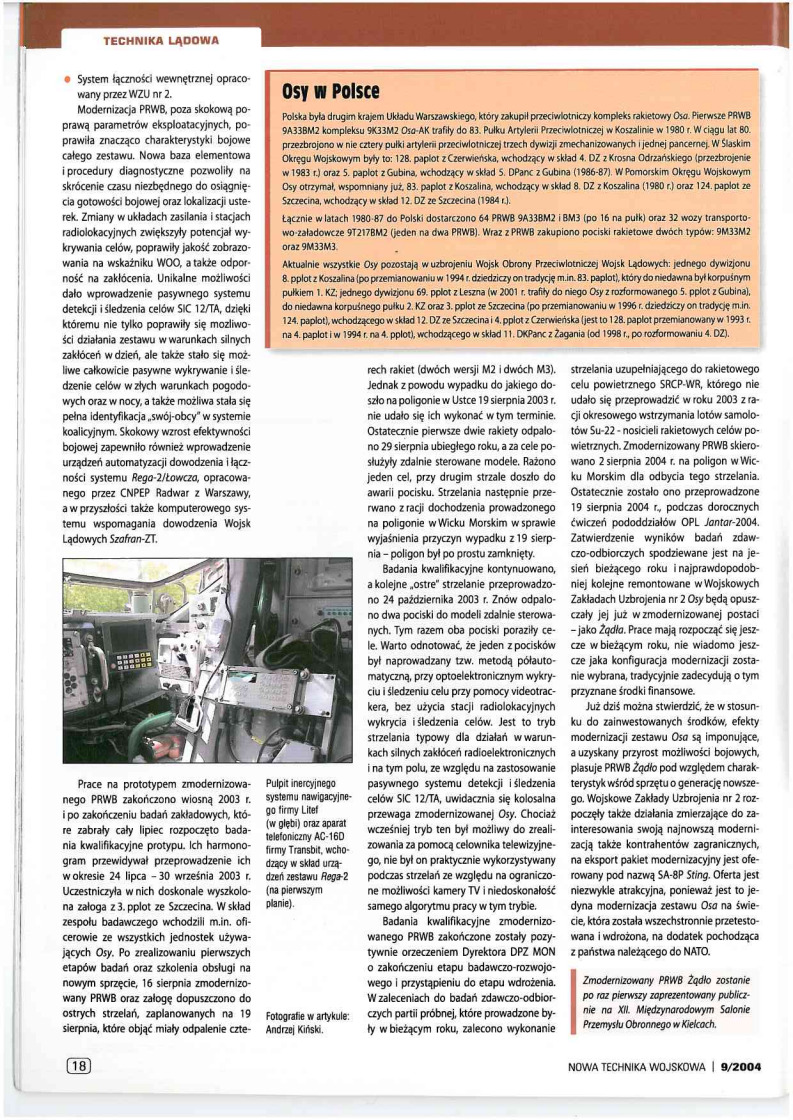
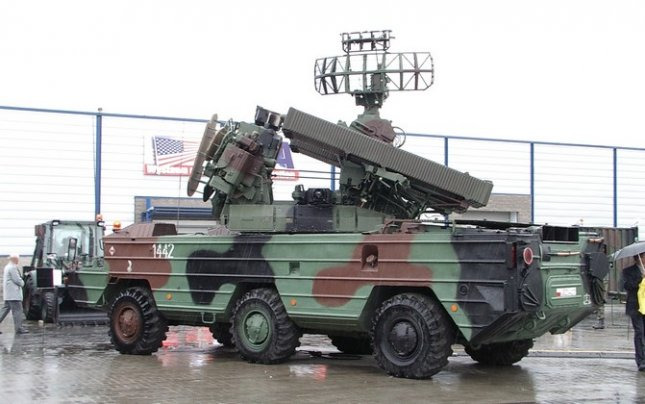
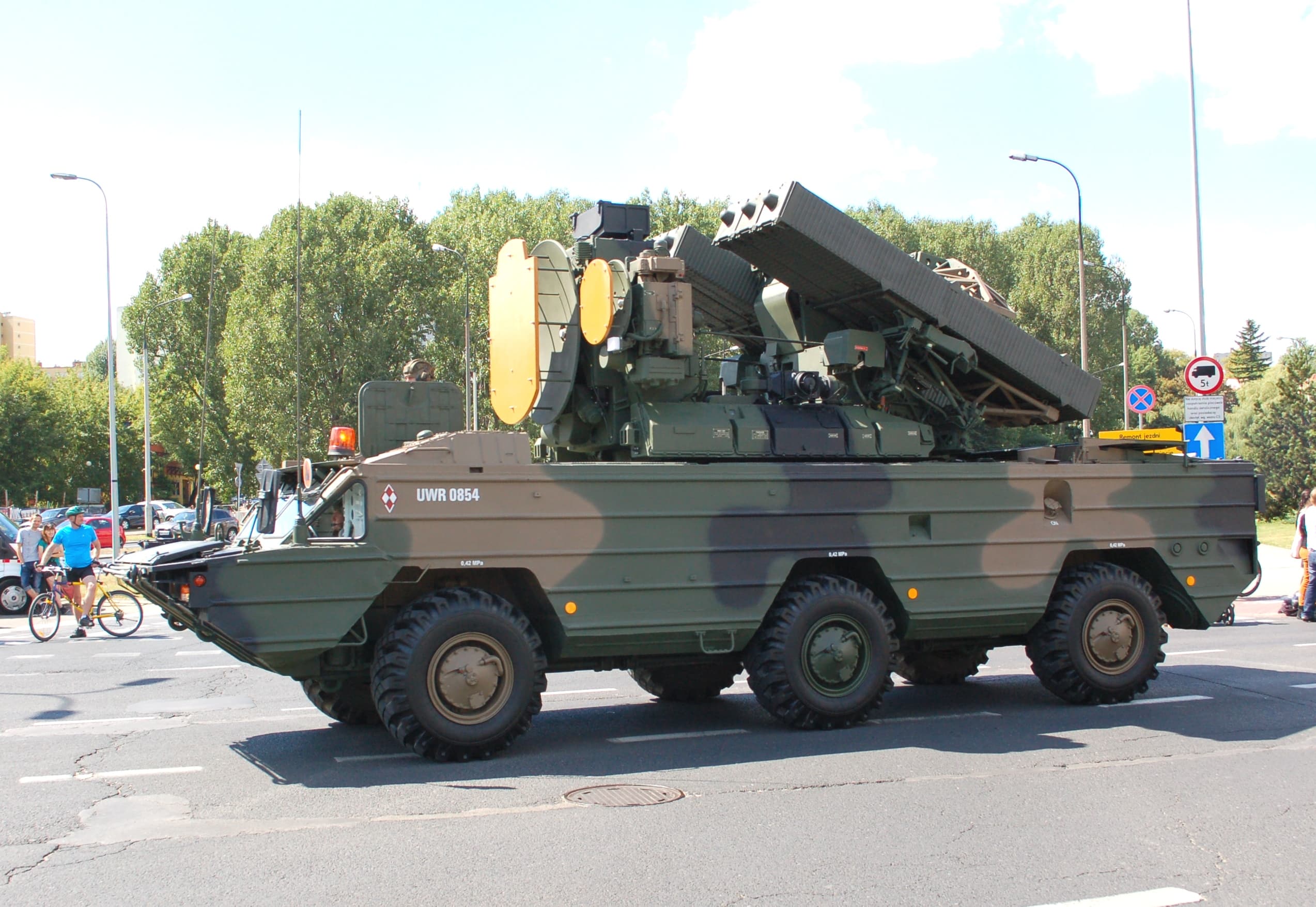
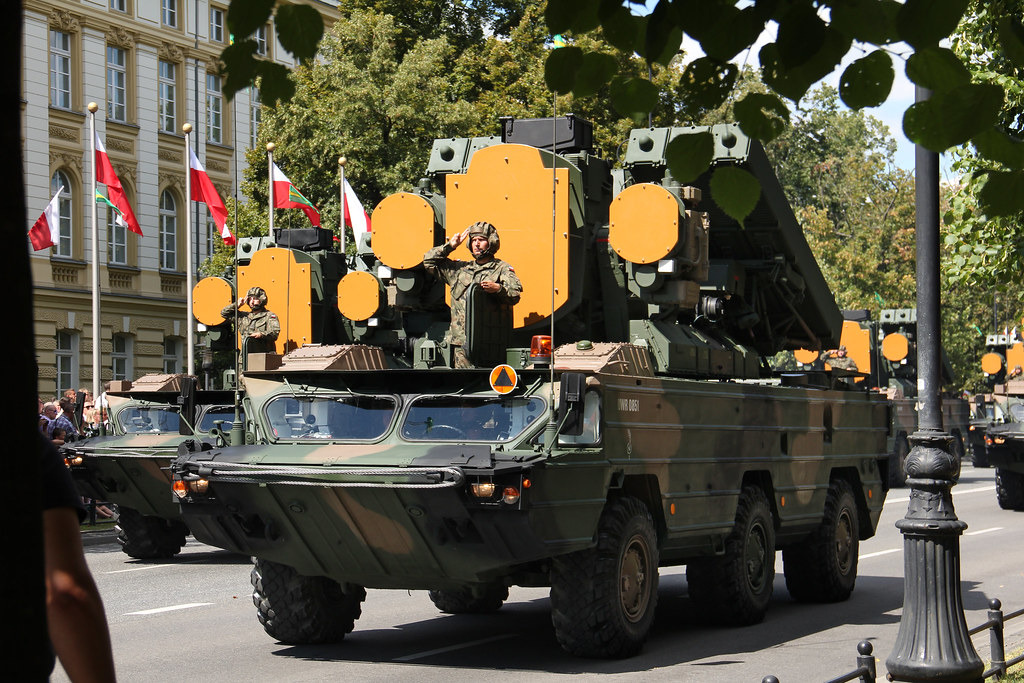
The 9K33 Osa entered Polish service in the early 1980s, with Poland becoming the second country in the Warsaw Pact to adopt the system. Deliveries of the Osa-AK (9K33M2) began in 1980, followed by the improved Osa-AKM (9K33M3) variant later in the decade. In total, Poland received 64 self-propelled combat vehicles along with supporting equipment, equipping multiple air defense regiments assigned to mechanized and armored divisions.
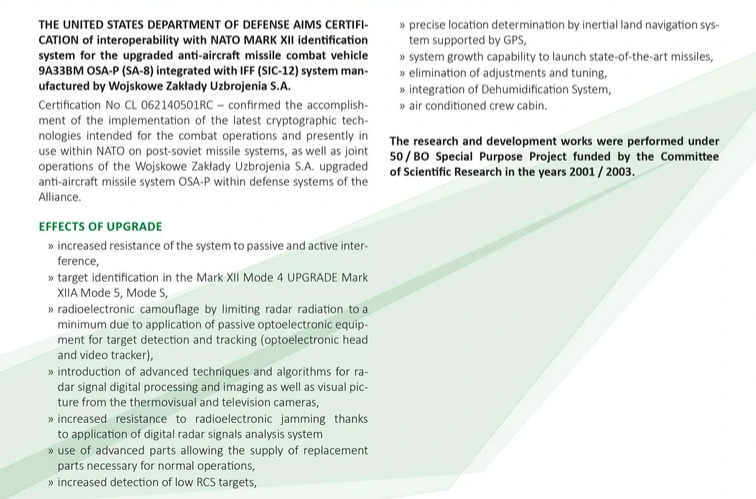
By the late 1990s, the system was getting increasingly outdated. Its analog electronics, reliance on aging Soviet components, and limited effectiveness against modern threats such as low-flying aircraft, cruise missiles, and electronic countermeasures highlighted the need for modernization. Following Poland’s accession to NATO in 1999, efforts were made to adapt existing systems to NATO standards, particularly in terms of identification, communications, and interoperability. In 2001, formal requirements for upgrading the Osa were issued, and the program was assigned to Wojskowe Zakłady Uzbrojenia (WZU) in Grudziądz.
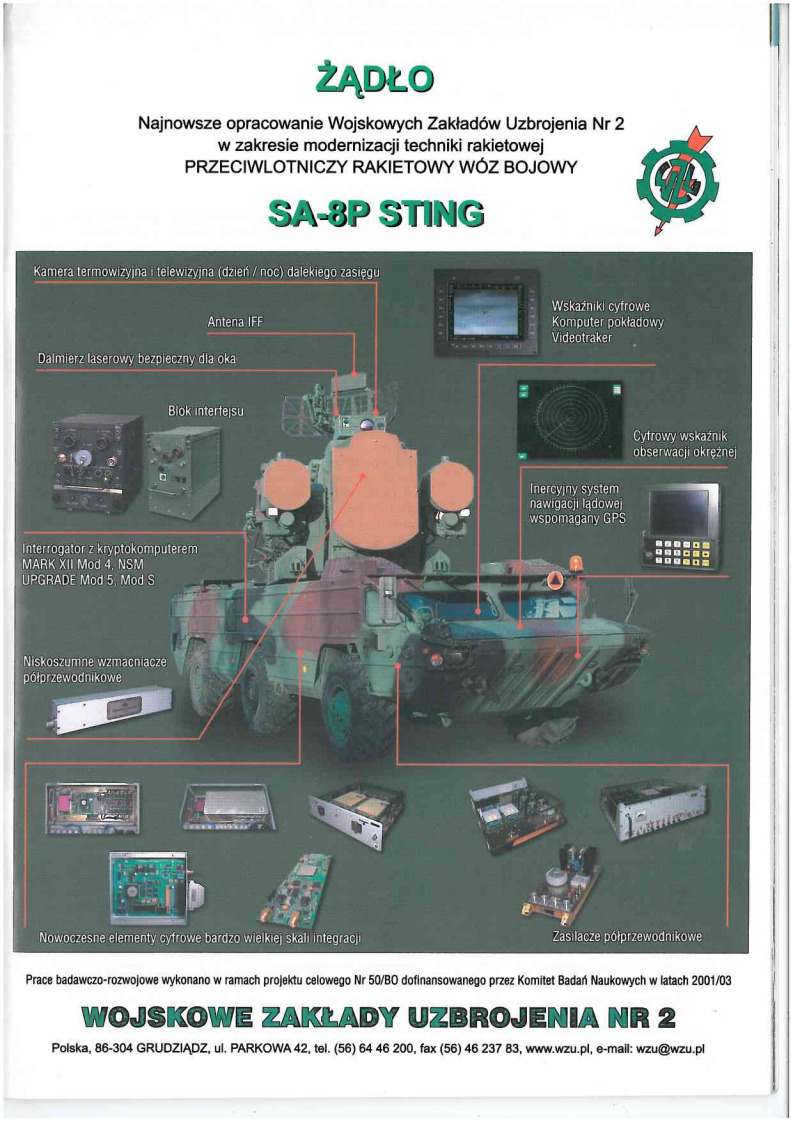
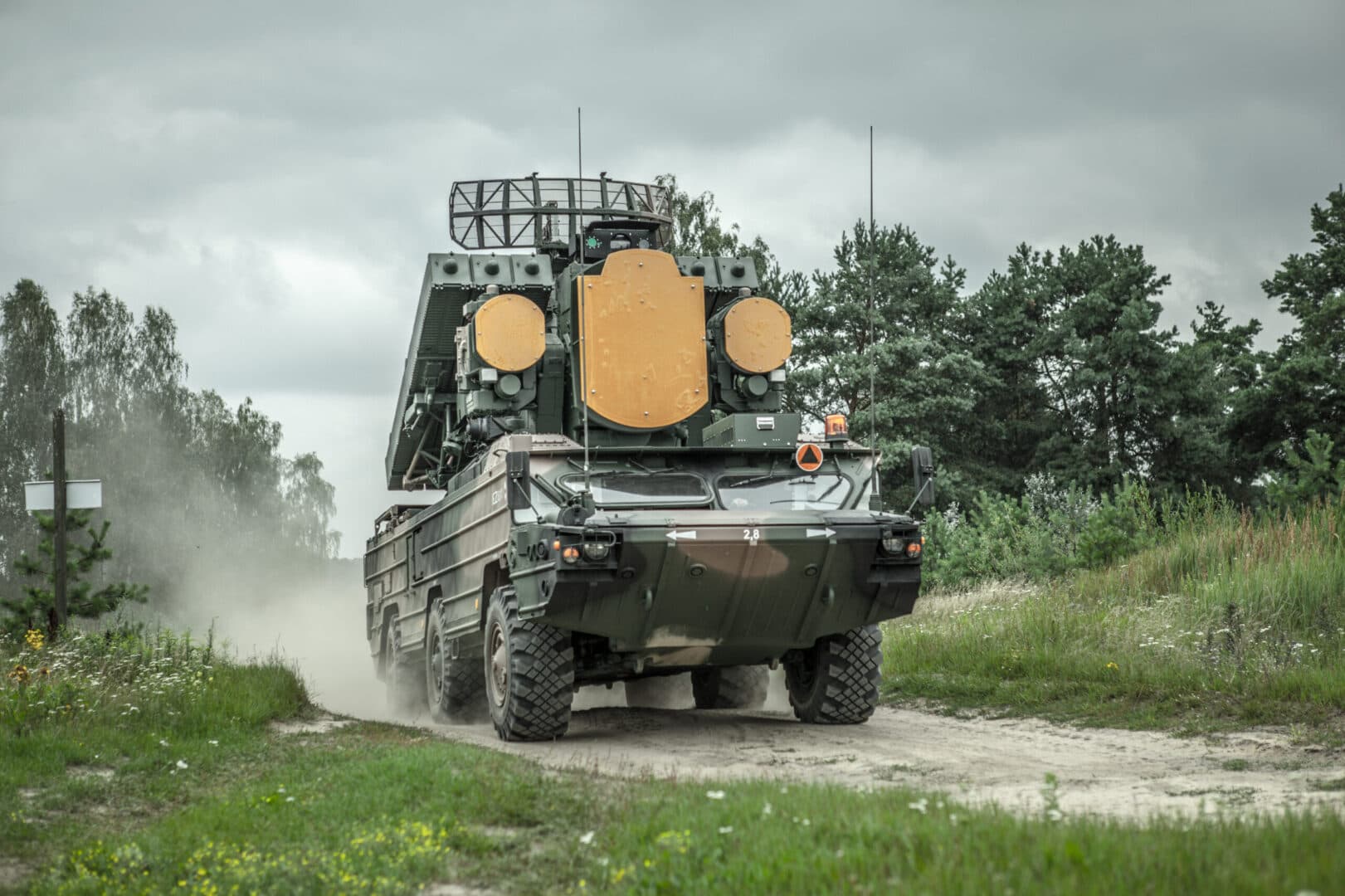
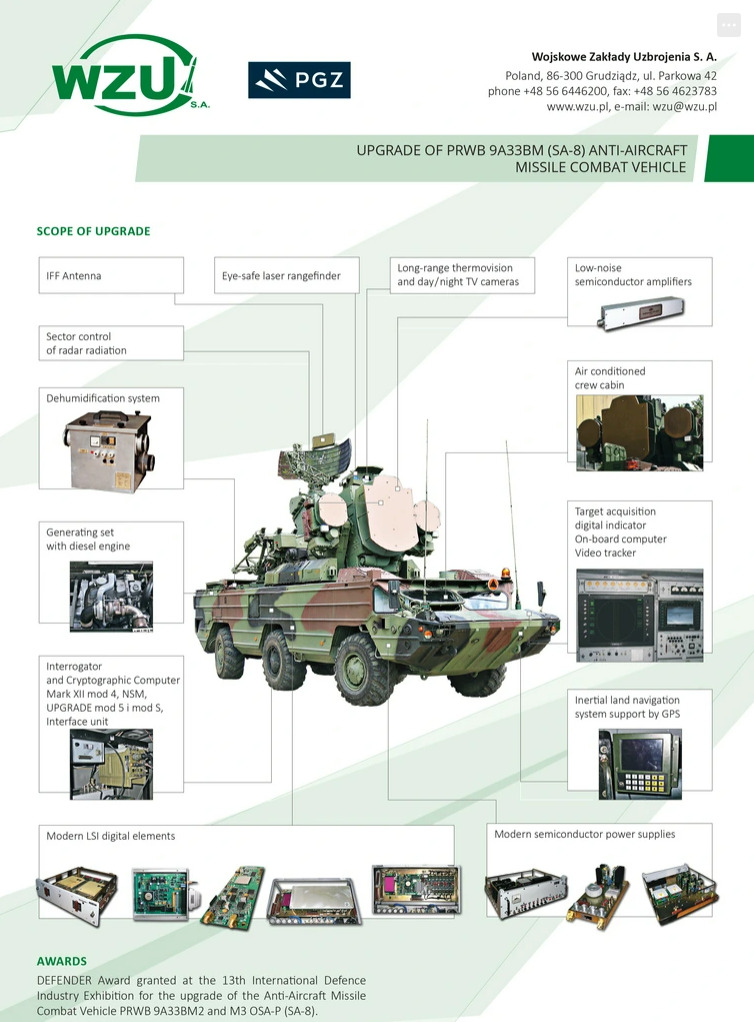
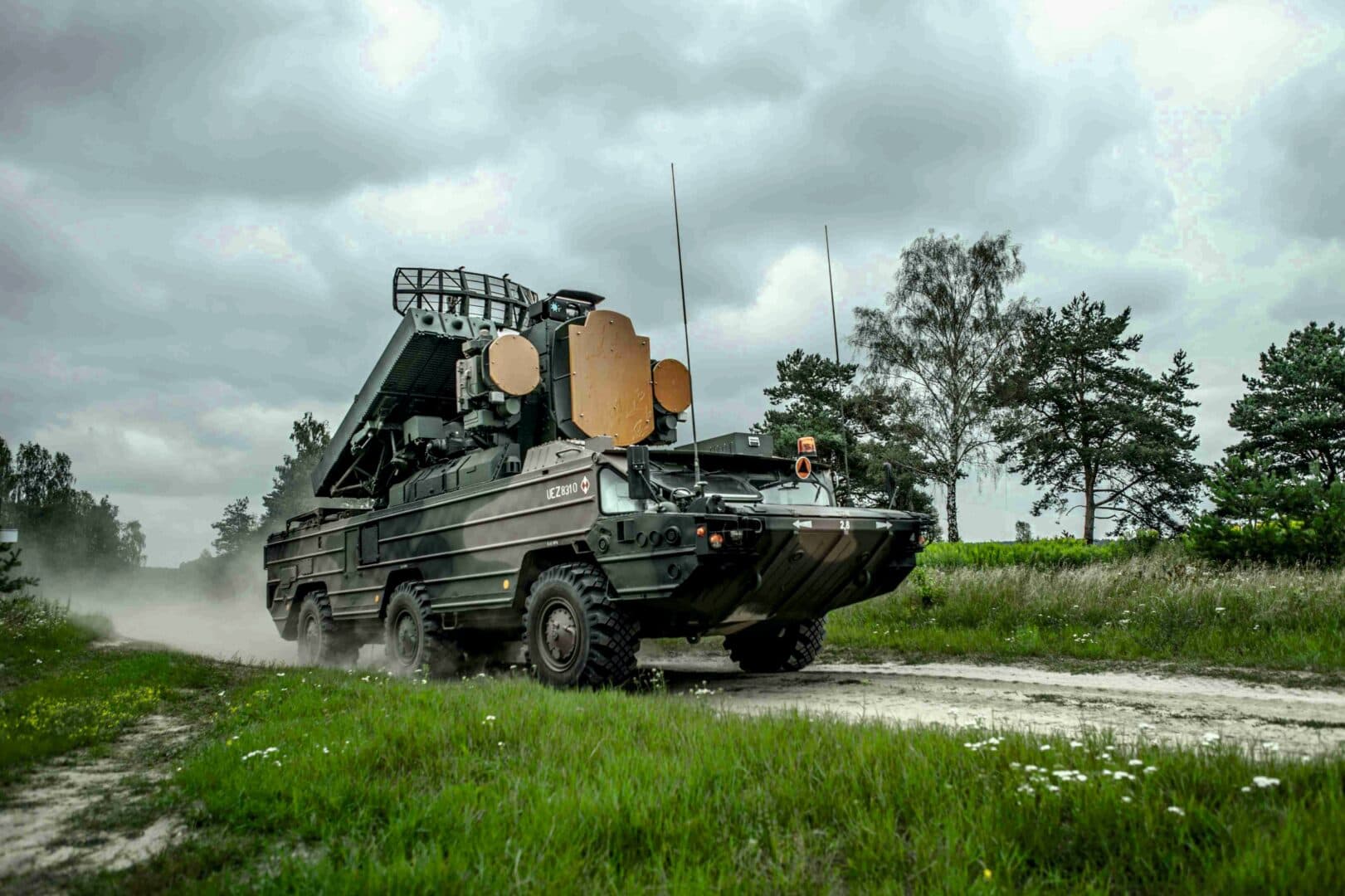
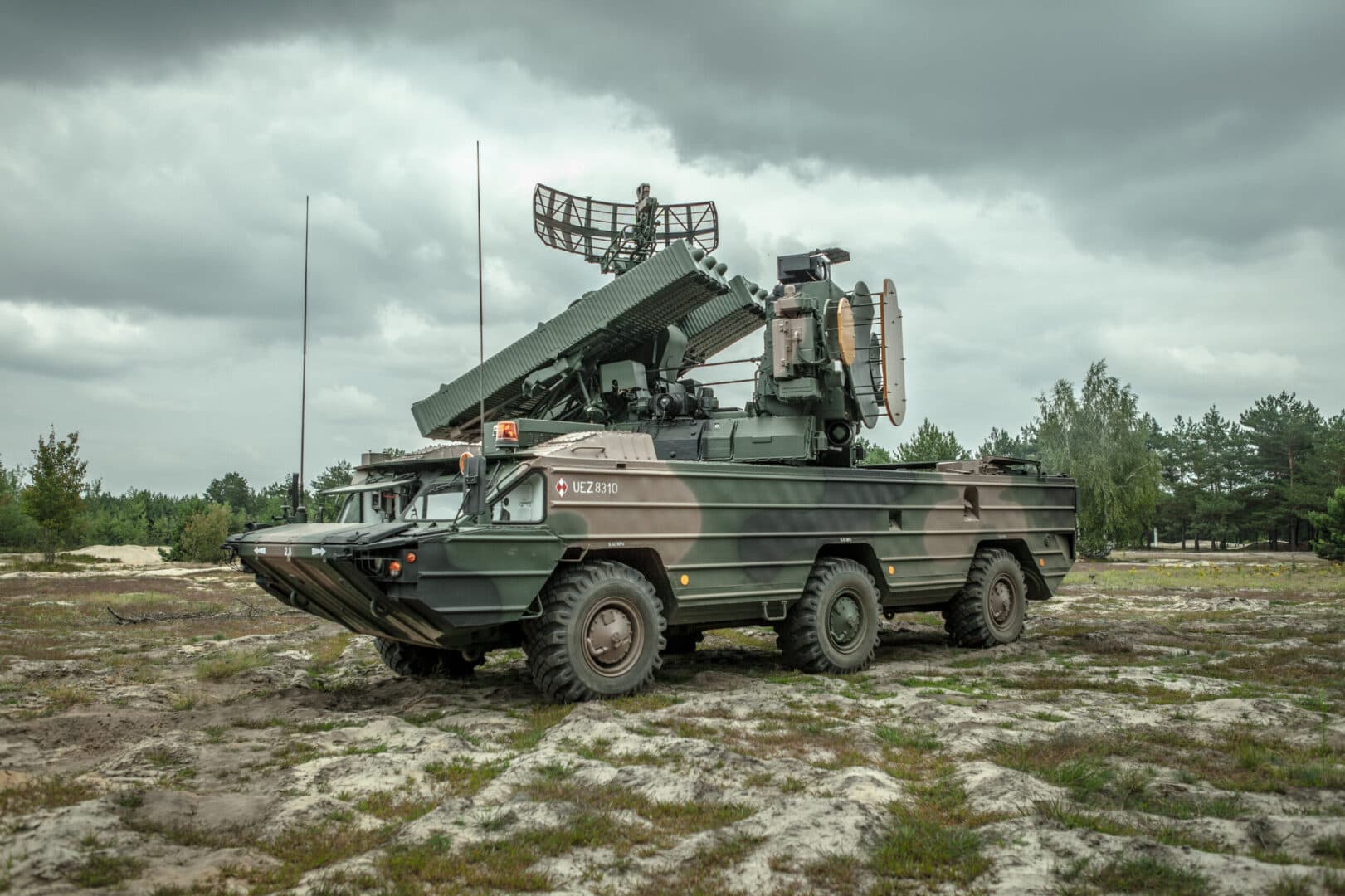
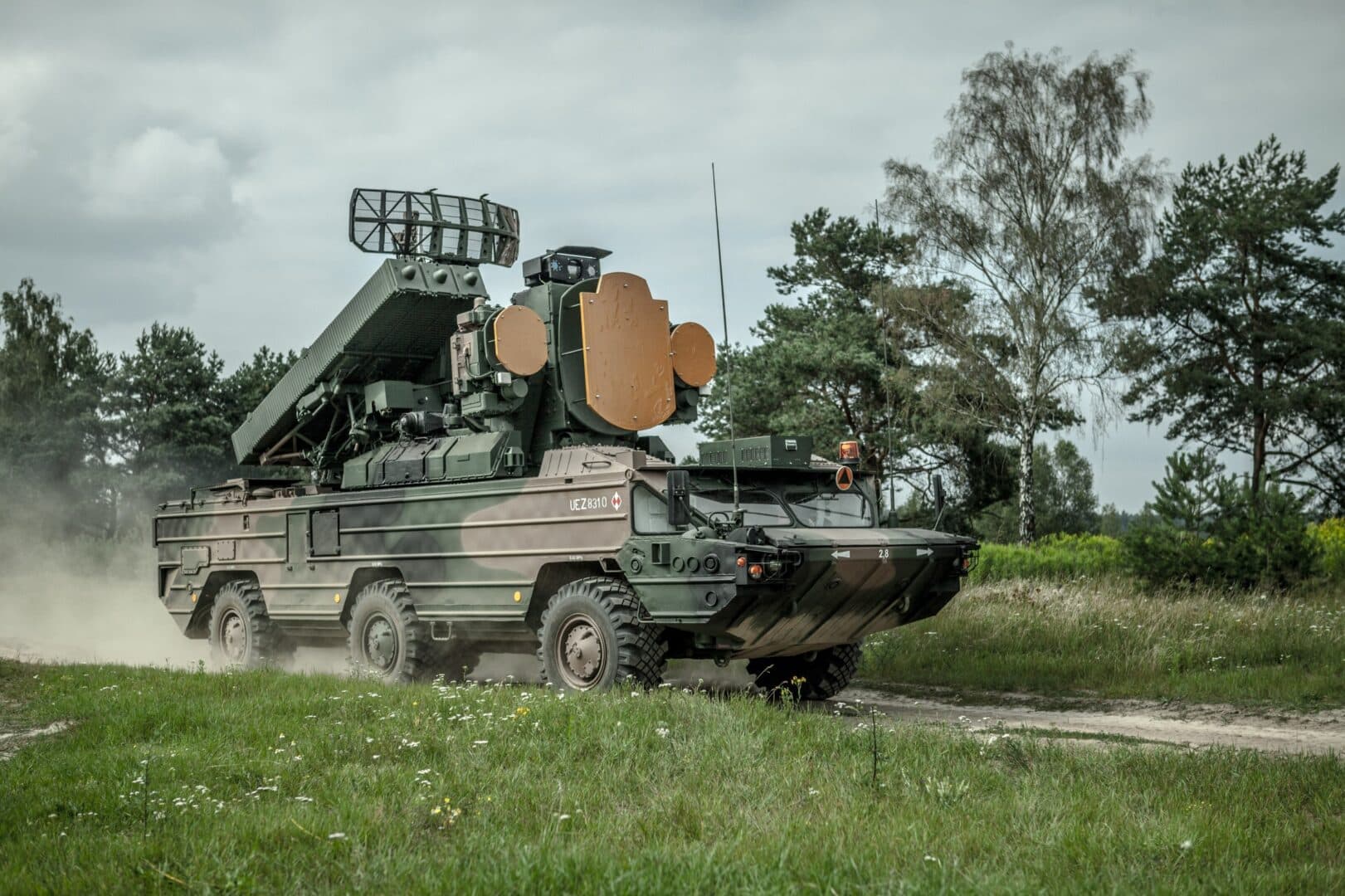
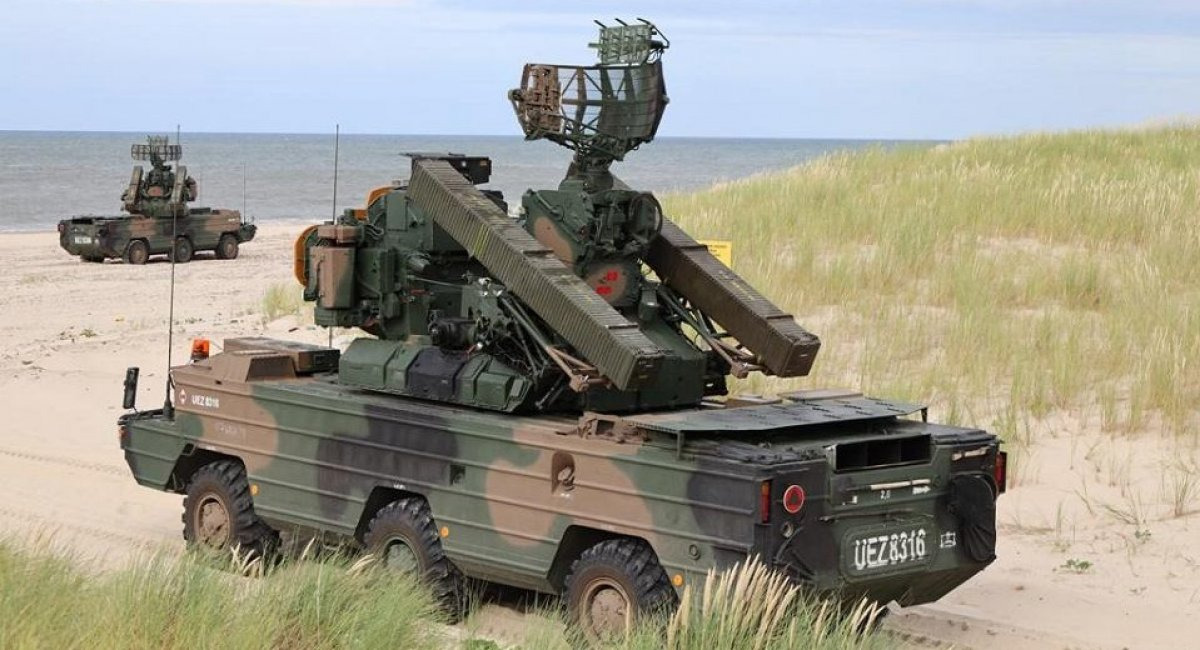
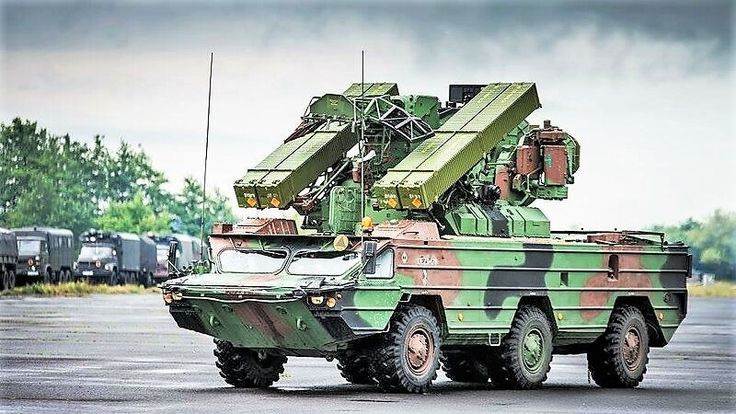
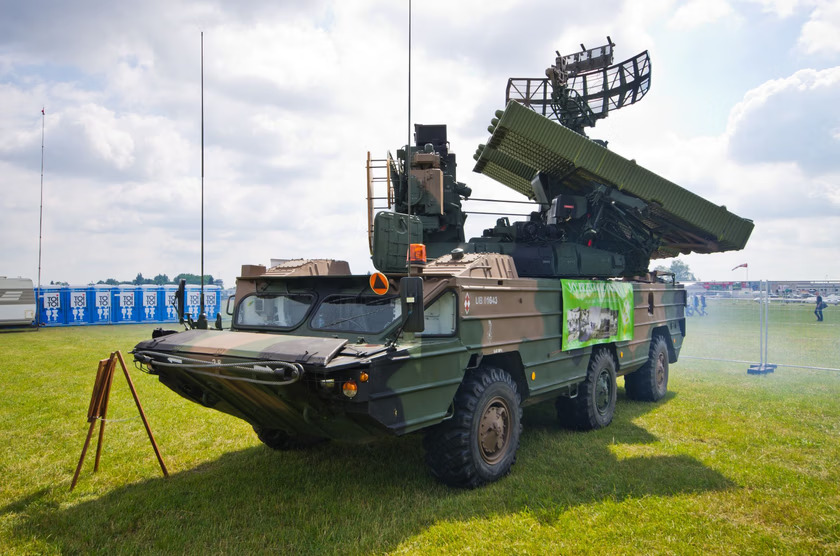
The resulting modernization, designated Osa-AKM-P1 “Żądło”, introduced a complete overhaul of the system’s electronics and combat systems. Obsolete Soviet components were replaced with modern solid-state electronics, significantly improving reliability (Earlier components didn’t like humidity). Radar performance was enhanced through upgraded receivers and digital signal processing, increasing detection capability, particularly against low-altitude and low-RCS targets while also improving resistance to jamming.
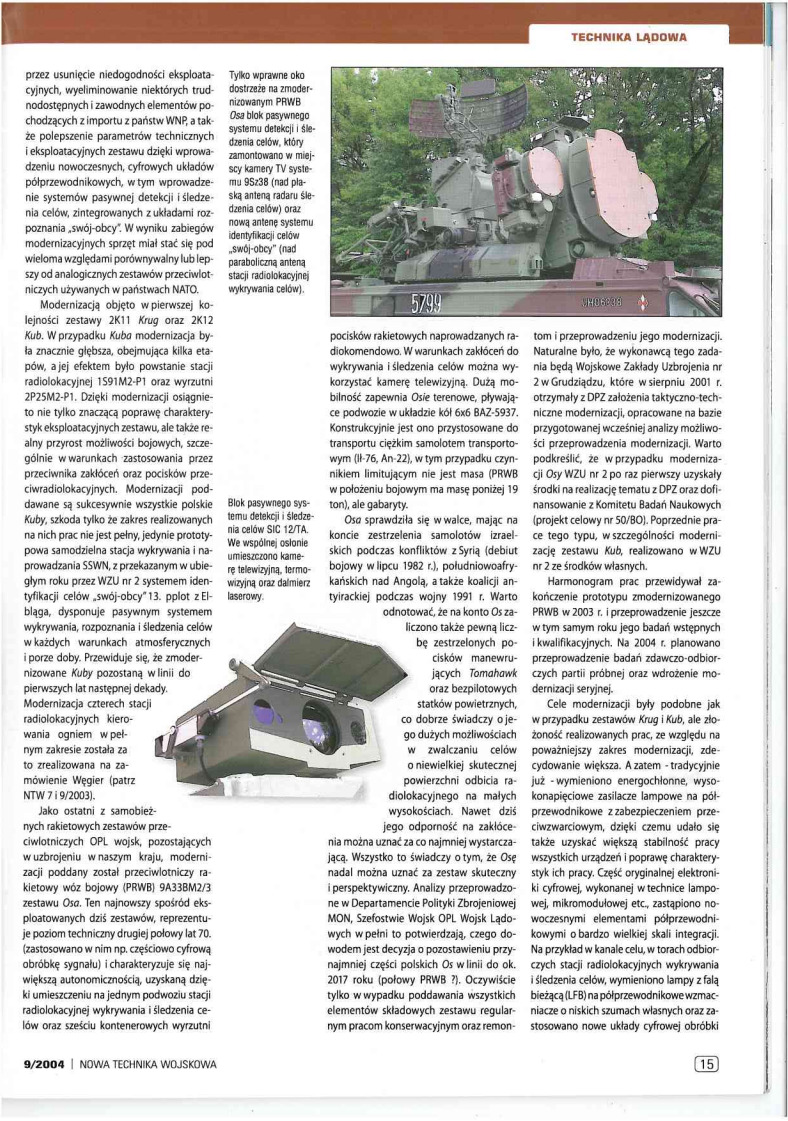
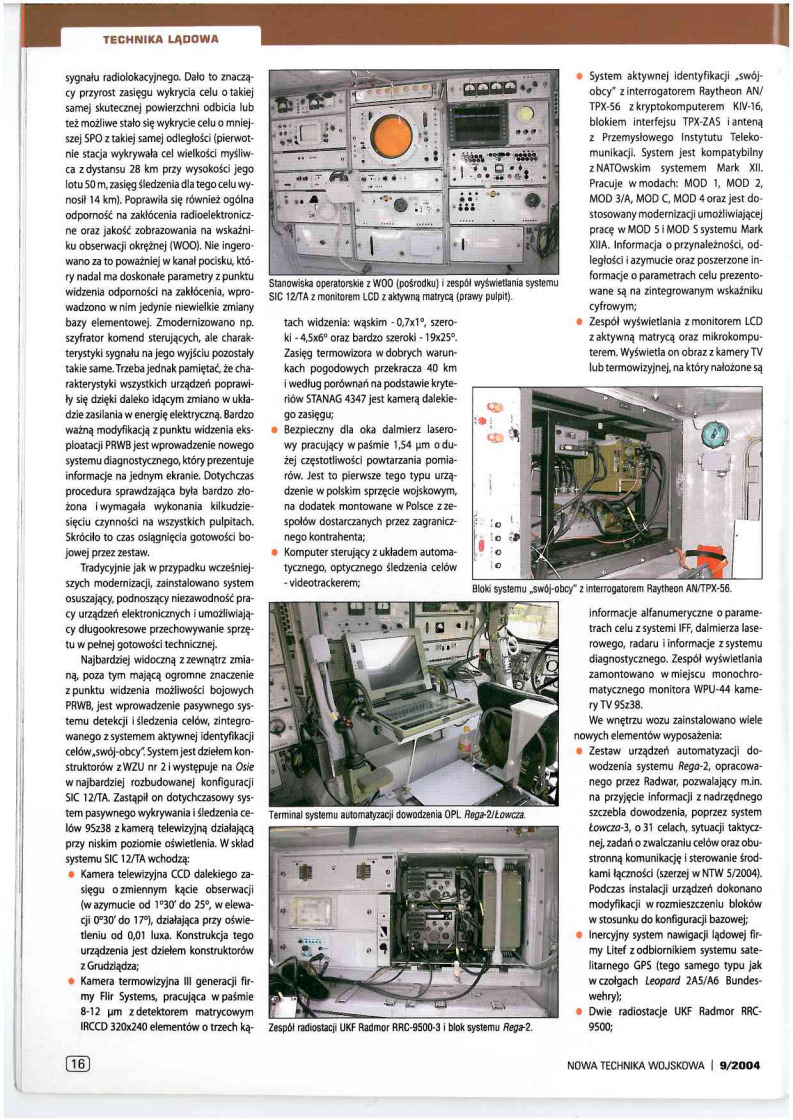
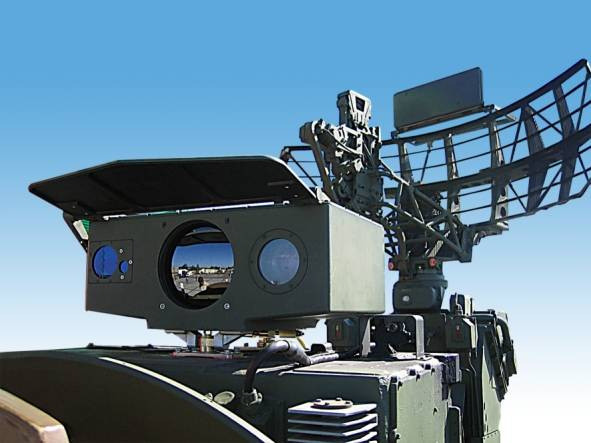
A key feature of the upgrade was the integration of the SIC 12/TA passive optoelectronic system, which combined a daylight TV camera, third-generation thermal imager, laser rangefinder, and automatic target tracking. This allowed the system to detect, track, and engage targets without using radar emissions, greatly improving survivability in contested environments. Additional upgrades included a NATO-compatible IFF system, modern communications, and the Rega-2/Łowcza command and control system developed by Radwar, enabling networked operation within integrated air defense structures.
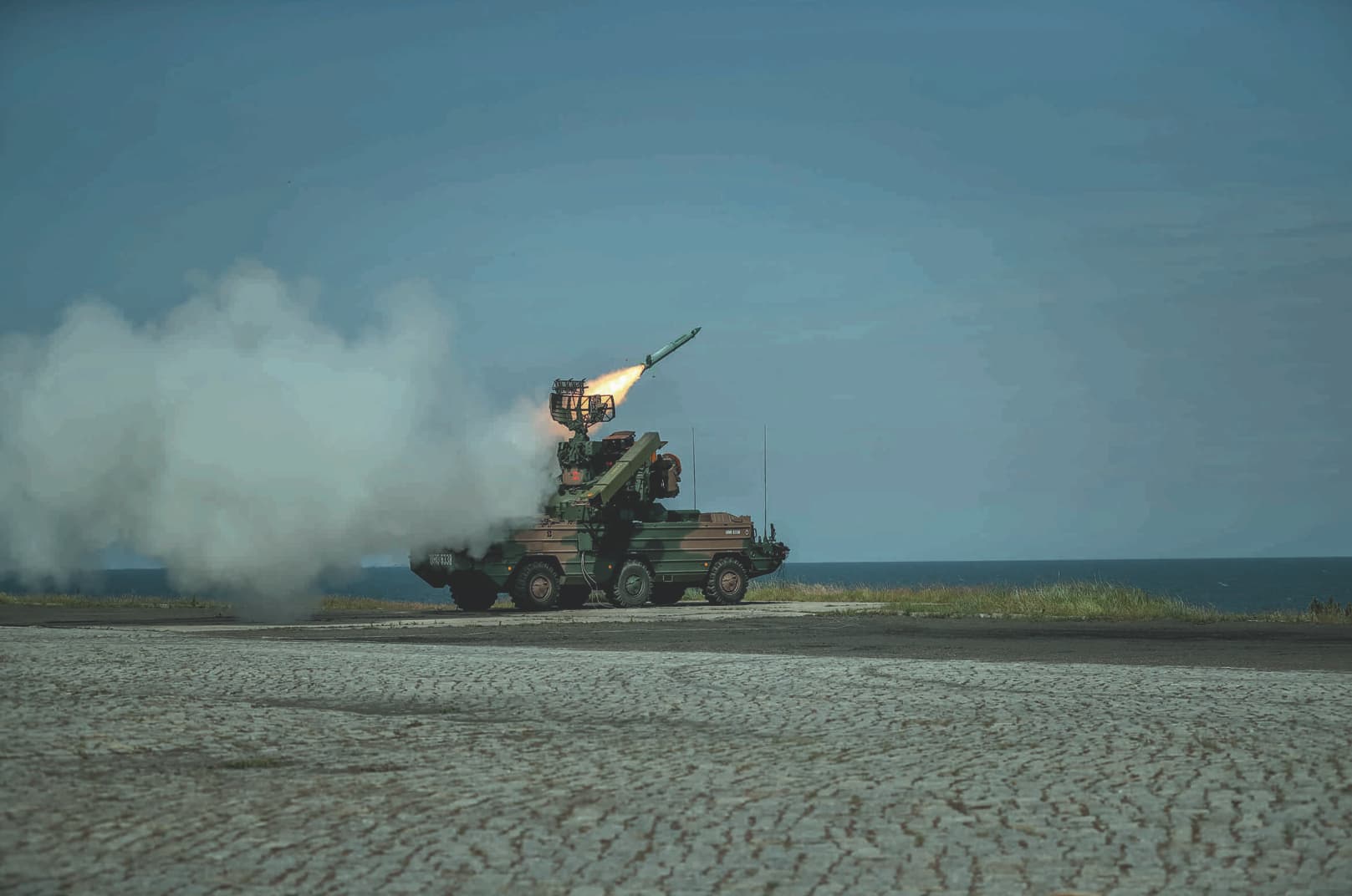
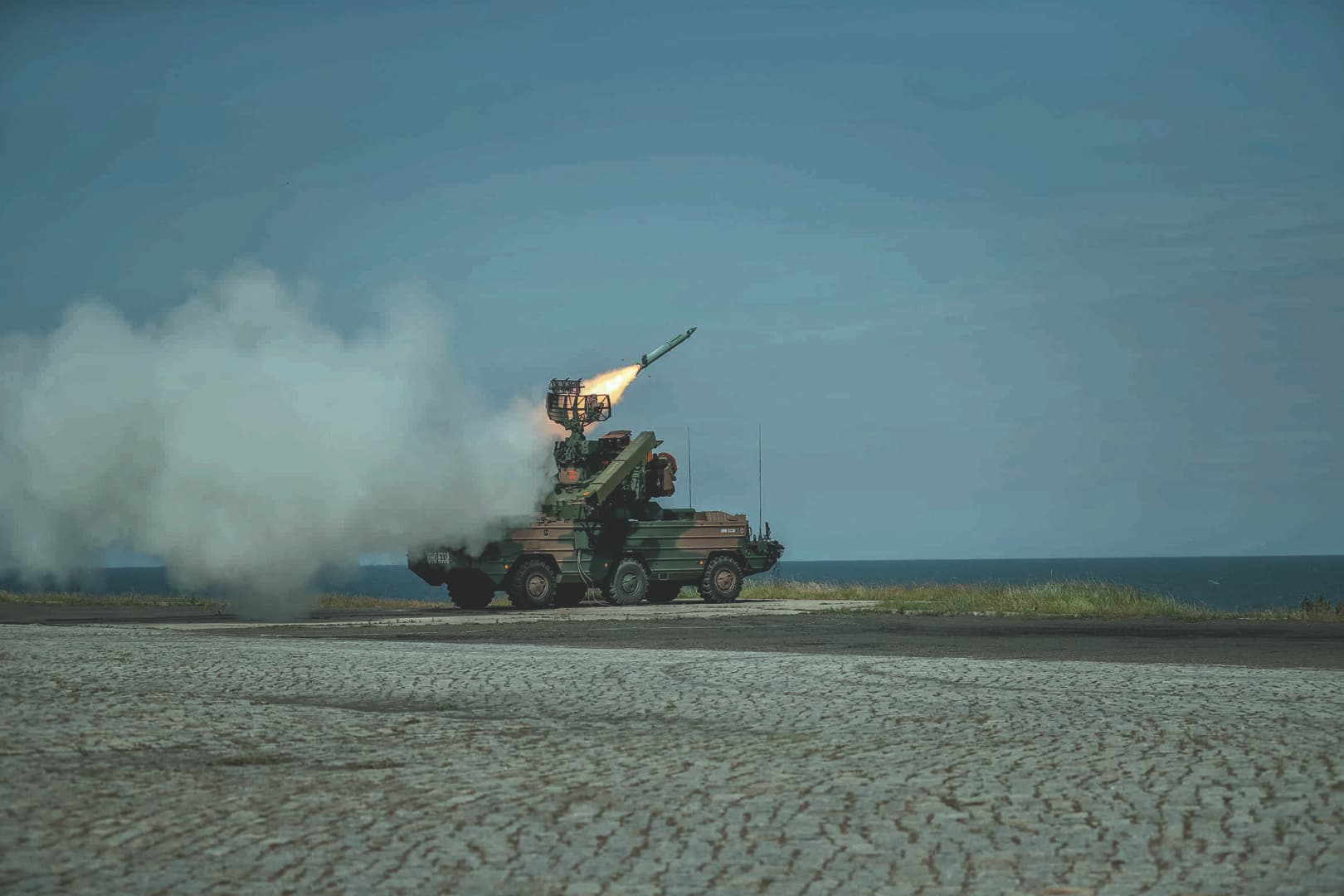
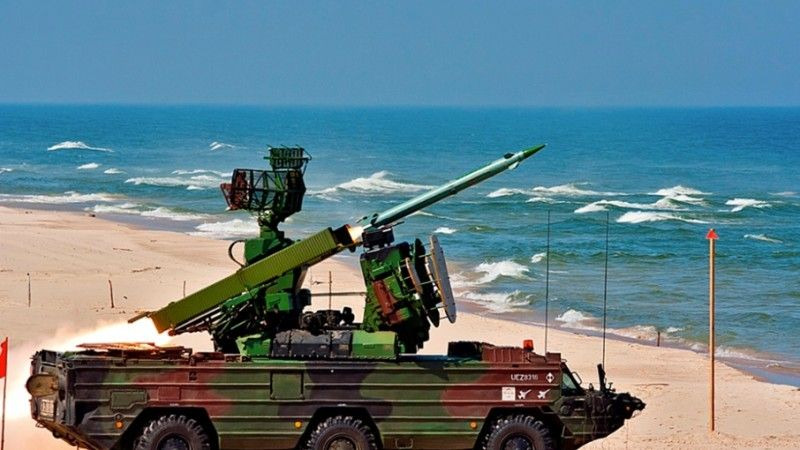
Development of the prototype was completed in 2003, followed by a series of trials and live-fire tests. During testing, the upgraded system successfully demonstrated engagements using only the optoelectronic system, without radar support. After successful qualification trials in 2003–2004, the modernization was approved for service. The upgraded variant was also offered for export as the SA-8P “Sting”, and within Polish service it allowed the Osa to remain operational into the 2010s, bridging the gap until the introduction of newer air defense systems.
Armament
Mobility
Details
- Engine: D20K300 diesel
* power:300 hp- Transmission: Hydromechanical transmission
- Gears:10-Forward, 2-Reverse
- Max Speed: 60Km/h
- Max reverse speed: 10Km/h
- Weight:18.7 Tons
- Suspension: Torsion Bar
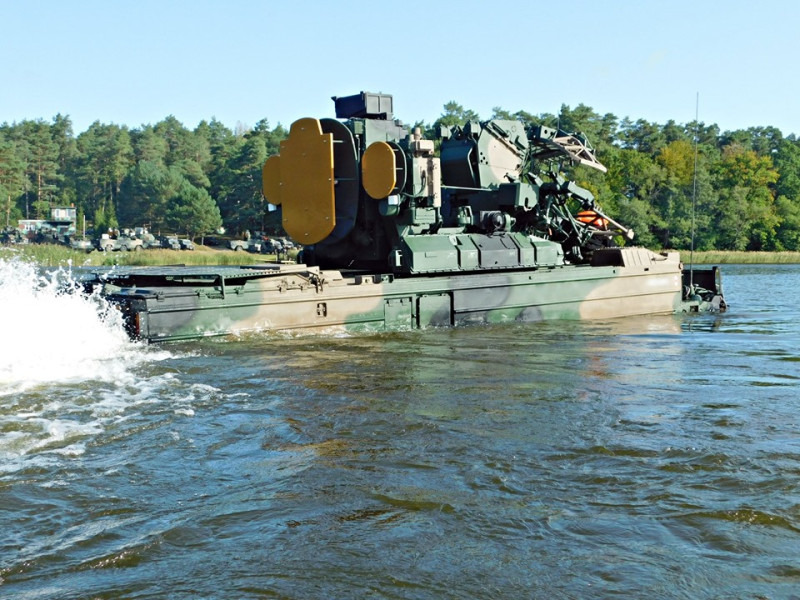
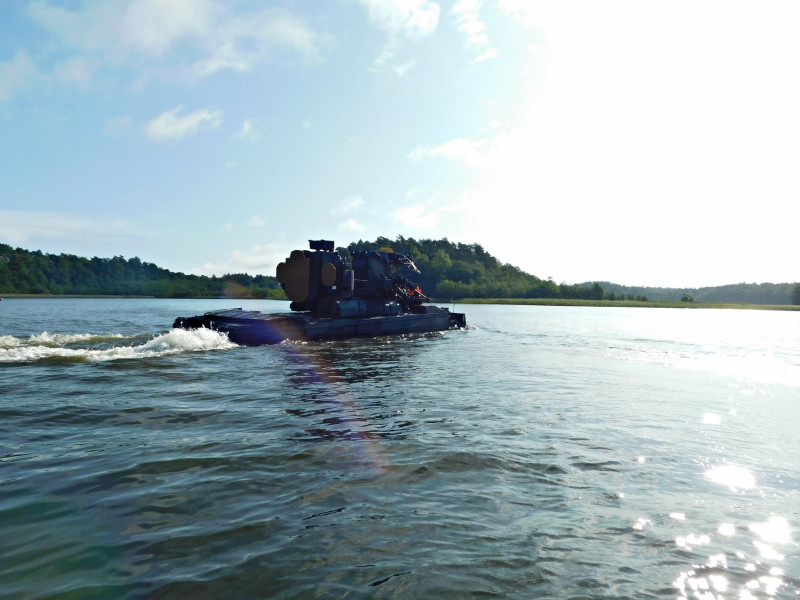
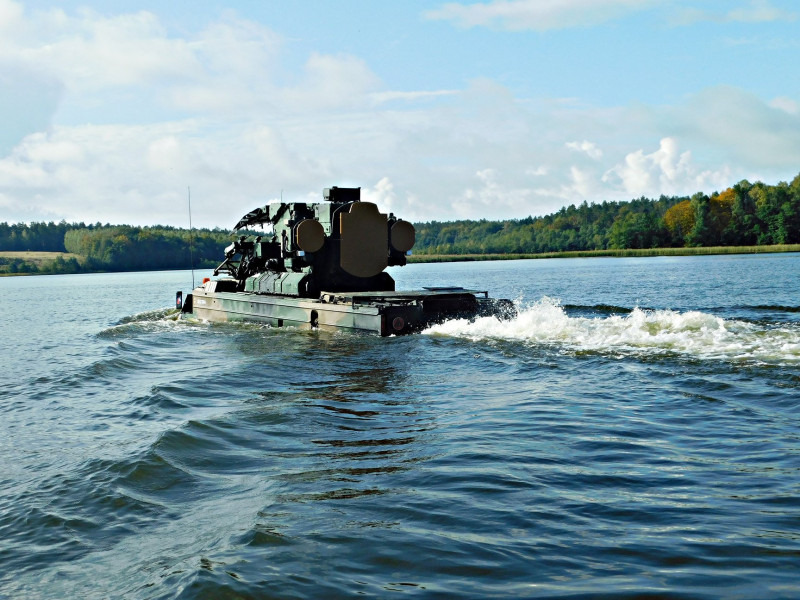
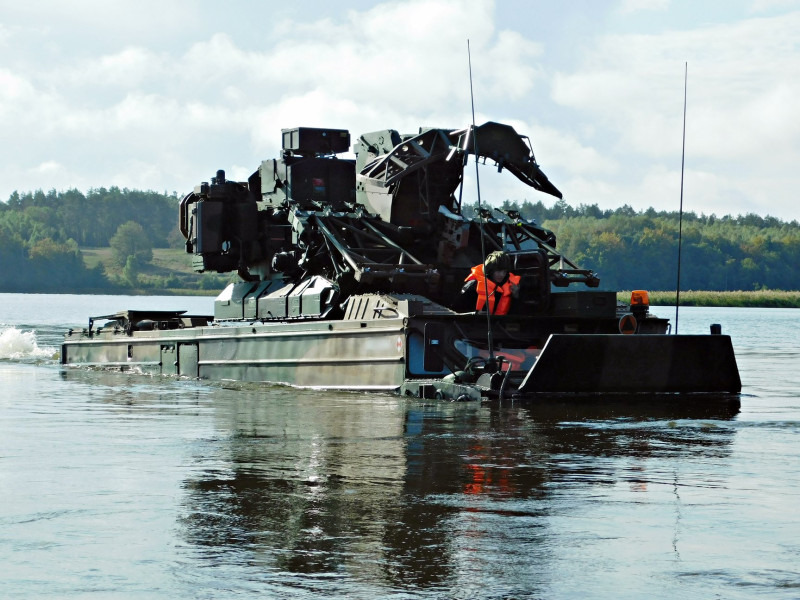
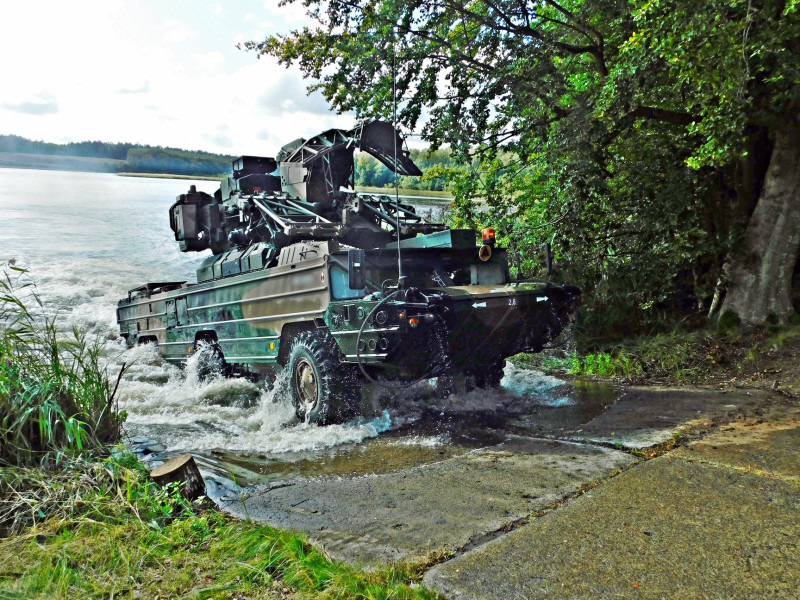
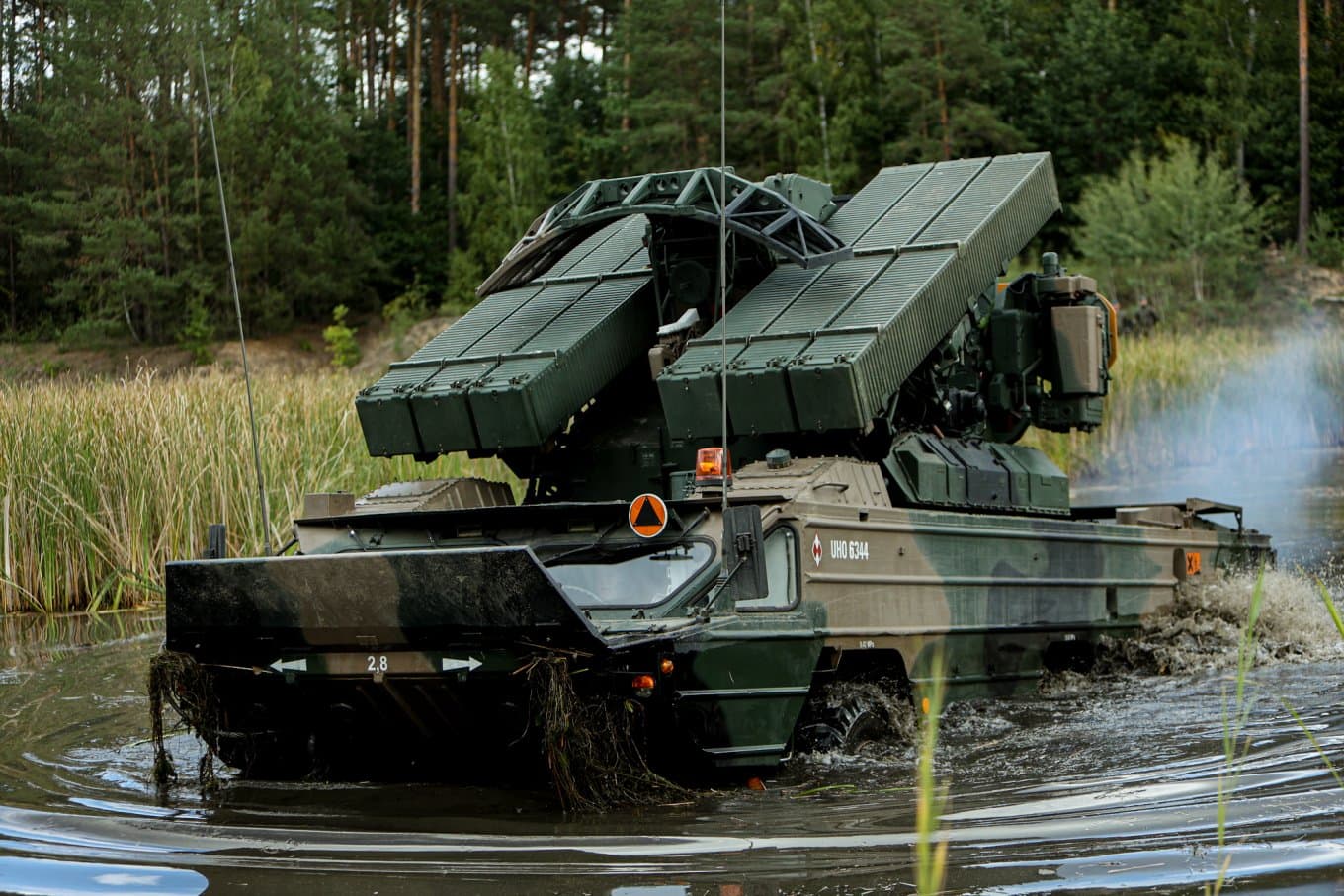
- Amphibious
Armour
- The same as in-game
Optics, electronics, other
Details
The main scope of the Osa-AKM-P1’s modernisation is focused on optics and electronics, giving it a significant buff compared to its predecessor’s that can be found in-game.
SIC 12/TA passive optoelectronic tracking system
3rd generation (FLIR Systems)
Thermal camera
- 3rd generation
- Very wide FOV: 25° × 19°
- Wide FOV: 6° × 4.5°
- Narrow FOV: 1° × 0.7°
Day camera
- Wide FOV: 25°
- Narrow FOV: 1.5°
- Low-light capability: 0.01 lux
Video Tracker
Laser rangefinder
This new upgrade allows the Osa-AKM-P1 to track the target without the use of its radar.
Other scopes of the modernisation:
Sources
Modernizacje - WZU
Modernizacje zestawu 9K33 Osa.pdf - Publikacje - Systemy przeciwlotnicze - filkle - Chomikuj.pl