- Yes
- No
(This post is a complete Repost of this thread in the older Forum)
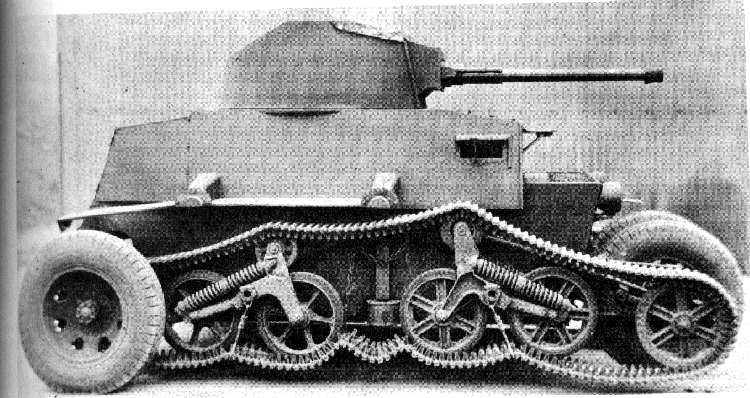
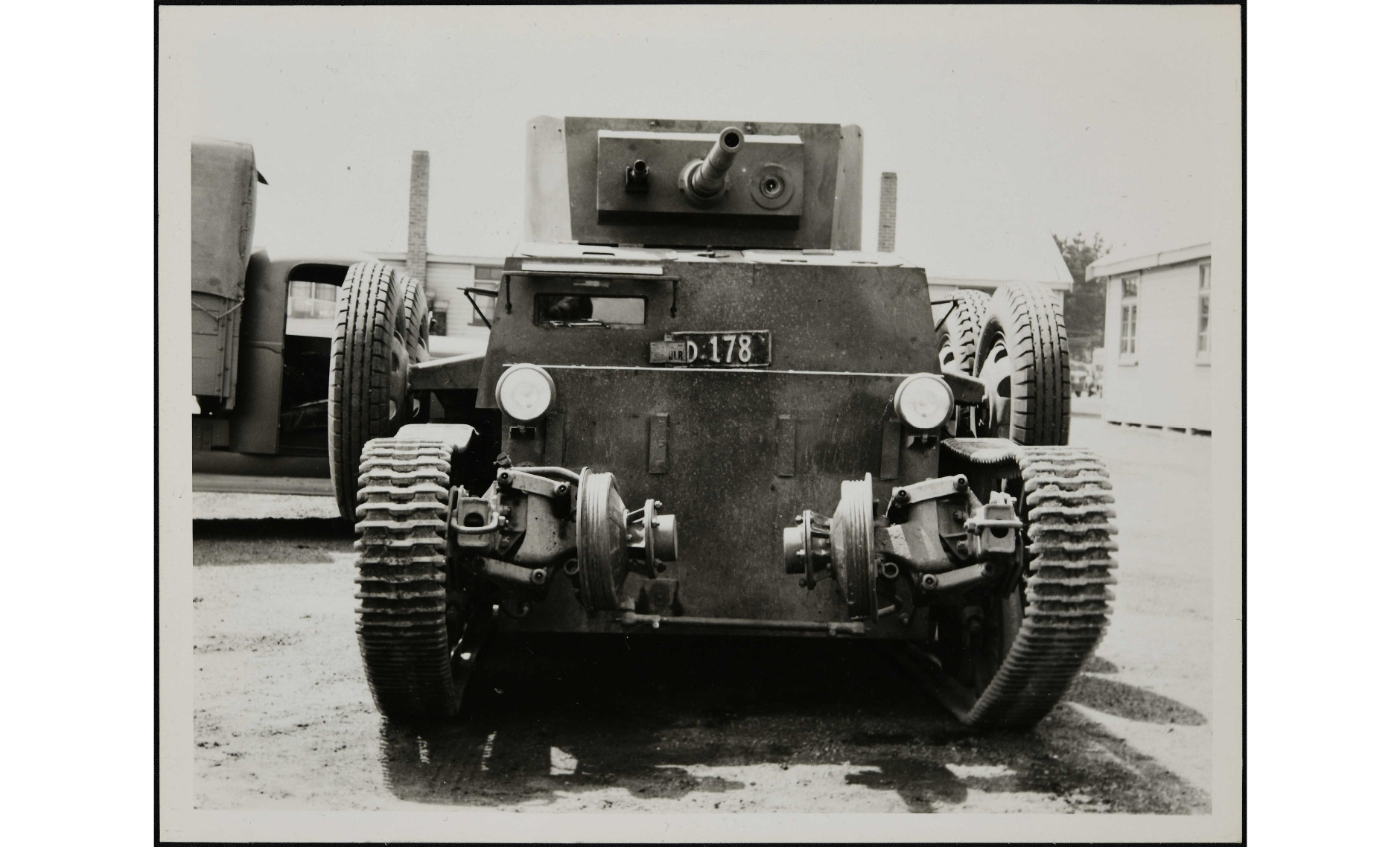
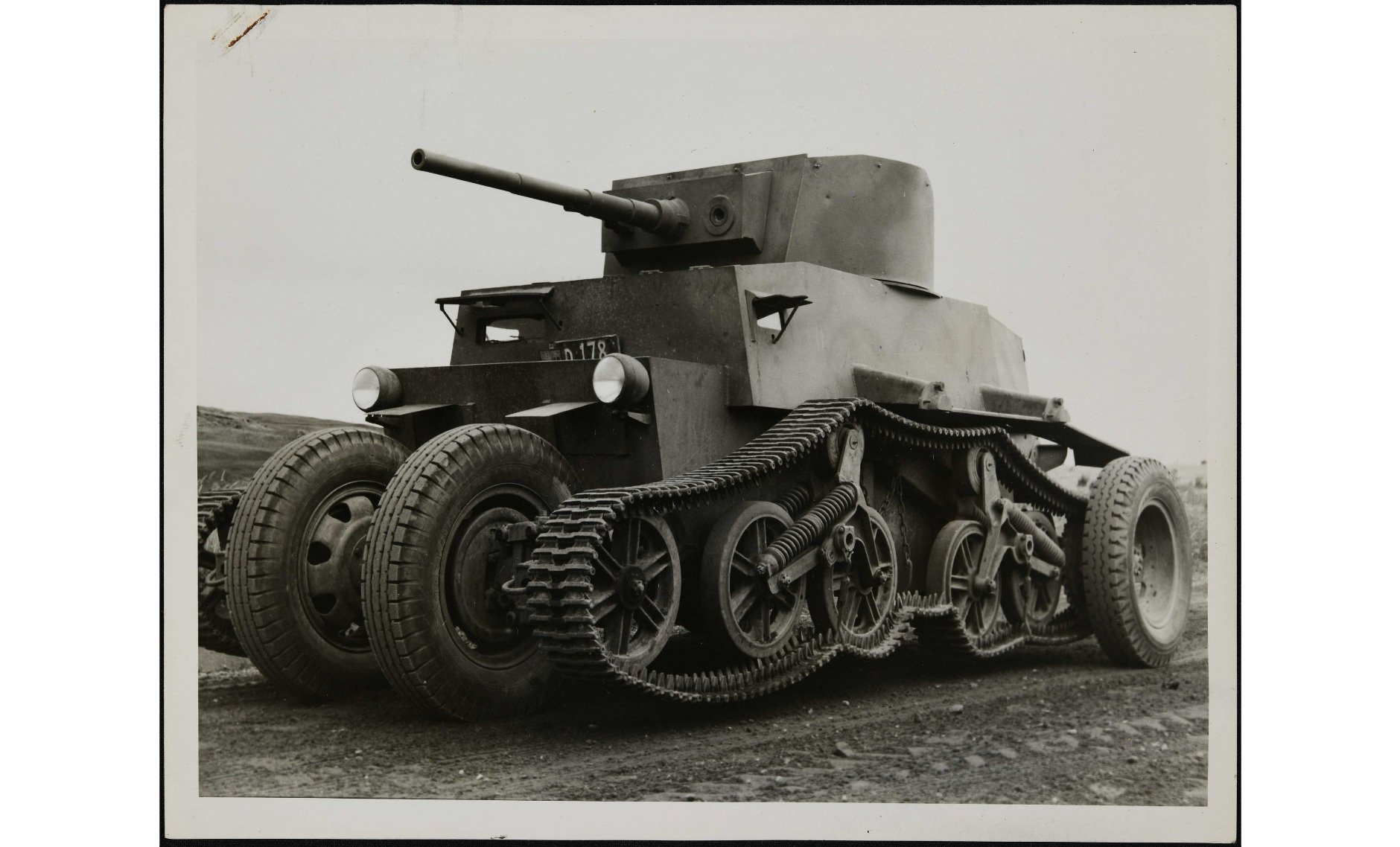
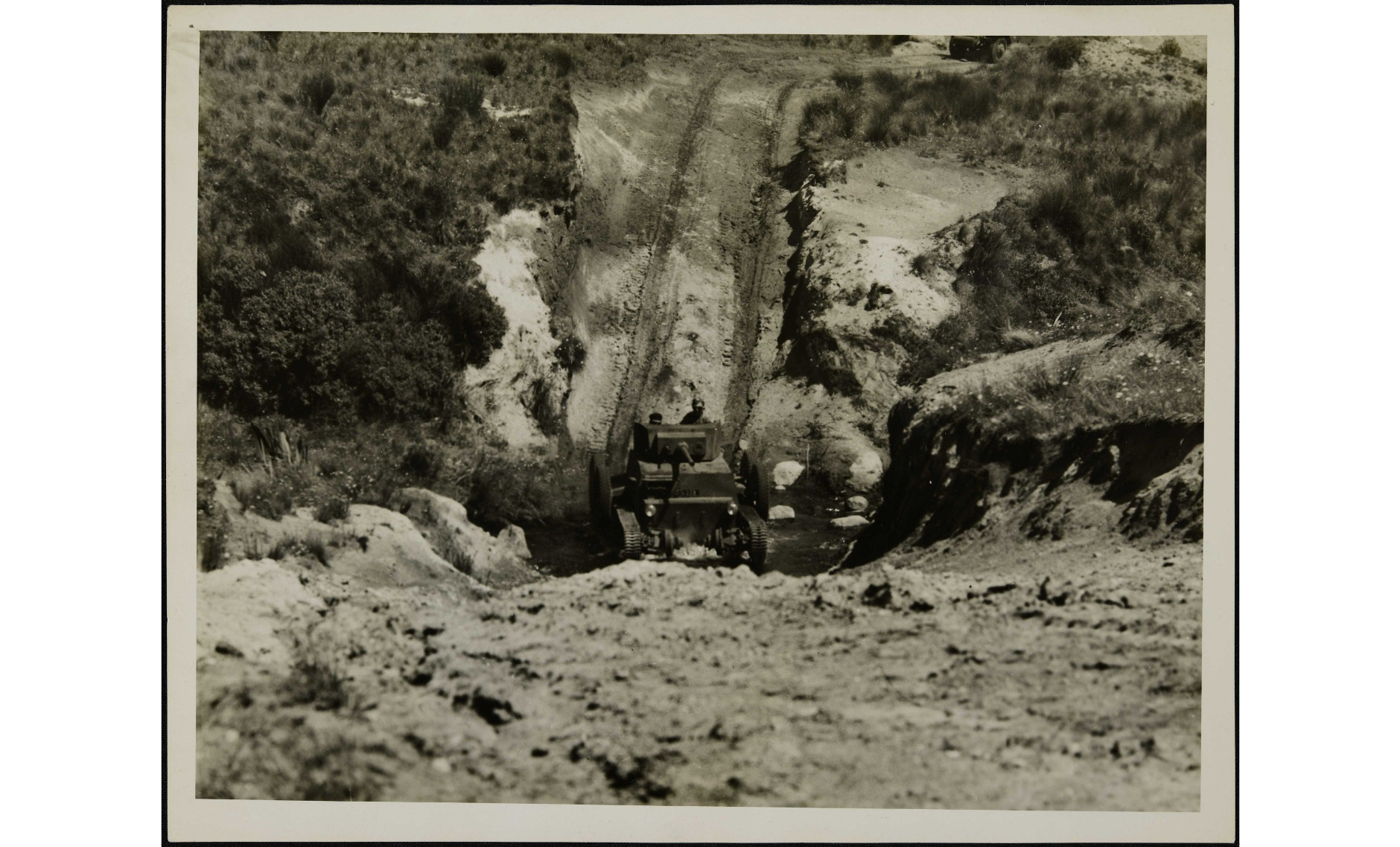
From the desperation that gave us the Bob Semple tank, New Zealand presents the Schofield Tank, an unorthodox prototype light tank with an ability drive on either its treads or wheels.
History
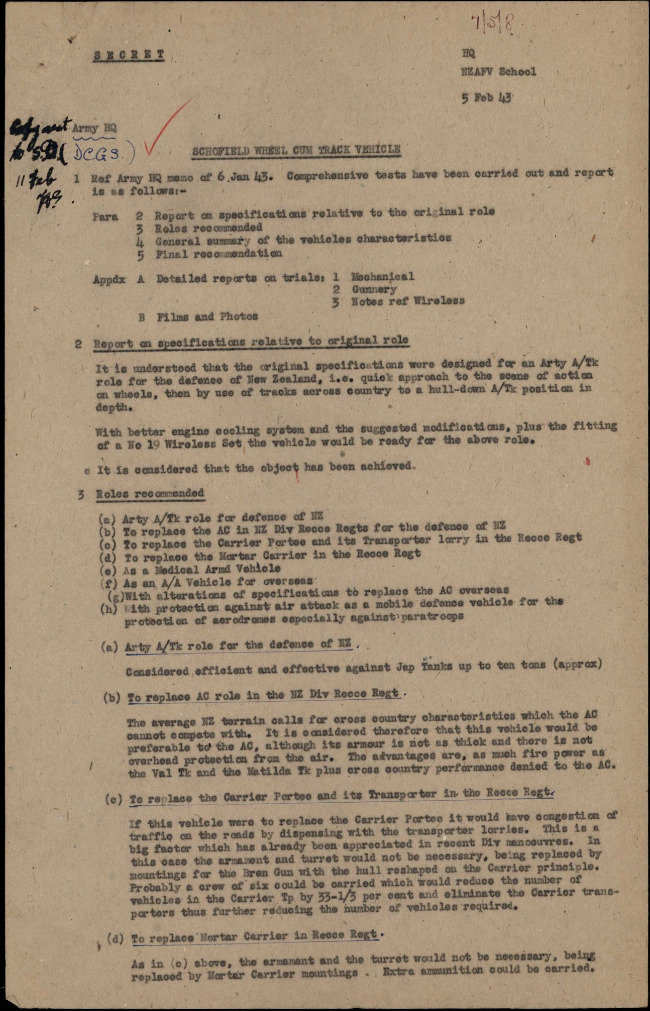
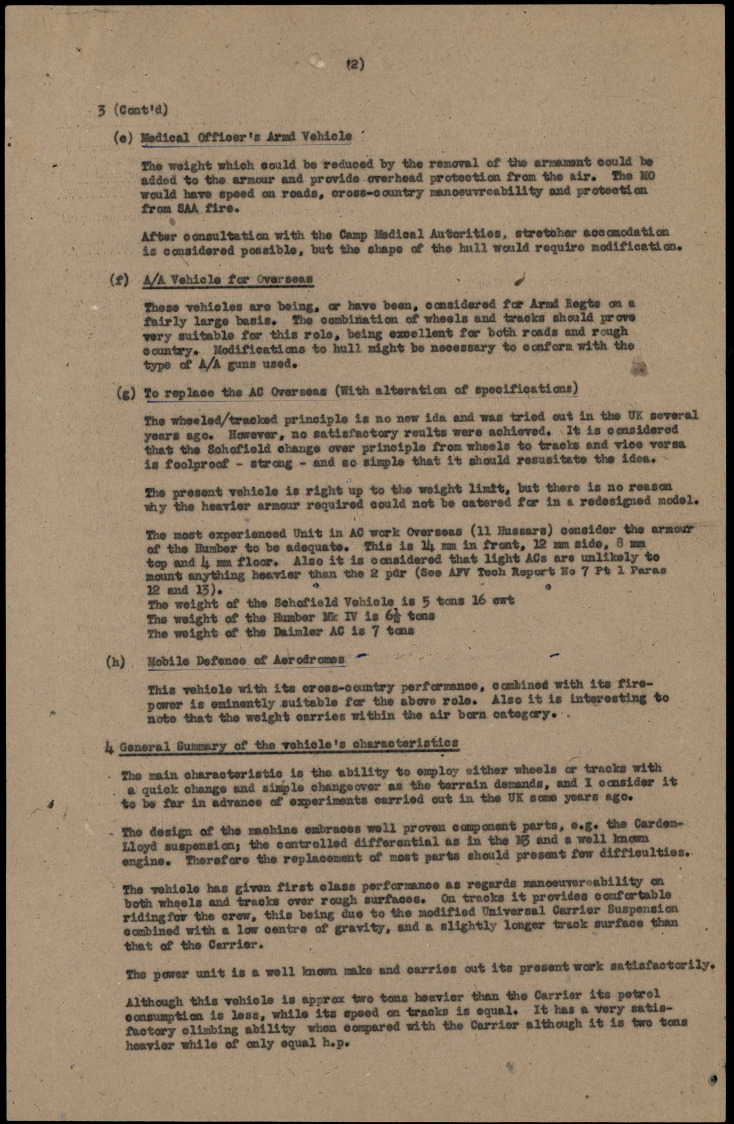
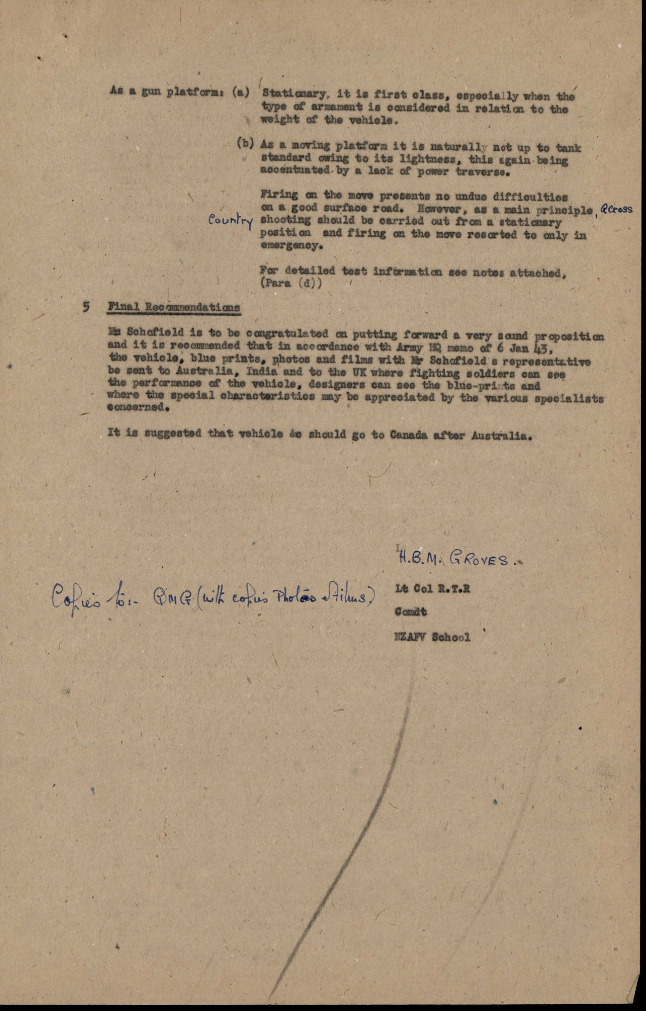
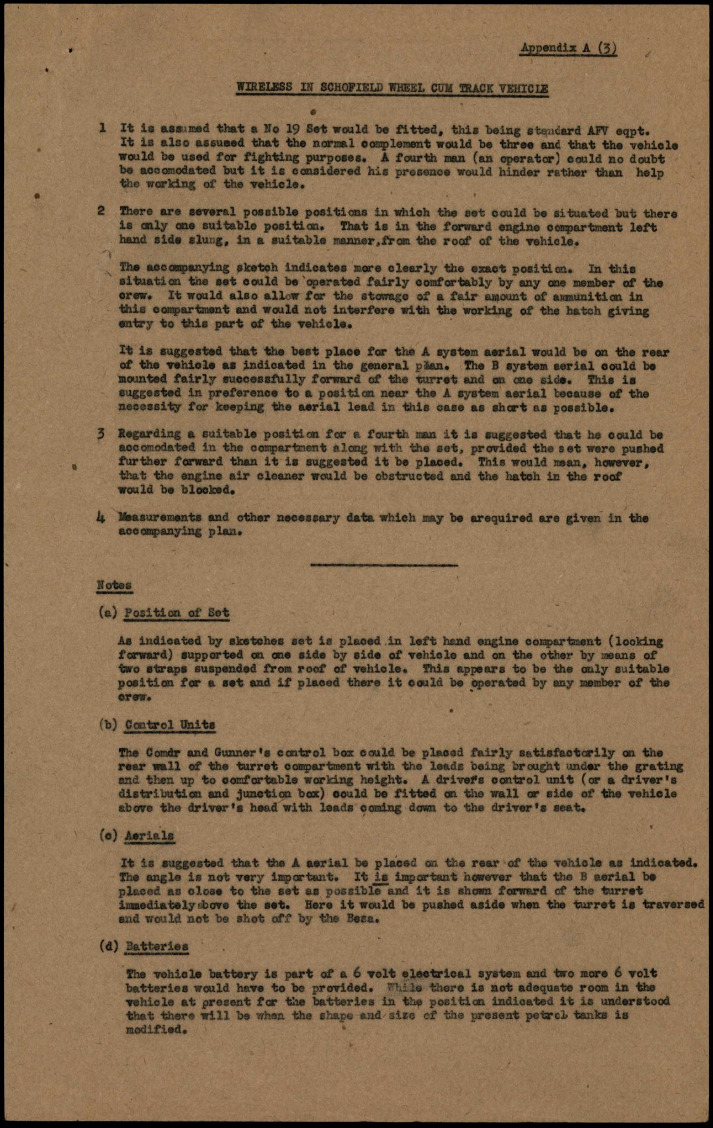
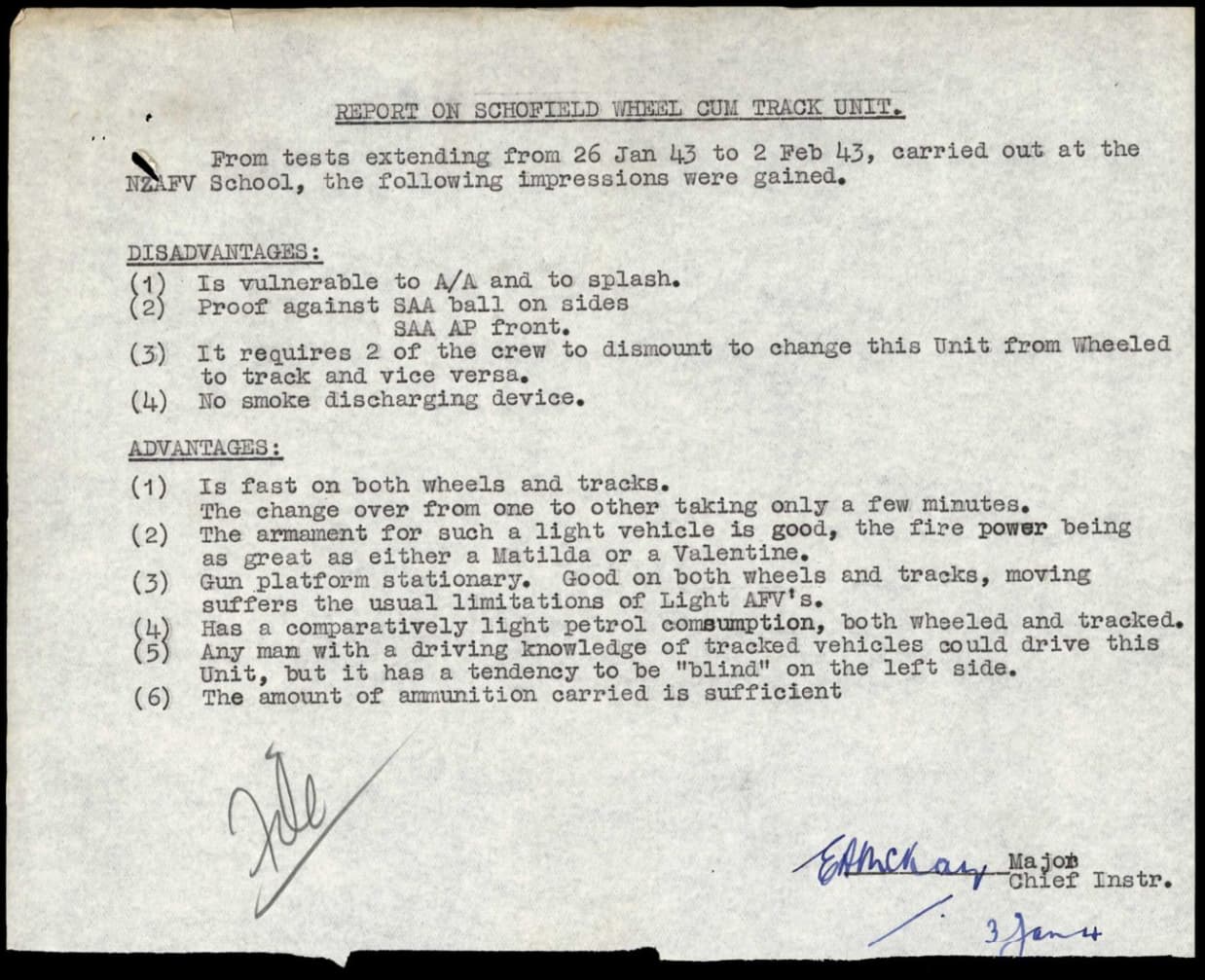
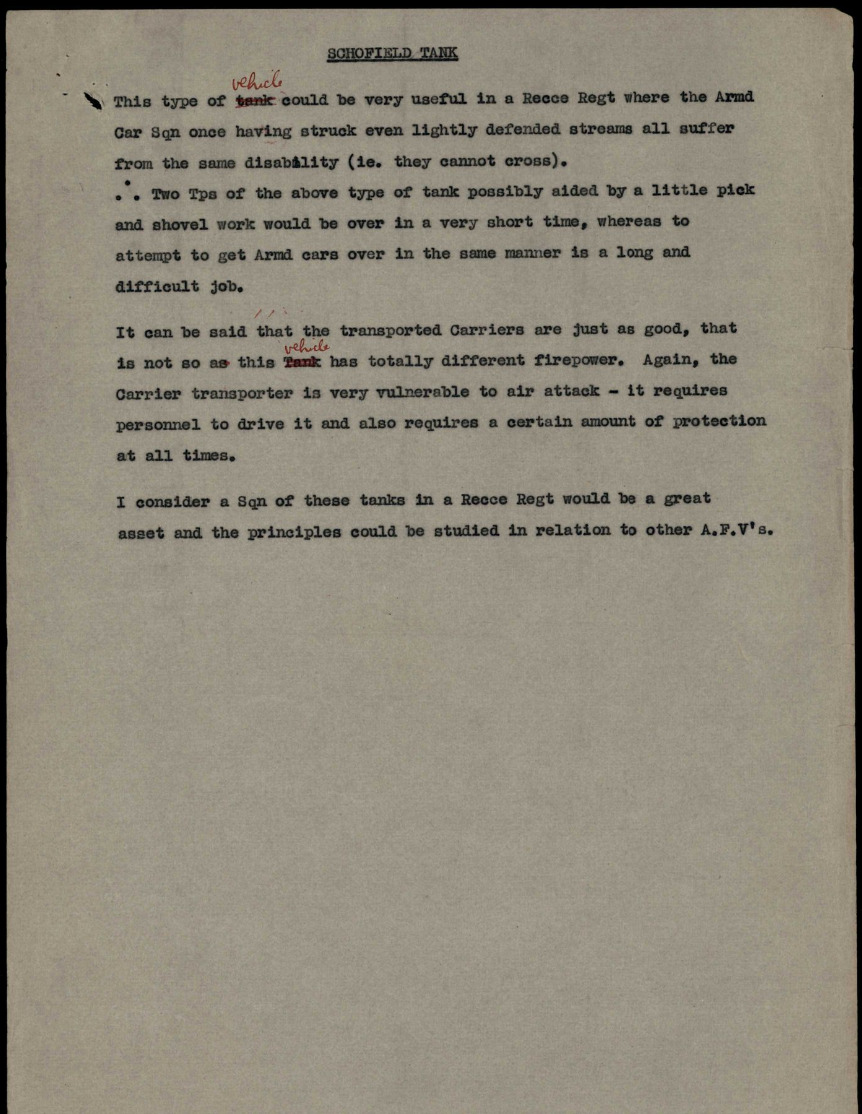
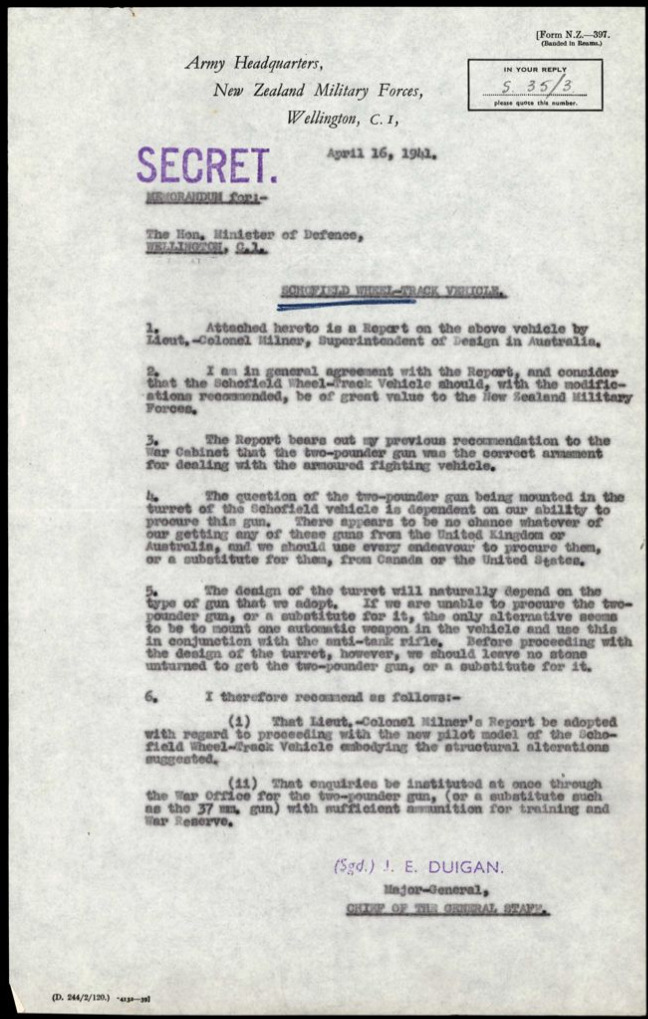
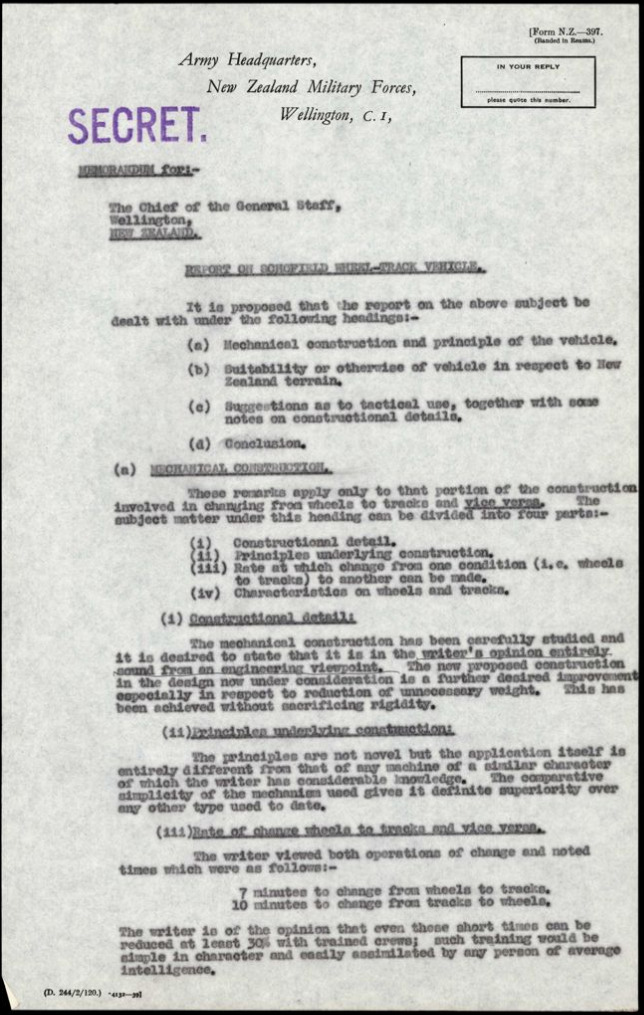
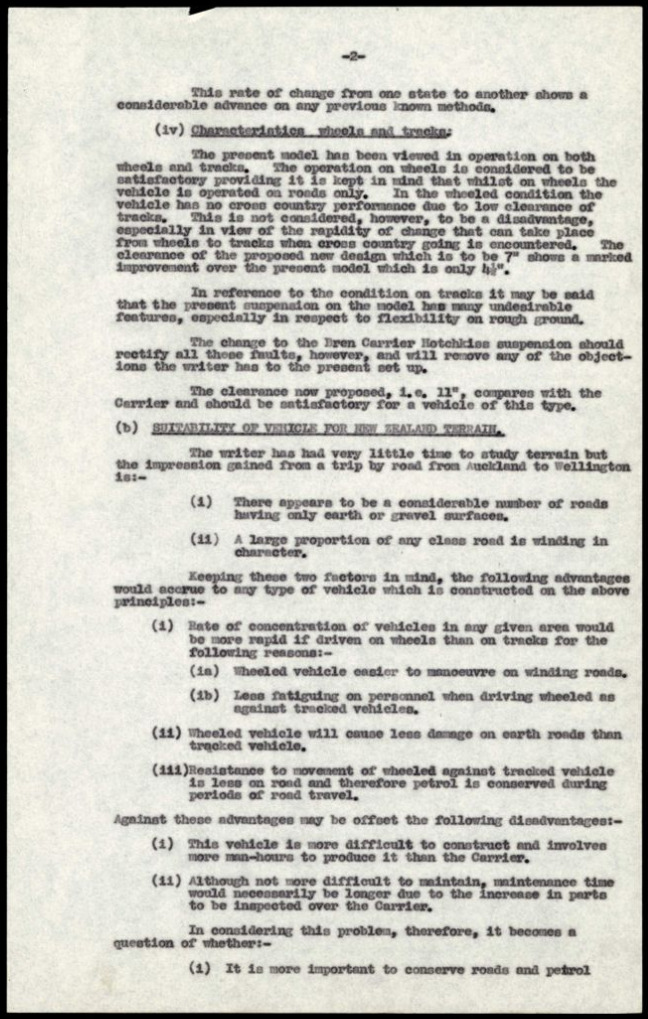
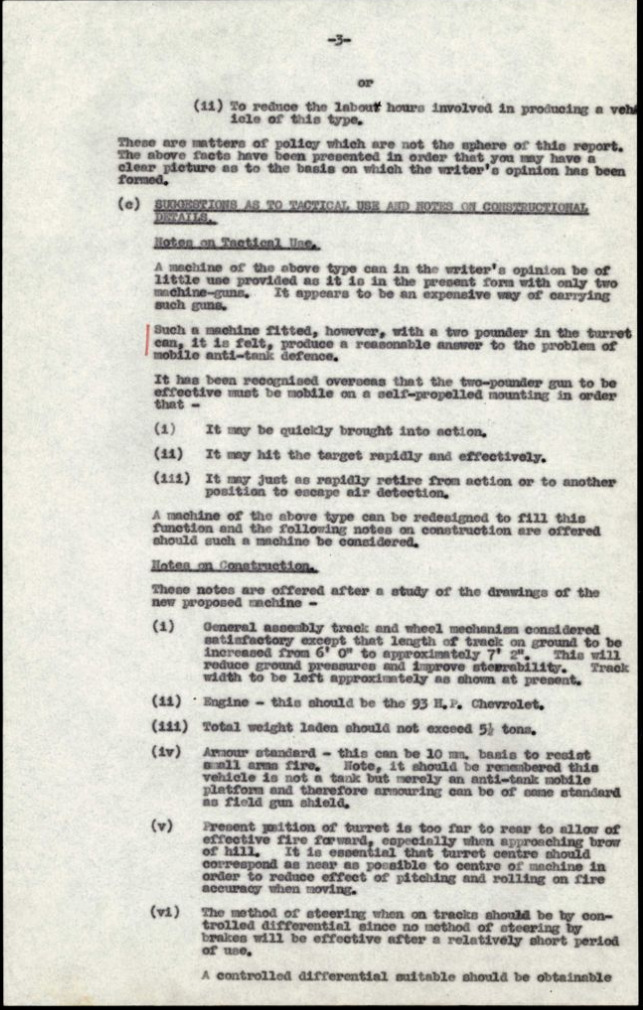
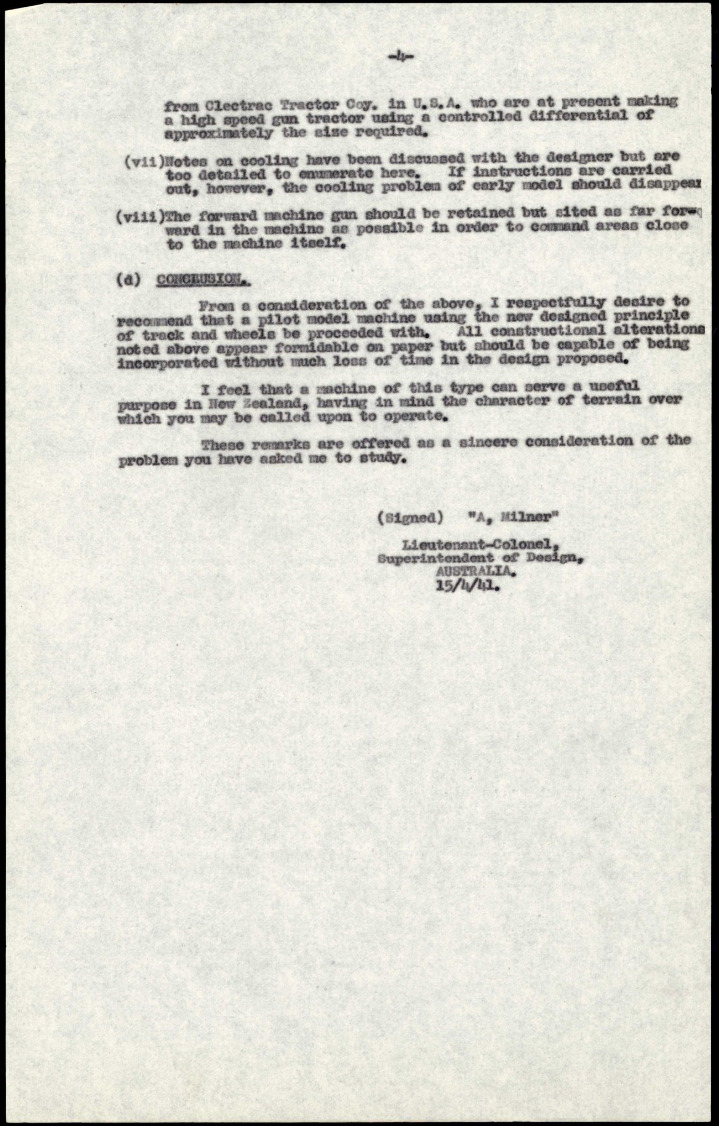
With the prediction that Japan’s expansion would reach the shores of New Zealand and no guaranteed aid from Great Britain, government officials sought to develop some domestically produced armored vehicles. And in 1940, E.J. Schofield from General Motors created a design on a wholly original light tank that was fully built in December of that year. Tests were conducted in Auckland, resulting in several issues being raised with the vehicle. Further development would finally result in the second prototype taking form in December of 1942. Unlike the contemporary Bob Semple and the initial prototype that was simply armed with machine guns, the finalized design was closer in form to true tanks, with a OQF 2-Pounder mounted on a turret. The initial response was a positive one, with prospect of it being a high speed ambulance under the medical corps and possibilities of pairing it up with Horsa Gliders to supplement the paratroopers over European theaters. Unfortunately, the production never took off as the Allied began supplying New Zealand (such as American Lend-Lease program) with their respective war machines in 1942; and in mid-1943 it was sent off to Britain to be evaluated at Chobham testing grounds, and that is where it stayed for the remainder of the war. While the outcome of the machine is unclear, it is believed that it was scrapped after the conflict.
Specifications
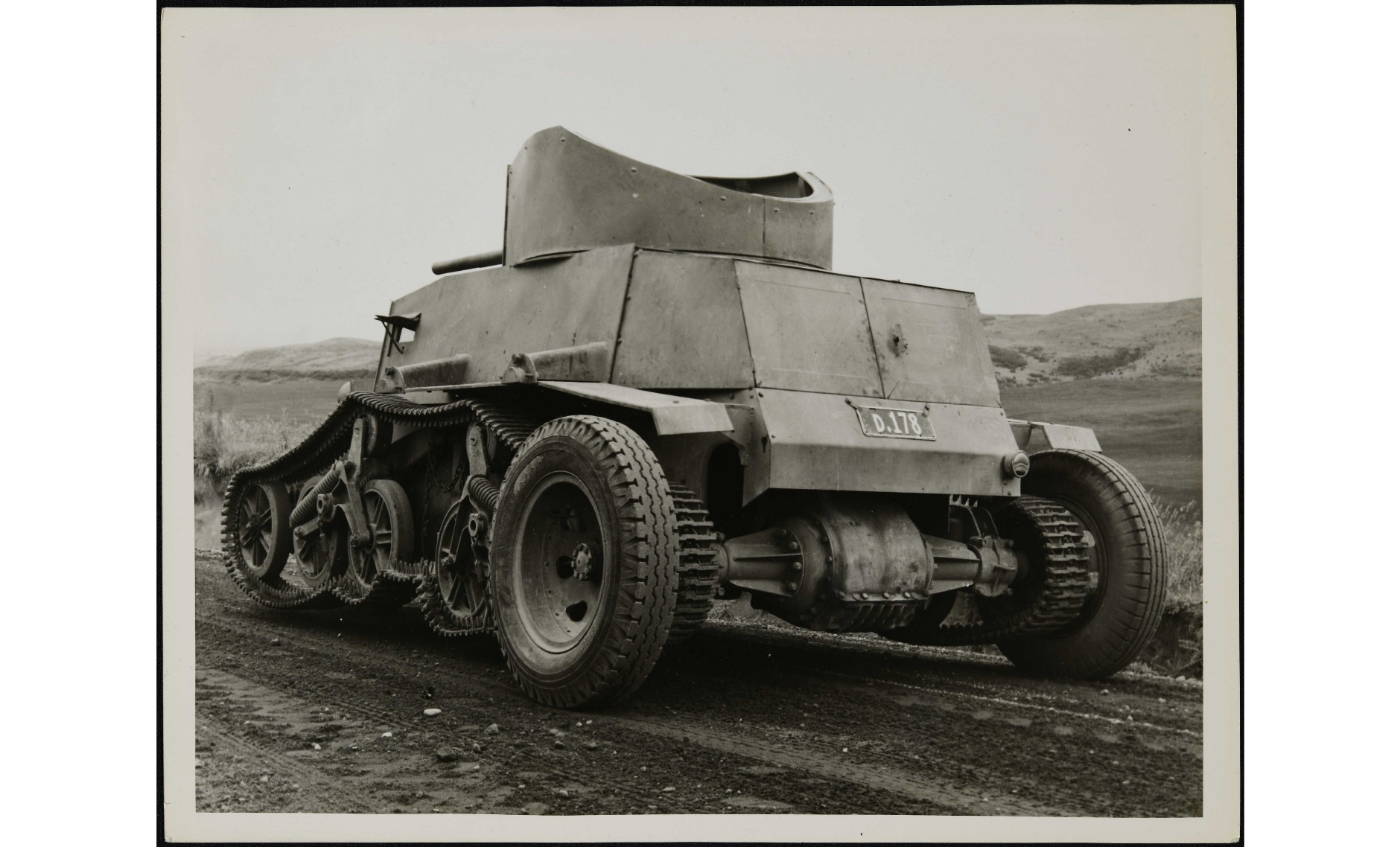
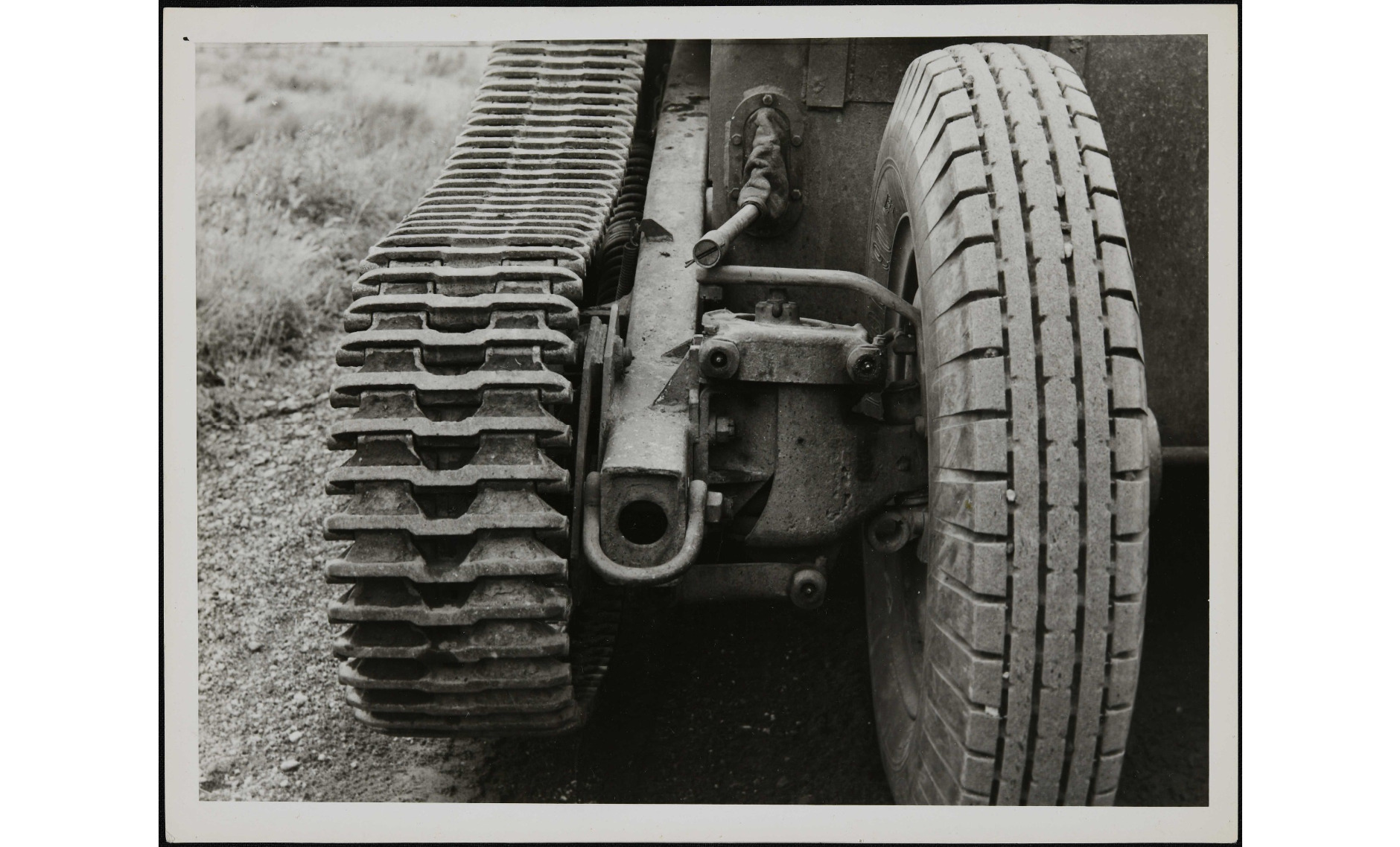
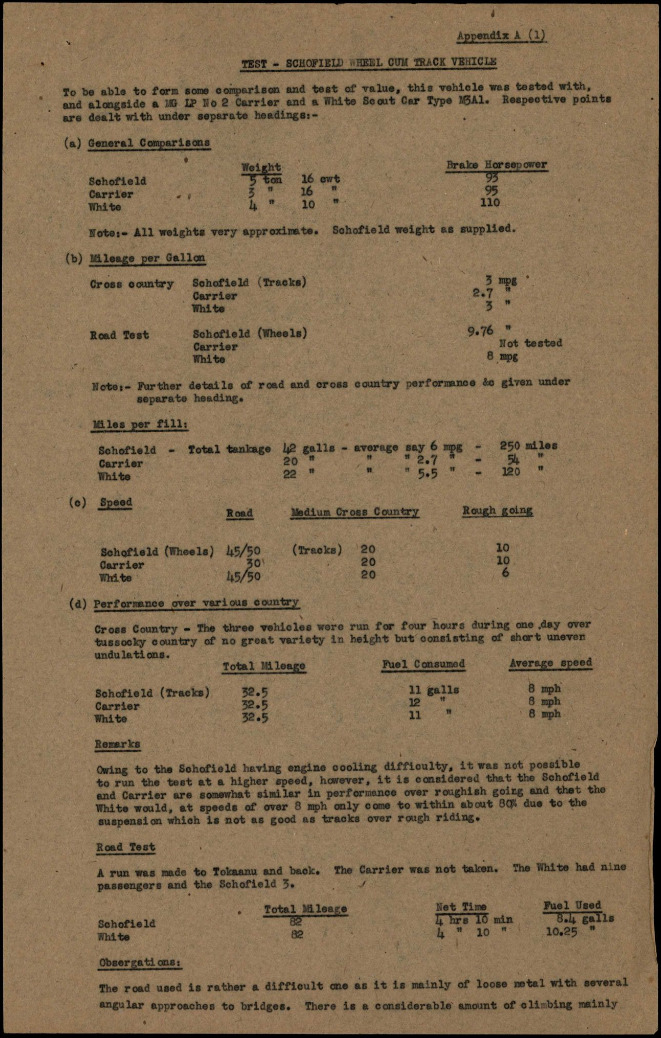
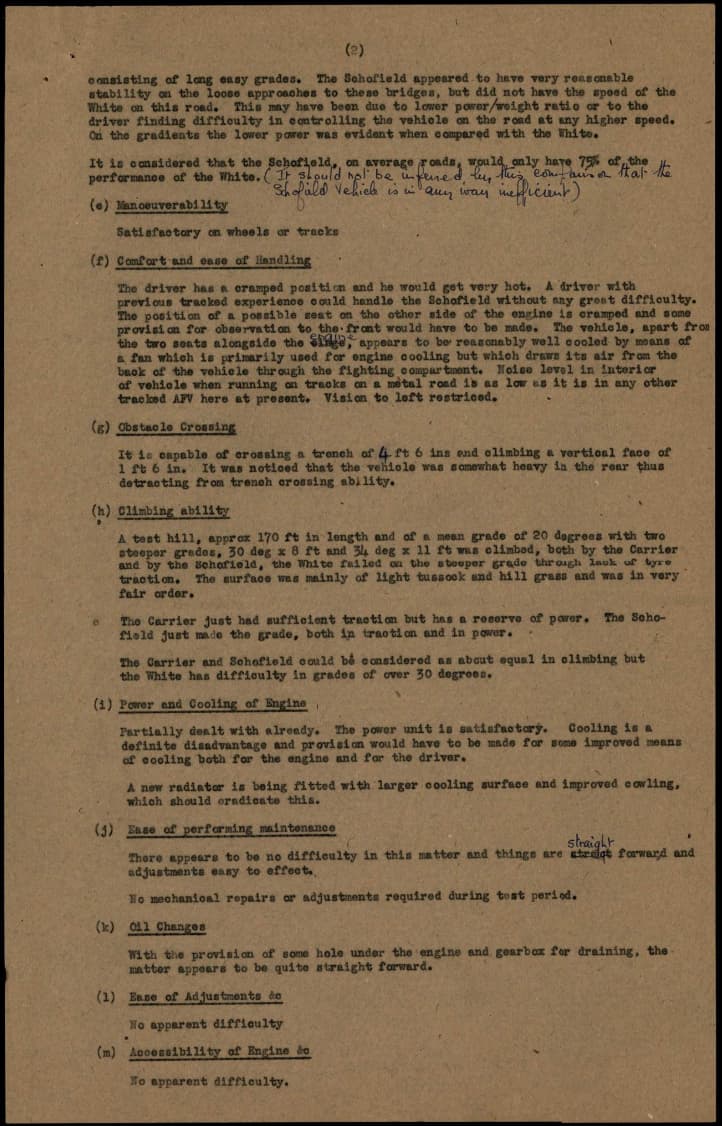
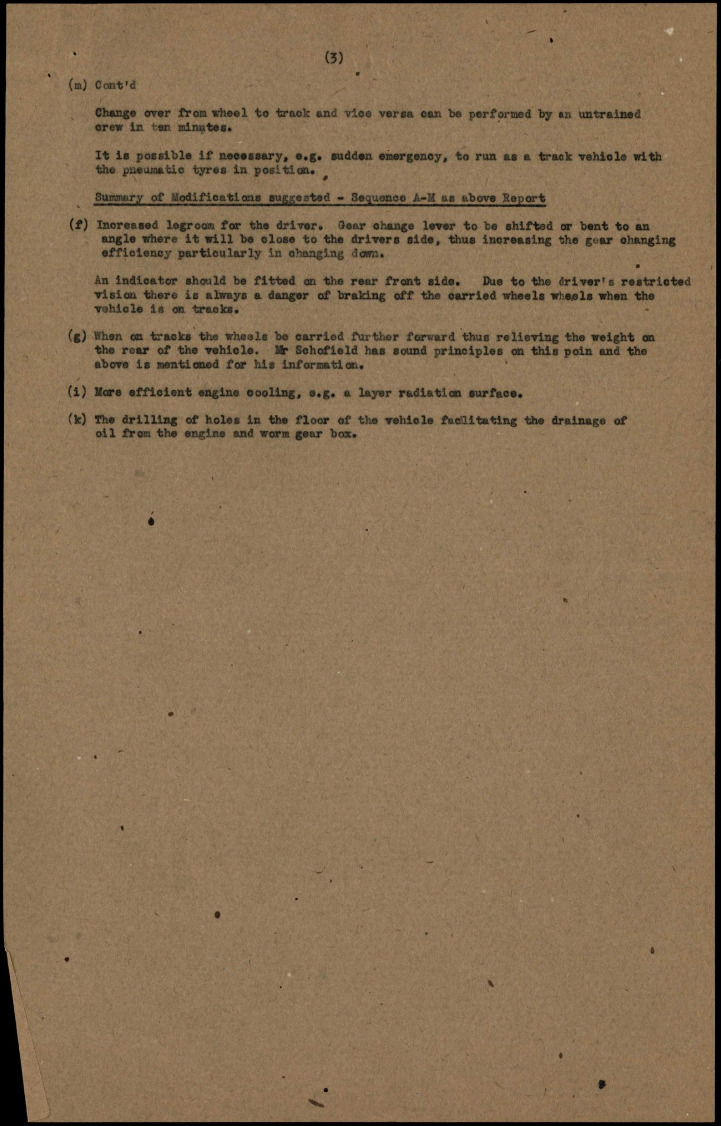
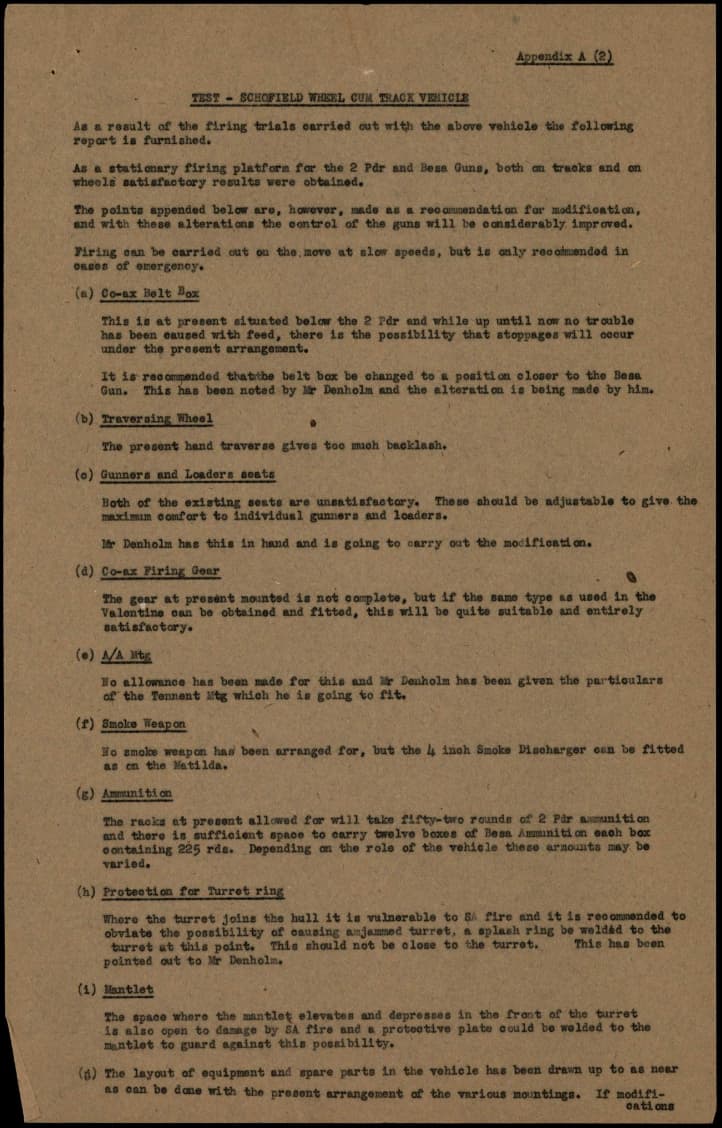
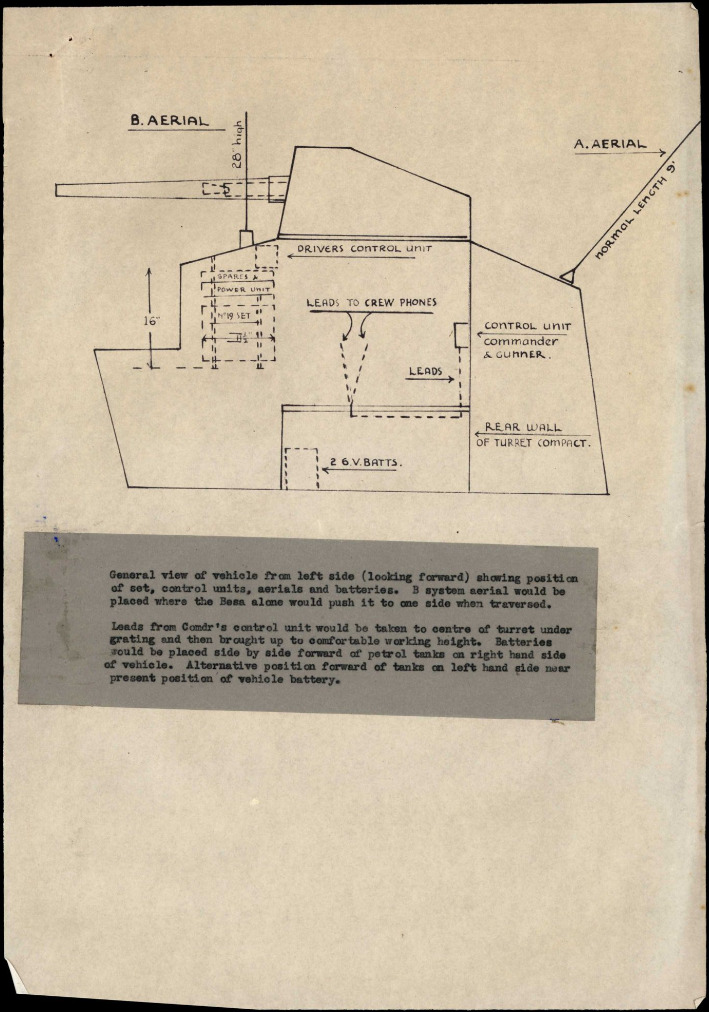
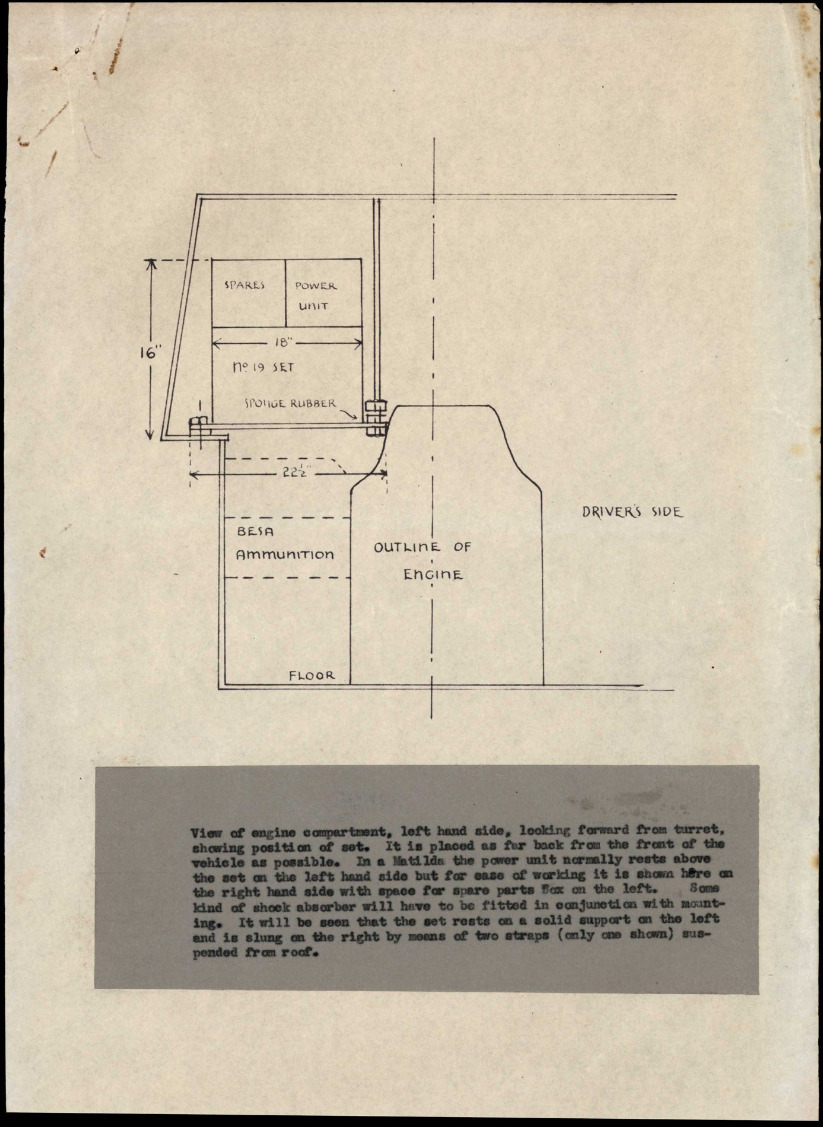
Built upon the frame of the Chevrolet truck chassis and riding on top of Horstmann suspension from the British Universal Carrier, the tank was powered by the front mounted Chevrolet six-cylinder engines that output 30 horsepower to the rear drive sprocket, granting the respectable speed of 43 km/h (26.7 mph). But perhaps one of the more unique quirks of the vehicle is the ability to lower its drive wheel and idlers and connect them to truck wheels. With the track held off the ground with chains, the conversion allowed the vehicle to travel at 72 km/h (44.7 mph). When not in use, these tires are mounted on racks on the side of the hull. Defensively, it was equipped with 6-10mm of armor platings supplied by Hutt Valley Works under New Zealand Railways; while offensively, it is armed with an Ordnance QF 2-Pounder with a co-axial 7.92mm BESA machine gun.
Length: 13.1 ft (4m)
Width: 8.2 ft (2.5m)
Height: 6.9 ft (2.1m)
Weight: 11,684 lbs (5,300 kg) / 5.8 Tons (5.3 Tonnes)
- (Interestingly, Source 3 (Translated) states that the vehicle actually weighs 6.5 Tons)
Manufacturer: E.J. Schofield/State Factories (New Zealand) / Hutt Valley Works
- (Some sources spelled this as Hull Valley Works, however a search showed that Hutt Valley was a company that was in operation at the time and was tied to the railway construction)
Engine: x1 6-cylinder Chevrolet 235 l / s; Transmission: Marmont-Herrington CTLS-4TA (29.5 horsepower)
Top Speed:
- Tracked = 26.7 mph (43 km/h)
- Wheeled = 44.7 mph (72 km/h)
-
- (Source 3 says (Translated): “The tank developed about 50 miles [per hour] on the highway and 20 miles [per hour] on rough terrain.” Might suggest the top speed of their respective modes as opposed to top speed of just wheeled mode.)
Armor:
- Turret = Front: 11mm, Sides and Back: 6mm
- Hull = Front: 11mm, Sides and Back: 6mm, Bottom: 6mm, Roof 4mm
Primary Armament: 1x Ordnance QF 2-Pounder (52 shells)
Secondary Armament: 1x 7.92mm BESA coaxial machine gun (mounted right of main gun; 12-14 boxes of magazine with 225 rounds each, 2700-3,150 rounds total)
Crew: 3; 1 Driver (seated on the right), 1 driver assistance (left of driver), 1 commander/gunner-loader (turret)
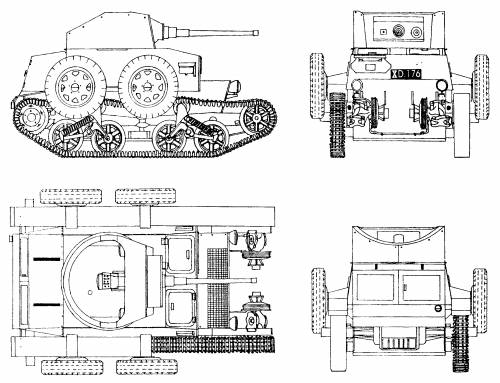
Gameplay
The Schofield would be placed in the tech tree at Rank 1 of the British tech tree, presumably at 1.0 or 1.3 (maybe under A13 Mk. II if the A13s were foldered together?). Its armor would be negligible to its survivability to anything but the weakest of MGs. Instead, it purely relies on its speed and acceptable-at-its-BR cannons for its survival. The key feature of this vehicle; the ability to either be driven on wheels or tracks, would be represented via the modification module (while crew can change the mode on the field, this is too much of a hassle mechanically to be included in the game). While stock, it would be driven on tracks and the players can unlock wheels in the second or third tier of the modification tree. Each mode has its respective perks of tracks being better across varied terrain and weather conditions while wheels trade that for faster speed on paved roads. While the wheels are stowed (i.e. modification deselected/not researched yet), perhaps the wheels on the side of the vehicle can act as a marginal additional layer of armor, game mechanically similar to the tracks armor modification.
The turret rotation is done with hand crank so it would be slower than powered turret (if it faces any in that BR bracket at all), although this is slightly mitigated by the turret’s light weight thanks to its minimal armor. However, as the commander has the additional roles of being a gunner and loader, the vehicle would have a longer reload speed compared to other vehicles with the OQF 2-pdr. On that note, as the sole vehicle was constructed in 1942, it would lack the option to use shells developed for the cannon after that point.
(Side Note: Although Source 2, 3 and 4 alongside some of the available pictures suggest that the vehicle is open topped, Source 1 and the 6th picture in the gallery below suggest it can be enclosed.)
Additional Photos
Spoiler


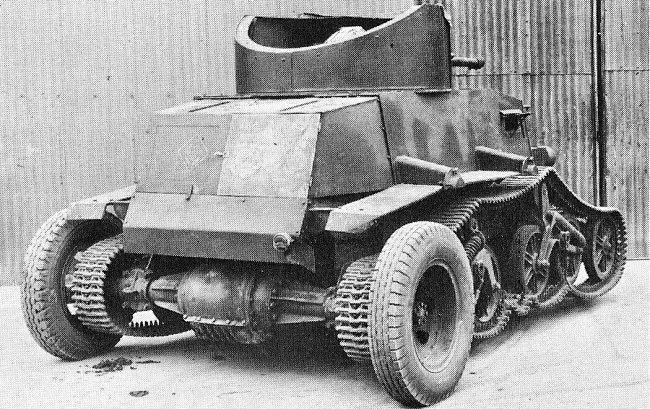


Sources
Discretion is advised as a few of these sources conflate the specifics of the first prototype that was vastly different from the configuration of the second prototype.
- Schofield Tank Light Tank Prototype
- New Zealand - Schofield Tank Type II - Nevington War Museum
- Колесно-гусеничные танки Скофилда (UKR; had to translate)
- New Zealand
- Additional Image Source: Schofield Tank (2nd prototype).: seryj221221 — LiveJournal